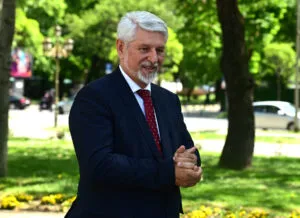
A New Criminal Complaint Against Jakimovski: A Building Permit Based on a Plan Struck Down Back in 2018
16.09.2026


16.09.2026

16.09.2026

16.09.2026

16.09.2026
16.09.2026

16.09.2026

16.09.2026

15.09.2026

14.09.2026

16.09.2026

16.09.2026

15.09.2026

16.09.2026

15.09.2026

14.09.2026

16.09.2026

16.09.2026

16.09.2026

16.09.2026

15.09.2026
15.09.2026

09.03.2026

27.02.2026

19.02.2026

16.09.2026

15.09.2026

14.09.2026

23.04.2026

23.04.2026

12.04.2026

On the cruise ship MV Hondius, sailing from Antarctica toward the Atlantic, a cluster of hantavirus infections appeared - a zoonotic disease most often transmitted from rodents. According to the World Health Organization, so far there have been 8 confirmed and suspected cases among passengers and crew, including 3 deaths. Epidemiological and laboratory investigations are under way.
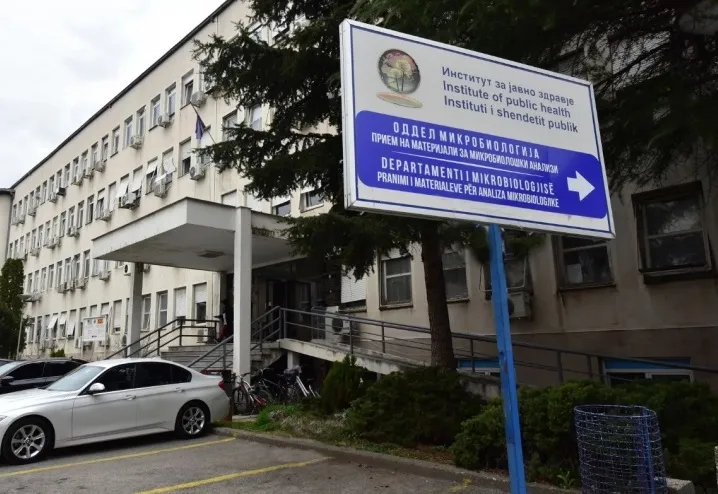
The Institute for Public Health of Macedonia (IJZ) has officially announced that there are no registered cases or close contacts in the country linked to this cluster. There are no indications of risk to public health in Macedonia. That is important information - but also a reminder that in an era of global cruise lines and international tourism, an outbreak anywhere can become a problem for any country.
What is hantavirus? It's a group of zoonotic viruses that circulate in rodents. People most often catch it through inhaling aerosols contaminated with urine, droppings or secretions from infected rodents. Transmission between humans is documented only for certain types (mainly the Andes virus in South America) and is considered rare. That means: this is not COVID-19. It does not have respiratory pandemic potential.
The disease has two forms. The first - haemorrhagic fever with renal syndrome - appears mainly in Europe and Asia, caused by viruses such as Hantaan, Dobrava-Belgrade and Puumala. It's marked by high fever, headache, back pain, and later kidney syndrome (reduced urine output) and bleeding. Mortality is between 1 and 15 percent - not low, but not mass-fatal either.
The second form is hantavirus pulmonary syndrome, mainly in the Americas, linked to the Sin Nombre virus. Symptoms start like flu - fever, weakness, muscle aches - but quickly progress to respiratory failure. The mortality rate is significantly higher. And it is precisely this type that triggered the panic on the cruise ship.
The MV Hondius case matters for the global tourism sector. When a disease appears on a ship with 200 passengers in international waters, the coordination between countries for quarantine, treatment and investigation is a logistical nightmare. The WHO, the European Centre for Disease Prevention and Control, and the national health authorities of the affected countries are working together. That shows something positive - the international health system functions when it has to. The question is whether the prevention system would work before a crisis forces it to.
For the Balkan reader thinking about a cruise holiday - no panic. Hantavirus does not spread person-to-person at pandemic level. But remember: rodents are everywhere, and often hidden. When you go to destinations with intense nature - Antarctica, South America, tropical regions - get ready for standard hygiene measures. And don't imitate the heroes who climb into abandoned cabins or hike through dusty rural areas without protective gear.
The latest 10 news from this category

Sanctions imposed over one war are being offered as currency in an entirely different dispute. Most member states are against...
El Nino in the Pacific shifts the currents that decide where snow falls. An area that usually gets a metre...

The easiest way to dismiss an uncomfortable argument is to point at who is making it. But that does not...

The appeals court ruled the entire trial must start over. The son of Norway's queen is waiting for it on...
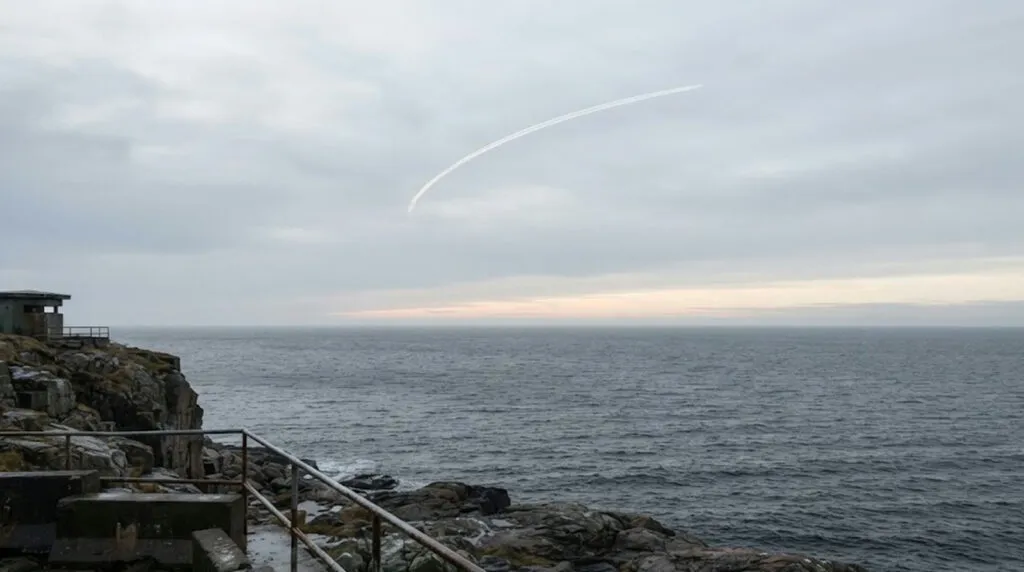
Trump scaled back the military exercises to ease the tension, and Wonsan answered in the form of projectiles. What does...

The sanctions list got a seven-day extension instead of one measured in months, a move diplomats themselves call unprecedented. Two...

Switzerland offered a table for talks on Ukraine, Moscow replied that the table stopped being neutral once Bern adopted EU...

The will says one thing, a committee of twenty-one men decided another. The queen mother says the army pulled the...

A country that was Europe's byword for stability for decades now has a parliament split into two blocs by a...

Sixteen years in power, defeat at a regular election, five months of quiet - and now the election result is...
This site uses cookies - is that okay? Learn more
Be the first to know when Metla launches something new
Leave your email and we will write when there is a new guide or something new on Metla.