
A New Criminal Complaint Against Jakimovski: A Building Permit Based on a Plan Struck Down Back in 2018
16.09.2026


16.09.2026

16.09.2026

16.09.2026
16.09.2026
16.09.2026

16.09.2026

16.09.2026

15.09.2026

14.09.2026

16.09.2026

16.09.2026

15.09.2026

16.09.2026

15.09.2026

14.09.2026

16.09.2026

16.09.2026

16.09.2026

16.09.2026

15.09.2026
15.09.2026

09.03.2026

27.02.2026

19.02.2026

16.09.2026

15.09.2026

14.09.2026

23.04.2026

23.04.2026

12.04.2026

Germany has a new political landscape and that's not a metaphor - it is a statistical fact. Alternative for Germany (AfD), a party considered marginal five years ago, is now the first choice of 27 percent of Germans. The CDU/CSU bloc of Chancellor Friedrich Merz dropped two percentage points and now sits at 24 percent. For the first time in modern German history, a far-right party leads in national polls.
The numbers are shameful for the government. Only 13 percent of Germans are satisfied with the work of the current CDU/CSU-SPD bloc. That is one of the lowest approval ratings ever recorded in the Deutschlandtrend survey. Merz himself gets a 16 percent rating - the lowest rating in history for a sitting chancellor. 69 percent of Germans think Merz is not up to the position. When a politician gets numbers like that, every political-scientist take is superfluous - the citizens have already spoken.
The other numbers complete the picture of a fragmented German politics: SPD 14 percent, Greens 12 percent, Die Linke 11 percent. None of the old big parties has a dominant position. When you add it up, no stable coalition is possible without or with AfD - the party everyone has so far insisted they will not negotiate with.
For the Balkans this is not just German news. Germany is the biggest trade partner of Macedonia, Serbia, the whole of Southeast Europe. When Berlin shakes, Skopje shakes. The economic consequences of political instability in Germany pour into investments that do not arrive, projects that get postponed, and jobs in German factories that Balkans citizens build. Is that reason for a Balkan reader to worry? Probably more than they themselves want to admit.
And the question increasingly being raised in European circles is simple: what happens when a party that European mainstream politics treated as illegitimate gets 27 percent in national polls? It is no longer possible to claim it is "marginal". It is no longer possible to ignore it either. And if this is what Germans vote for, then the question is not how to stop the AfD - it is why the current political elite has become so irrelevant to its own voters.
The latest 10 news from this category

Sanctions imposed over one war are being offered as currency in an entirely different dispute. Most member states are against...
El Nino in the Pacific shifts the currents that decide where snow falls. An area that usually gets a metre...

The easiest way to dismiss an uncomfortable argument is to point at who is making it. But that does not...
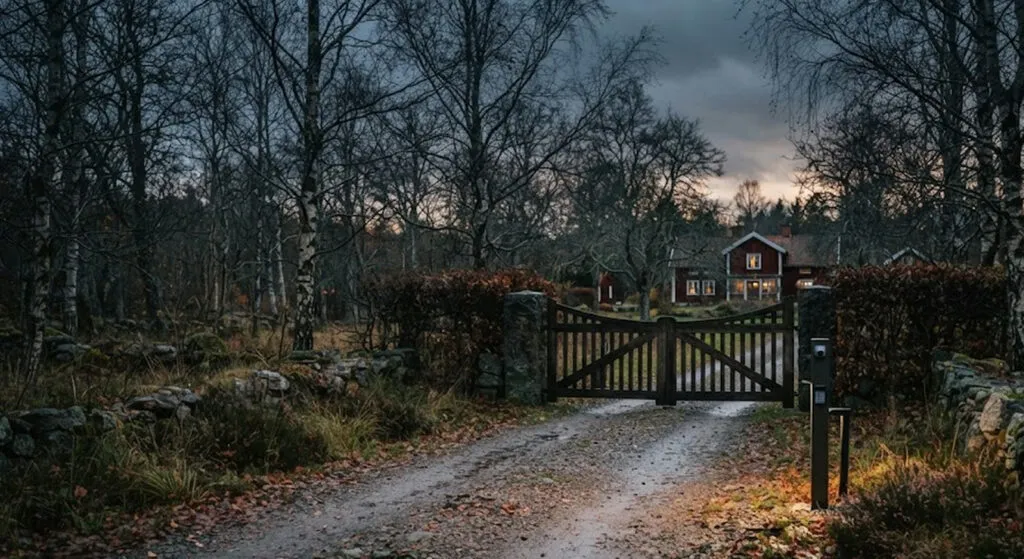
The appeals court ruled the entire trial must start over. The son of Norway's queen is waiting for it on...

Trump scaled back the military exercises to ease the tension, and Wonsan answered in the form of projectiles. What does...

The sanctions list got a seven-day extension instead of one measured in months, a move diplomats themselves call unprecedented. Two...
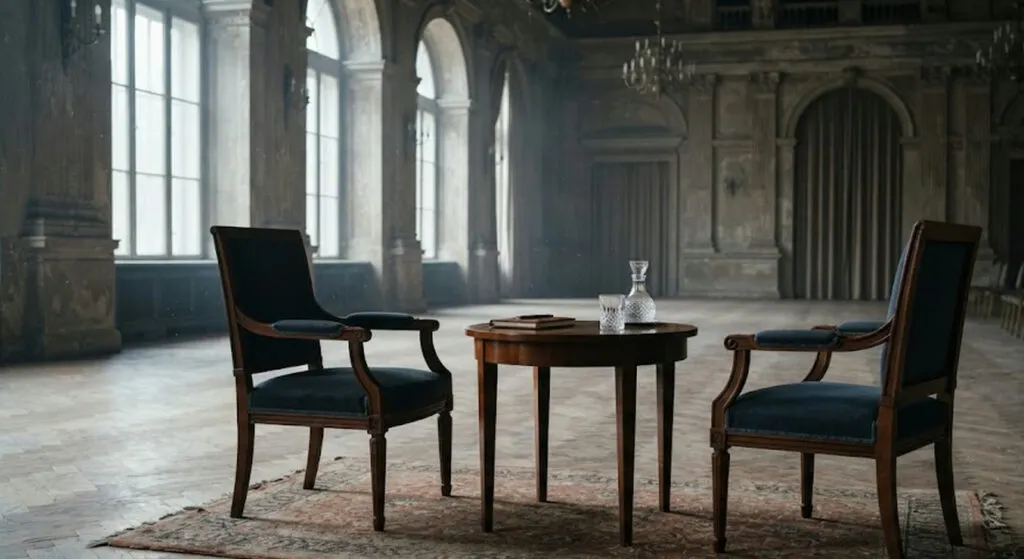
Switzerland offered a table for talks on Ukraine, Moscow replied that the table stopped being neutral once Bern adopted EU...
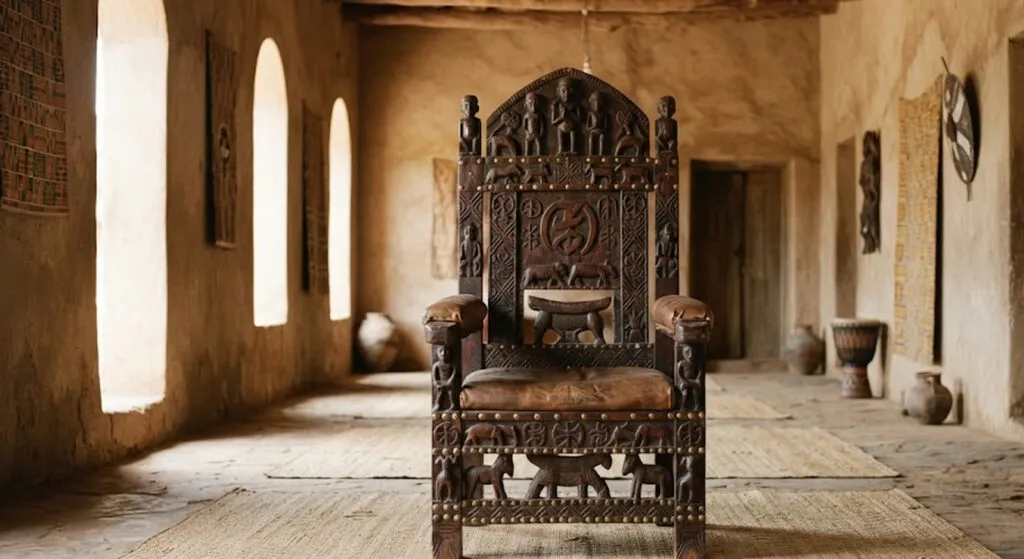
The will says one thing, a committee of twenty-one men decided another. The queen mother says the army pulled the...

A country that was Europe's byword for stability for decades now has a parliament split into two blocs by a...
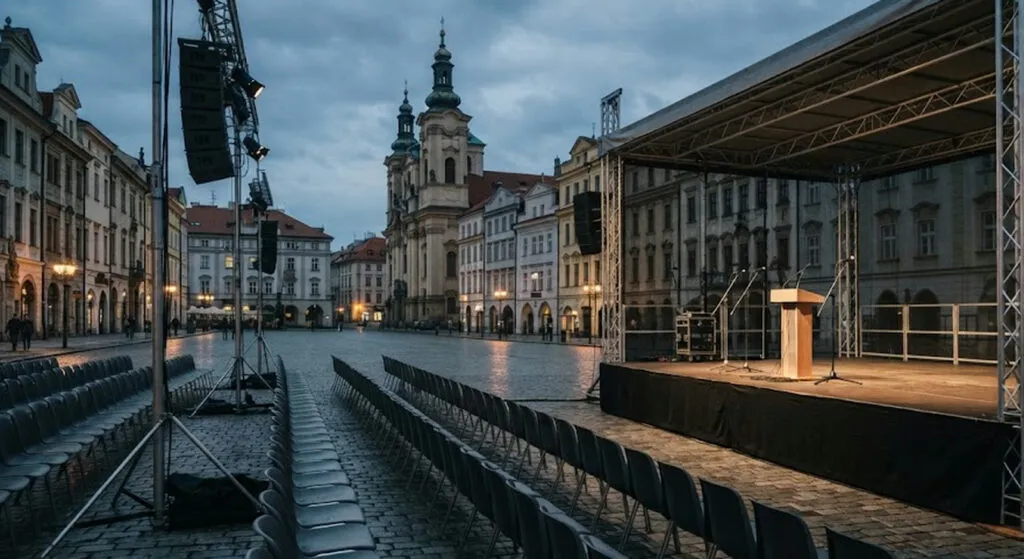
Sixteen years in power, defeat at a regular election, five months of quiet - and now the election result is...
This site uses cookies - is that okay? Learn more
Be the first to know when Metla launches something new
Leave your email and we will write when there is a new guide or something new on Metla.