Trump Floats New Sanctions on Russia: The Morals Haven't Changed, the Math Has
17.06.2026



17.06.2026

16.06.2026

15.06.2026

17.06.2026

17.06.2026

16.06.2026

09.03.2026

27.02.2026

19.02.2026

14.04.2026

07.11.2025
07.11.2025

23.04.2026

23.04.2026

12.04.2026

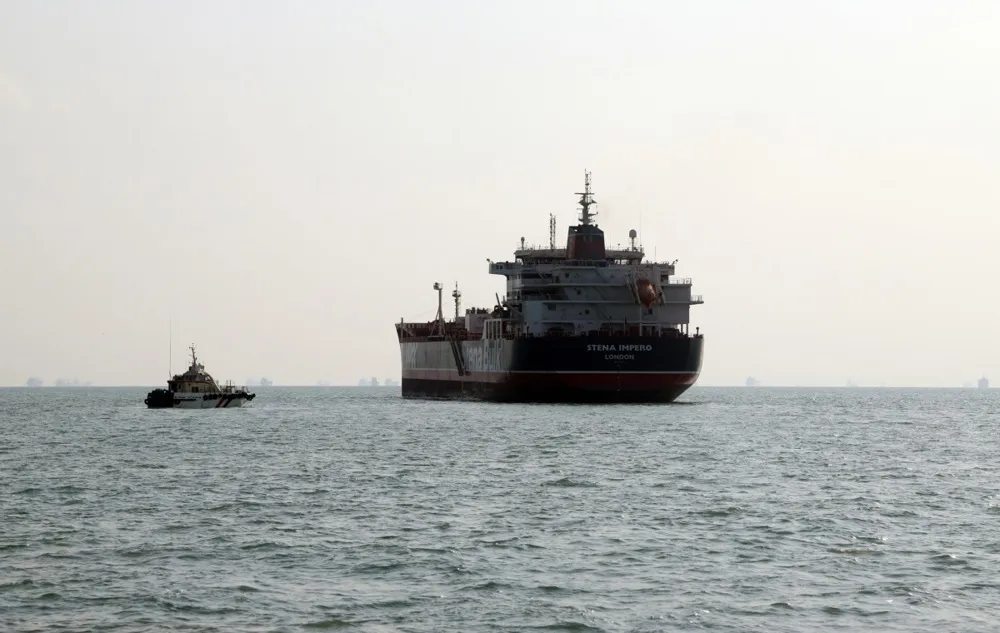
After the reopening of the Strait of Hormuz, achieved through a temporary ceasefire between Iran and the US, oil prices fell on Monday. But analysts immediately threw cold water on the euphoria - a full recovery of oil supply won't take days, but weeks, even months.
The scale is enormous. Before the conflict, one fifth of the world's oil passed through this narrow sea passage. Now hundreds of merchant ships still can't get through - by estimates, around 500 vessels are waiting in the Persian Gulf, and they can't all use the strait at once. Before safe navigation, experts say, there needs to be mine clearance and the restoration of internationally recognized corridors.
Producers, likewise, can't restore previous volumes in a single day. Saudi Arabia and the United Arab Emirates could recover faster through alternative routes, while Iraq faces far greater difficulties. „The mood has clearly improved. But mood isn't the same as supply," one analyst sums up vividly. Economists estimate that energy flows could return to 80 percent of pre-conflict levels only around September.
For the Balkans this isn't distant news from the oil exchanges. Every shift in the global price of oil reaches our pumps within a few weeks, in the price of fuel, transport, and ultimately - everything that's driven and delivered. When the big players wage war and negotiate over a strait on the other side of the world, the bill often ends up in the budget of an ordinary Balkan household. The ceasefire is good news; just don't expect gasoline to get cheaper right away.
The latest 10 news from this category

Додека фирмите лепат ВИ на секој производ, корисниците бегаат. Анкетата открива дека интернетот сè повеќе се пишува за машини, а...
Маск плати речиси двојна цена за Cursor за да ја спаси распаднатата xAI. Кога едно купување од 60 милијарди изгледа...

Сè уште е најголем со 1,1 милијарда корисници, но уделот падна на 46 проценти. Кога бесплатниот алат почнува да наплатува...

Giavotto Automotive is building a plant in the TIRZ Tetovo zone for auto components. The gap between a ribbon-cutting and...
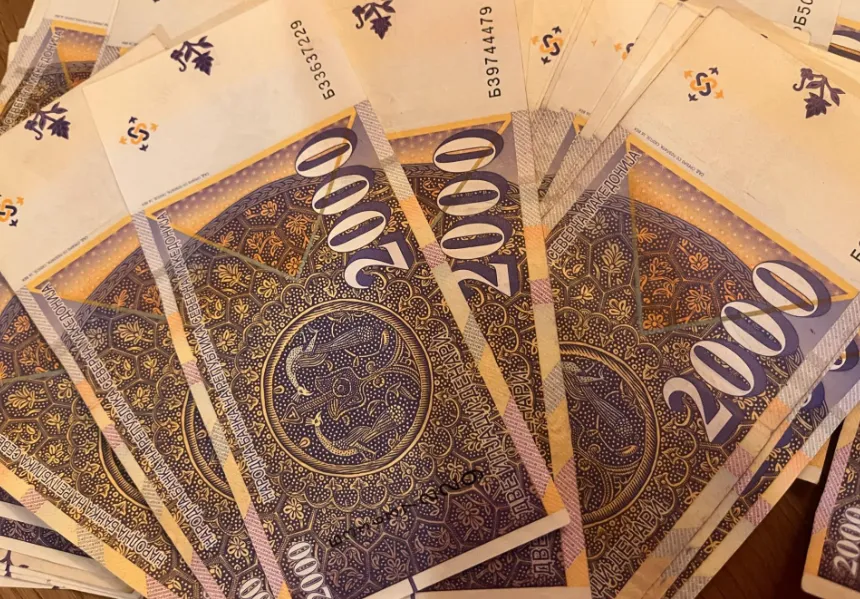
15,144 growers share the sum for the 2025 harvest. Behind the figure stands an older dilemma - is the support...

Starmer says out loud that the networks are designed to cause addiction. But how do you verify age without everyone...

Murdoch isn't buying content - he's buying control over what appears on the screen before we press the button. The...

Customer support is one of the first jobs the industry openly wants to hand over to a machine - and...
The opposition claims agriculture is on its knees after two years. Numbers are numbers - and if the purchase price...
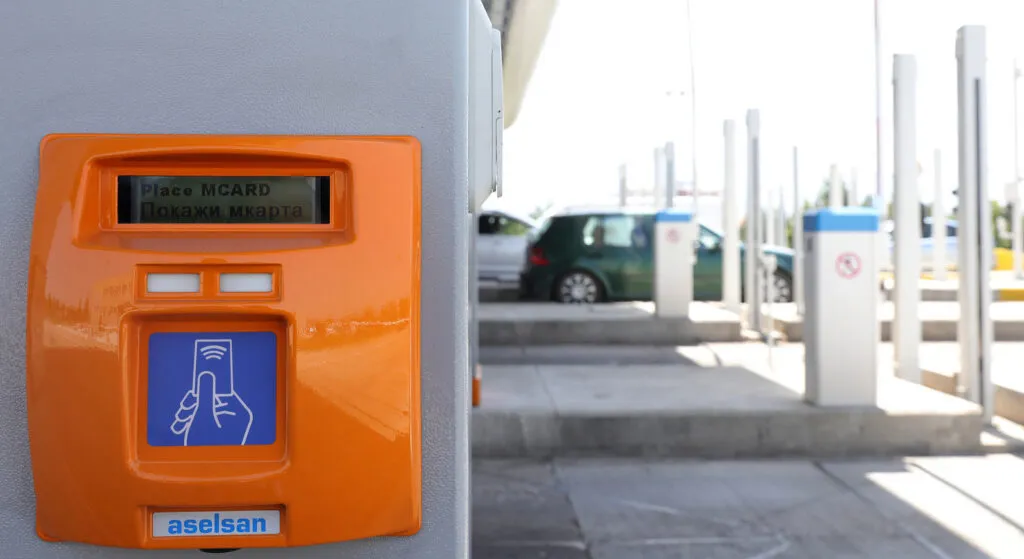
The M-CARD is no longer accepted in the MTAG lanes. A sensible move - but every new measure here brings...