

Two Schoolyard Assaults Reported in a Single Day: the Police Promised Measures, the Education System Said Nothing
19.09.2026


19.09.2026
19.09.2026
19.09.2026

19.09.2026

19.09.2026
19.09.2026
19.09.2026
18.09.2026

17.09.2026

19.09.2026
19.09.2026

18.09.2026
19.09.2026

19.09.2026

19.09.2026
19.09.2026
18.09.2026

17.09.2026

19.09.2026

19.09.2026

19.09.2026
19.09.2026

19.09.2026
18.09.2026

09.03.2026

27.02.2026

19.02.2026

19.09.2026

18.09.2026

17.09.2026

23.04.2026

23.04.2026

12.04.2026

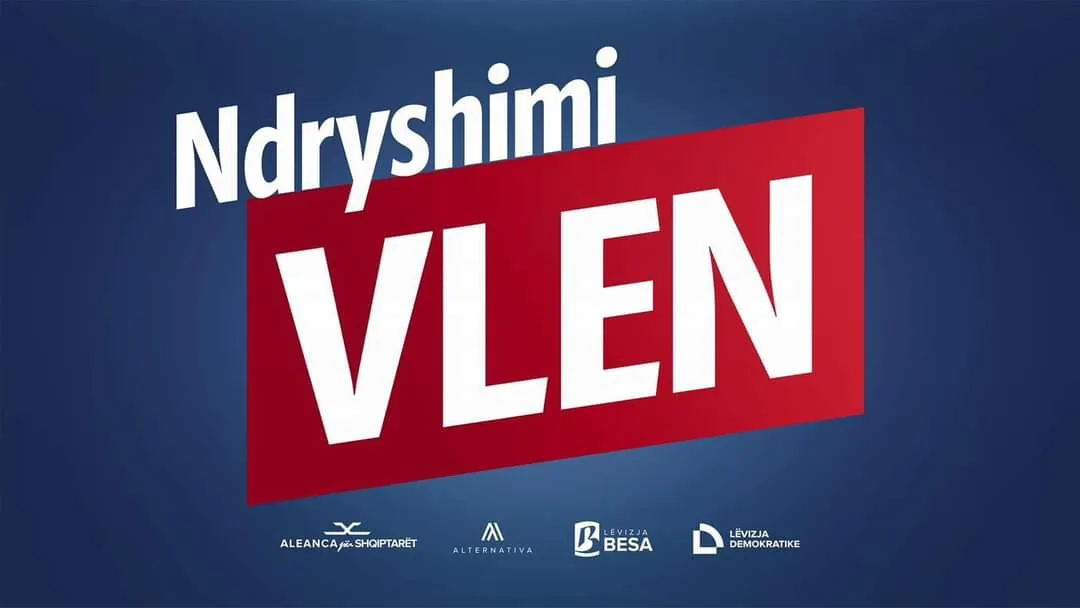
On May 9, "Vredi" (VLEN) officially graduates from a coalition into a single political party. Five Albanian political entities merge into one organisation. Mexhiti and Kasami are co-chairs. With that, the curtain falls on the era of fragmentation in Albanian politics.
What does it mean? What did it mean until now? Albanian politics in Macedonia was split between several parties and movements - DUI, BESA, the Alliance for Albanians, other smaller structures. Gradually, these five first came together in the "Vredi" coalition, and now into a single party. The question: is this a consolidation of the Albanian vote, or a centralisation of power?
Balkan experience shows that mergers like this usually have two sides. One is stability - one structure, one decision, fewer negotiations. The other is power concentrated in the hands of a few. On election day, five parties become one, and two co-chairs decide the candidate list. Internal party democracy? Starting at zero.
For North Macedonia this is a significant question. The Albanian voting bloc in the country has always relied on the option of choosing between several alternatives. From May 9, the choice - at least within this political bloc - is gone. Anyone who wants to be "VLEN" will have to play by the new party's rules.
DUI, which dominated Albanian politics for decades, still exists as a separate structure. But it too is in trouble - polls show its vote share dropping. In the coming years we may see polarisation between VLEN and DUI as the only serious players on the Albanian political stage.
Is that good? A hard question. One thing is certain - for ordinary Albanian voters in this region, elections with more options were a guarantee that someone was fighting for their vote. When only two parties are competing, each can treat its base as locked in. And then the question to ask is - who is actually representing the people?
The latest 10 news from this category

Мицкоски од Вашингтон го поставува синџирот: гасовод, струја, дата-центри, вештачка интелигенција. Редоследот на најавите оди обратно од редоследот на градењето.
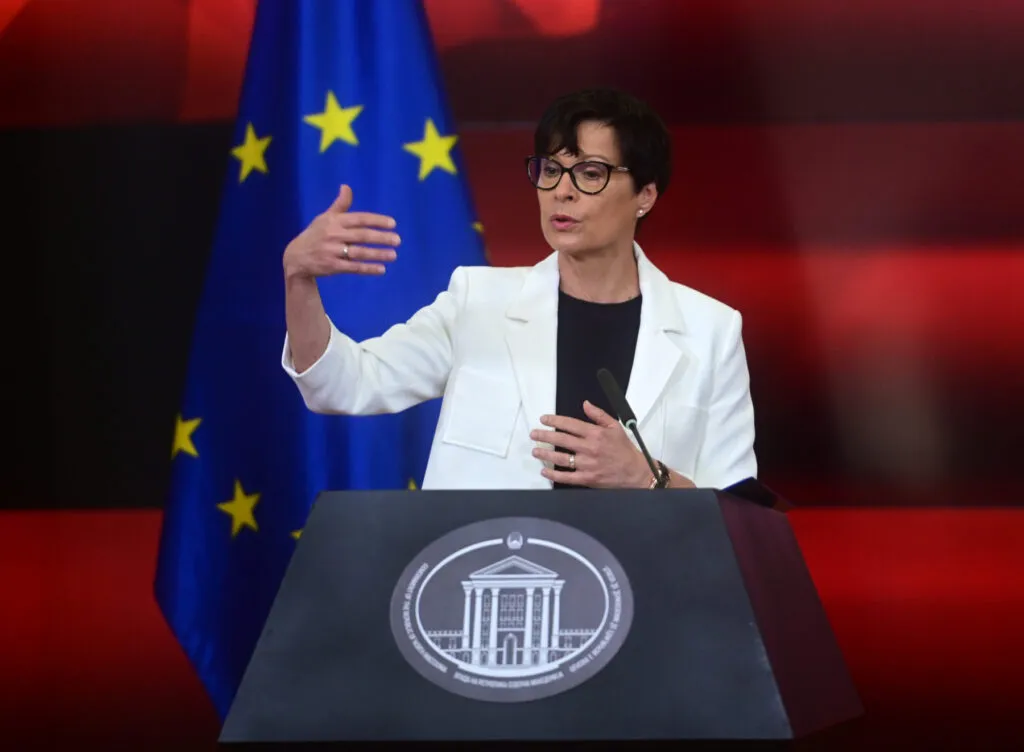
Marta Kos listed the countries getting a timetable. We are not on it. What remains is the condition we know...
Monitoring by the All for Fair Trials coalition: hearings twice a year, proceedings running up to 33 months, and young...
Of 340 million denars, only 40 million came from private money - the rest came from the State Lottery. Prosecutors...
The State Audit Office already warned that withholding the points makes favouritism possible. The rulebook requiring them to be published...
Two senior officials announced progress, the two largest parties denied it the same day. The amendments sit blocked behind 13,500...

The police acted on their own knowledge, without the PM filing anything at all. The same mechanism exists for every...
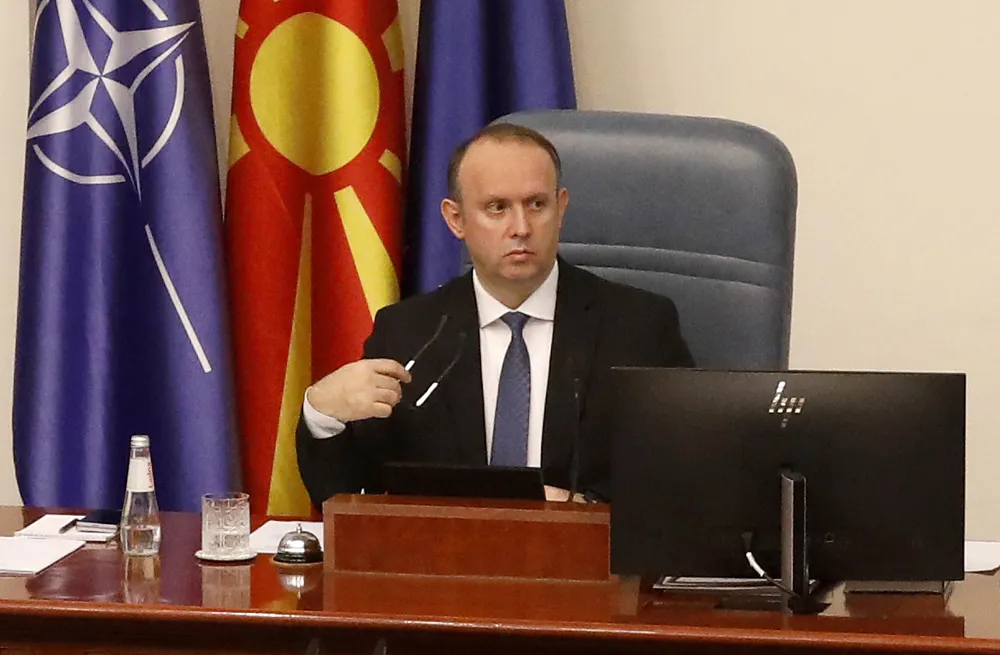
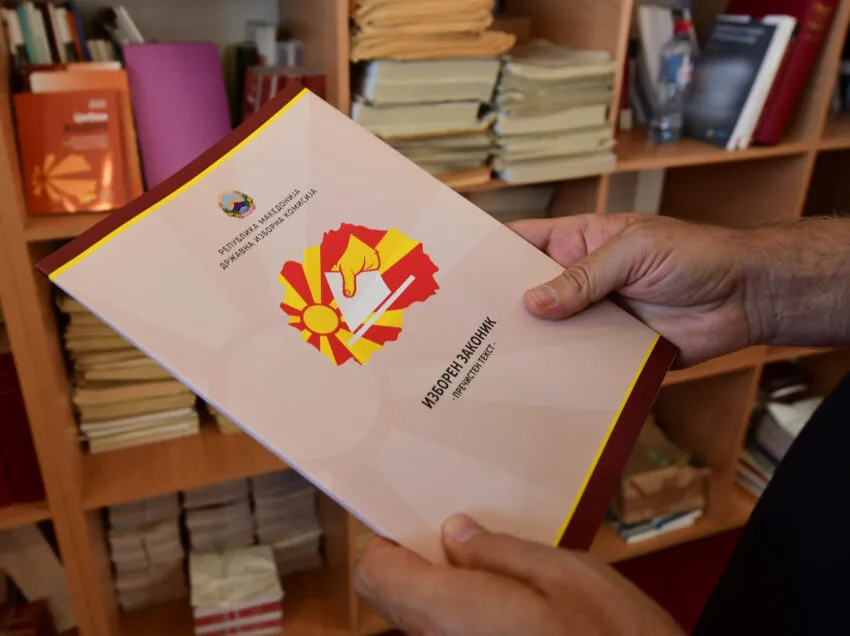
The Electoral Code is the one unfulfilled reform obligation, and the working group does not even know when it will...
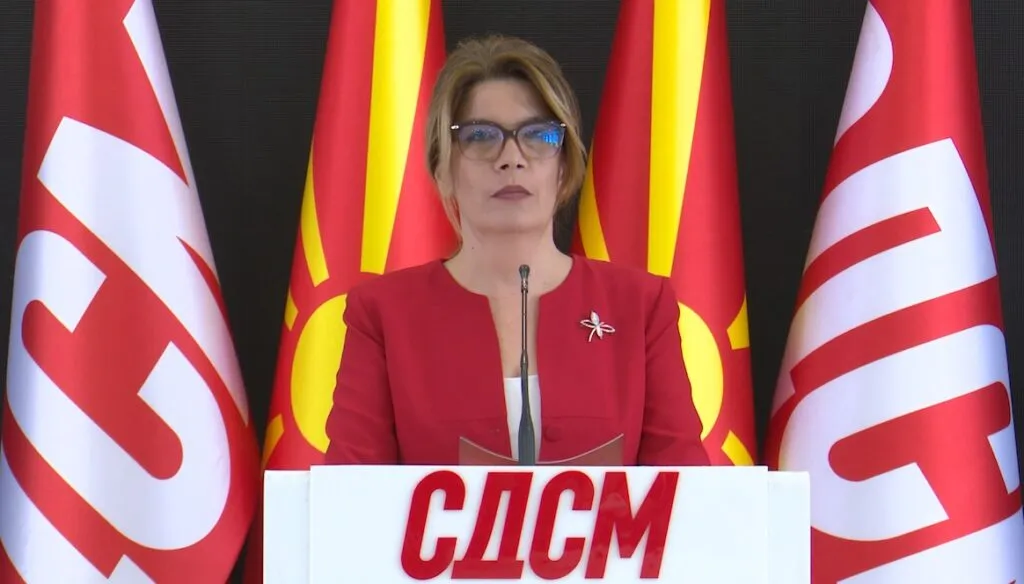
It was supposed to cost "zero denars". Now the opposition wants an investigation, and the timeline - David Guetta announced...
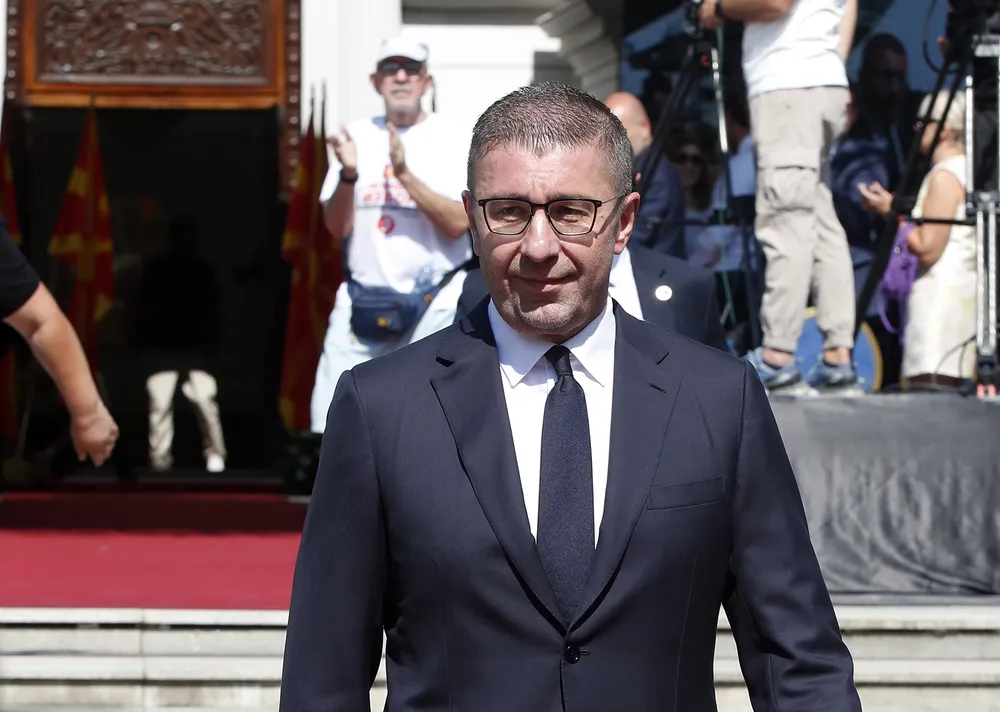
Five negations in one sentence, pension growth "16 times higher" with not a single figure beside it, and a third...
This site uses cookies - is that okay? Learn more
Be the first to know when Metla launches something new
Leave your email and we will write when there is a new guide or something new on Metla.
