


Six Years of Fake Licence Categories Issued From an Interior Ministry Desk: Six Charged, 21 More Under Investigation
21.09.2026


21.09.2026

21.09.2026

21.09.2026

21.09.2026

21.09.2026

21.09.2026

21.09.2026

20.09.2026

20.09.2026

21.09.2026

21.09.2026

20.09.2026

21.09.2026
21.09.2026

21.09.2026

21.09.2026

20.09.2026

19.09.2026

21.09.2026

21.09.2026

21.09.2026

21.09.2026

21.09.2026

21.09.2026

09.03.2026

27.02.2026

19.02.2026

21.09.2026

21.09.2026

20.09.2026

23.04.2026

23.04.2026

12.04.2026


In recent years the skincare industry came up with a new word - „wellaging” - meaning ageing without extreme aesthetic interventions. The word is new. The idea is as old as the mirror. But in one respect the story has real substance: the face does not age evenly, it starts where your bone is.
The shape of the bones, the distribution of fat tissue, the thickness of the skin and the expression you repeat a thousand times a day - together these determine where a line will appear first. That is why two faces of the same age look completely different, and it has little to do with who applied what.
Cosmetologist Raquel González and dermocosmetician Mireia Fernández break it down feature by feature.
A prominent nose. It does not get bigger - everything around it recedes. When the middle of the face loses volume, the nose dominates visually. The work here is on skin firmness, not on the nose.
High cheekbones. They look like an advantage and they are - they hold the face up longer. But just beneath them, at the corner of the eye, the first lines appear earlier than in other people. Whatever moves more often shows earlier.
Flat cheekbones. The opposite scenario: the nasolabial fold - the line from the nose to the corner of the mouth - deepens faster, because there is no bone holding the cheek up.
Thin lips. Fine vertical lines around the mouth appear earlier. The skin there is thin and creases constantly while speaking.
A soft jawline. The lower third of the face is the first to lose definition.
Large or deep-set eyes. Tiredness shows earlier. Fernández explains why: „The skin around the contour is thin and has less support, so it dehydrates sooner and marks dark circles more easily.”
The advice is to start at 25 - that is when collagen loss begins. The ingredients that recur throughout the entire list are the same: vitamin C, retinoids, peptides, hyaluronic acid, niacinamide and sun protection every single day.
And here comes the part the article does not say with the same force. Out of all those ingredients, the only one with an unambiguously proven effect on skin ageing is sun protection. It costs the least, it is in every pharmacy and it requires no subscription. Everything else ranges from useful to marketing, depending on the concentration and on how long you keep using it.
The same article recommends products at 29 and 48 euros. That is around 4,700 denars for two bottles. Will a face look different after them? Perhaps a little. Will it look different after ten summers without sun protection? That one is certain.
The latest 10 news from this category

Three days in a lab coat with colorimetry scientists to produce a collection in lime and tangerine. The design director...
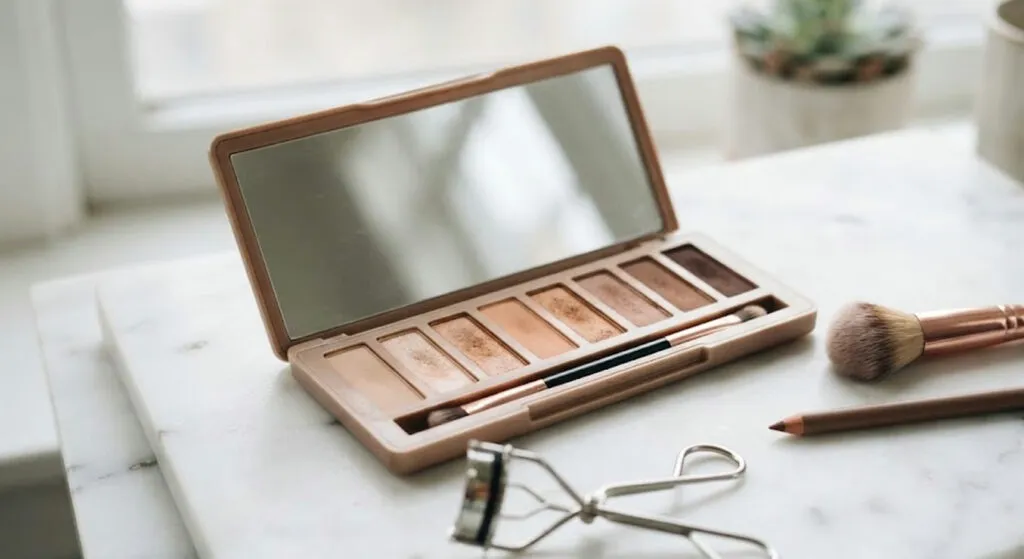
Cream concealer instead of powder, a brown pencil instead of black eyeliner, and a curler before the mascara. Not one...

A boat-neck gown and wildflowers that deliberately refuse to compete with the jewellery. A fourth generation under the same diadem,...

A communications expert says the trouser suit sidesteps sexist readings of hemlines and necklines. The same expert warns that the...
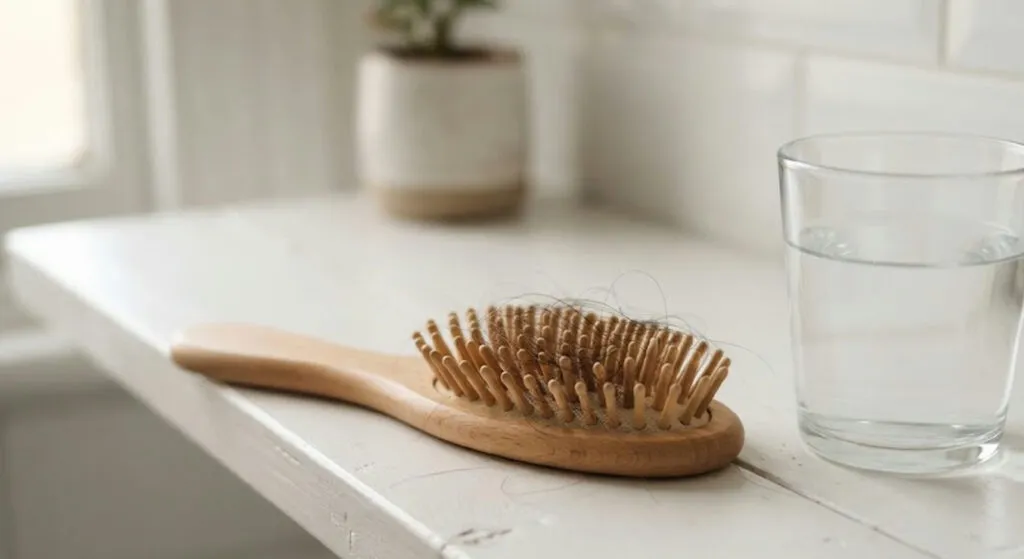
Dermatologists explain why the shedding arrives with a two to three month delay and why iron and vitamins do not...
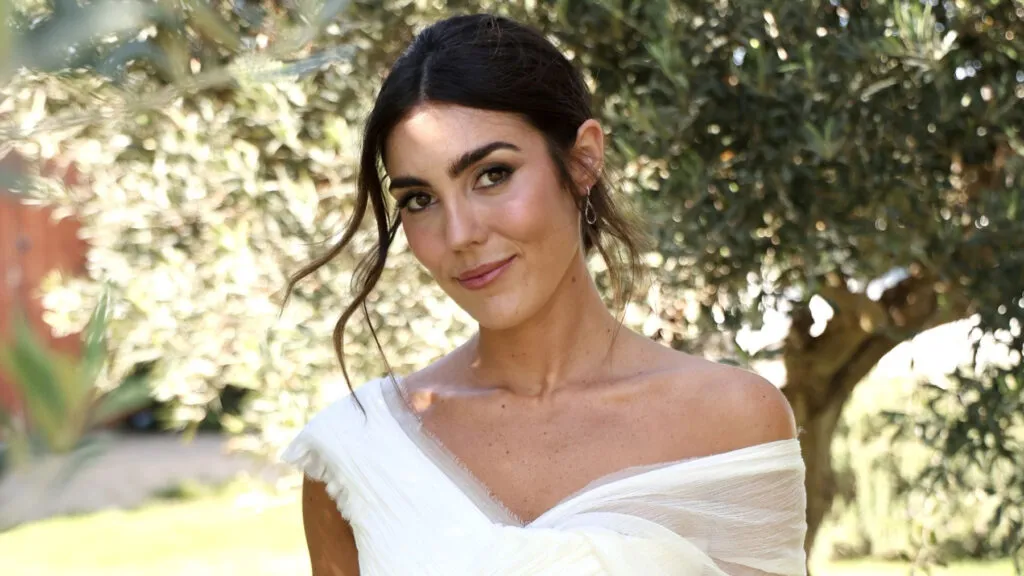
Silk bambula muslin, a hand-draped waist and a veil of crystal organza. The wedding was held in Cadiz, where the...

An industry that spent decades selling a flawless illusion is suddenly showing the shoot itself. That is not candour -...

The classic bob promised one perfect day. This version works against the salon business model - and that alone is...
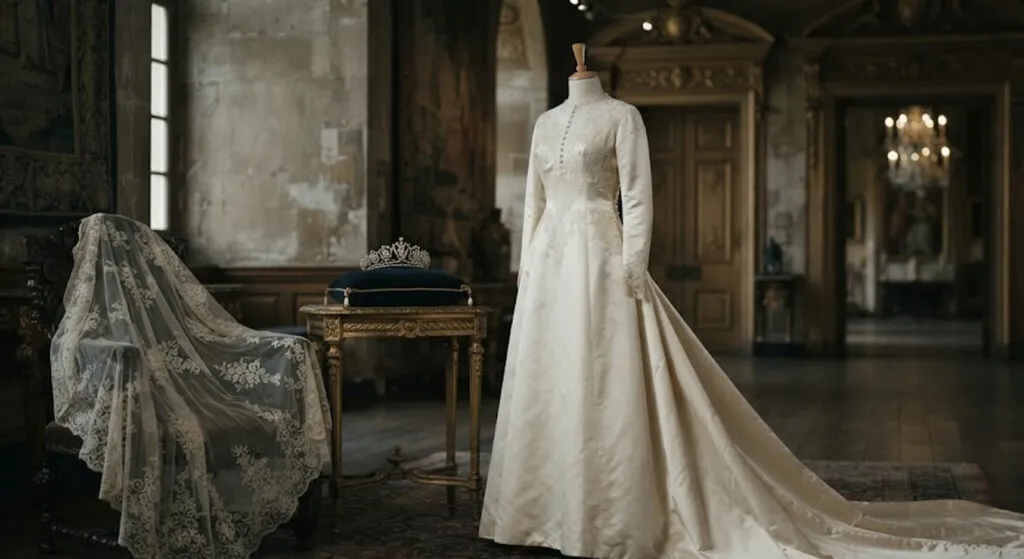
The crowns were held by four men who would all later sit on thrones of their own. Nobody in that...

Kate Middleton dropped the beige and the same cut suddenly looked twice as expensive. The industry sells a new silhouette...
This site uses cookies - is that okay? Learn more
Be the first to know when Metla launches something new
Leave your email and we will write when there is a new guide or something new on Metla.
