

Studeničani: 35-year-old dies after being electrocuted while washing his car with a pressure washer
18.09.2026


18.09.2026
18.09.2026

18.09.2026
18.09.2026

18.09.2026
18.09.2026

18.09.2026

17.09.2026
16.09.2026

18.09.2026

18.09.2026

17.09.2026

18.09.2026

18.09.2026

18.09.2026
18.09.2026
17.09.2026

16.09.2026

18.09.2026

18.09.2026
18.09.2026

18.09.2026

17.09.2026

17.09.2026

09.03.2026

27.02.2026

19.02.2026

18.09.2026
17.09.2026
16.09.2026

23.04.2026

23.04.2026

12.04.2026

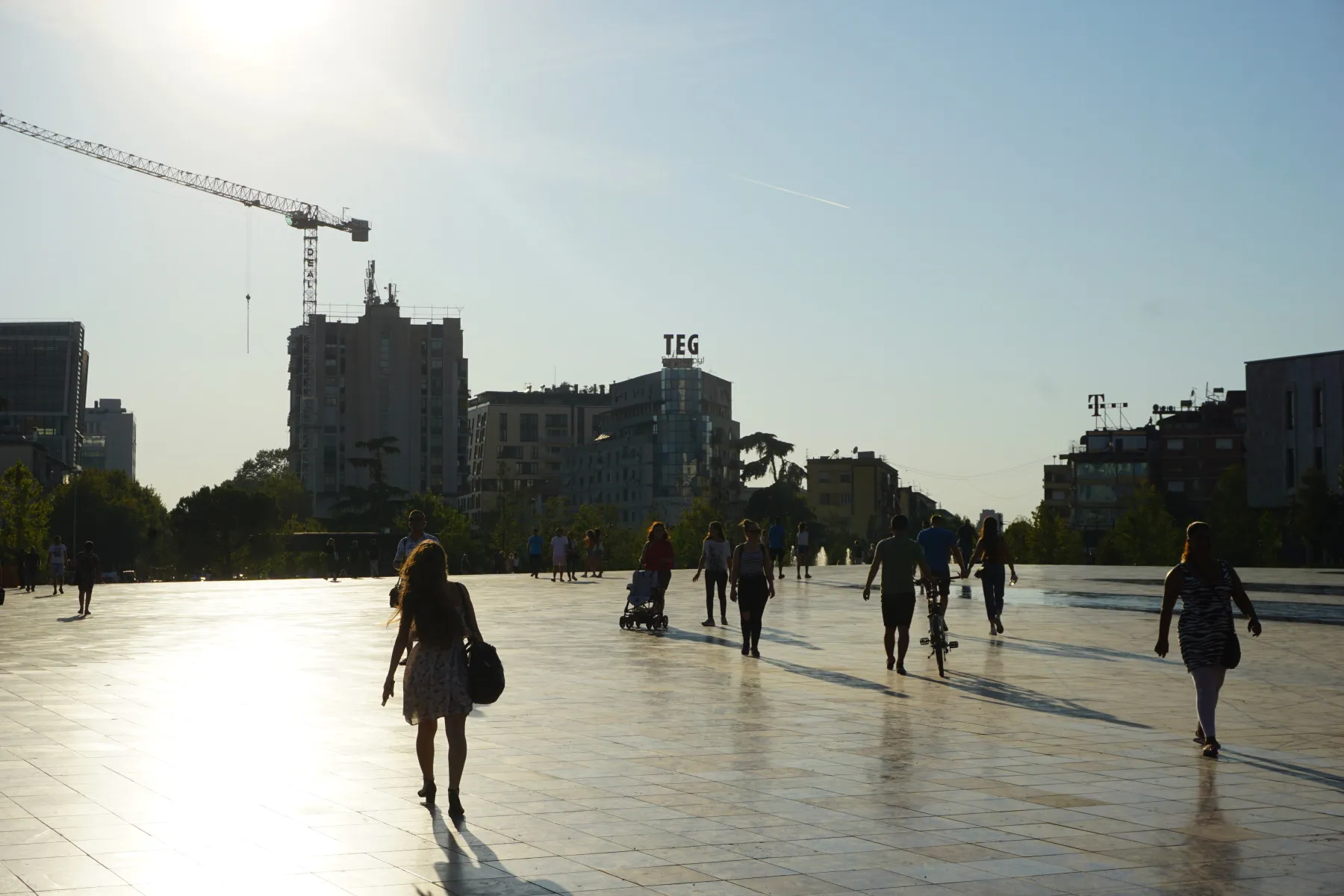
Albanian students announced a protest for May 26 on Skanderbeg Square in Tirana, followed by a march to the Macedonian Embassy. The cause - support for Albanian law students in Macedonia, who are demanding the right to take the bar exam in Albanian instead of Macedonian. The slogan: "Albania stands with Skopje".
This is the third protest on the same issue. The first took place on April 6 in Skopje, the second on May 18. The Ministry of Justice rejected the request, and the government decided to refer the matter to the Venice Commission - the classic Macedonian move when a decision is politically difficult, so it's outsourced to an external institution for cover.
Prime Minister Hristijan Mickoski answered opposition criticism by saying the government is "solving an inherited problem" that previous administrations had 20 years to fix but didn't. VLEN leader Bilal Kasami insists there is an agreement allowing Albanian students to take professional exams in their language. Justice Minister Igor Filkov shot back that the bar exam is a question of professional competence and legal order, not politics.
Behind the legal dispute sits a fundamental question - how far does the right to use the official language of Macedonia's Albanian population reach? The constitutional framework recognises both languages, but in practice Macedonian remains the working language for most institutions. The bar exam is symbolic - not about candidates' professional competence, but about how the state interprets its own laws.
The Tirana protest carries a message nobody in the Macedonian government wants to hear - that questions framed as "internal" carry geopolitical weight. For the first time, a demonstration against Macedonian education policy is being organised on foreign territory. That isn't a trivial fact. For Balkan readers with any memory, this is a reminder how easily a technical dispute can turn into a political crisis when both sides refuse to compromise.
The latest 10 news from this category
Marta Kos listed the countries getting a timetable. We are not on it. What remains is the condition we know...
Monitoring by the All for Fair Trials coalition: hearings twice a year, proceedings running up to 33 months, and young...
Of 340 million denars, only 40 million came from private money - the rest came from the State Lottery. Prosecutors...
The State Audit Office already warned that withholding the points makes favouritism possible. The rulebook requiring them to be published...
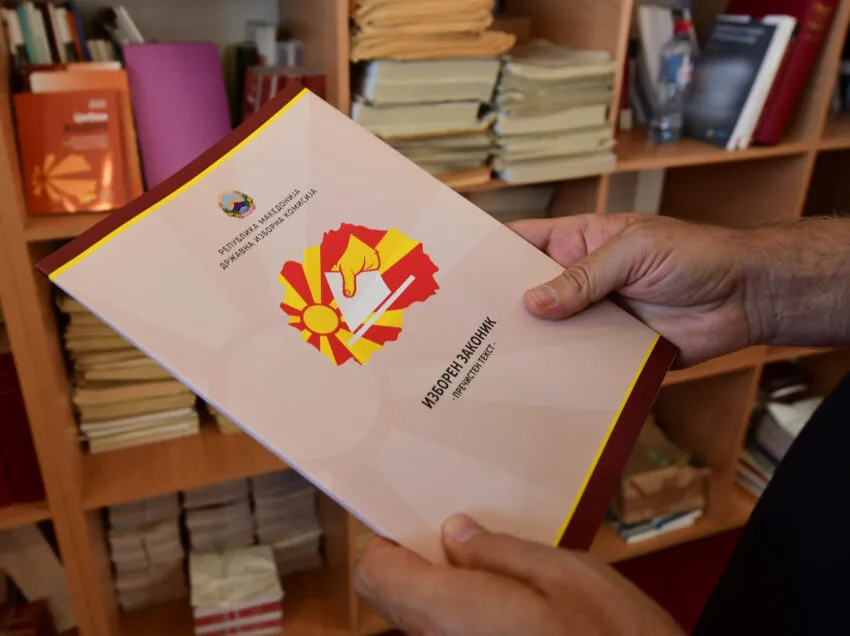
Two senior officials announced progress, the two largest parties denied it the same day. The amendments sit blocked behind 13,500...
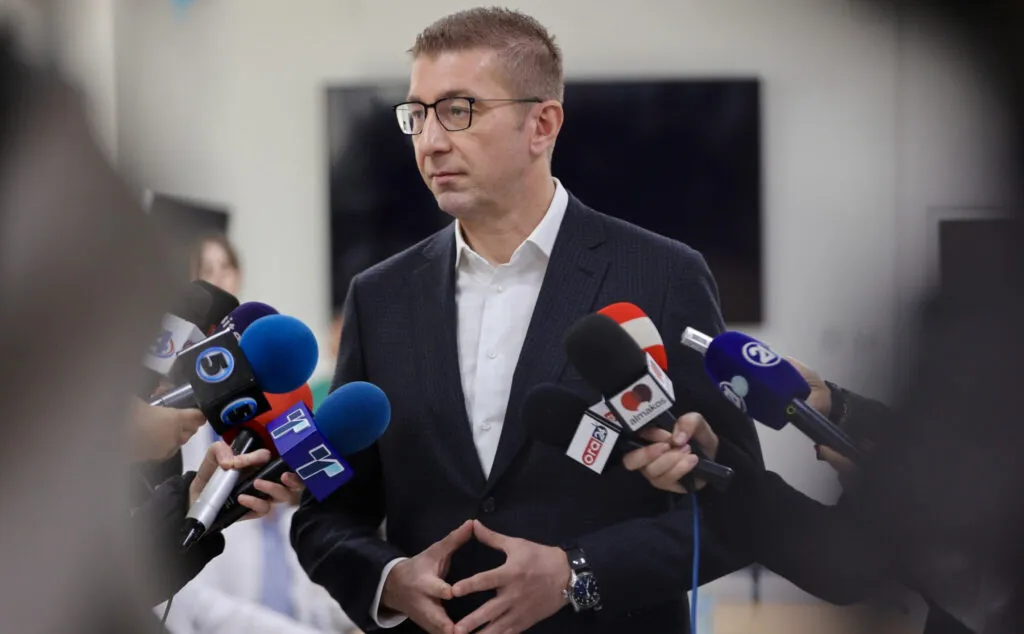
The police acted on their own knowledge, without the PM filing anything at all. The same mechanism exists for every...
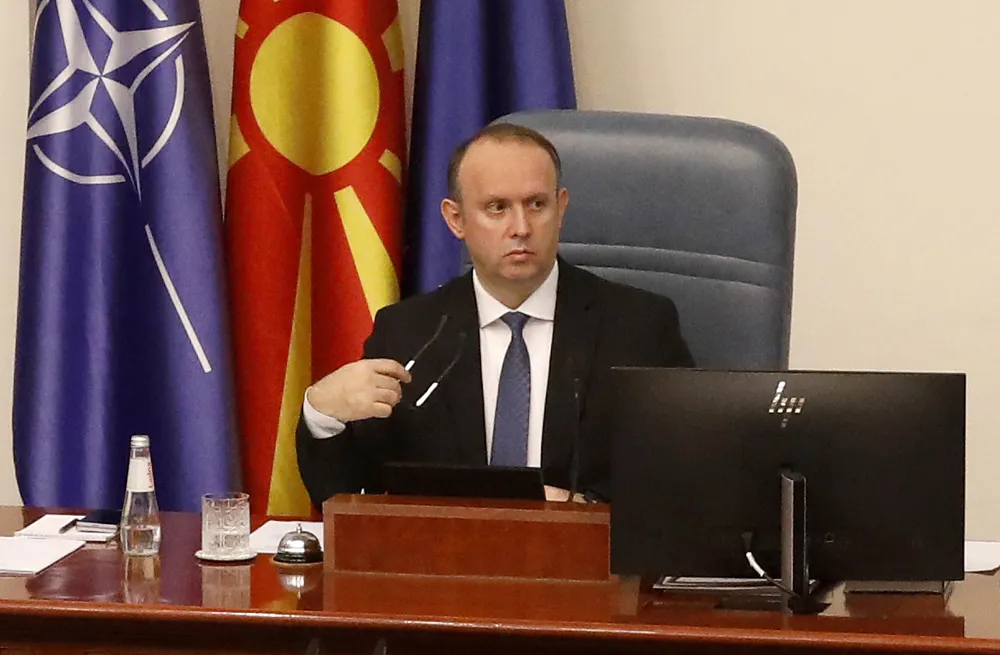
The Electoral Code is the one unfulfilled reform obligation, and the working group does not even know when it will...
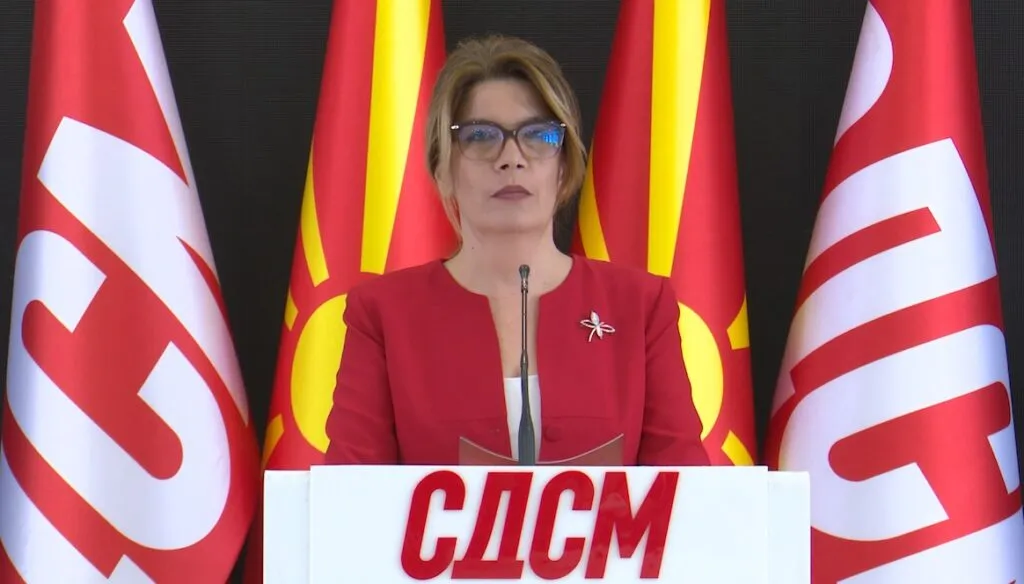
It was supposed to cost "zero denars". Now the opposition wants an investigation, and the timeline - David Guetta announced...
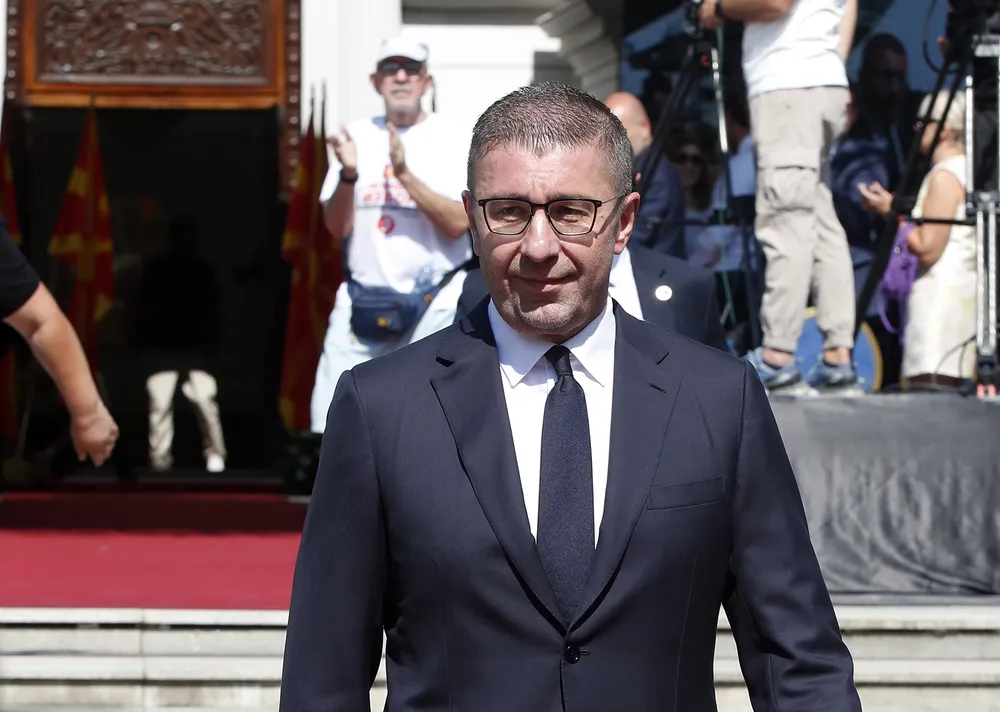
Five negations in one sentence, pension growth "16 times higher" with not a single figure beside it, and a third...
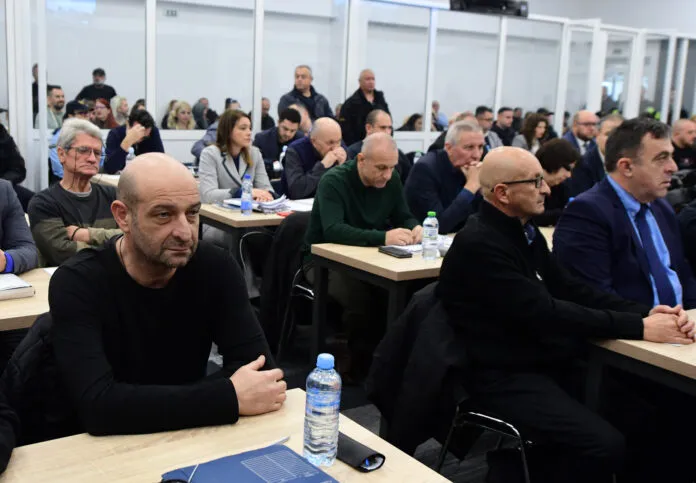
One side waits for a letter, another waits for a different commission, a third waits for consent. In those same...
This site uses cookies - is that okay? Learn more
Be the first to know when Metla launches something new
Leave your email and we will write when there is a new guide or something new on Metla.
