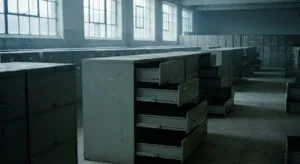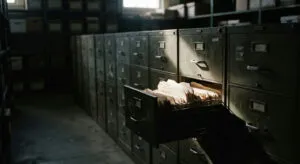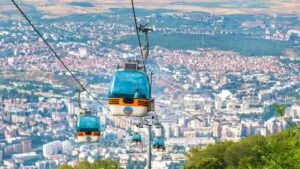
Three of Four Sensors Were Dead: Skopje's Vodno Cable Car Ran Fifteen Years Without a Real Service
17.09.2026


17.09.2026

17.09.2026
17.09.2026
17.09.2026
17.09.2026
17.09.2026

17.09.2026

16.09.2026

15.09.2026

17.09.2026

17.09.2026

16.09.2026
17.09.2026

17.09.2026

17.09.2026
17.09.2026

16.09.2026

15.09.2026

17.09.2026

17.09.2026

17.09.2026

17.09.2026

17.09.2026

17.09.2026

09.03.2026

27.02.2026

19.02.2026

23.04.2026

23.04.2026

12.04.2026

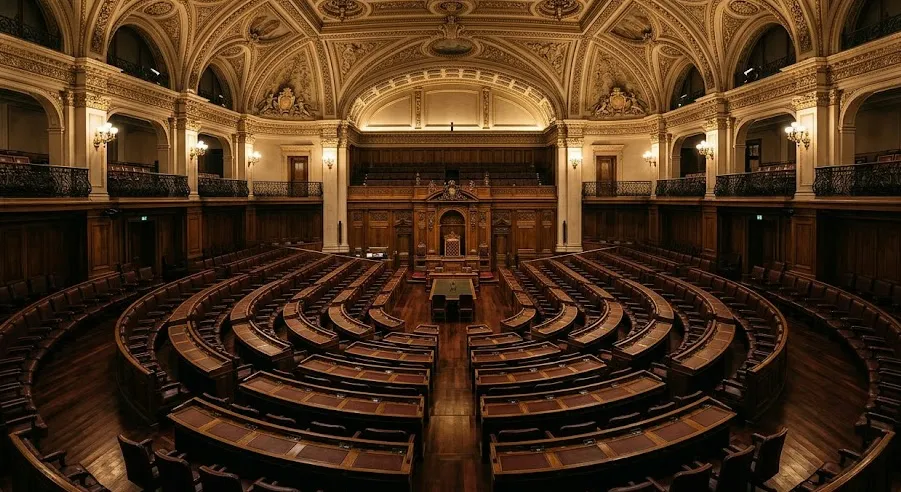
Parliament's Finance and Budget Commission today reviewed the draft law on a new state loan of 260 million euros from international financial institutions - for budget needs, capital expenditure and refinancing existing debt. Opposition SDSM officially walked out of the debate.
Party leader Venko Filipche explained the decision: "We will not be part of this brutal, daily borrowing by the country." He also announced the party will file a criminal complaint and an interpellation against parliament Speaker Afrim Gashi, accusing him of repeated breaches of parliamentary rules.
According to the technical details submitted by Deputy Finance Minister Nikolche Jankulovski, the loan will be drawn down in a single tranche, with a 7-year repayment term, a 3-year grace period and a variable interest rate - six-month Euribor plus 2.1 percent. The unanswered question is whether this financing model is the optimal one - or simply the fastest.
The more urgent picture is the public debt over the last two years. According to Filipche, it has grown from 8.5 billion euros in 2024 to roughly 11 billion euros today - 30 percent growth in two years, a figure that shows up in discussions of macroeconomic instability. The banks initially approved only 260 million (instead of the 300 million requested) at an interest rate of 4.5 percent - which Filipche reads as a sign of creditor concern about the state's rating.
The opposition claims the borrowed funds are not going to wages, social transfers or VAT refunds, but to tenders awarded to party-linked firms. A heavy claim - hard to prove without specific contracts in hand, but equally hard to refute without a transparent list of final beneficiaries.
On procedure, Filipche accuses Gashi of knowingly breaking the rules - handing the chairing of budget commission sessions to other MPs even though the commission chair, Sanja Lukarevska, was physically present. VMRO-DPMNE, through Bojan Stojanovski, dismissed the criticism, calling the opposition's walkout "expected political theatre" and a routine dodge of debate.
A Balkan audience has seen this pattern many times - government and opposition swap places, but the relationship between the parliamentary stamp and party interests never changes. The question is not whether the loan will be approved (that's practically certain), but whether any external mechanism will track where each denar ends up.
The latest 10 news from this category

Of 340 million denars, only 40 million came from private money - the rest came from the State Lottery. Prosecutors...
The State Audit Office already warned that withholding the points makes favouritism possible. The rulebook requiring them to be published...
Two senior officials announced progress, the two largest parties denied it the same day. The amendments sit blocked behind 13,500...
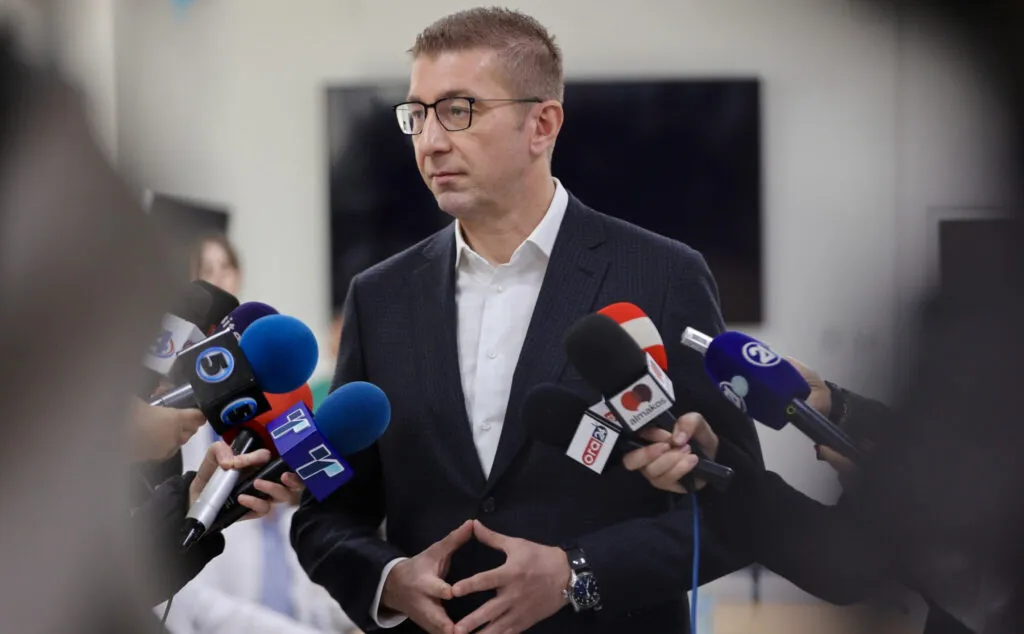
The police acted on their own knowledge, without the PM filing anything at all. The same mechanism exists for every...
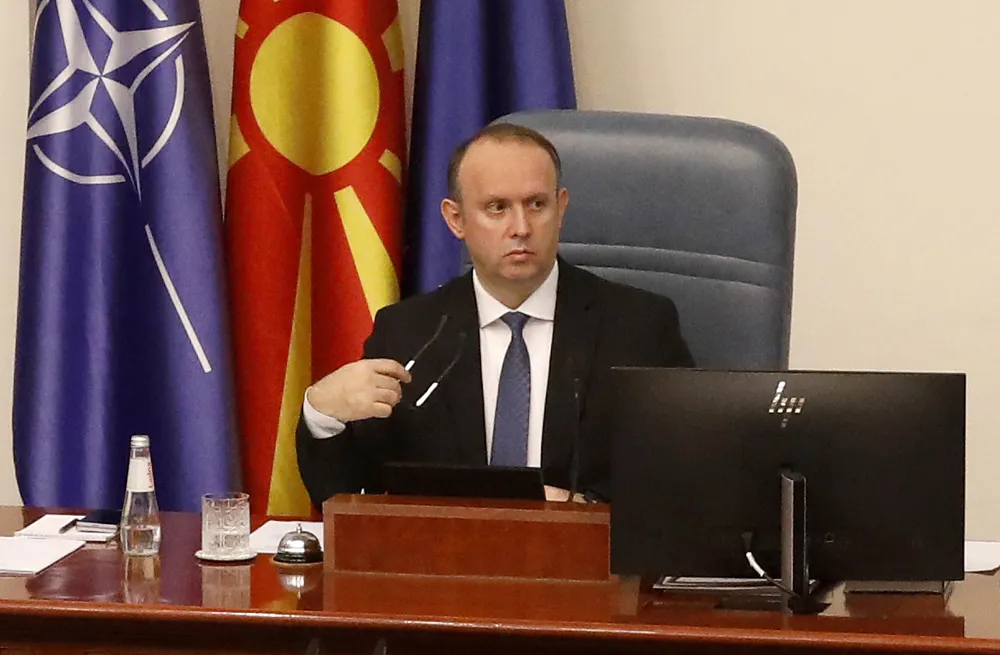
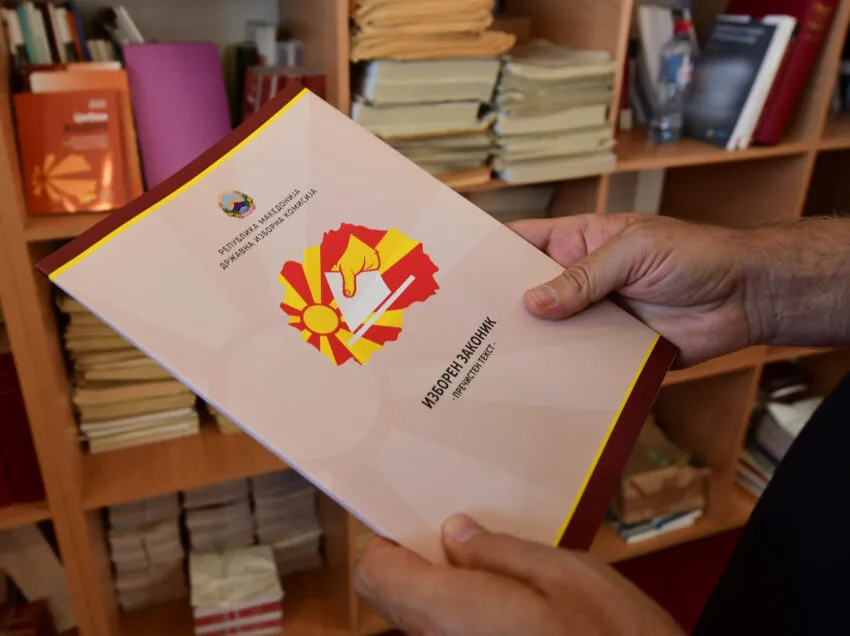
The Electoral Code is the one unfulfilled reform obligation, and the working group does not even know when it will...
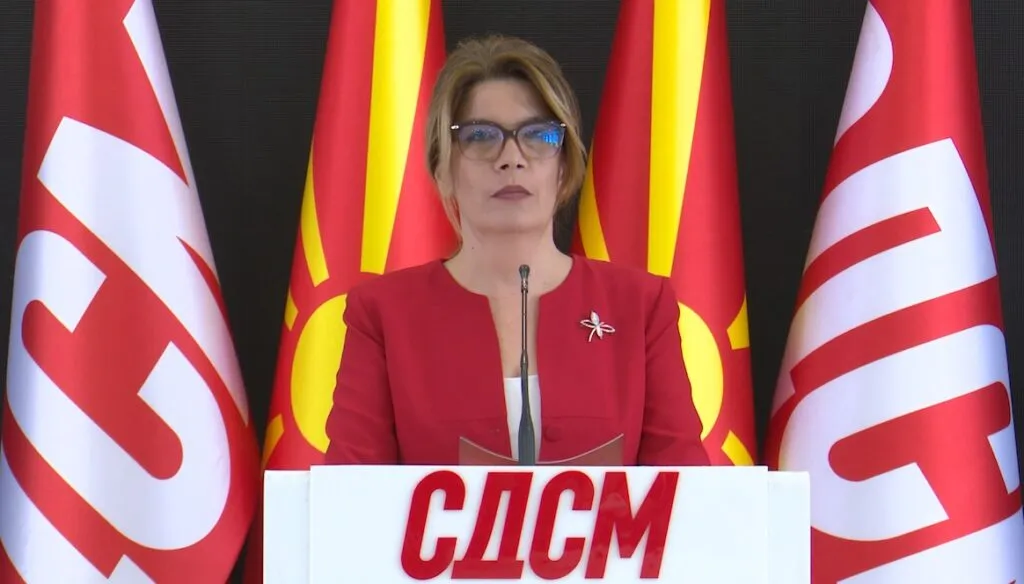
It was supposed to cost "zero denars". Now the opposition wants an investigation, and the timeline - David Guetta announced...
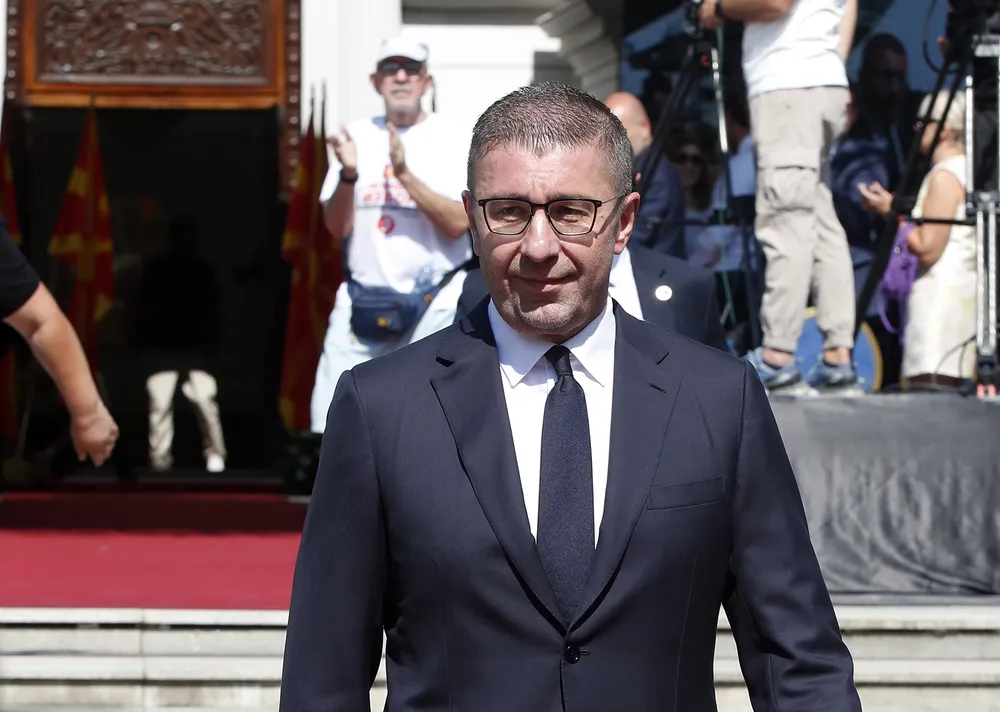
Five negations in one sentence, pension growth "16 times higher" with not a single figure beside it, and a third...
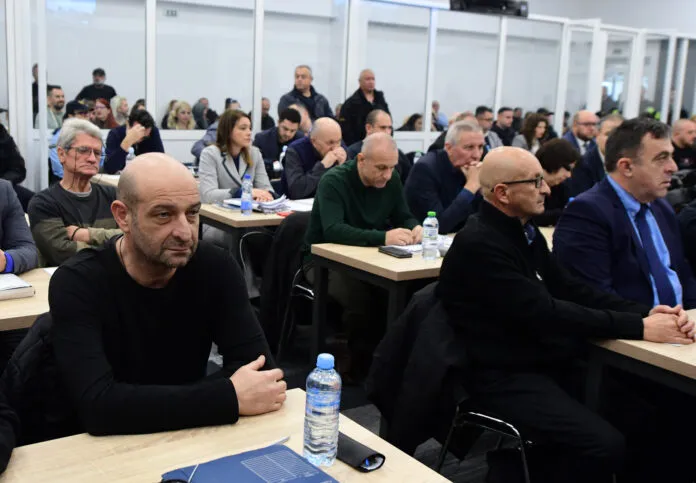
One side waits for a letter, another waits for a different commission, a third waits for consent. In those same...
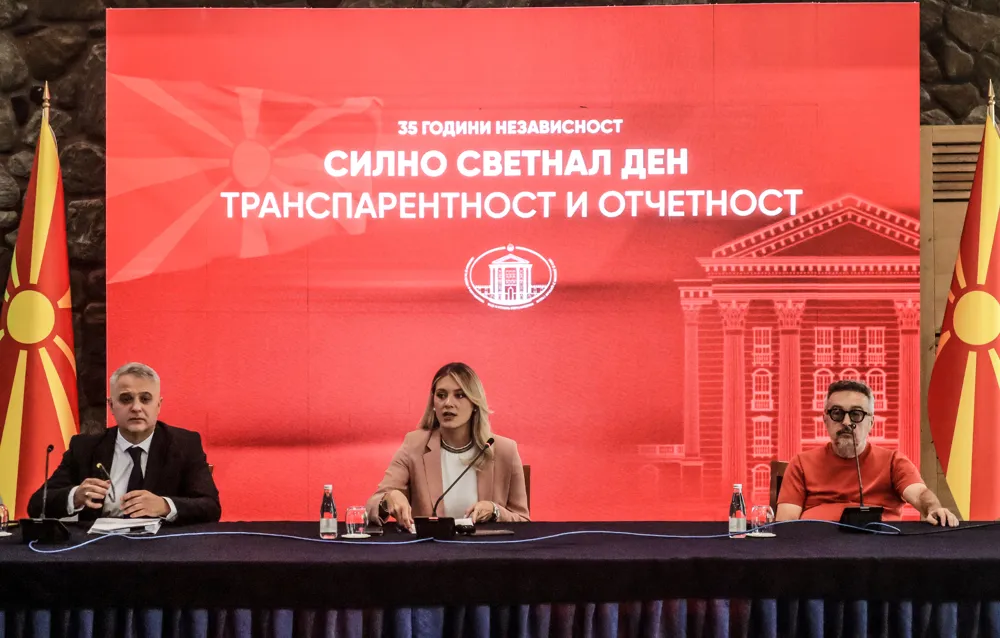
The commission's chairman says it only checked whether the documents were complete. The public call says something else entirely -...
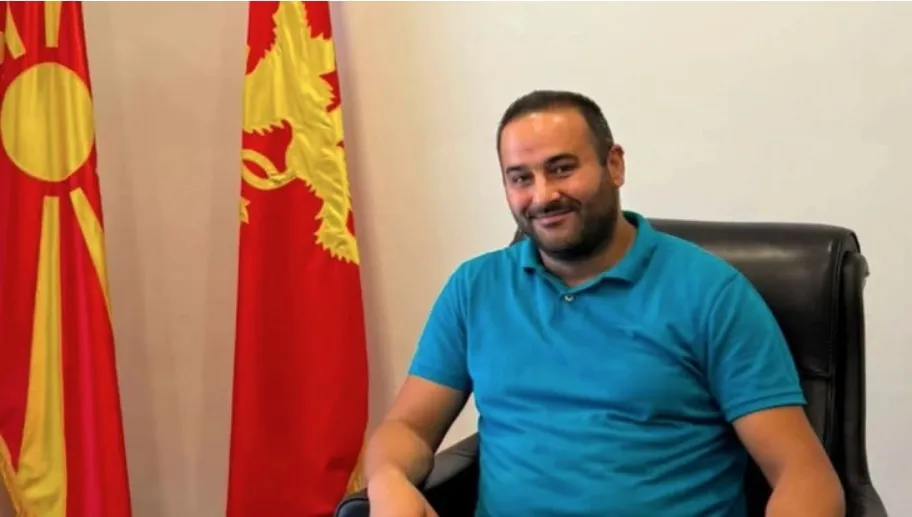
Three candidates, two of them lawyers, one of them employed by the very municipality he is running for. The line...
This site uses cookies - is that okay? Learn more
Be the first to know when Metla launches something new
Leave your email and we will write when there is a new guide or something new on Metla.