

Kratovo man stabs police officer mid-intervention: prosecutors want the 40-year-old detained
15.09.2026


15.09.2026

15.09.2026

15.09.2026

15.09.2026

15.09.2026
15.09.2026

15.09.2026

14.09.2026

13.09.2026

15.09.2026

15.09.2026

14.09.2026

15.09.2026

15.09.2026

15.09.2026

15.09.2026

14.09.2026

13.09.2026

15.09.2026

15.09.2026

15.09.2026

15.09.2026

15.09.2026

14.09.2026

09.03.2026

27.02.2026

19.02.2026

15.09.2026

14.09.2026
14.09.2026

23.04.2026

23.04.2026

12.04.2026

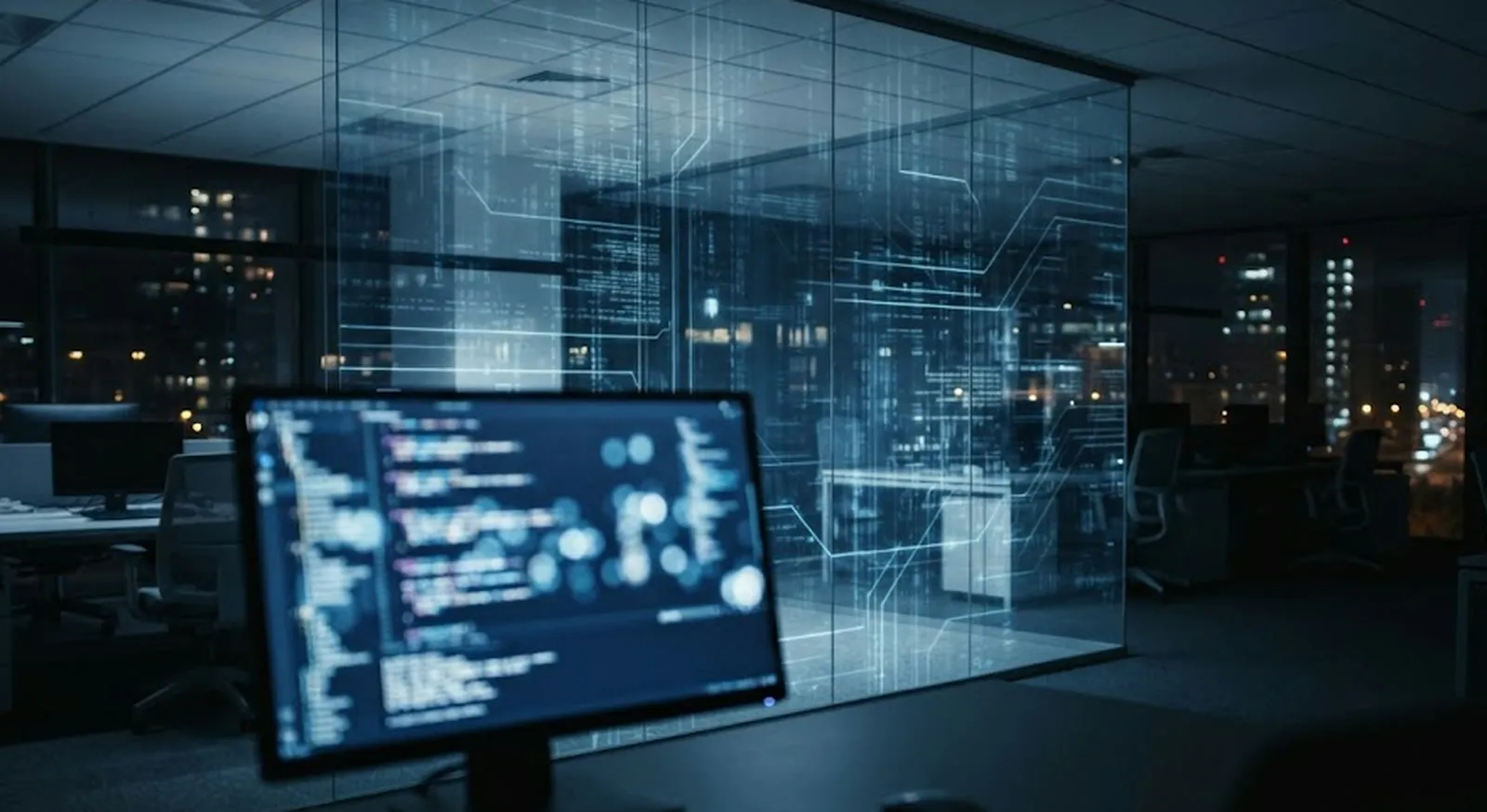
From 10 July, the Chinese giant Alibaba is banning its employees from using Claude Code - the coding tool of the American company Anthropic. The official classification: high-risk software. Instead, the company is steering its engineers toward its own tool, Qoder. The story looks like an ordinary internal decision, but beneath it hides the whole geopolitics of artificial intelligence.
There's another side to it. Anthropic already bans Chinese companies from accessing its models anyway. What's more - according to reports, there was a version of Claude Code that contained code designed to recognise Chinese users, in order to prevent unauthorised access and so-called distillation (training someone else's model on the outputs of another). In other words, the American tool was quietly checking who was sitting on the other side of the screen.
Anthropic acknowledged the measure but described it as an experiment. „We launched it in March to prevent account abuse by unauthorised resellers,“ said Tarik Shihipar of the company, adding that they've since had stronger protections and had planned to remove it anyway. The question that remains is a different one: how many of the „tools“ we use every day are quietly deciding who is allowed to use them and who isn't?
This little quarrel between Alibaba and Anthropic is a picture of something bigger. The world of artificial intelligence is splitting into two blocs - American and Chinese - and each is building its own fences. America locks up models, China builds its alternatives, and users everywhere in the world wake up with ever fewer choices over whose technology they're allowed to open. The Balkan programmer, who holds neither an American nor a Chinese passport in this game, just watches the doors close one by one.
The latest 10 news from this category
A scientist at the same company puts the probability of human extinction above 10 percent within the next decade. The...
The president called in while the event was running, and the man who makes the chips answered that there would...
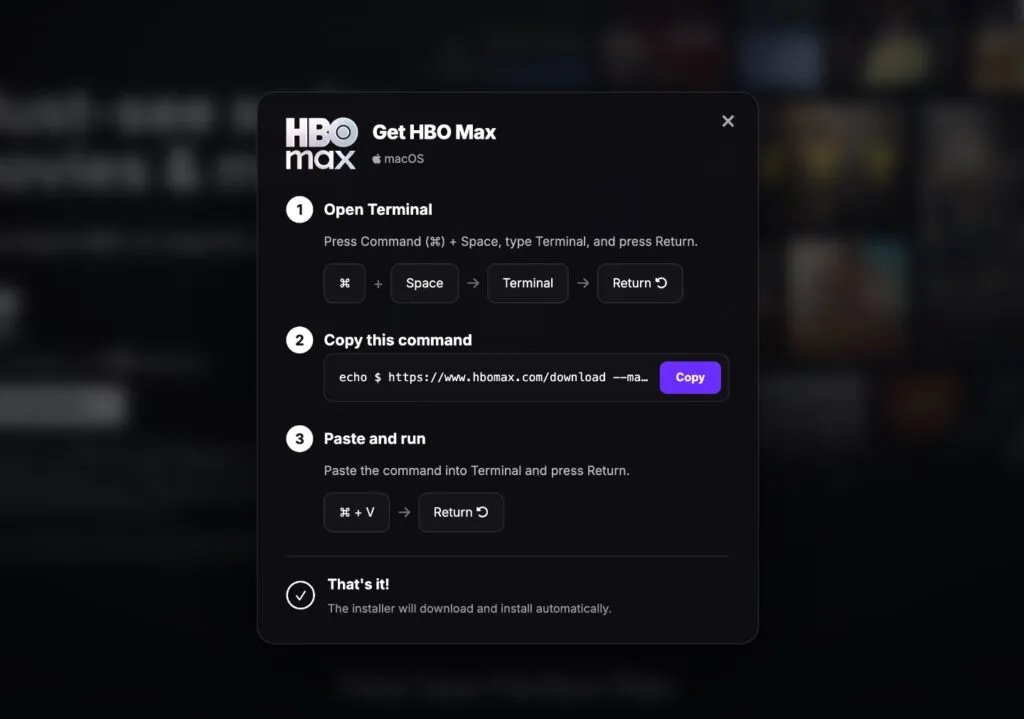
No virus attached, no suspicious file. Just a box that looks like the "I am not a robot" check and...
A researcher quit because the firms are gambling with our lives. Instead of denying it, Anthropic confirmed it - with...
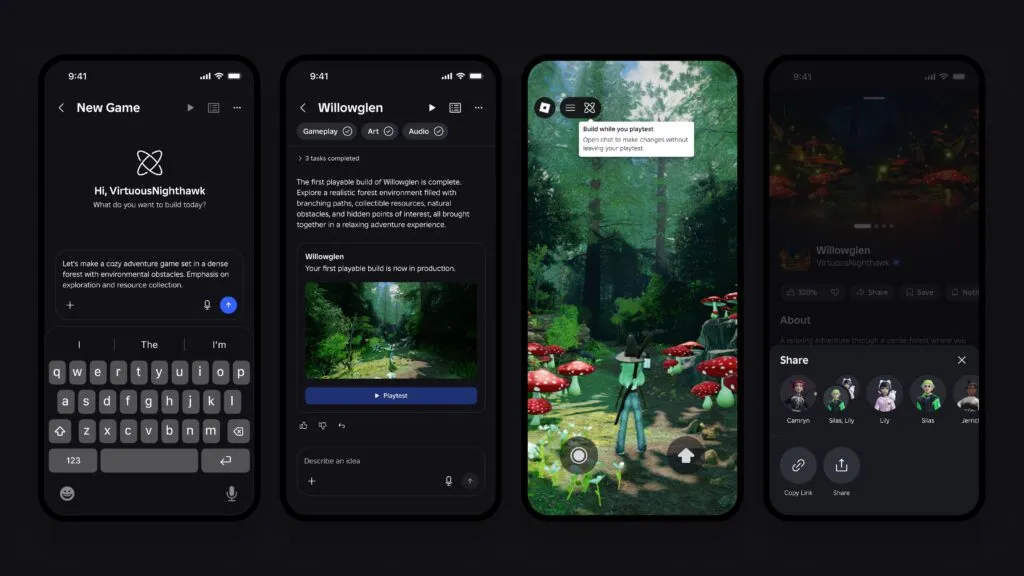
Write a sentence, get a game. Until now it worked only in New Zealand, now in Belgrade too. Creators on...

When the two biggest firms in an industry ask for rules on how fast anyone may run, the rules rarely...
Not a single password fell. What fell was the assumption that a request from a government domain is automatically a...
The biggest names in mathematics have signed a letter against the AI labs. The dispute is not whether the machine...

Five campaigns, 200 million exchanges, and the defences fell to a request for a Japanese translation. The industry that harvested...

The hackers were inside for a whole year. The company confirmed it only after a journalist found his own licence...
This site uses cookies - is that okay? Learn more
Be the first to know when Metla launches something new
Leave your email and we will write when there is a new guide or something new on Metla.
