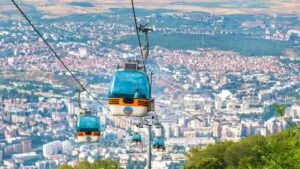
Three of Four Sensors Were Dead: Skopje's Vodno Cable Car Ran Fifteen Years Without a Real Service
17.09.2026


17.09.2026

17.09.2026

17.09.2026
17.09.2026
17.09.2026
17.09.2026
17.09.2026
16.09.2026
15.09.2026
17.09.2026

17.09.2026
16.09.2026
17.09.2026

17.09.2026

17.09.2026
17.09.2026
16.09.2026
15.09.2026

17.09.2026

17.09.2026

17.09.2026

17.09.2026

17.09.2026

17.09.2026

09.03.2026

27.02.2026

19.02.2026

23.04.2026

23.04.2026

12.04.2026

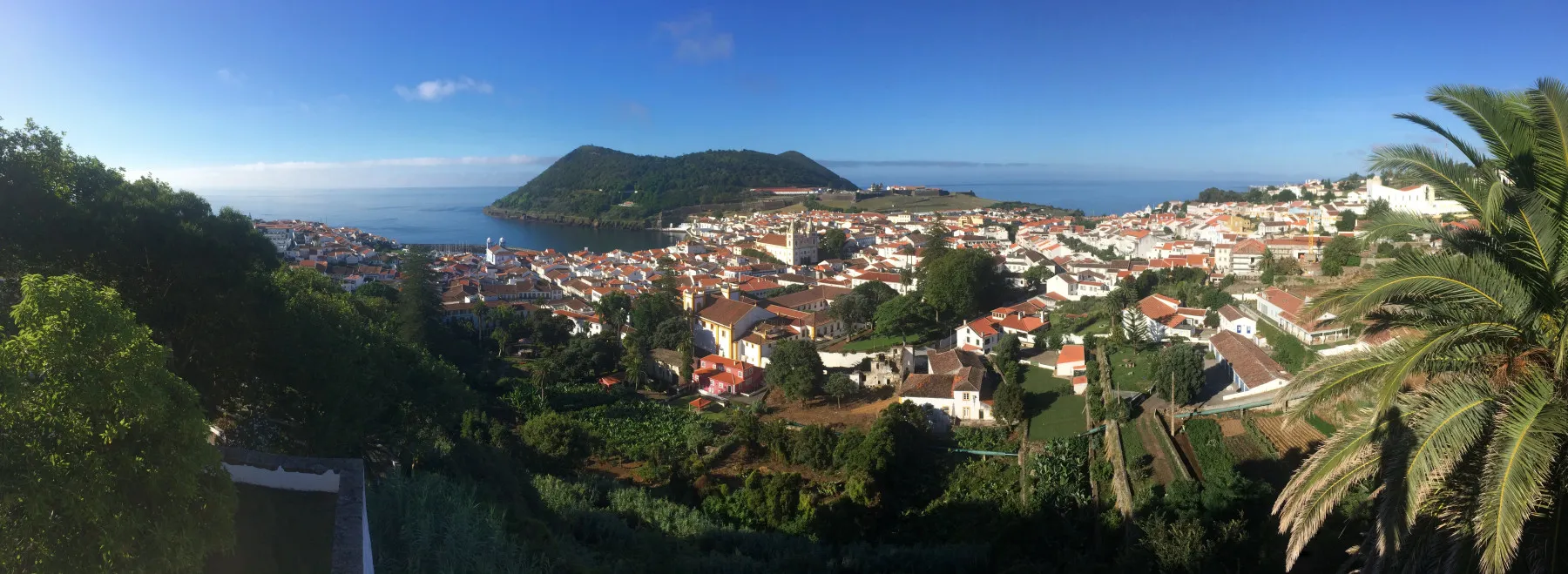
In the middle of the Atlantic, closer to nothing than to any continent, stands a town UNESCO added to the world heritage list back in 1983 - the first in all of Portugal. It is called Angra do Heroísmo and it is the capital of Terceira island, part of the Azores.
The story of why a place in the middle of the ocean earns the title „very noble, loyal and ever constant” is a story about geography. In the fifteenth century, ships sailing between Europe and America had to stop somewhere. Angra was that stop. A harbour for galleons turned into a trading hub, and the trading hub into a town of palaces, convents and churches that still stand today.
The historic centre is basalt underfoot and pastel facades above, framed in white and black. Dominating it all is the São João Baptista fortress, built in 1592 under Spanish rule - to defend against English privateers. Fort São Sebastião, which once defended the town, is a hotel today. The Palace of the Captains-General has a century-old dragon tree casting shade over the courtyard, and the Bettencourt Palace is now a public library.
The Santo Salvador cathedral is recognisable by its pink banding and by something more significant - it survived the 1980 earthquake. Anyone living on a volcanic island knows that sentence, and knows how much it weighs.
The Renaissance-era Praça Velha is still the centre of daily life, and behind the town hall spreads the Duque da Terceira garden. The town museum sits in a seventeenth-century Franciscan convent - porcelain, navigational instruments, military history in one space.
If you want to see the town as a whole, you climb Alto da Memória. If you want more, you go to Monte Brasil - a volcanic peninsula with protected endemic vegetation, where whales and dolphins are regularly visible from the viewpoint. Not as a ticketed attraction, but as something passing beneath you while you stand there.
Practicalities: Lajes airport is 22 kilometres away, with flights from Lisbon and Porto. Winter is around 13 degrees, summer around 23 - there is no season in which it is unbearable. You eat alcatra, beef slow-roasted for hours, and for dessert queijadas da Dona Amélia, nineteenth-century pastries made with cane honey.
Is this for everyone? No. That is the point. A place that mattered for centuries only because it was on the way to somewhere else matters today precisely because nobody passes through it by accident.
The latest 10 news from this category

Of twenty-five new inscriptions, five are natural - and only one is in Europe. For the richest of them, the...
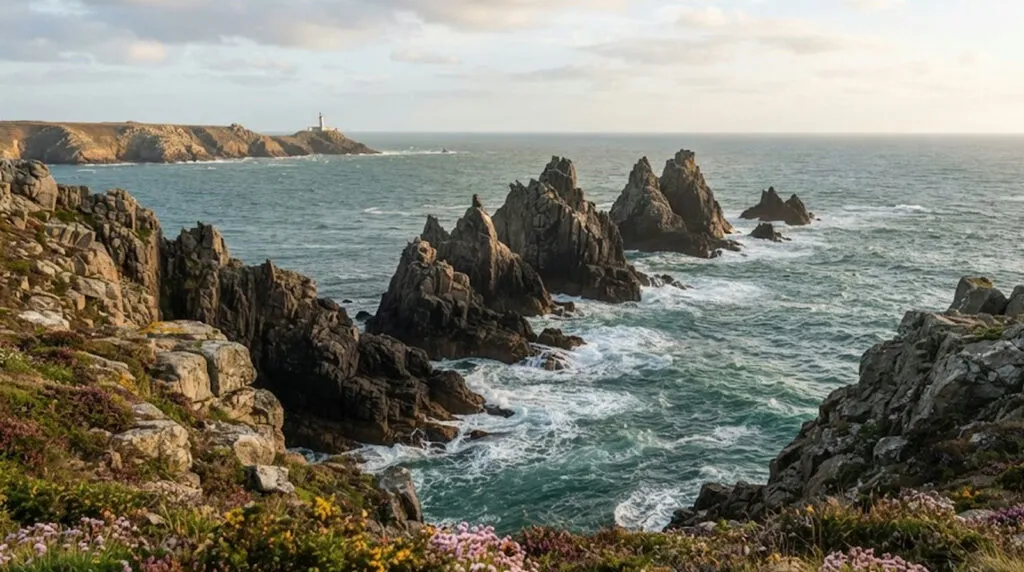
Fifty beaches, more than 120 villages and a trail France voted its favourite. Monet came for a few days and...
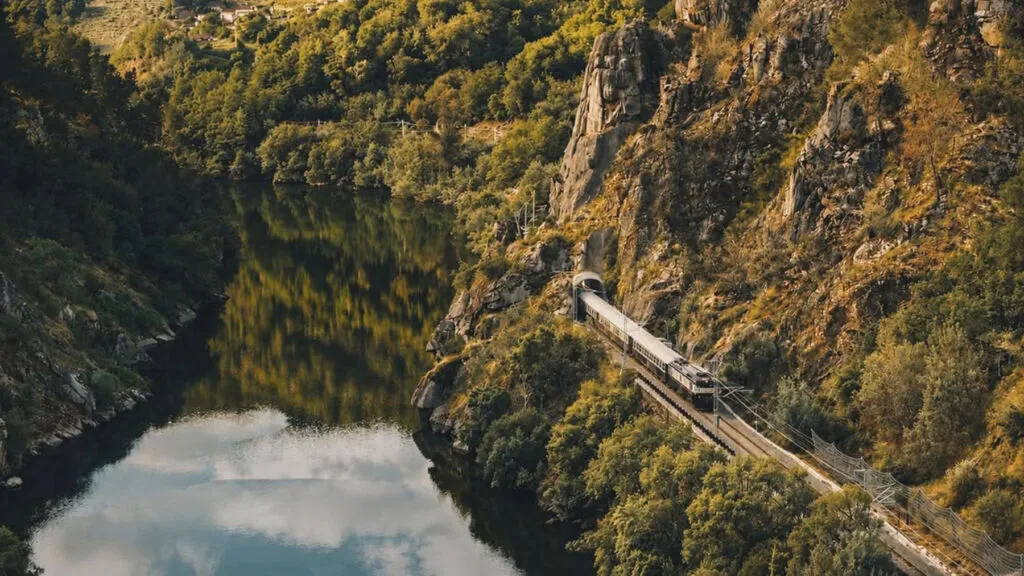
Restored carriages, a locomotive they call the Japanese Woman and a 28.95 euro return ticket. What it sells is not...
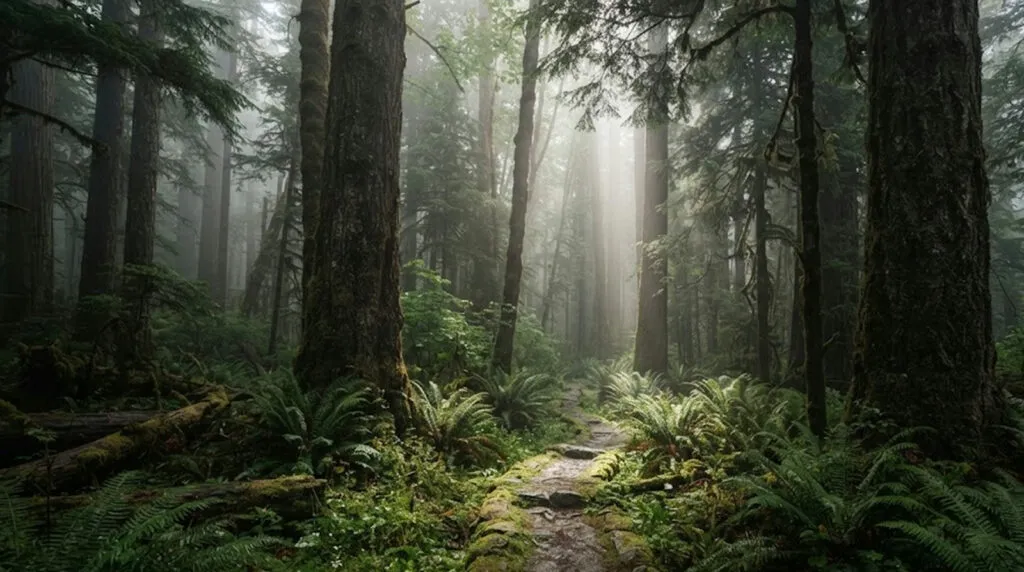
Two hundred and fifty tree species from every corner of the world, a monastery from 1628 and a palace that...
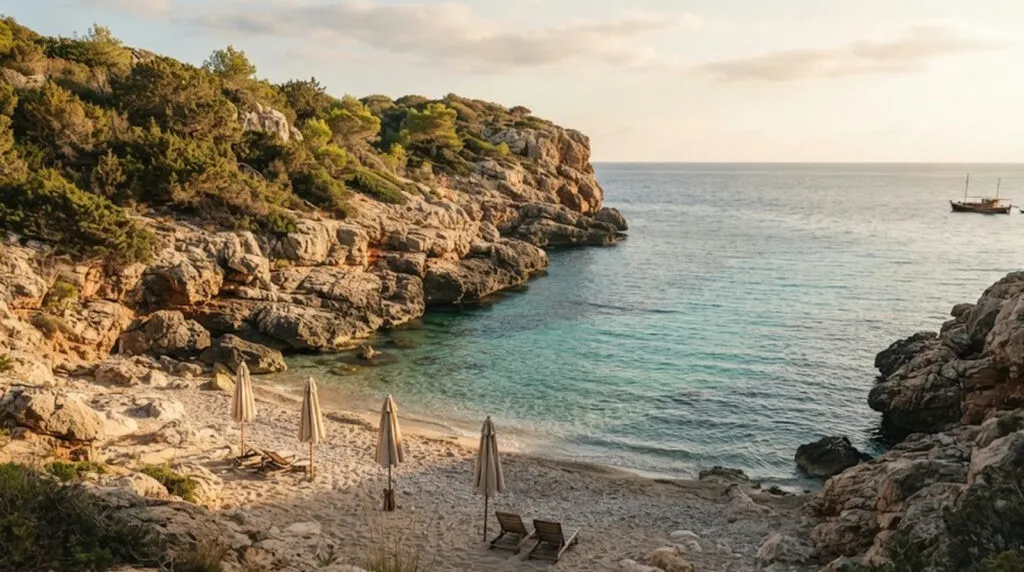
The same places cost more in August, look crowded and are experienced at half strength. The difference is made by...
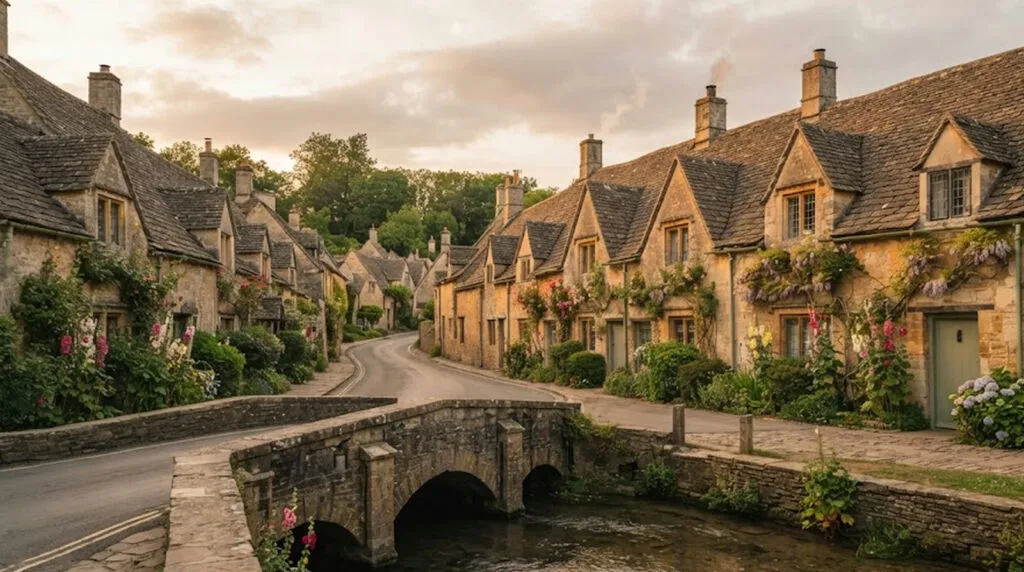
The Beckhams have a place there, so do Kate Moss and Ellen DeGeneres. But the Cotswolds needs none of those...

Down on the coast the buses pass each other with centimetres to spare and all you see is people. Up...
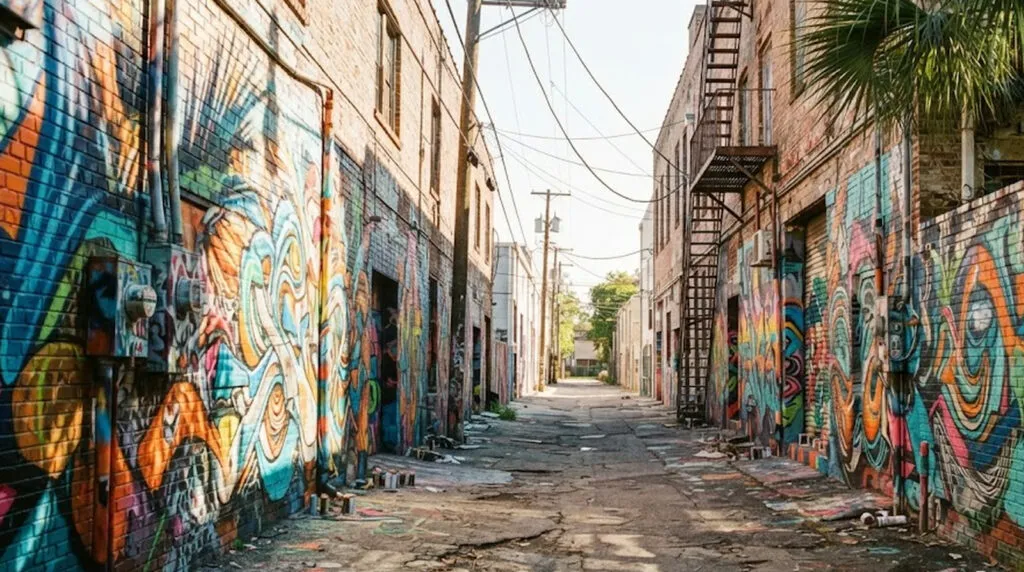
Empty warehouses, low rents and one real estate developer. A model we know without flying to Florida.
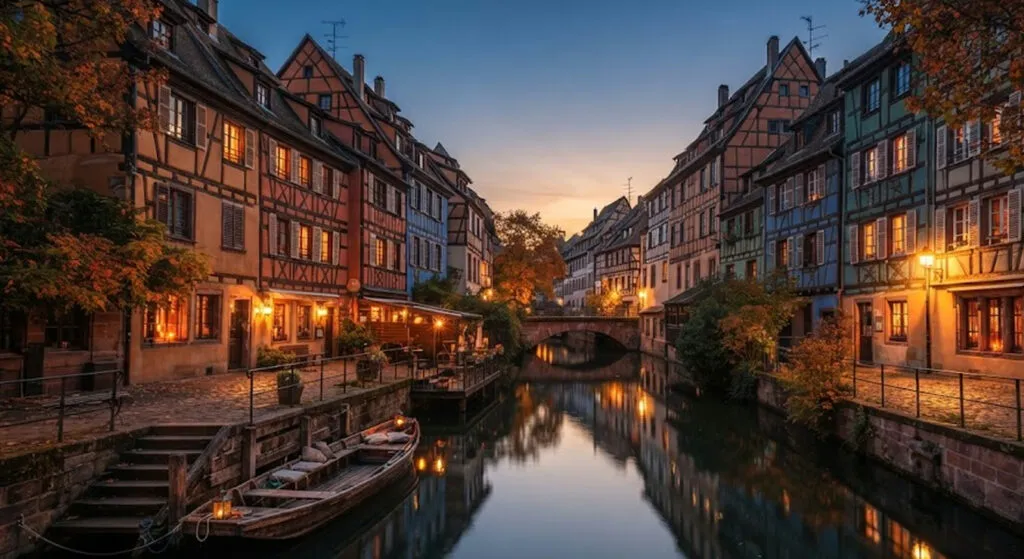
Old tanners' and dyers' workshops, built directly over the river. From 10 to 13 September the town puts boats and...
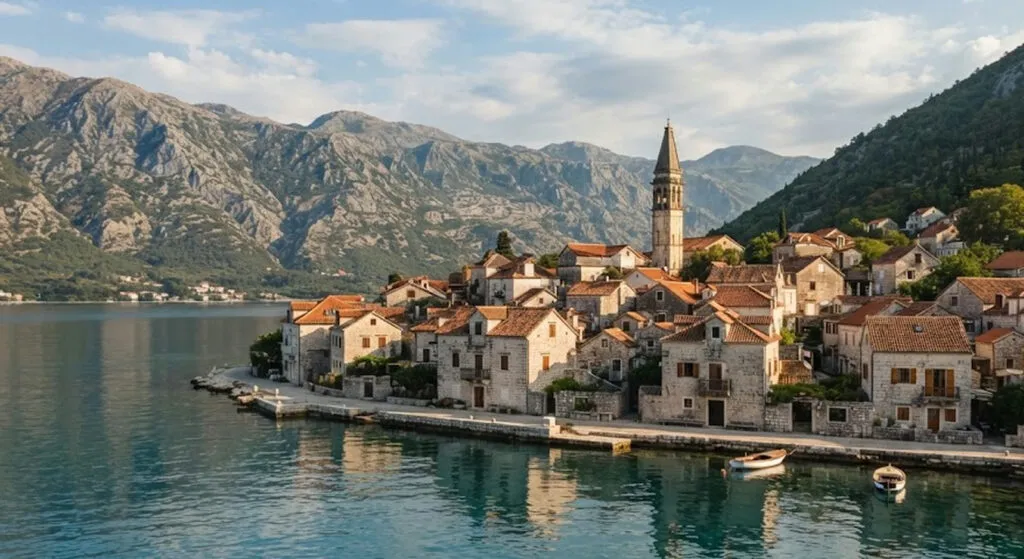
The Albanian Riviera, Montenegro, Sardinia, Lyon and the Algarve. The same weather as August, fewer people, and a bill that...
This site uses cookies - is that okay? Learn more
Be the first to know when Metla launches something new
Leave your email and we will write when there is a new guide or something new on Metla.