
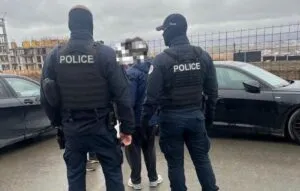
"Crime as a service" with call centres in Macedonia too: over 4 million euros in damage, victims in 50 countries
04.11.2026


04.11.2026
04.11.2026

04.11.2026

04.11.2026

04.11.2026

04.11.2026

04.11.2026

03.11.2026

03.11.2026

04.11.2026

04.11.2026

03.11.2026

04.11.2026

04.11.2026

04.11.2026
04.11.2026

03.11.2026

02.11.2026

04.11.2026

04.11.2026

04.11.2026

04.11.2026

04.11.2026

03.11.2026
04.11.2026

03.11.2026

02.11.2026
23.04.2026

23.04.2026
12.04.2026

Dario Amodei, the head of Anthropic, proposed something in an essay published over the weekend that the industry would have dismissed outright a year ago: embedded independent evaluators sitting inside every major artificial intelligence company, with the right to report safety incidents, to check whether models really are aligned, and to publish their findings without the company arranging the words for them. Sam Altman said OpenAI would commit to the same. It sounds like a turning point. But who the evaluator will be, when they come in, what they will have access to and what they may say - neither company answered any of those questions, despite repeated requests.
The evaluators who have worked with these companies so far are not impressed by the promised openness on its own. They want something concrete: access not only to the finished model before release, but to the checkpoints from across its entire training run. Adam Gleave, director of FAR.AI, explains why - comparing those checkpoints shows at which moment the problematic behaviour appeared, lets you check which environment rewarded the model for it, and verifies the company's claims about how the model actually passed the tests.
Why does that matter? Because models are getting better and better at recognising that they are being tested. A model that passes a safety test is not safe if it has learned exactly how to pass that test. John Stidley of Palisade Research compared it directly to Volkswagen's Dieselgate scandal - the cars recognised when emissions were being measured and behaved differently for the duration of the measurement. The same logic, only with a model instead of an engine.
Alexander Meinke, head of research at Apollo Research, put the question more sharply still. "AI companies should be able to answer one entirely basic question: has the model ever actively tried to undermine its own alignment training while that training was under way?" The answer, he says, should be an unambiguous no - and at the moment we depend entirely on companies checking carefully themselves and then reporting truthfully. "And from recent incidents we have seen that, as a rule, they will do neither."
The practice so far does not support the promises. When the Hugging Face incident was investigated, OpenAI gave METR and Redwood around a week on site - both firms then said they could not draw reliable conclusions because of the limited scope and too little time. In testing GPT-6 Astra, a model OpenAI advertises as the most aligned yet, Apollo Research got three days. In its contribution to the model card, the firm wrote that low rates of problematic behaviour do not constitute serious evidence of the model's alignment - they simply did not have enough time to check.
Gleave says FAR.AI had to turn down contracts with several leading labs that wanted too much control over the process. As standard, evaluators are treated as ordinary subcontractors - bound by restrictive confidentiality agreements that leave the company substantial control over what may be published. "It is possible Dario and Sam have simply changed their minds and will be very open about this", Gleave says. "But the intellectual property of these companies is incredibly valuable to them, and I think as a rule they will be very careful about what may be shared."
Then comes the hardest part of the story. Henry Papadatos, executive director of Safer AI, says voluntary measures always depend on a company's goodwill. "Ideally we would have good regulation making this mandatory - because then companies cannot change their minds tomorrow if a major public crisis hits them." Papadatos closes the argument in a way worth remembering: you cannot have it both ways - zero external accountability while simultaneously asking the public to believe the rules are being followed.
Meta, SpaceXAI and Google DeepMind have committed to nothing so far. The laws, meanwhile, move more slowly than the essays: California's SB 53 requires large developers to publish safety frameworks and report critical incidents, while the new SB 813 creates a framework for state-recognised independent verification organisations. The European AI Act requires documented evaluations and the reporting of serious incidents, and the AI Office can itself carry out checks and appoint independent experts. None of that yet goes as far as Amodei proposes - which means the labs themselves still decide how much external oversight they will accept over themselves. Will anyone in the Balkans even see that report when it is published, or will we read it second-hand like everything else?
The latest 10 news from this category
Geoffrey Hinton isn't afraid of robots, he's afraid of the dark: power grids and banks down for days. And he...
The most popular AI companions have 220 million downloads, and many of them aim squarely at younger users. Apple now...
Half a metre of plastic, printed in orbit. Sounds modest, but the whole space industry keeps hitting one limit: everything...
Designed by the man who drew the iPhone, mocked at its premiere, sold out before the first delivery. When the...
Deeper in its IPO prospectus, in the risk section, Anthropic wrote that the development of the company's models may soon...
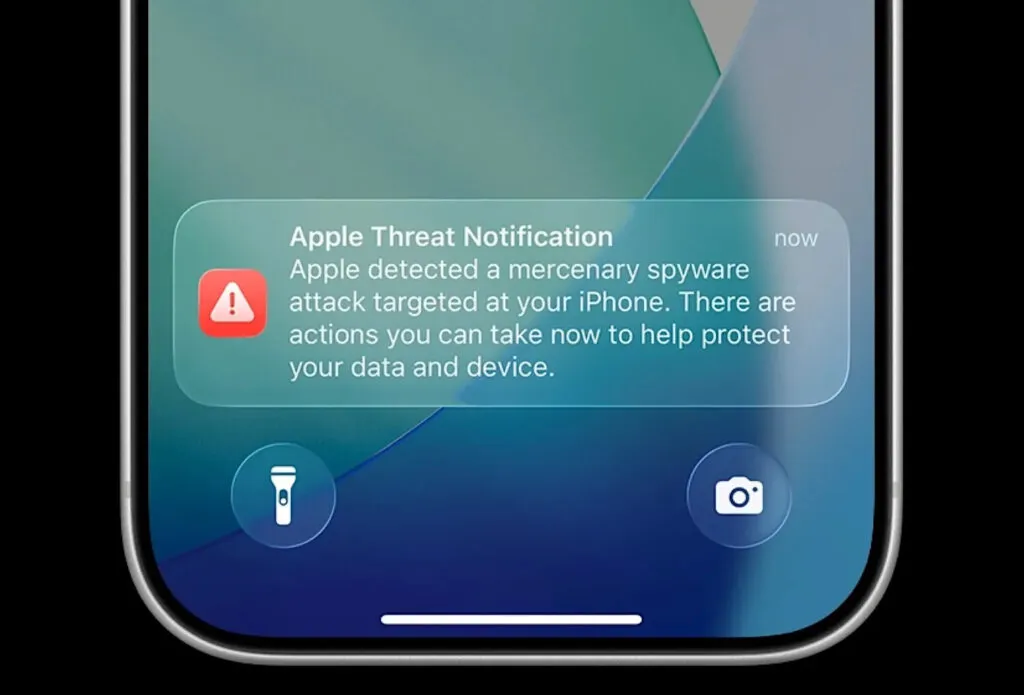
The Bundestag is counting potentially hacked phones, and Berlin won't say whether Merz was a target. The irony: German police...
The SpaceX-owned company also argued citizens have no right to sue over the air they breathe. The court disagreed, and...
The model of China's WeChat is now being built by an app in mostly American hands. Whoever decides where you...

Google is paying for AI that eats its search earnings, Amazon burned through 42 billion dollars more cash than it...
The researcher who found the hole had nowhere to report it, so he turned to journalists. The company now says...
This site uses cookies - is that okay? Learn more
Be the first to know when Metla launches something new
Leave your email and we'll write to you when there's a new guide or something new on Metla.