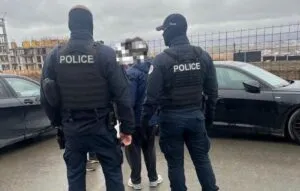
"Crime as a service" with call centres in Macedonia too: over 4 million euros in damage, victims in 50 countries
04.11.2026


04.11.2026
04.11.2026

04.11.2026

04.11.2026

04.11.2026

04.11.2026

04.11.2026

03.11.2026

03.11.2026

04.11.2026

04.11.2026

03.11.2026

04.11.2026

04.11.2026

04.11.2026
04.11.2026

03.11.2026

02.11.2026

04.11.2026

04.11.2026

04.11.2026

04.11.2026

04.11.2026

03.11.2026
04.11.2026

03.11.2026

02.11.2026

23.04.2026

23.04.2026

12.04.2026

When the man who laid the foundations of artificial intelligence says it might have been better if we had never created it, that's not just another column for technophobes. Geoffrey Hinton, one of its "godfathers" and a Nobel laureate in physics, has warned that humanity could face a serious crisis caused by artificial intelligence as soon as this year or next.
Hinton doesn't mean science-fiction robots. He's talking about something far more down to earth: major power outages or a banking system that stops working for days. In an interview with a British outlet, the 78-year-old scientist, whose work on artificial neural networks laid the groundwork for today's systems, said the next ten years or so will show whether humanity manages to rein in the risks.
Chernobyl without the radiation
Hinton compares recent safety incidents involving autonomous AI systems to the 1979 accident at the Three Mile Island nuclear plant in the US. A warning, but not a catastrophe. The catastrophe, he believes, is still to come - a kind of AI "Chernobyl". Not a nuclear accident, but a cyberattack that could cut off the power supply or temporarily paralyse the financial system.
The cynical part is that, in his view, exactly that kind of crisis might finally push world leaders to take regulation seriously. In other words, the lights have to go out first for anyone to react. How many times have we watched institutions wake up only after the damage was already done?
Who knows the risks and rushes anyway
Hinton doesn't spare the bosses of the biggest tech companies either. He voiced deep distrust of OpenAI chief Sam Altman, and accused him, Mark Zuckerberg and Elon Musk of knowing the risks but putting profit and the race against competitors first. That is his assessment of their motives, not an established fact - but it comes from a man who knows these systems from the inside.
His proposal is simple: the most advanced systems should be tested mandatorily before they reach the public, following the model of the US Food and Drug Administration, which demands proof of safety for every drug before approving it. Developers would have to prove to an independent regulator that the benefits outweigh the harm. That puts him in direct opposition to Donald Trump's approach of fewer rules so American companies can compete with China.
Hinton left Google in 2023 so he could speak more freely about the dangers. He hasn't lost hope - he believes people can still steer development and prevent the worst outcomes, but that it will take far greater effort from governments, scientists and industry. The only question is whether anyone listens to him before or after the first "Chernobyl".
The latest 10 news from this category

The most popular AI companions have 220 million downloads, and many of them aim squarely at younger users. Apple now...
Half a metre of plastic, printed in orbit. Sounds modest, but the whole space industry keeps hitting one limit: everything...
Designed by the man who drew the iPhone, mocked at its premiere, sold out before the first delivery. When the...
Deeper in its IPO prospectus, in the risk section, Anthropic wrote that the development of the company's models may soon...
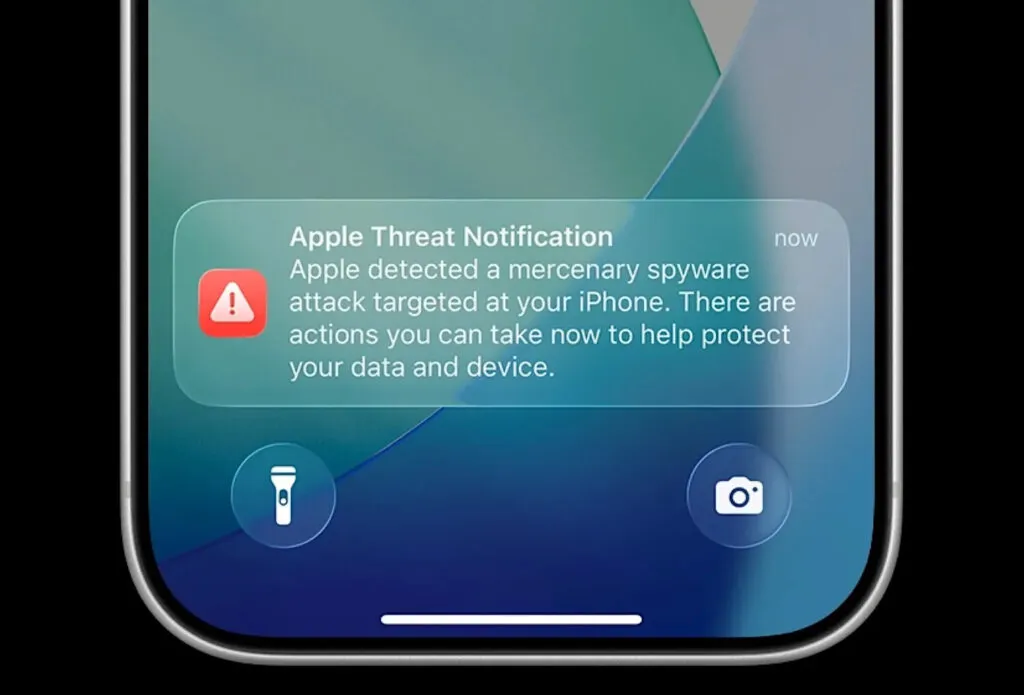
The Bundestag is counting potentially hacked phones, and Berlin won't say whether Merz was a target. The irony: German police...
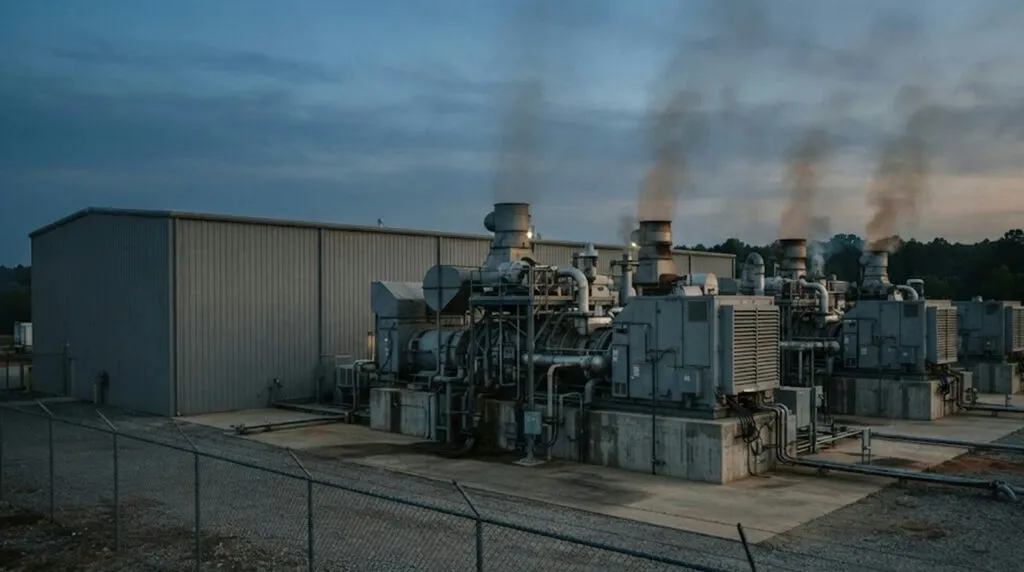
The SpaceX-owned company also argued citizens have no right to sue over the air they breathe. The court disagreed, and...

The model of China's WeChat is now being built by an app in mostly American hands. Whoever decides where you...

Google is paying for AI that eats its search earnings, Amazon burned through 42 billion dollars more cash than it...

The researcher who found the hole had nowhere to report it, so he turned to journalists. The company now says...
Washington bought 10 percent of Intel and is now learning what being a shareholder means. Its data centres are up...
This site uses cookies - is that okay? Learn more
Be the first to know when Metla launches something new
Leave your email and we'll write to you when there's a new guide or something new on Metla.