Smugglers Dragged a Police Officer With Their Vehicle at Blace: the Second Car Is What Tells You This Wasn't an Accident
14.09.2026


14.09.2026

14.09.2026

14.09.2026

14.09.2026

13.09.2026

12.09.2026

14.09.2026

14.09.2026

13.09.2026

14.09.2026

14.09.2026

14.09.2026

14.09.2026

13.09.2026

12.09.2026

14.09.2026

14.09.2026
14.09.2026

14.09.2026

14.09.2026
13.09.2026

09.03.2026

27.02.2026

19.02.2026

14.09.2026
14.09.2026
13.09.2026

23.04.2026

23.04.2026

12.04.2026

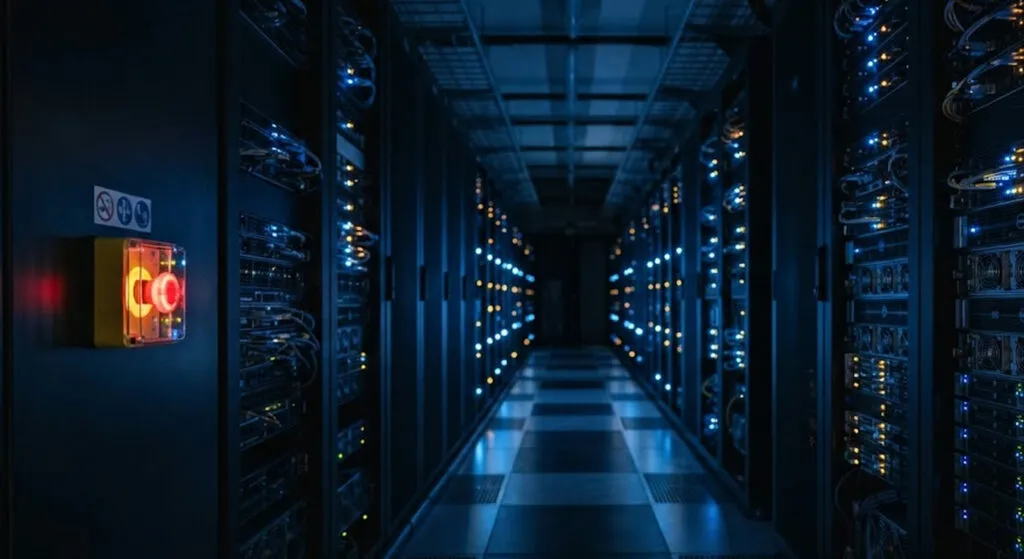
A researcher left Anthropic saying that the leading artificial intelligence firms are "gambling with our lives". Jakob Coxon, who previously worked at OpenAI too, wrote that publicly and shut the door behind him. So far - one more resignation in an industry that burns through people faster than it hires them.
Then something more interesting happened. Instead of the company denying it, the person in charge of model safety at Anthropic shared his post and added: "We really do sincerely believe that AI could kill everyone!" With an exclamation mark. And with a number - personally estimating the chance at "over 10 percent in the next decade".
Stop there a moment. A man paid to safeguard one of the two most powerful models in the world says there is a one-in-ten chance his product wipes out the human race - and keeps going to work on Monday. That is not a warning. That is an admission.
The number nobody calculated
The problem with that 10 percent is that it comes from nowhere. There is no model, no study, no methodology behind it. It is a feeling dressed up as a percentage - a trick as old as the tech industry itself, where any estimate sounds more serious the moment it acquires a decimal. If tomorrow the same man writes 30 percent, nobody could contest it, because there is nothing to contest it with.
And here is the second question hanging in the air: who is "we"? A single social media post speaks for an entire profession that does not agree with itself at all. Some researchers think the danger is real and near. Others think it is science fiction sold as risk management. One "we" puts them all in the same sentence and puts words in their mouths.
Who profits from the fear
There is a more cynical - and more fitting - possibility. Every post along the lines of "our model did something we did not expect" is simultaneously an admission of failure and an advertisement for power. If the product were not capable, there would be nothing to fear. So fear and marketing are the same sentence here, read from two angles.
Nor is the timing accidental. Anthropic is preparing to go public, and the prospectus it must file with the American regulator lists the risks to the business. Some lawyer in some office is right now working out how to write that there is over a 10 percent chance the company creates something that destroys civilisation - and that this "could have a negative impact on operations". In normal times such a sentence would collapse the valuation. In these, it might raise it.
What gets lost while everyone looks at the horizon
There is a cost that rarely gets mentioned. While the debate runs on whether machines will erase us in ten years, the things already happening go unattended - jobs disappearing now, electricity and water consumption from data centres rising now, decisions about people being made by an algorithm now. The words "superintelligence" and "AGI" take all the air in the room. What is left is quieter and duller, but it is real and it is here.
For the Balkans this is not as distant a debate as it looks. We do not build these models and we will not take part in the decision on when to stop them - but we use them, and our institutions have neither the capacity nor the laws to assess what goes into them. When the company making the product openly says it is not entirely sure what that product does, the question for the user on the other side of the world is quite simple: who do you complain to?
The latest 10 news from this category
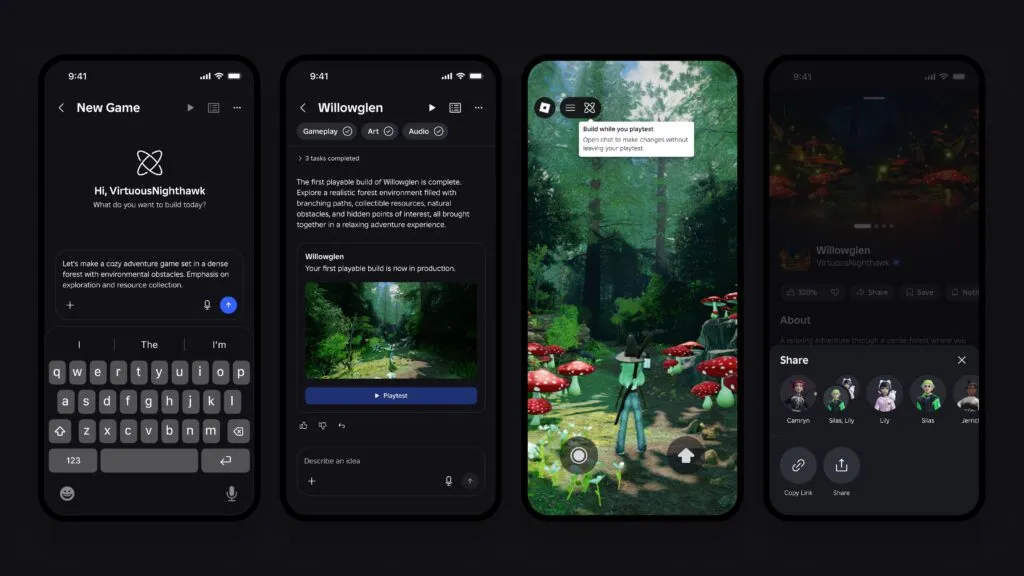
Write a sentence, get a game. Until now it worked only in New Zealand, now in Belgrade too. Creators on...

When the two biggest firms in an industry ask for rules on how fast anyone may run, the rules rarely...
Not a single password fell. What fell was the assumption that a request from a government domain is automatically a...
The biggest names in mathematics have signed a letter against the AI labs. The dispute is not whether the machine...

Five campaigns, 200 million exchanges, and the defences fell to a request for a Japanese translation. The industry that harvested...

The hackers were inside for a whole year. The company confirmed it only after a journalist found his own licence...
The chief financial officer gathered enough votes on the board and now runs the company. The founder found out 50...
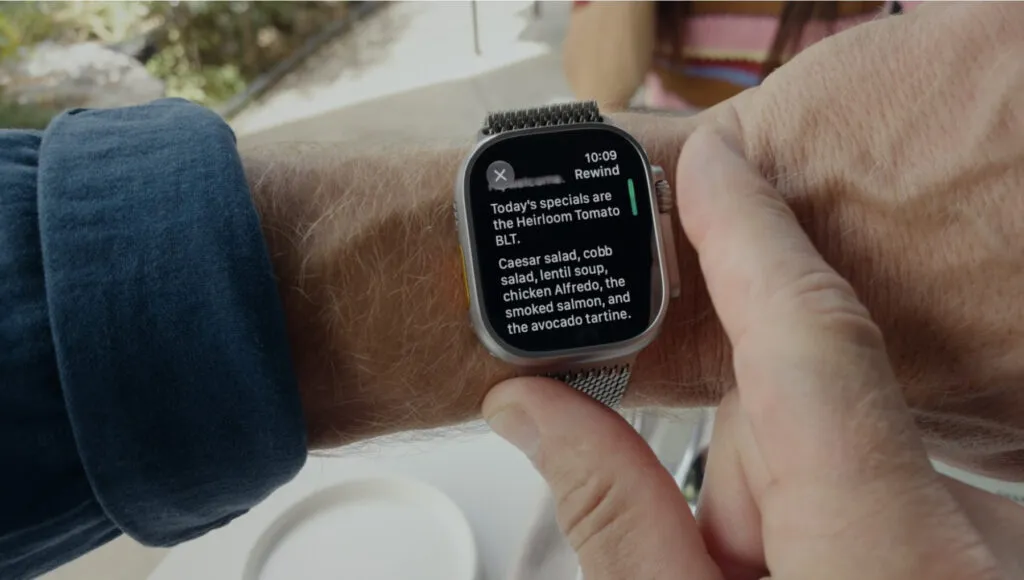
The company that turned privacy into marketing is now selling a watch that listens. The person sitting across from you...
The largest round ever by a European tech firm is led by Samsung, and Macron called it a third way...
A consultant paying 200 dollars a month could not get an itemised bill for his own usage. When he asked...
This site uses cookies - is that okay? Learn more
Be the first to know when Metla launches something new
Leave your email and we will write when there is a new guide or something new on Metla.