
African Temperatures for the Weekend: 30 Degrees After a Late Frost - Macedonia Has No Plan for Summer Heat Above 40
05.05.2026


05.05.2026

05.05.2026
05.05.2026

05.05.2026
05.05.2026

05.05.2026

05.05.2026

04.05.2026

03.05.2026
05.05.2026

05.05.2026
04.05.2026

05.05.2026

05.05.2026

05.05.2026

05.05.2026

04.05.2026

03.05.2026

05.05.2026

05.05.2026

05.05.2026

05.05.2026

05.05.2026

04.05.2026

09.03.2026

27.02.2026

19.02.2026

14.04.2026

07.11.2025
07.11.2025

23.04.2026

23.04.2026

12.04.2026

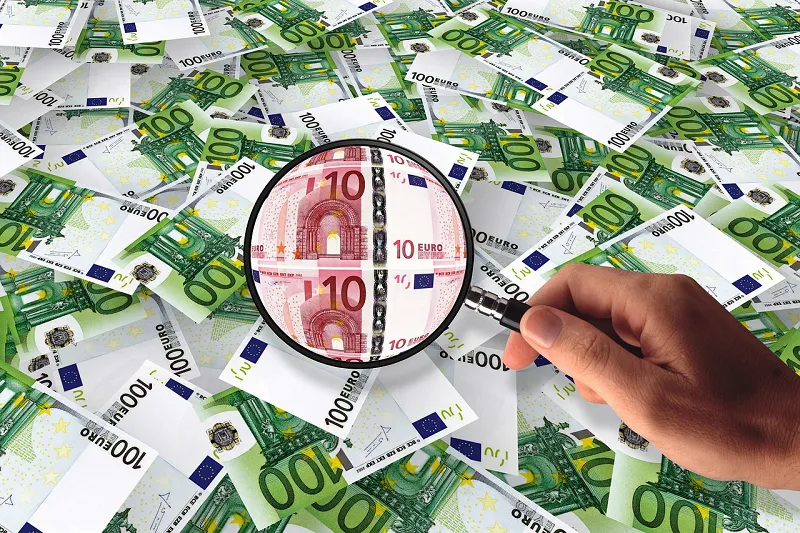
From 1 July 2026, the European Union is imposing a fixed 3-euro fee on all small parcels valued under 150 euros arriving via e-commerce from outside the EU. First in the firing line - Temu and Shein, the Chinese platforms that have taken over Europe's low-price consumer market over the past two years.
The number that justifies the policy - 5.8 billion small parcels entered the EU over the past year, a 26 percent jump. That's a volume that literally drowns every customs system in the Union, while at the same time creating unfair competition for European sellers who pay full duty and VAT. The logic - level the playing field.
For the Balkans, which aren't in the EU, the question is framed differently. First - does this mean our customs systems will follow Europe's lead? Until then, with Temu and Shein prices rising in the EU, we can expect traffic to be rerouted toward the Balkans. The Chinese platforms will test the pattern - sell in countries with looser rules, and from there re-route the parcels to the EU. We've seen those „spike-on-parcel" scenarios in Singapore, Hong Kong and Dubai.
The second thing - the buyer will pay the difference. 3 euros on a parcel worth 10-20 euros is a 15-30 percent price increase. For Temu and Shein, which live on low-margin products sold at high volume, it's a blow. But the final burden always lands on the consumer. The Balkan shopper who used to order 50 euros' worth a month - will pay around 60. The Spaniard - the same.
The question that isn't politically correct - who exactly profits from this fee? In theory, small European sellers. In practice, the revenue will probably go into the common EU budget, which those same consumers will pay through other instruments. A bureaucratic loop with lots of sleeves, little result. And the only big winners may turn out to be - the big European e-commerce players who don't pay the fee because they operate inside the EU. Amazon, Zalando, Otto - all quietly cheering.
The latest 10 news from this category
200-300 euros in extra annual cost for an average family with one car. Strategic reserves exist - but activating them...
The Greek central bank governor Stournaras talks about „inflation shocks comparable to post-COVID". The Balkans live in a permanent-adjustment mode,...

„Однапред пополнето“ не значи „точно“. Одговорноста за грешки паѓа на граѓанинот. И за многумина - 30 страници со кодови се...
Американската влада ги предупредува сите федерални агенции да закрпат до 15 мај. Дата центри, банки, јавна администрација - сите се...
Стартапот на Брет Тејлор - поранешен Salesforce, сега претседател на OpenAI - удри 15 милијарди долари вредност. Uber веќе пишува...

Blackstone, Goldman Sachs, Sequoia на едната страна. TPG, Brookfield, Bain Capital на другата. Победникот на AI војната ќе биде дефиниран...
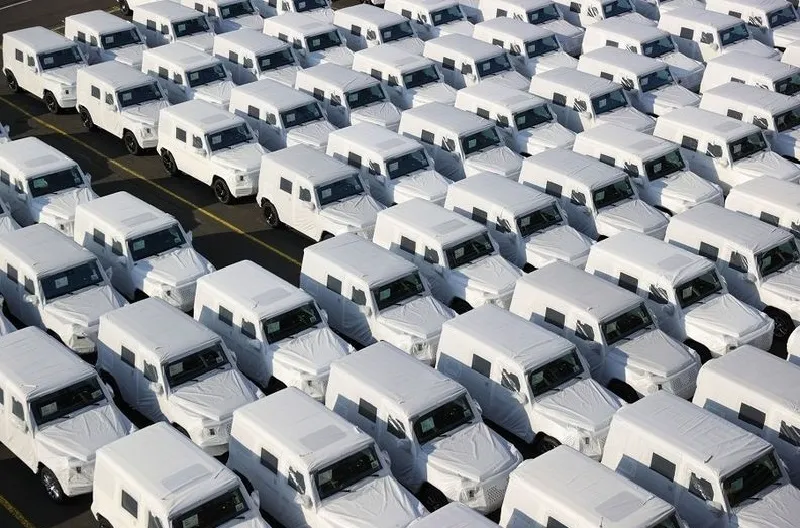
A potential 15 to 30 billion euro hit to the German auto industry. The European Commission is keeping all options...
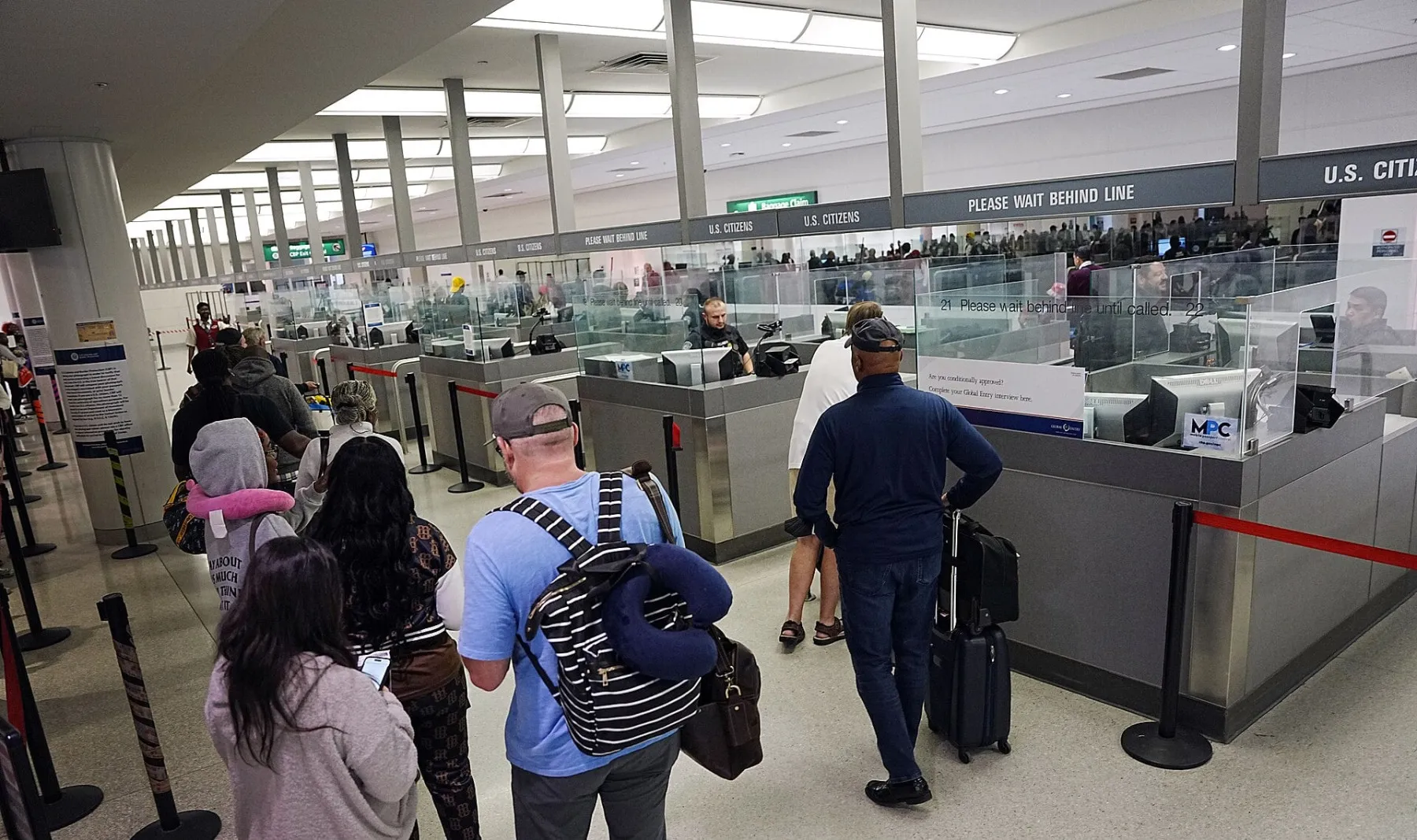
3.5 million passengers in 2025, up 30% on 2019. Prices climbed, but they didn't stop the passengers. Fuel and EU...

Oil cooled slightly after Trump announced an escort operation for blocked ships. But above $100 a barrel is the new...
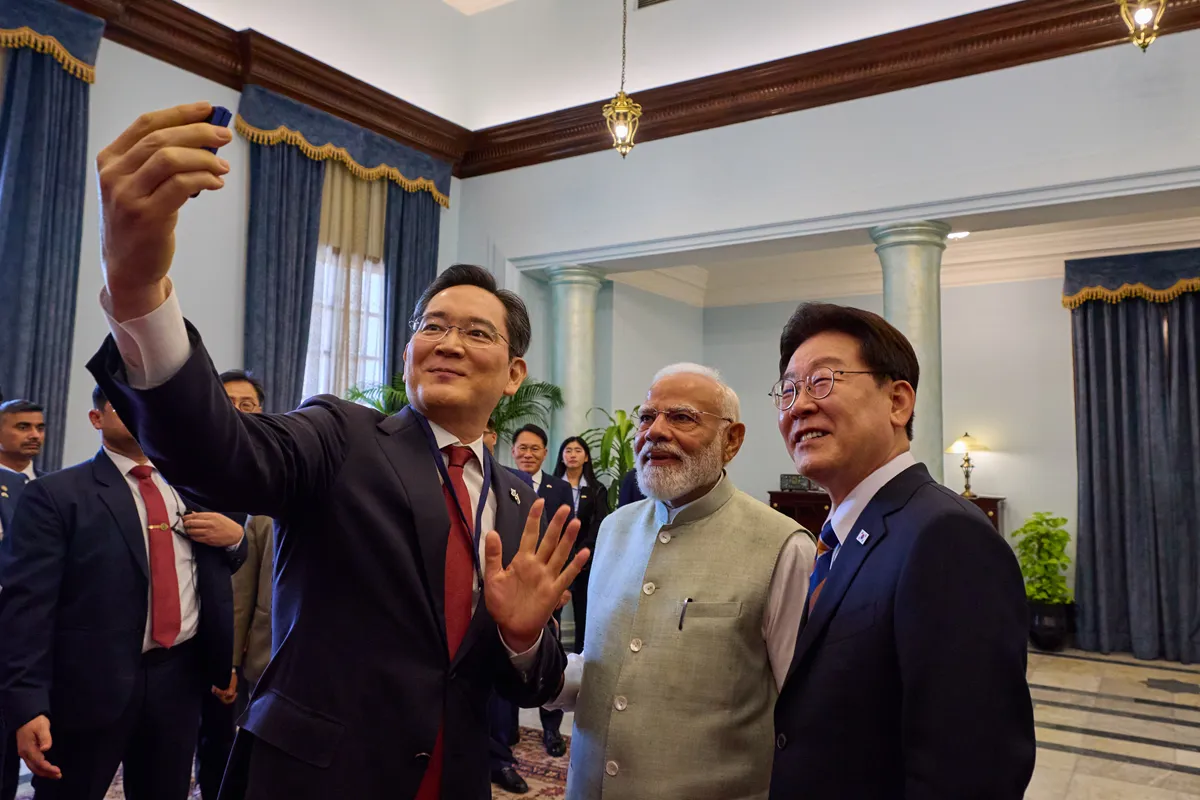
Record inheritance tax in South Korean history. Then the AI boom doubled the share price. Paid 8, gained much more.