African Temperatures for the Weekend: 30 Degrees After a Late Frost - Macedonia Has No Plan for Summer Heat Above 40
05.05.2026


05.05.2026
05.05.2026
05.05.2026
05.05.2026
05.05.2026

05.05.2026
05.05.2026
04.05.2026

03.05.2026
05.05.2026
05.05.2026
04.05.2026

05.05.2026

05.05.2026

05.05.2026

05.05.2026
04.05.2026
03.05.2026

05.05.2026

05.05.2026
05.05.2026

05.05.2026

05.05.2026

04.05.2026

09.03.2026

27.02.2026

19.02.2026

14.04.2026
07.11.2025
07.11.2025

23.04.2026

23.04.2026

12.04.2026

The European Central Bank has sent an alarm signal via the Greek central bank governor Yannis Stournaras, a member of the ECB's governing council. The risk of the eurozone entering recession is real. If the war in Iran drags on, the possible scenario is stagflation - simultaneous stagnation and inflation.
Stournaras mentions „inflation shocks comparable to the post-COVID" period, and companies that are already planning for such scenarios. The bottom line - projected eurozone inflation for this year is 2.7 percent, but with upside potential if disruptions continue in the supply of fuel, hydrogen and helium - all three critical for European industry.
For the Balkans - which aren't in the eurozone, but whose currencies are pegged, directly or indirectly, to the euro - the consequences are twofold. First, directly higher prices for fuel, petrol, gas, and natural gas for households. Second, indirectly - reduced foreign investment, because in a recession European corporations don't open new plants in Skopje, Sofia or Belgrade. They close the old ones.
The question our ministers rarely ask out loud is - do we have a plan for a stagflation scenario? We have „energy security strategies" sitting in ministry drawers. We have „macroeconomic stability plans". But when inflation is running at 8 percent, GDP is dropping by 1, and the state coffers are empty - what are the concrete measures? Help for the most vulnerable? Price freezes? Temporary tax breaks?
The same kind of questions came up in 2022, in 2008, and in 1997. The answer is always the same - reaction, not prevention. The Balkans live in a mode of permanent adjustment, not strategic planning. That's the price of being a small economy with limited reserves. But at the same time, it's the responsibility of politicians who deliver speeches instead of plans.
The latest 10 news from this category
200-300 euros in extra annual cost for an average family with one car. Strategic reserves exist - but activating them...
5.8 billion parcels entered the EU - a 26 percent rise. Prices for the European buyer will jump 15-30 percent....
„Однапред пополнето“ не значи „точно“. Одговорноста за грешки паѓа на граѓанинот. И за многумина - 30 страници со кодови се...
Американската влада ги предупредува сите федерални агенции да закрпат до 15 мај. Дата центри, банки, јавна администрација - сите се...
Стартапот на Брет Тејлор - поранешен Salesforce, сега претседател на OpenAI - удри 15 милијарди долари вредност. Uber веќе пишува...
Blackstone, Goldman Sachs, Sequoia на едната страна. TPG, Brookfield, Bain Capital на другата. Победникот на AI војната ќе биде дефиниран...
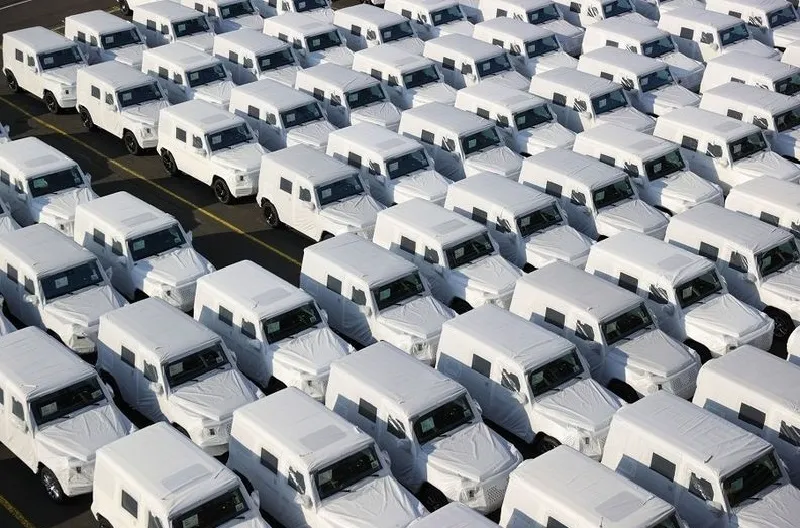
A potential 15 to 30 billion euro hit to the German auto industry. The European Commission is keeping all options...
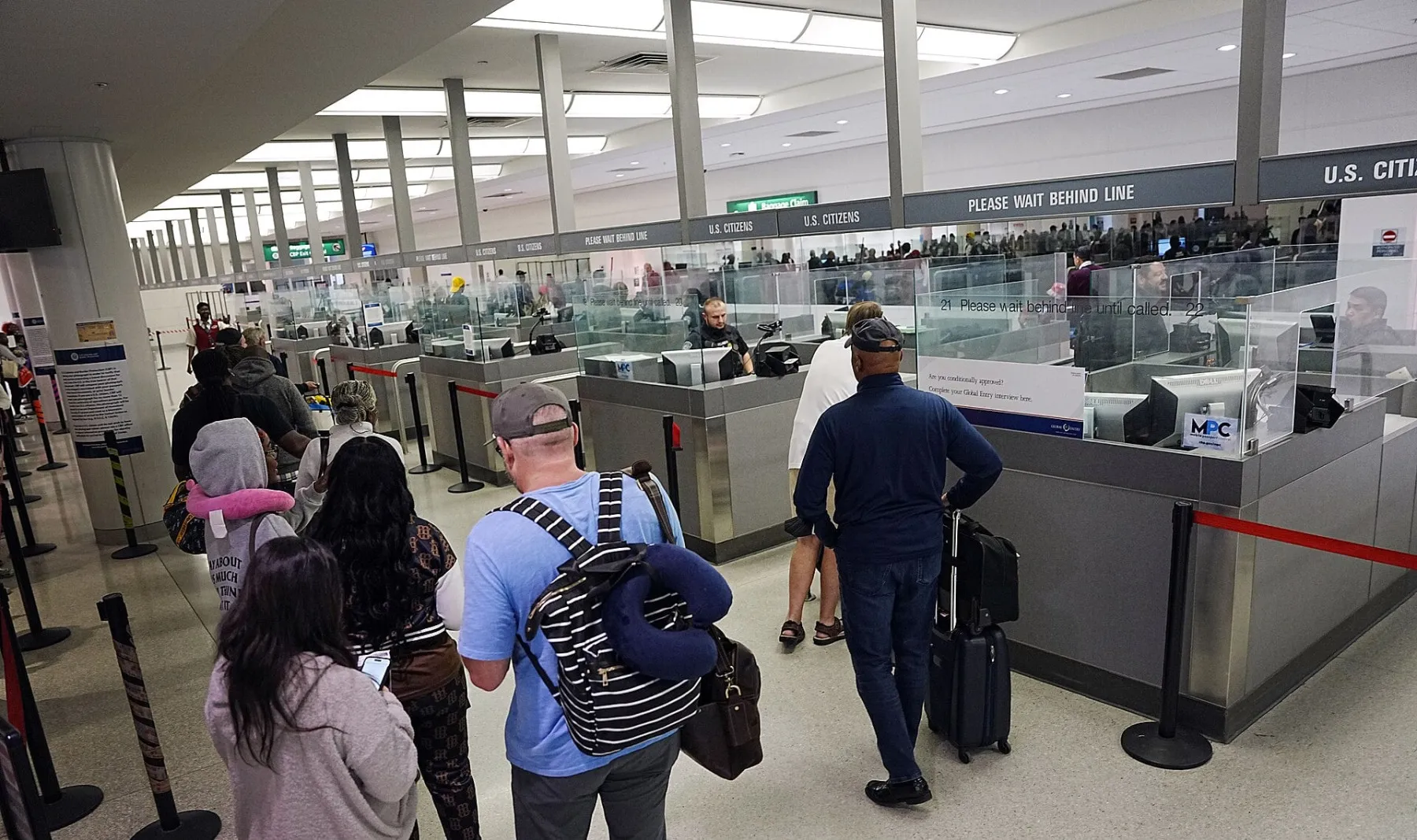
3.5 million passengers in 2025, up 30% on 2019. Prices climbed, but they didn't stop the passengers. Fuel and EU...
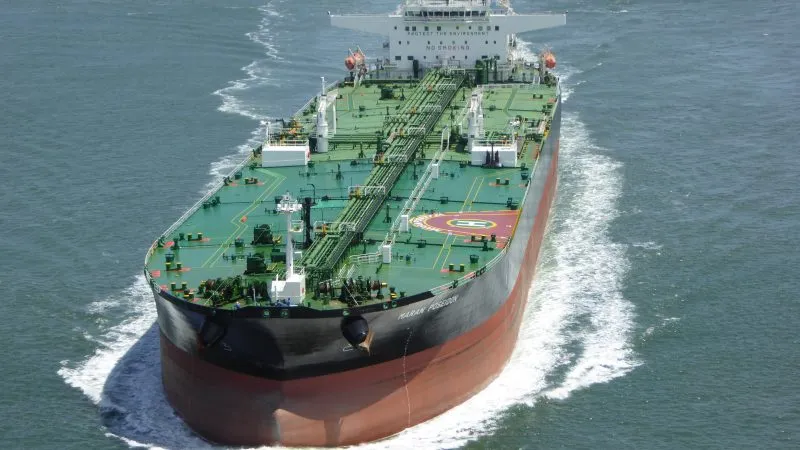
Oil cooled slightly after Trump announced an escort operation for blocked ships. But above $100 a barrel is the new...
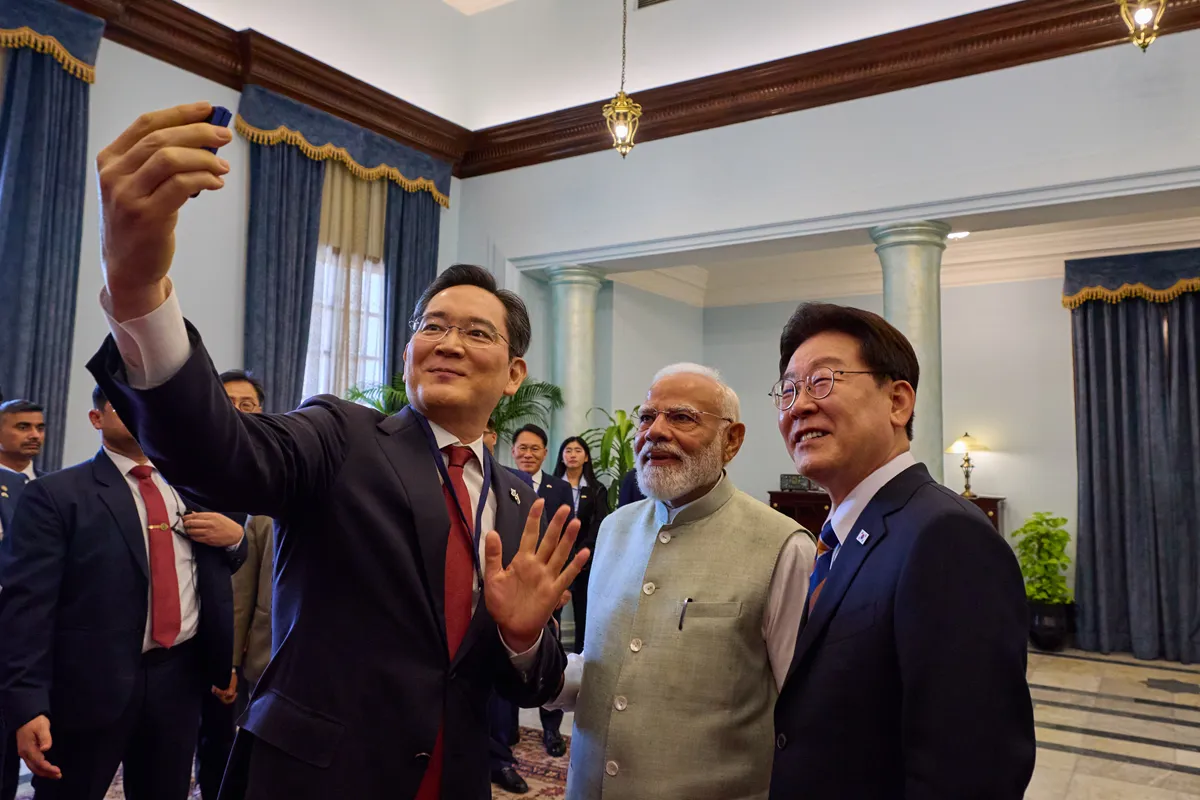
Record inheritance tax in South Korean history. Then the AI boom doubled the share price. Paid 8, gained much more.