
African Temperatures for the Weekend: 30 Degrees After a Late Frost - Macedonia Has No Plan for Summer Heat Above 40
05.05.2026


05.05.2026

05.05.2026
05.05.2026

05.05.2026
05.05.2026

05.05.2026
05.05.2026

04.05.2026

03.05.2026

05.05.2026

05.05.2026

04.05.2026

05.05.2026

05.05.2026

05.05.2026

05.05.2026

04.05.2026

03.05.2026

05.05.2026

05.05.2026

05.05.2026

05.05.2026

05.05.2026

04.05.2026

09.03.2026

27.02.2026

19.02.2026

14.04.2026

07.11.2025
07.11.2025

23.04.2026

23.04.2026

12.04.2026

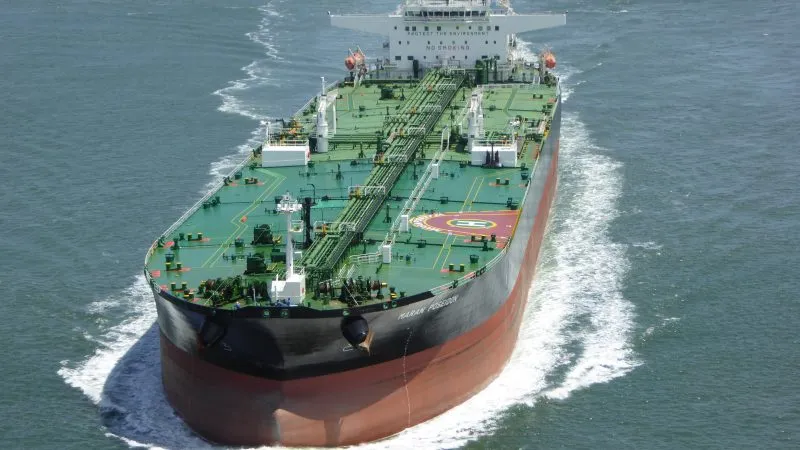
Oil prices are living under the direct dictate of tensions between the US and Iran. Brent crude briefly hit $126 a barrel, then dropped to $113 after a 5.8 percent jump. It's the kind of move that, in a single day, rewrites every European energy minister's plan - and forces Balkan ruling structures to ask, with a cool head, what's coming at the pumps tomorrow.
The main drivers of these moves have been laid out in earlier analyses - Iranian attacks on energy infrastructure in the UAE, ships in the Strait of Hormuz that can't pass without military escort, an American counter-operation with 15,000 troops. Instead of being in a period of de-escalation, the world is moving toward escalation.
For the Balkans, the figures translate concretely. Oil above $110 a barrel, if it persists for more than two months, already translates into petrol prices of 1.40-1.50 euros per litre. If a jump to $130 holds - we can expect 1.60-1.70 euros. For a family with one car burning around 1,000 litres a year, that's an additional 200-300 euros annually. A sum that, in many households, gets measured against „this or the summer holiday".
The second tremor is in electricity prices. Macedonia imports part of its electricity, and part is generated by thermal plants that depend on imported oil derivatives. A jump in oil prices means a jump in electricity prices - with a delay of 1-3 months. The same pattern applies in Greece, Bulgaria, Serbia.
The question our politicians are conspicuously skipping out loud - are there strategic reserves of oil derivatives the state can activate to soften the spikes? And if they exist, when will they be activated? History says - late, sometimes when it's already too late. Because „activating reserves" politically means admitting a crisis exists - and a crisis always gets hidden as long as humanly possible.
The latest 10 news from this category
The Greek central bank governor Stournaras talks about „inflation shocks comparable to post-COVID". The Balkans live in a permanent-adjustment mode,...
5.8 billion parcels entered the EU - a 26 percent rise. Prices for the European buyer will jump 15-30 percent....

„Однапред пополнето“ не значи „точно“. Одговорноста за грешки паѓа на граѓанинот. И за многумина - 30 страници со кодови се...
Американската влада ги предупредува сите федерални агенции да закрпат до 15 мај. Дата центри, банки, јавна администрација - сите се...

Стартапот на Брет Тејлор - поранешен Salesforce, сега претседател на OpenAI - удри 15 милијарди долари вредност. Uber веќе пишува...

Blackstone, Goldman Sachs, Sequoia на едната страна. TPG, Brookfield, Bain Capital на другата. Победникот на AI војната ќе биде дефиниран...

A potential 15 to 30 billion euro hit to the German auto industry. The European Commission is keeping all options...

3.5 million passengers in 2025, up 30% on 2019. Prices climbed, but they didn't stop the passengers. Fuel and EU...
Oil cooled slightly after Trump announced an escort operation for blocked ships. But above $100 a barrel is the new...

Record inheritance tax in South Korean history. Then the AI boom doubled the share price. Paid 8, gained much more.