


Over 20 shops burned down in Suto Orizari: 15 firefighters and three and a half hours fighting the blaze at 3am
12.09.2026


12.09.2026

12.09.2026

12.09.2026

12.09.2026

12.09.2026

12.09.2026

12.09.2026

11.09.2026

10.09.2026

12.09.2026

12.09.2026

11.09.2026

12.09.2026

12.09.2026

12.09.2026

12.09.2026

11.09.2026

10.09.2026

12.09.2026

12.09.2026

12.09.2026

12.09.2026

12.09.2026

11.09.2026

09.03.2026

27.02.2026

19.02.2026

12.09.2026

11.09.2026
10.09.2026

23.04.2026

23.04.2026

12.04.2026

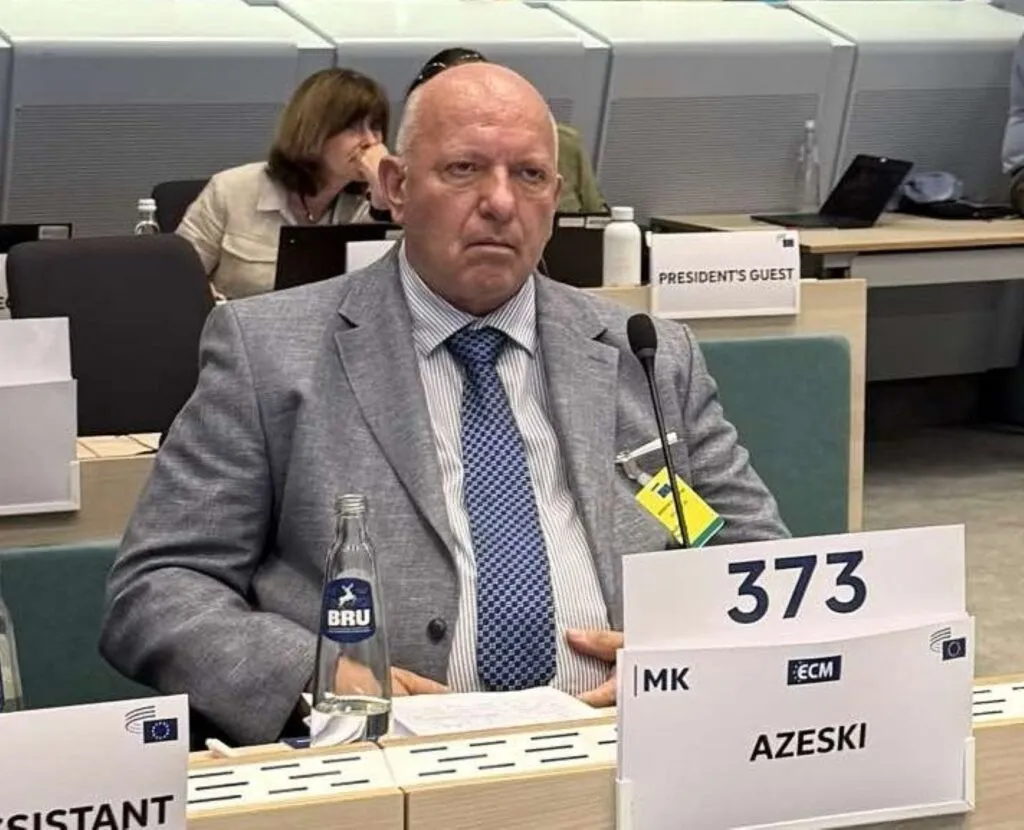
Corruption, the grey economy and a dysfunctional administration - those are the three biggest obstacles to business in the Western Balkans. And it isn't some outside NGO saying it, but Branko Azeski, head of the Economic Chamber, speaking from Brussels, in front of 500 representatives of European institutions, the business community and the civil sector.
Azeski spoke at a debate on EU enlargement organised by the European Economic and Social Committee. According to the research he cited, more than 90 percent of companies in the region point to precisely these three factors as the biggest barrier to business development and to new investment. To them he added the region's underdeveloped gas and transport infrastructure and its weaknesses in the rule of law.
The message stings precisely because it comes from within. When a businessman who has worked in the region for decades says corruption and the grey economy are strangling growth, that is not a political narrative - it is a diagnosis from a man who pays the consequences. And that is the difference between a report from Brussels, easily brushed off as foreign meddling, and the words of someone from our own yard.
Azeski stressed that the Western Balkans' integration into the EU must go hand in hand with concrete reforms that create predictable conditions for doing business and enable faster convergence with the European market. Enlargement Commissioner Marta Kos, for her part, repeated that enlargement remains a strategic priority for the Union.
A strategic priority - a phrase we have been hearing for years while the process stands still. The problem, as Azeski himself shows, is not only in Brussels. It is here too, in the institutions that are supposed to carry out the reforms everyone talks about and few actually do. Does the government really want predictable conditions for business, or does predictability get in the way of some other interests?
The latest 10 news from this category
An announcement is not an adopted tariff. A lower bill is good news only if its cost has not been...
The Balkans have a long tradition of producing something valuable and selling it under someone else's name. The difference between...
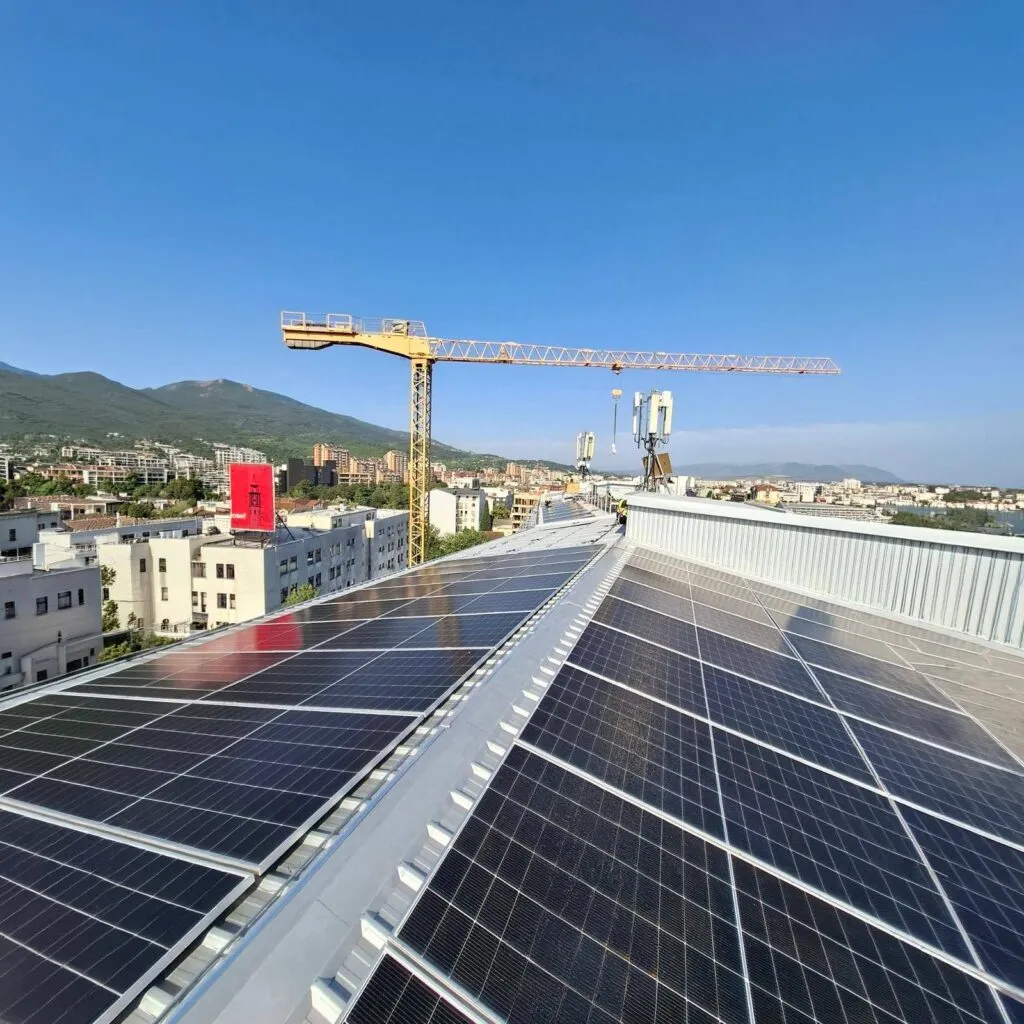
Buildings from the fifties and sixties, one in Bitola dating to the 18th century. The 56 percent energy saving is...

The biggest names in mathematics have signed a letter against the AI labs. The dispute is not whether the machine...

Three months ago the company raised 60 million. Now it is worth almost ten times that, and its product is...

The device is untouched, the chain around it is not. A second breach in two months at Trezor, and what...

After Ohridska Banka, Sparkasse has gone after a second one. The approvals come from Podgorica, Belgrade and Frankfurt. The market...

The amendments to the Housing Act split residents into four income categories. Some of the people now facing eviction previously...

Critical minerals are among the most sought-after raw materials in the world. States that know what they own negotiate. The...

The existing 34 billion is more than doubled. Plus 29 contracts worth 9.4 billion and data centres with roughly one...
This site uses cookies - is that okay? Learn more
Be the first to know when Metla launches something new
Leave your email and we will write when there is a new guide or something new on Metla.
