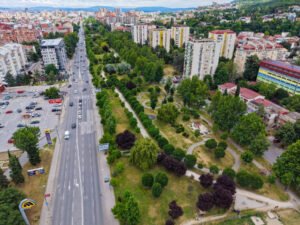
Нови клупи и обновени летниковци во паркот „Македонија“: ќе преживеат ли една зима без да бидат уништени
13.06.2026


13.06.2026
13.06.2026
13.06.2026
13.06.2026
13.06.2026
13.06.2026
13.06.2026

13.06.2026

13.06.2026
13.06.2026

13.06.2026

12.06.2026

13.06.2026

12.06.2026

11.06.2026

13.06.2026

13.06.2026

13.06.2026

13.06.2026

12.06.2026
12.06.2026

09.03.2026

27.02.2026

19.02.2026

09.06.2026
22.05.2026
19.05.2026

14.04.2026

07.11.2025
07.11.2025

23.04.2026

23.04.2026

12.04.2026

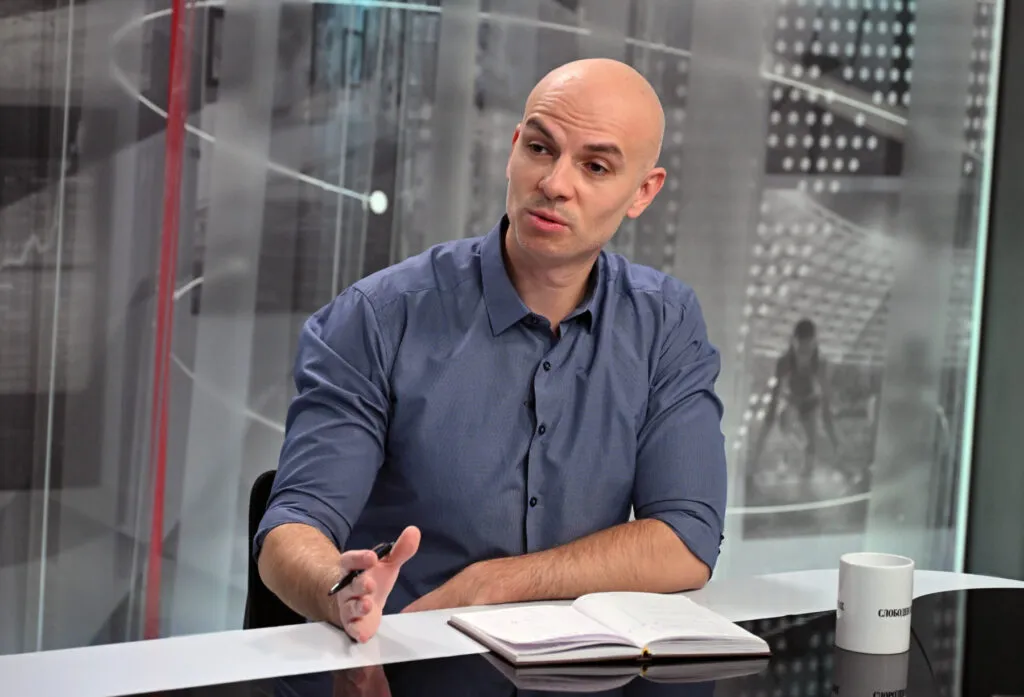
When a bank charges you for keeping your own money with it, the question of whom the system serves becomes entirely legitimate. MP Borislav Krmov of Levica sharply criticized the announced increases in bank fees, calling them yet another blow to citizens' standard of living.
The specifics sting. The fee for an over-the-counter deposit rises from 50-90 to 120 denars; new charges are being introduced for maintaining payment and foreign-currency accounts; the fee for international transactions is 0.4 percent of the amount; and the cost of approving a home loan is 1 percent of the loan - which on larger loans can top 1,000 euros.
And all of it while the banks post record profits. „Fees currently make up around 18 percent of the banks' net profit - over 100 million euros a year, about 107 million," Krmov claims. His point is clear: „Payment systems today are essentially public services and public goods," and so they must not depend „on the goodwill of the financial powerful."
The hardest hit are pensioners who use counter services, families managing household payments, and those taking out a home loan - precisely the people with the least room in their budget. Krmov is calling for government intervention, arguing that payment systems are essential infrastructure, not a privilege.
The question he opened is deep and important: when a service becomes essential to life - like paying your bills - can it be left entirely to the profit logic of private banks? A citizen has no choice about whether to pay through a bank; that makes the fee not the price of a service, but a tax without a vote. And taxation without representation, as history has shown, rarely passes quietly forever.
The latest 10 news from this category
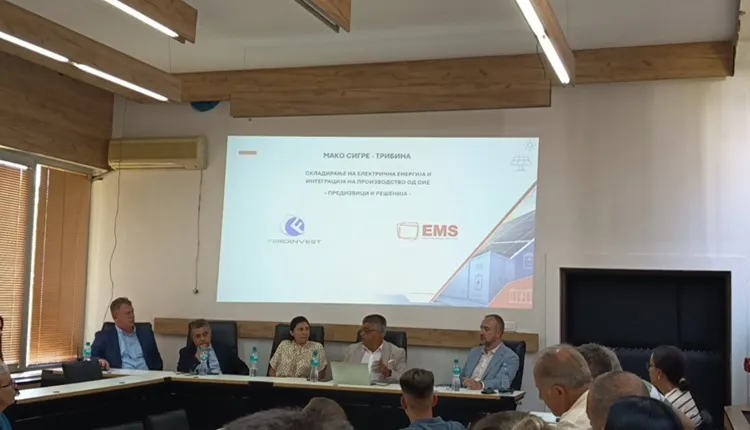
Анѓушев од Феро Инвест: над 250 MWh батерии веќе изведени, обновливата енергија без складирање не вреди - но дали државата...
Вкупниот пакет достигна 2,2 милијарди, но фондот бара реформи што најмногу ги чувствува обичниот граѓанин - позната балканска динамика.
Владата најави младински додаток од 3.000 денари и мерки за младите - но прашањето е колку ќе имаат вистинска работа...
6.500 инженери префрлени без избор да хранат ВИ модел опишуваат соул-крашинг работа, а Закерберг тврди дека се попаметни од хонорарците...
Софтвер за фишинг што секој може да го користи однесе речиси два милијарди долари и податоци од милиони картички -...
Компанијата што најгласно зборува за опасностите на вештачката интелигенција доби итно гасење на Mythos 5 и Fable 5 - а...

$4,046 an ounce, a weekly loss of 6.3 percent. The market reacts to interest rates in Washington, not to the...

A GPS on every machine, an end to ads that sell gambling as success. A 500-metre limit won't fix everything...

Finance companies will no longer pay out in cash. Behind the dry wording sits a real problem - zero percent...
75,000 artificial tracks a day, and 85 percent of their plays are bots. When a machine steals from a machine,...