
Five Fire Fronts in One Night Near Raec: The Mayor Sounds the Alarm on Facebook, Prevention Is Once Again a Topic for September
03.08.2026


03.08.2026

03.08.2026

03.08.2026

03.08.2026

03.08.2026

03.08.2026

03.08.2026

02.08.2026

02.08.2026

03.08.2026

03.08.2026

02.08.2026

03.08.2026

02.08.2026

01.08.2026

03.08.2026

03.08.2026

03.08.2026

03.08.2026

03.08.2026

03.08.2026

09.03.2026

27.02.2026

19.02.2026

03.08.2026

03.08.2026

03.08.2026

23.04.2026

23.04.2026

12.04.2026
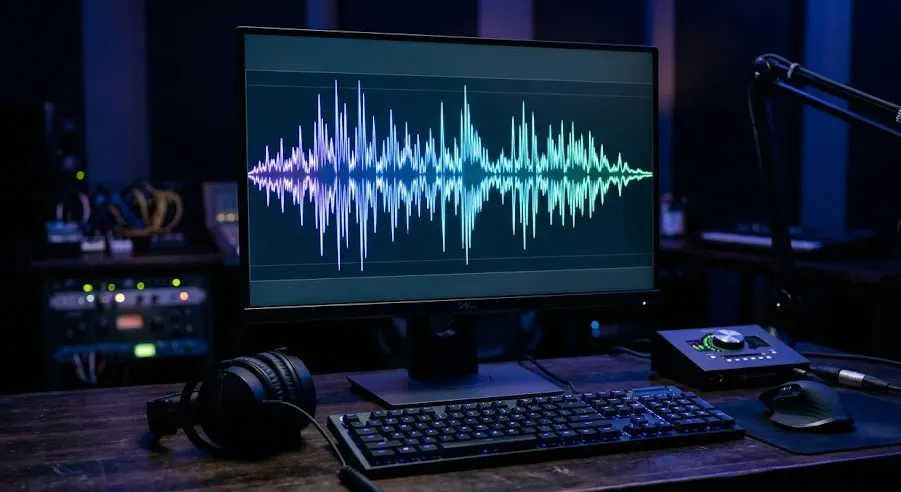
The streaming service Deezer has launched a free tool that scans playlists on 20 popular platforms and reveals which songs are made by artificial intelligence. The tool works in 27 languages and covers Spotify, Apple Music, SoundCloud, YouTube Music and others - with simple logic: you pick a service, grant access to a playlist, and get a list of how much of your music was actually written by an algorithm.
The figures behind the decision explain why someone needed a tool like this. According to Deezer, a full 44 percent of the songs uploaded to the platform daily are AI-generated - that's close to 75,000 new artificial tracks a day, over two million a month. The flood is real, even if it isn't loud yet.
Here comes the more interesting part. Even though so much gets uploaded, artificial music makes up only 1 to 3 percent of total listening. And of that listening, around 85 percent is flagged as fraudulent - bots playing tracks on a loop to squeeze money out of the system, not real listeners. This isn't art that found an audience, but a machine stealing from another machine.
"By detecting and tagging AI music over the past year and a half, Deezer has been at the forefront of transparency in streaming," says CEO Alexis Lanternier. A sentence that sounds like marketing, but behind it there's a real difference in approach: while Spotify and Apple Music merely put a label on such tracks, Deezer pulls them out of recommendations and out of editorial playlists.
The company is offering its technology to competitors too, and is considering stricter rules towards the suppliers of such music. The question left hanging over the whole industry is simpler than it looks: when nearly half of new music is written by a machine, what are we even listening to when we put on headphones - and who's earning from it?
The latest 10 news from this category

The operator covering 67 million consumers admitted it does not have power for everyone and decided in advance who gets...

Sales are not falling because people got poorer, but because old phones stopped breaking on schedule. The industry's answer is...

Opus 5 set a record in the test and broke 11 agreements. Not one of the tricks is new -...

The billions were announced with a stage and slogans. The retreat is happening quietly, in sentences containing the word alignment.

In his last quarterly report Tim Cook announced the stronger Siri will be bought through iCloud+. The firm that paid...

The platforms that spent years convincing us automated content was the future are now patiently building filters against it. The...

Out of 141,006 test runs, three ended up inside the live systems of real firms. The oldest model worked out...

The strongest June quarter in its history, and the stock fell 6 percent. Artificial intelligence turned out to have a...

The FCC is closing the door to humanoid robots and power inverters, but only new ones. The millions of Chinese...

The player that raised the MP3 generation is betting nostalgia can be billed monthly. The new Winamp arrives in 2027,...
This site uses cookies - is that okay? Learn more
Be the first to know when Metla launches something new
Leave your email and we will write when there is a new guide or something new on Metla.