A New Criminal Complaint Against Jakimovski: A Building Permit Based on a Plan Struck Down Back in 2018
16.09.2026


16.09.2026
16.09.2026

16.09.2026
16.09.2026
16.09.2026

16.09.2026
16.09.2026
15.09.2026
14.09.2026
16.09.2026
16.09.2026

15.09.2026
16.09.2026
15.09.2026
14.09.2026

16.09.2026

16.09.2026

16.09.2026

16.09.2026

15.09.2026
15.09.2026

09.03.2026

27.02.2026

19.02.2026
16.09.2026

15.09.2026
14.09.2026

23.04.2026

23.04.2026

12.04.2026

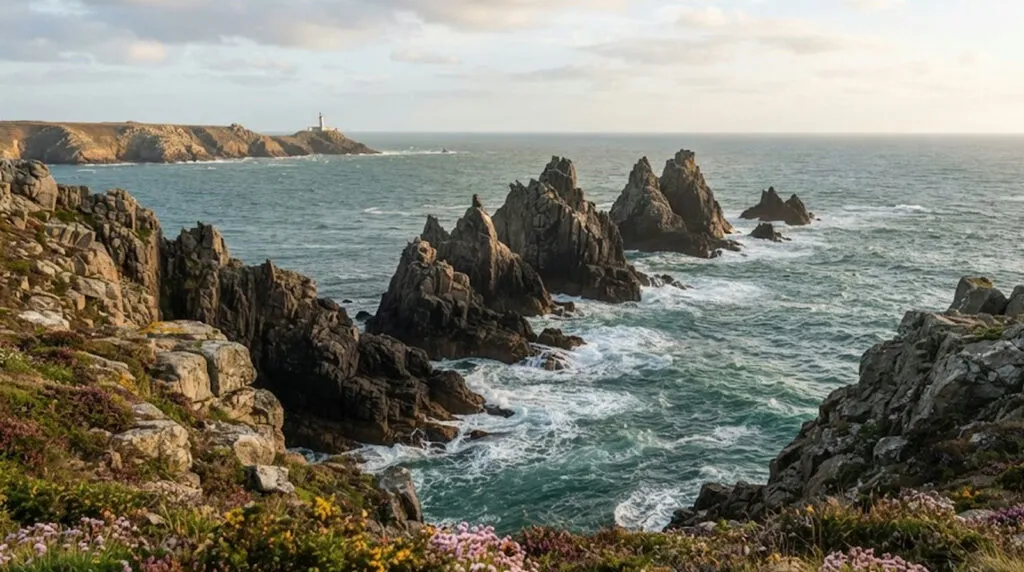
In 1761 England occupied the island. Two years later, under the Treaty of Paris, it handed it back - in exchange for Menorca. That is the entire worth of Belle-Ile-en-Mer in a single transaction: 85 square kilometres of rock in the Atlantic swapped for a Balearic island as though they were trading cards.
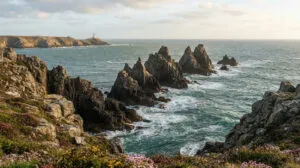
Today around 5,500 people live on that island, spread across four municipalities and more than 120 villages. Southern Brittany, fifteen kilometres from the Quiberon peninsula, fifty minutes by ferry. The highest point is a little over 70 metres. There is no mountain, no spectacle from altitude - everything happens at the edge, where the flat plateau is cut off and drops into the water.
Monet arrived on 12 September 1886 and stayed until 25 November. Against all his plans he stayed almost three months and painted 39 canvases. The key motif is the needles of Port-Coton - rocky spikes rising out of the green water off the western shore. Before him the Australian painter John Peter Russell already lived there, a friend of Van Gogh and Rodin, who later hosted the young Matisse. Sarah Bernhardt bought an abandoned military fort in 1894 and then spent nearly three decades of summers there.
The GR-340 walking trail circles the whole island and in 2022 was voted France's favourite long-distance path. The full circuit takes four to five days. The rules are strict in a way that sounds impossible back home: wild camping is banned all year round, metal tips on walking poles are forbidden because they accelerate erosion, and there is no water source on the trail - you stock up in the four small towns.
There are more than fifty beaches. Les Grands Sables is the largest, nearly two kilometres, sheltered and gentle enough for kayaking and paddleboarding. Donnant is the opposite - the most dramatic, with Brittany's highest dunes and with surfers. Herlin has the warmest water. Port Kerel and Port Andro are more secretive coves with transparent green water.
The Kerdonis lighthouse is not open to visitors, but it carries a story that explains the island better than any brochure. In 1911 the keeper Alexandre Matelot died suddenly. His sons, aged eleven and thirteen, turned the lamp by hand all night until dawn so that ships would not hit the rocks.
Vauban's citadel is closed until 2027, when it is due to open as a museum and luxury hotel. Collectors bought it from the state in 1960 and then spent forty-five years restoring it. Forty-five years for one fortress - a figure worth remembering the next time somebody here needs an argument that restoration moves slowly.
The best time is right now: September to mid-October, mild weather and no crowds. The advice everyone repeats is not to bring your own car - the vehicle ferry costs money and the roads were not built for it. There is a bus, there are bicycles, there are rentals on the island itself. And what you eat is a short list with strange names: a rock snail they call sea lamb, local lamb, black bee honey, oysters from Locmaria and whisky distilled on the island.
The latest 10 news from this category
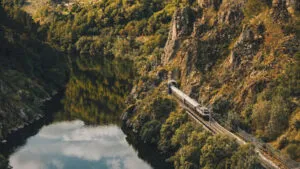
Restored carriages, a locomotive they call the Japanese Woman and a 28.95 euro return ticket. What it sells is not...
Two hundred and fifty tree species from every corner of the world, a monastery from 1628 and a palace that...
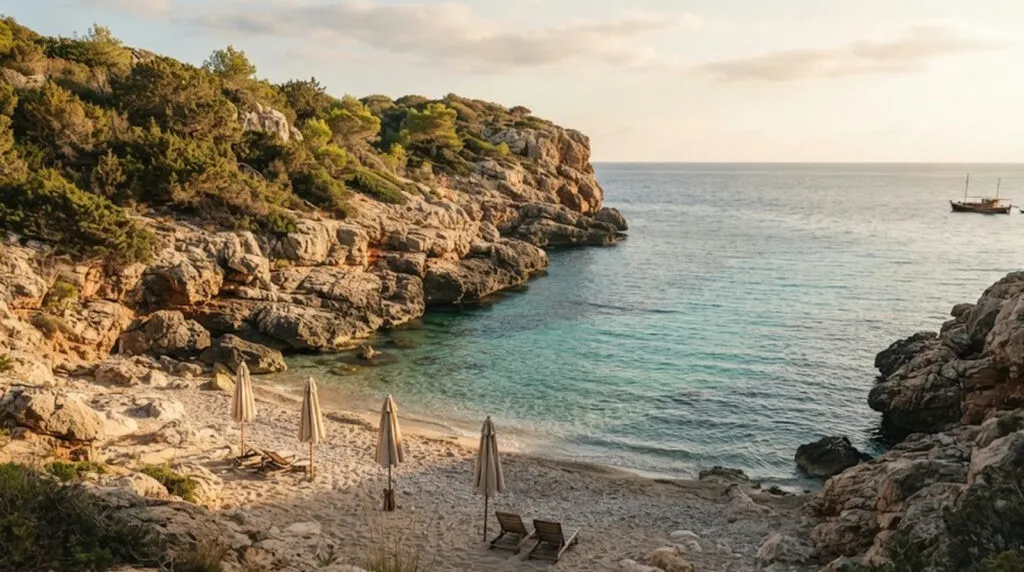
The same places cost more in August, look crowded and are experienced at half strength. The difference is made by...
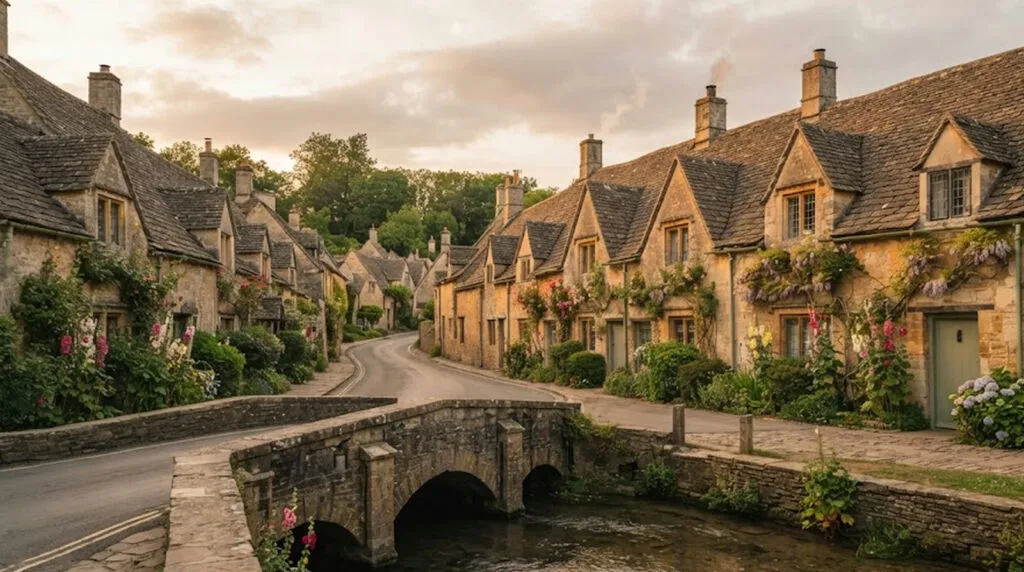
The Beckhams have a place there, so do Kate Moss and Ellen DeGeneres. But the Cotswolds needs none of those...

Down on the coast the buses pass each other with centimetres to spare and all you see is people. Up...
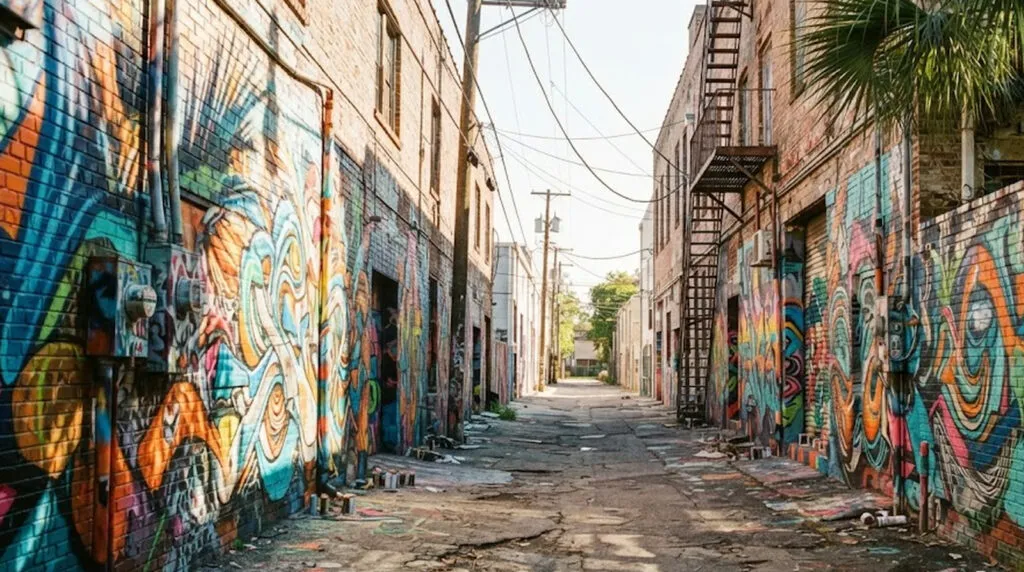
Empty warehouses, low rents and one real estate developer. A model we know without flying to Florida.
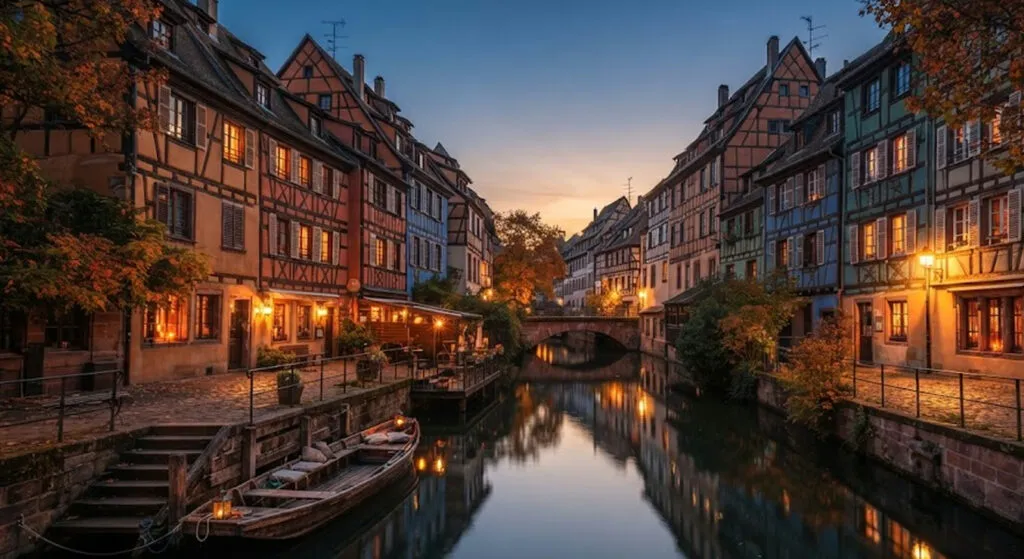
Old tanners' and dyers' workshops, built directly over the river. From 10 to 13 September the town puts boats and...
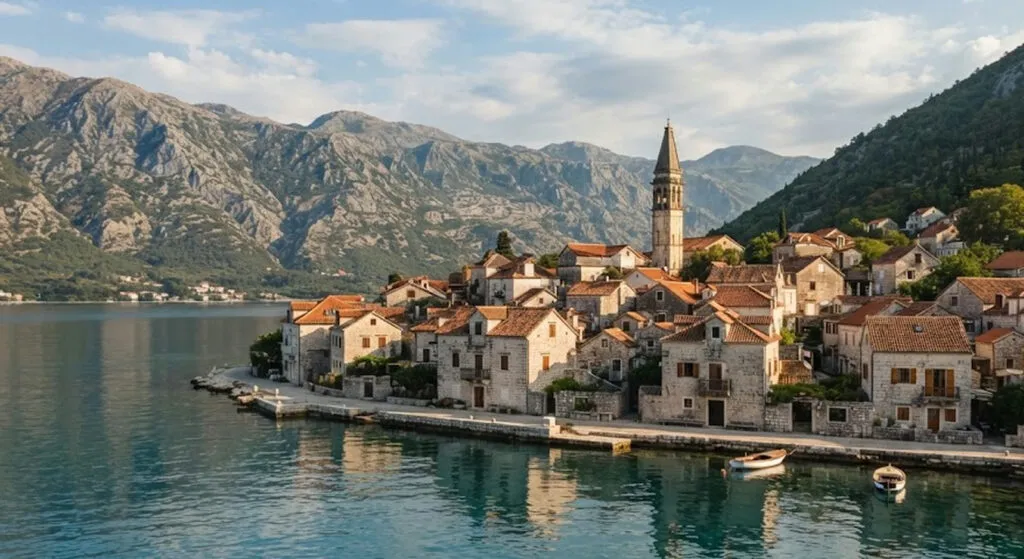
The Albanian Riviera, Montenegro, Sardinia, Lyon and the Algarve. The same weather as August, fewer people, and a bill that...
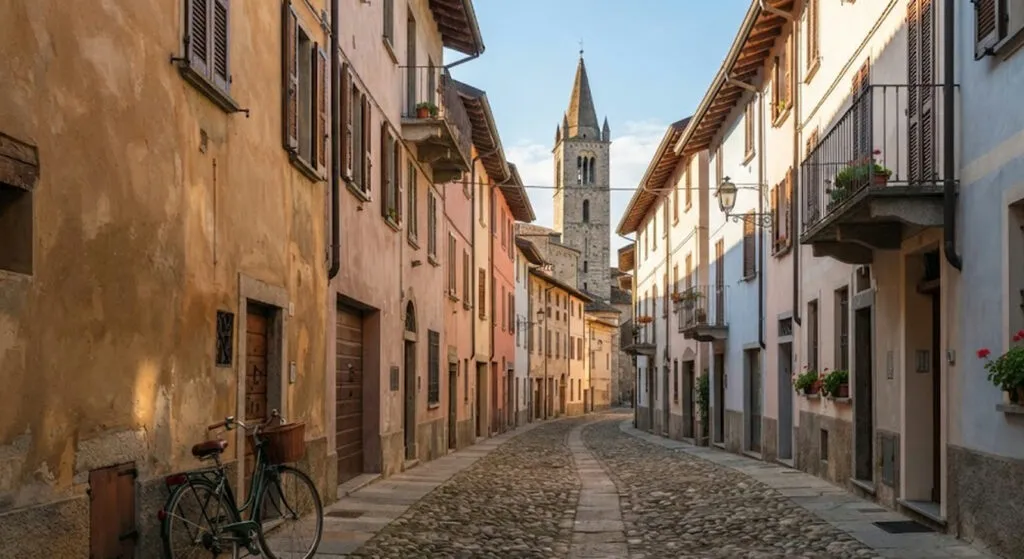
In a town that does not live off tourism, a coffee costs what it costs, not what it could cost.

Xi'an, Dunhuang, Angkor, Luang Prabang. Farmers found the Terracotta Army in 1974, and at Ta Prohm the roots hold the...
This site uses cookies - is that okay? Learn more
Be the first to know when Metla launches something new
Leave your email and we will write when there is a new guide or something new on Metla.