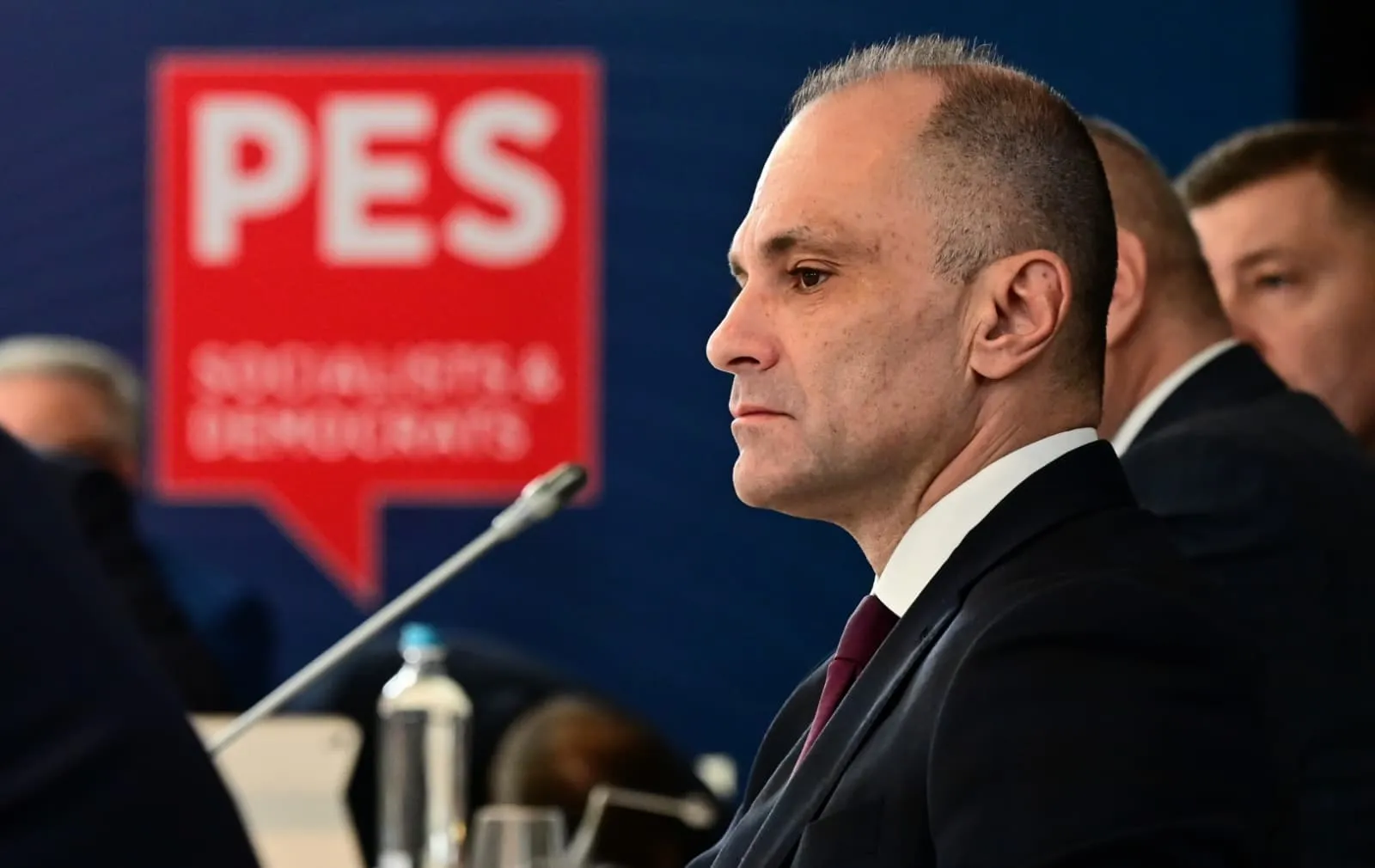
Filipče Promises a New Anti-Corruption Law on the Estonian Model: Digitisation, and One Day He'll Be Prime Minister
08.05.2026


08.05.2026
08.05.2026

08.05.2026
08.05.2026

07.05.2026
06.05.2026

08.05.2026

08.05.2026

07.05.2026

08.05.2026

08.05.2026

08.05.2026

08.05.2026
07.05.2026
06.05.2026

08.05.2026
08.05.2026
07.05.2026

09.03.2026

27.02.2026

19.02.2026

14.04.2026

07.11.2025
07.11.2025

23.04.2026

23.04.2026

12.04.2026
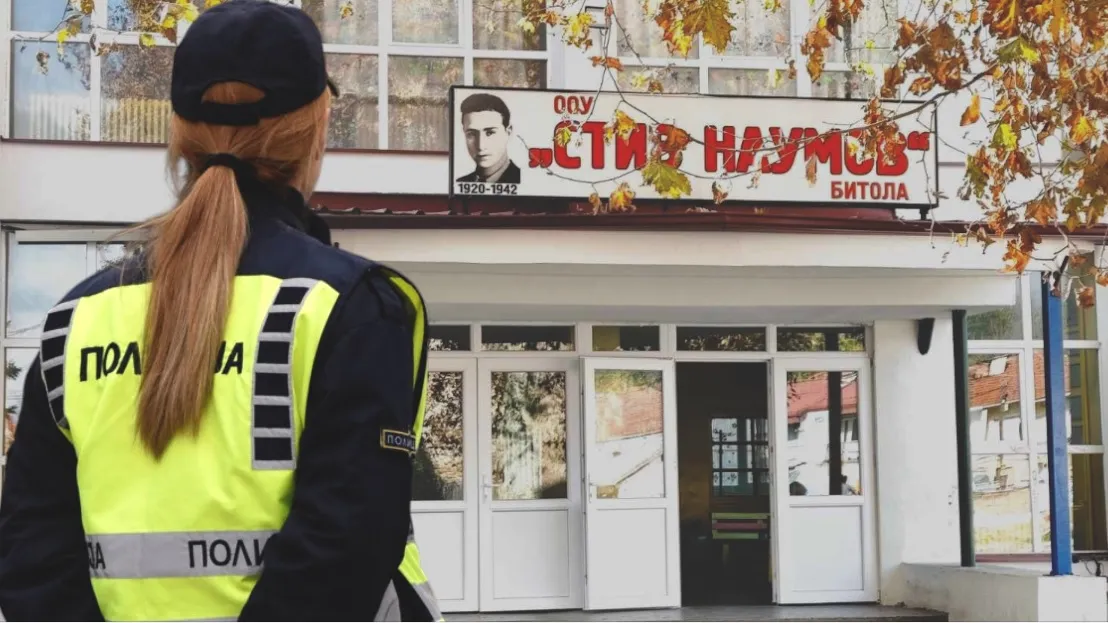
Plain-clothes police will be guarding the primary school „Stiv Naumov" in Bitola. The reason - a seventh-grader posted on TikTok a „liquidation list" with the names of his classmates. The case has activated every school, police, legal and social service - but it also raises a deeper question: why are children in Macedonian primary schools reaching for such violent rhetoric, and what are we doing to stop it?
The police protection measure was requested by the School Board at an emergency session, called after parents grew alarmed. The school insists: „There's no reason to panic about student safety. All the institutions involved are acting within their authority." That's PR language. A standard formulation for a standard crisis. But the problem is - more and more of these „standard" crises are turning up in Macedonian schools.
The context of this case is instructive. The pupil had, some time earlier, been moved from one class to another to help him fit in better. There were disagreements with his new classmates, their parents reacted. Then on social media „inappropriate and threatening messages" appeared. A parents' meeting was held, at which parents demanded the pupil be moved. After the meeting - more messages appeared, this time from entirely different people, with predictions of disturbing events.
This part of the story is the most alarming. It's not just one pupil with a problem - it's several people playing with anger and fear on social media. That shows the situation is no longer within the scope of one troubled case. It's a group dynamic - online violence amplified by the general atmosphere, not just one individual student.
The principal, Nikola Piskačev, filed reports with the Prosecutor's Office and the Centre for Social Work. His reasoning: „Although the content was not posted within the school, nor during teaching hours, we reported the case to the responsible institutions for it to be fully examined." That's an institutional decision. But institutions so far haven't shown they can prevent cases like this.
For the Bitola parent walking their child to school with frayed nerves, this is a small serial of school crises in Macedonia. The Bitola case fits a wider trend - school violence, online threats, group mobilisation around disagreements. The question Macedonian institutions need to answer isn't „how do we react?" - it's „how do we stop the next one?". For now, there is no answer.
The latest 10 news from this category
Estonia is now 12th in the global anti-corruption rankings, and SDSM is announcing a copy of that law - but...
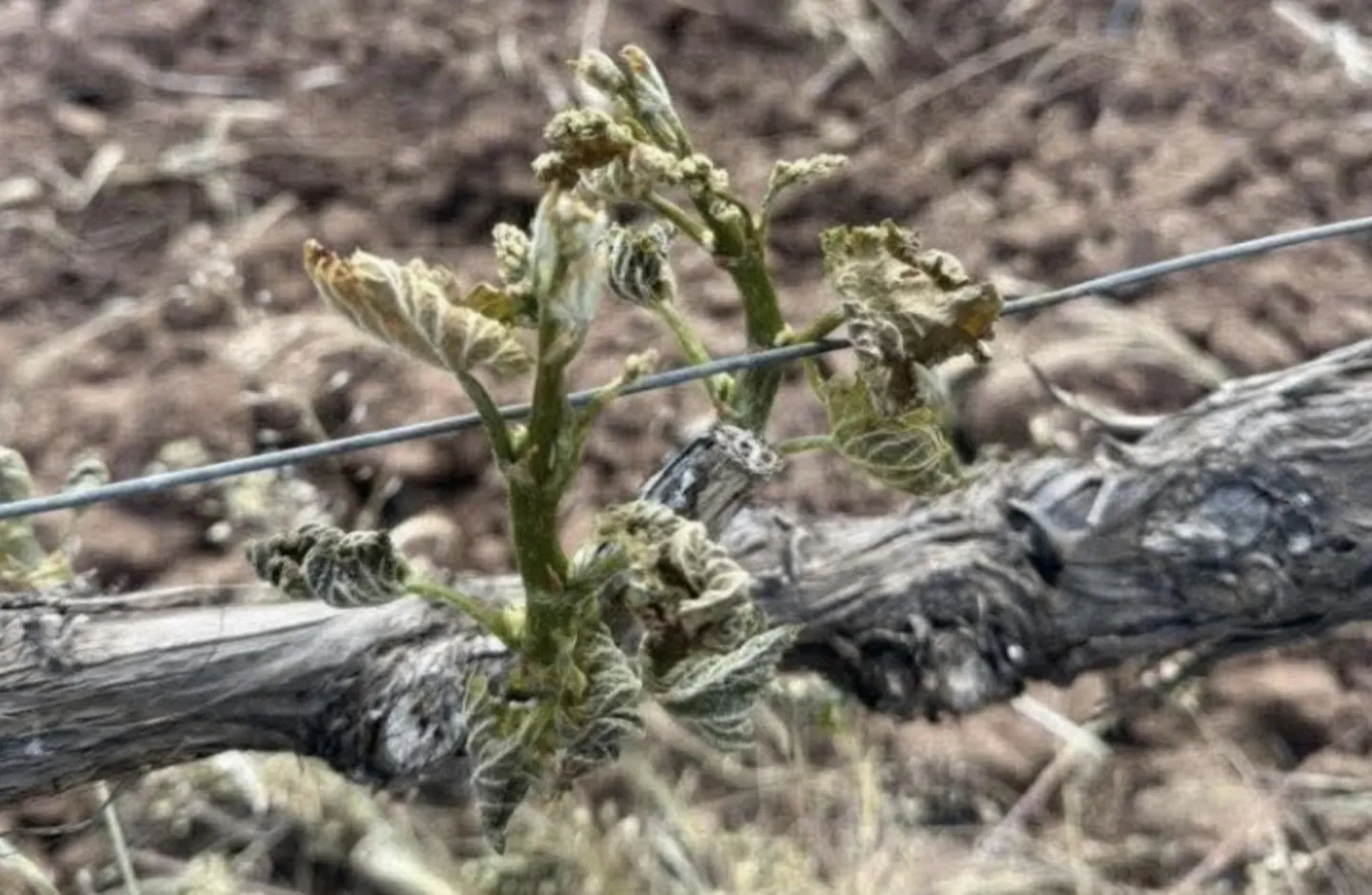
May 2 brought low temperatures that wrecked the young growth in the vineyards - the municipality reacts with paperwork, and...
After 22 years, the old machine stopped working in September - and regional patients went without the service. The hospital...

Lawyer Maja Ristova posted the video and warned - institutions don't react to peer violence until a tragedy on the...

OVR Kičevo police searched two locations under a warrant and added another snapshot to Macedonia's long, slow fight with its...

EVN does work on a substation, the Skopje water utility issues a notice, residents stockpile bottles - the standard city...
Moscow threatens „mass retaliation" if the Victory Day parade is disrupted; the EU says it is staying put in the...
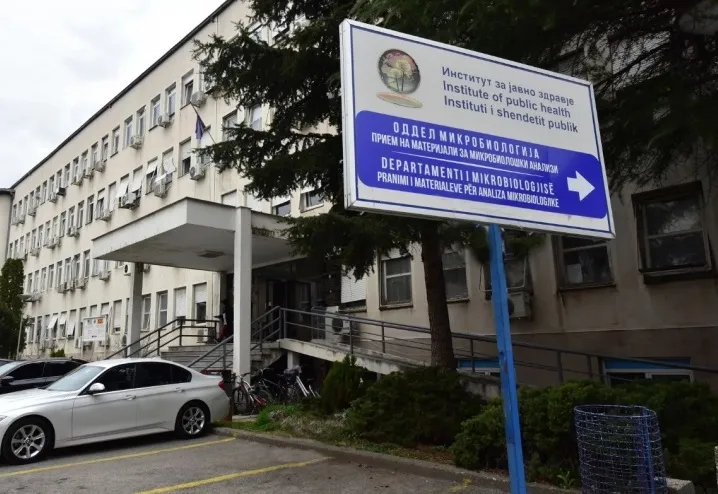
The Institute for Public Health says there is no risk in Macedonia, but the cruise industry gets a reminder -...

Montenegro forms a dialogue commission, Croatia insists on its return, and the post-Yugoslav fight over inheritance gets another chapter -...

The unification congress on Europe Day seals the process - but the question politicians rarely raise: is unification always progress,...