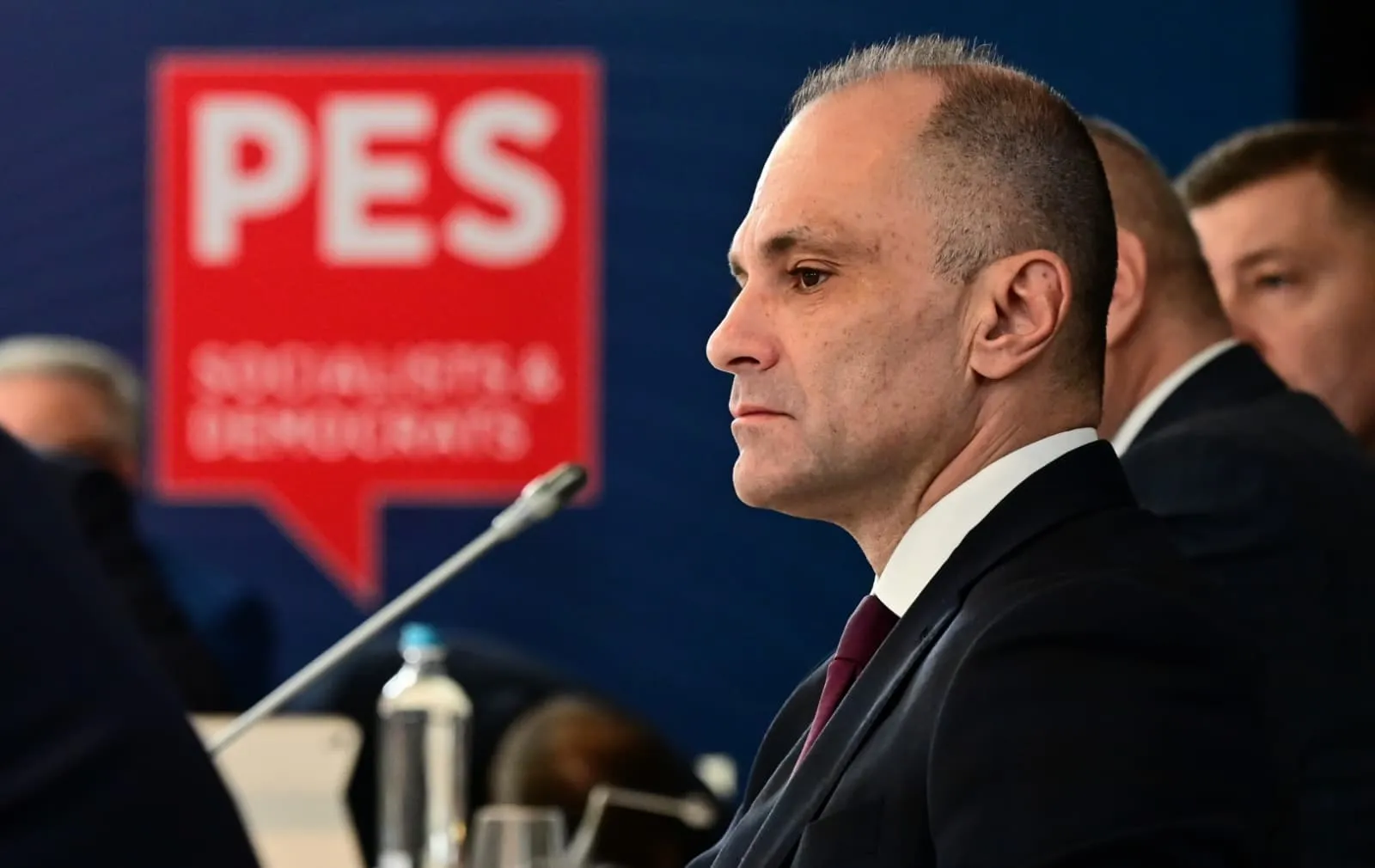
Filipče Promises a New Anti-Corruption Law on the Estonian Model: Digitisation, and One Day He'll Be Prime Minister
08.05.2026


08.05.2026
08.05.2026

08.05.2026
08.05.2026

07.05.2026
06.05.2026

08.05.2026

08.05.2026

07.05.2026

08.05.2026

08.05.2026

08.05.2026

08.05.2026

07.05.2026

06.05.2026

08.05.2026

08.05.2026
07.05.2026

09.03.2026

27.02.2026

19.02.2026

14.04.2026

07.11.2025
07.11.2025

23.04.2026

23.04.2026

12.04.2026

A video out of Štip has shaken part of the Macedonian public over the past period - footage in which several children beat a young girl. The recording shows the victim being hit with fists and slaps to the head and body, dragged by the hair, and then kicked while she lies helpless on the ground. According to the reports, the violence happened at multiple locations across the city, not in a single incident.
Lawyer Maja Ristova, who posted the video on her Facebook profile, reacted sharply to the decisions of the Macedonian institutions. „The court ordered 'Increased supervision by the parent' (laughable)," she wrote. Meaning: for months of systematic physical violence, one shared victim, video evidence - the judicial answer is that the parents should keep a closer eye on their children.
How did we get to that measure? The public prosecutor proposed „Increased supervision by the Centre for Social Work" for the criminal offence of „Violence against a child". The court judged even that measure to be too strict. Instead, it imposed only parental supervision. For the parallel offence „Neglect and abuse of a child", the original criminal complaints were dismissed, and after an appeal, the case was returned for a new decision.
The proceedings are now in the appeal phase. But the problem isn't procedural - the problem is the signal. Ristova put the principle plainly: „My point is how the institutions look at this problem. Same as with domestic violence. It seems a 'Ribnikar' has to happen before they wake up - the way they woke up to domestic violence after the 'Ivana and Katja' case." For those who don't remember either reference - „Ribnikar" is the name of the school shooting in Belgrade in 2023; „Ivana and Katja" is the Macedonian domestic violence case that, after tragic consequences, finally pushed through systemic change.
The Interior Ministry, ex officio, filed criminal complaints against the underage perpetrators. The proceedings before the court were opened for the offences „violence against a child" and „unauthorised filming" - the latter because some of the children involved in the attacks were also filming them. A generational shift - they're not just aggressive, they're actively producing social media content out of their own crimes.
So far, no criminal or misdemeanour responsibility has been sought from the parents of the perpetrators. That is an institutional choice. Macedonian law has provisions for parental responsibility in cases like this, but the prosecutor's office in this case did not pursue that line. The question that doesn't get asked often enough is whether the measure „increased parental supervision" makes sense when the parents themselves are not considered part of the system that can be held accountable.
Beyond Štip, the past weeks have brought other peer-violence cases in various Macedonian cities. In some, like in Debar Maalo in Skopje, teenagers slapped and kicked children at a playground. In Bitola, a seventh-grader posted a „liquidation list" on TikTok - the same day the Štip video went round the Macedonian internet. The trend is clear. The systemic response is not.
For parents seeing their children off to school, this is a series of reminders that violence in Macedonia no longer happens only in prison circles or on the street. It happens between children, in city parks, on playgrounds, and in school corridors. And the courts, for now, when faced with concrete cases, choose the softest possible measures. If a tragedy on the scale of „Ribnikar" has to happen for the system to change - that's a hard trauma-therapy model to build policy on.
The latest 10 news from this category
Estonia is now 12th in the global anti-corruption rankings, and SDSM is announcing a copy of that law - but...
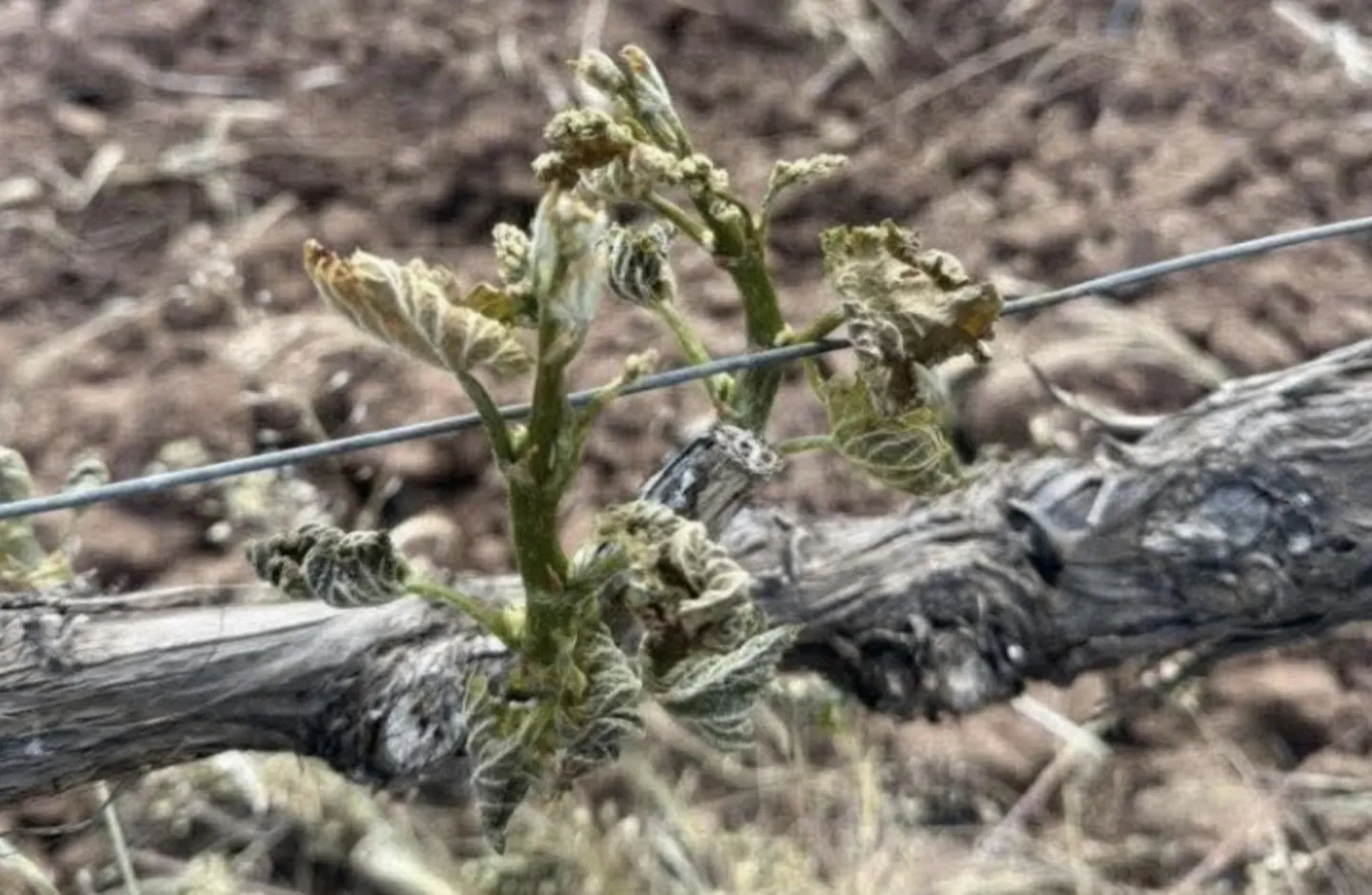
May 2 brought low temperatures that wrecked the young growth in the vineyards - the municipality reacts with paperwork, and...
After 22 years, the old machine stopped working in September - and regional patients went without the service. The hospital...

OVR Kičevo police searched two locations under a warrant and added another snapshot to Macedonia's long, slow fight with its...
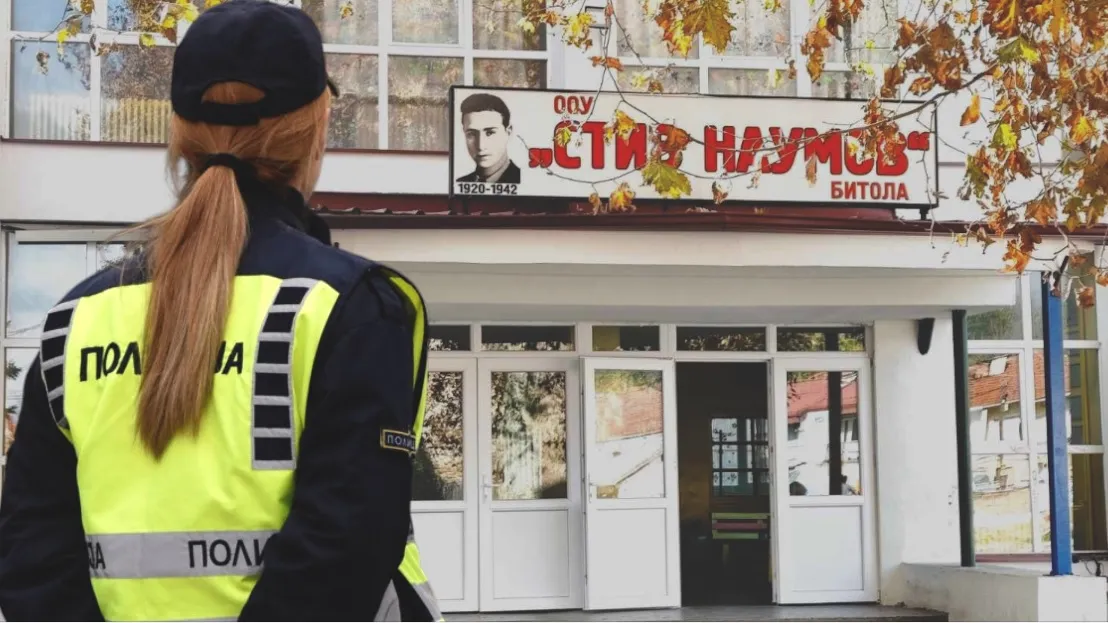
TikTok threats, parental panic, and a group online dynamic that has crossed the line of an individual case - Macedonian...
EVN does work on a substation, the Skopje water utility issues a notice, residents stockpile bottles - the standard city...
Moscow threatens „mass retaliation" if the Victory Day parade is disrupted; the EU says it is staying put in the...
The Institute for Public Health says there is no risk in Macedonia, but the cruise industry gets a reminder -...

Montenegro forms a dialogue commission, Croatia insists on its return, and the post-Yugoslav fight over inheritance gets another chapter -...

The unification congress on Europe Day seals the process - but the question politicians rarely raise: is unification always progress,...