

Kratovo man stabs police officer mid-intervention: prosecutors want the 40-year-old detained
15.09.2026


15.09.2026

15.09.2026

15.09.2026

15.09.2026

15.09.2026

15.09.2026

15.09.2026

14.09.2026
13.09.2026

15.09.2026

15.09.2026

14.09.2026

15.09.2026

15.09.2026

15.09.2026

15.09.2026

14.09.2026

13.09.2026

15.09.2026

15.09.2026

15.09.2026

15.09.2026

15.09.2026

14.09.2026

09.03.2026

27.02.2026

19.02.2026

15.09.2026

14.09.2026

14.09.2026

23.04.2026

23.04.2026

12.04.2026

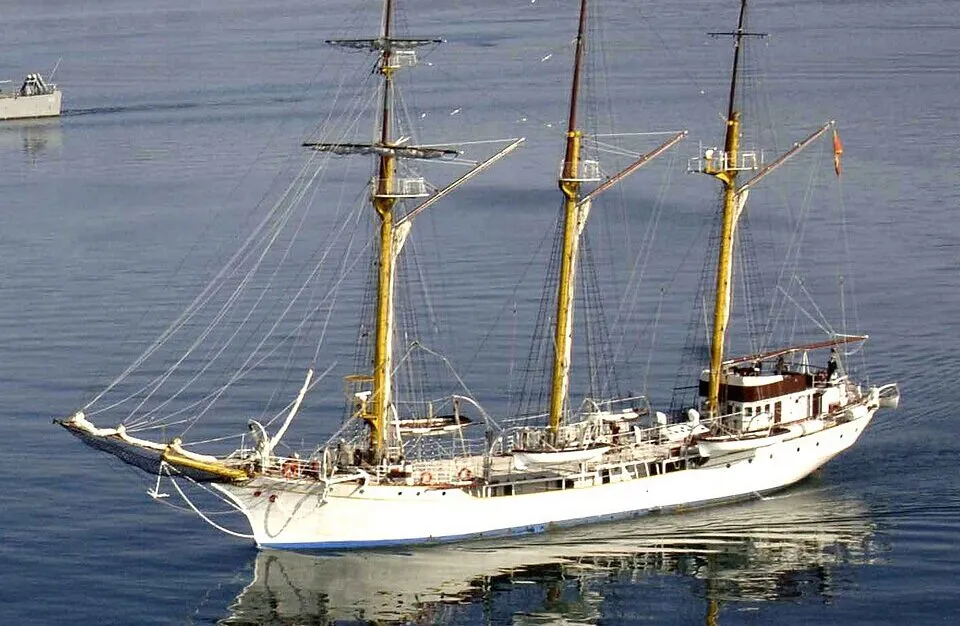
A ship built in 1931, more than nine decades at sea, and still capable of triggering a political crisis. The "Jadran" - the training sailing ship of the former Yugoslav royal navy - is once again at the center of diplomatic tension between Croatia and Montenegro. Podgorica considers it "a cultural-historical and military symbol of the state." Zagreb insists it must be returned to Croatia.
The Montenegrin government this week formed a special coordination body for dialogue with Croatia, with a particular focus on the status of the "Jadran." The commission will be led by Defense Minister Dragan Krapović, who has been tasked with running an analysis and proposing solutions. Part of the brief involves opening direct communication with the Croatian side and cooperating with scientific and professional institutions.
What happened in 2024 is a small but pivotal chapter of this dispute. Croatian Defense Minister Ivan Anušić cancelled a planned meeting with Krapović over disagreements about the "Jadran" and historical questions. That was the turning point - the moment when bilateral relations between two countries sharing a Yugoslav inheritance entered a longer stuck phase.
Zagreb is not sitting back. Croatia has formed its own commission to document the request for the ship's return, headed by Foreign Minister Gordan Grlić Radman. He has stressed several times that dialogue is essential, but that each side must put its arguments on the table. Diplomatic language for: we have our version, they have theirs, and compromise is hard to come by.
The "Jadran" also carries its own controversial political biography. Krapović is part of the structure around Montenegrin Deputy Prime Minister Aleksa Bečić, and several Montenegrin politicians ended up on Croatia's list of undesirable persons after the Montenegrin parliament passed a resolution on Jasenovac. In other words - this ship isn't just a technical dispute. It's a symptom of widening disagreement between two post-Yugoslav states.
For a Balkan reader, this is an archetypal situation. States born from the breakup of the same system competing over the inheritance - military, cultural, historical. Who owns the ship? The building? The monument? The song? The name? Those questions rarely have legal answers. They are questions of political will, of regional relations, and - in the end - of who is willing to give up something to gain something. How many of these arguments has the region recycled in the last 30 years?
Will the "Jadran" return to Croatia? Unlikely anytime soon. Will it be officially recognised as Montenegrin? Probably not either. The most likely outcome is a slow, drawn-out diplomatic path to some form of compromise - perhaps shared heritage, perhaps a multi-year arrangement with port visits in both countries. The Balkans will then have one more proof that even pre-WWII history can still feel like an open wound today.
The latest 10 news from this category

The domestic regulator found the irregularities first, and then the story stopped. It took crossing a border for the same...
Two million people stood against twenty-seven states and the text never came out. A reminder that EU membership does not...
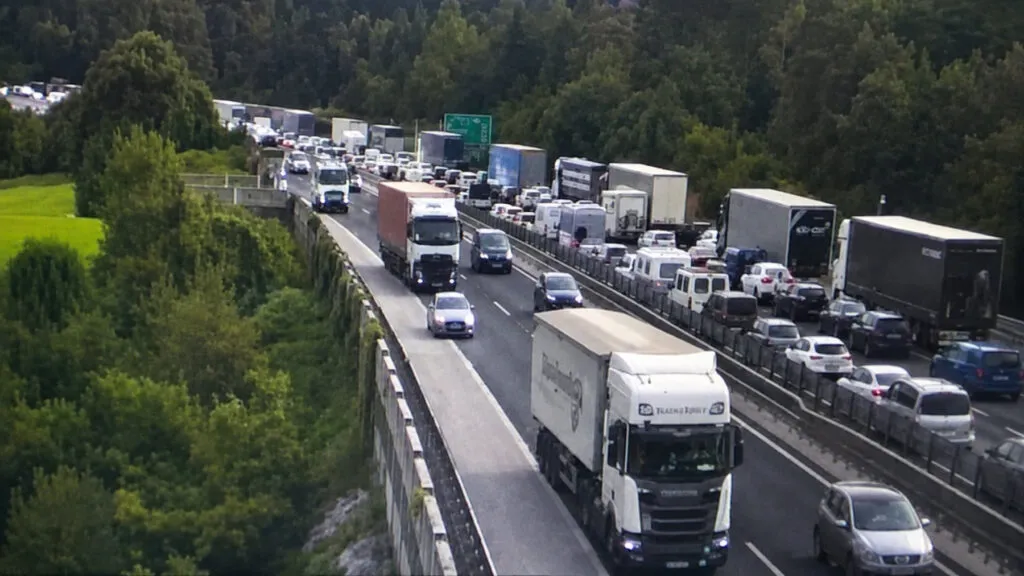
A lorry stopped in the hard shoulder with a breakdown, a car with five passengers and one impact in the...

Forty-two tonnes of water per flight and one well-organised welcome on the runway in Niš. The fire in the Deliblato...

Seven times since 2015, and one trip ended less than two months before the invasion of Ukraine. SOVA says it...
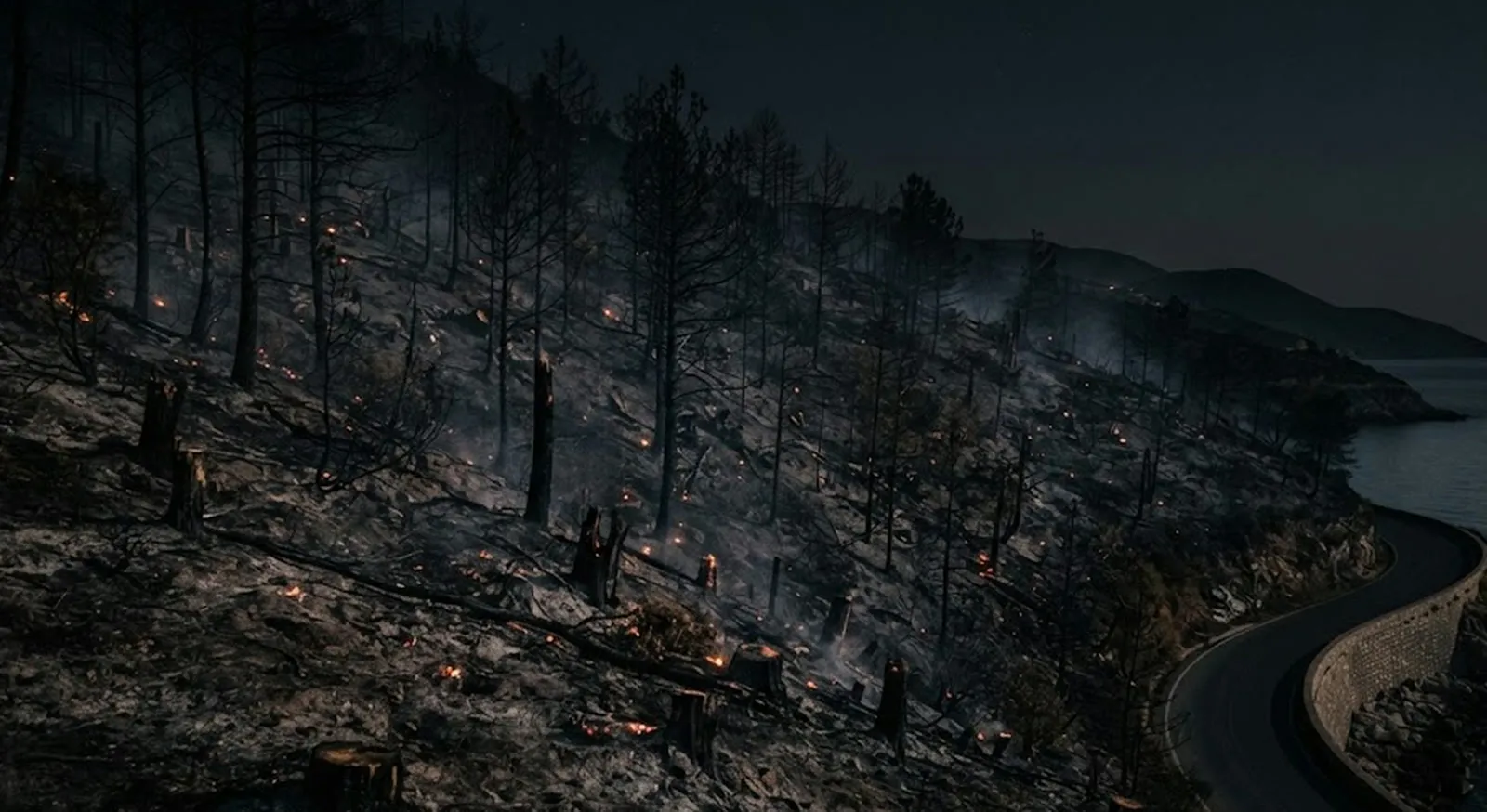
194 people evacuated by boat, 36 injured, one body found in the burnt area. Mobile phones in the zone stayed...
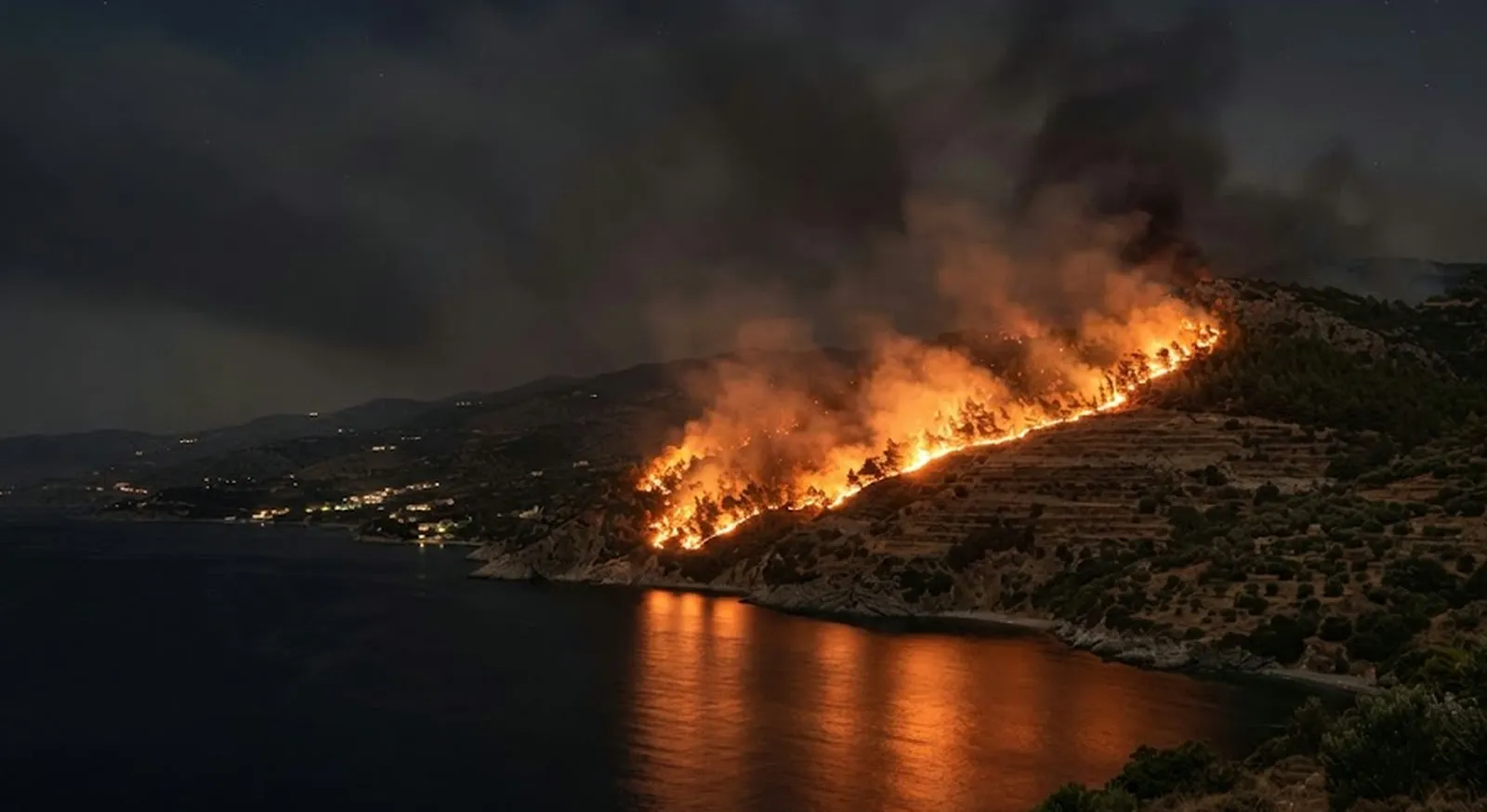
Driven by a strong night wind, the flames covered the distance from Mimice to Omiš in two hours. The question...
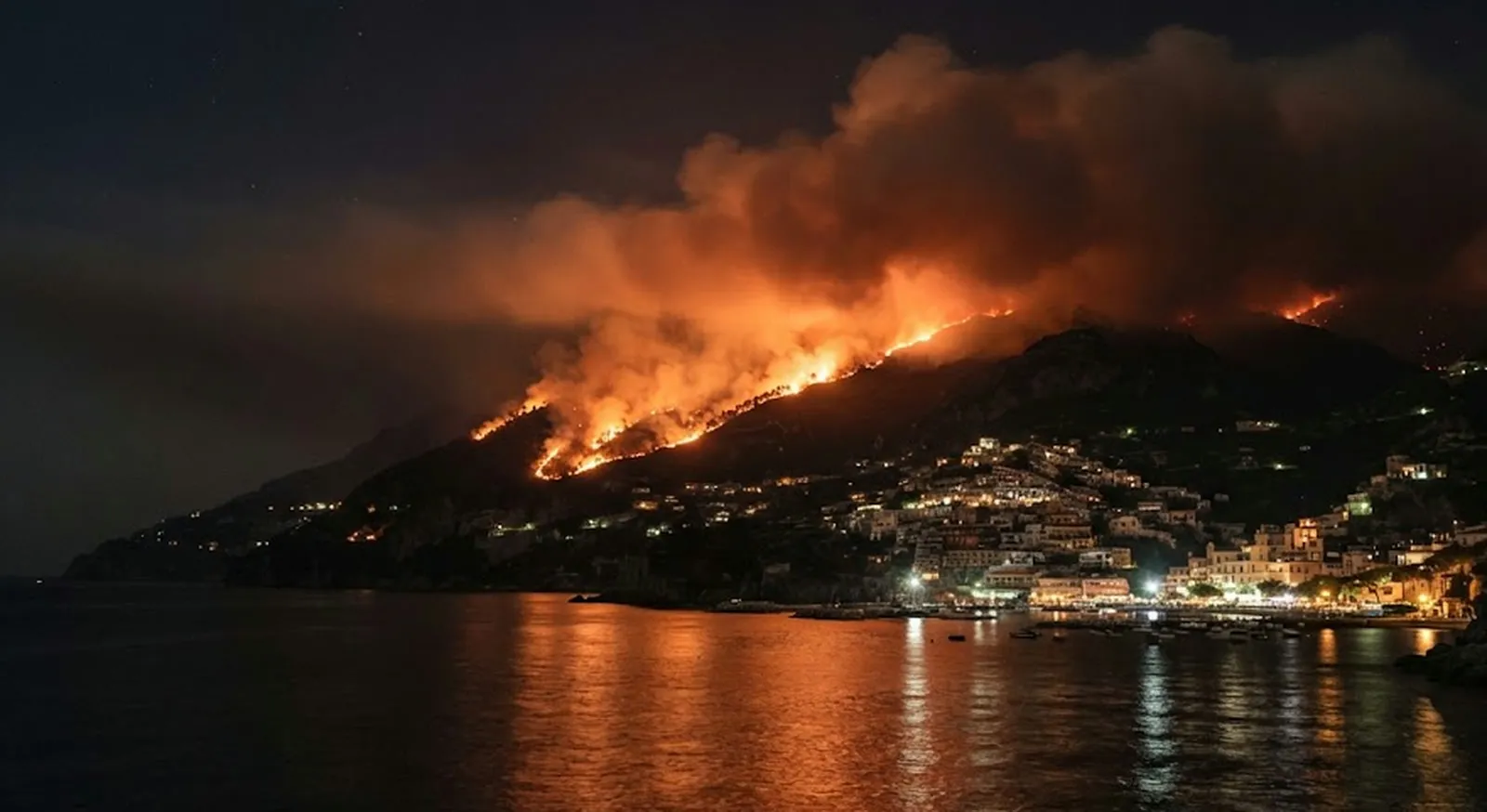
The flames reached fifty metres from the centre and people fled by boat because the coastal road was shut. A...
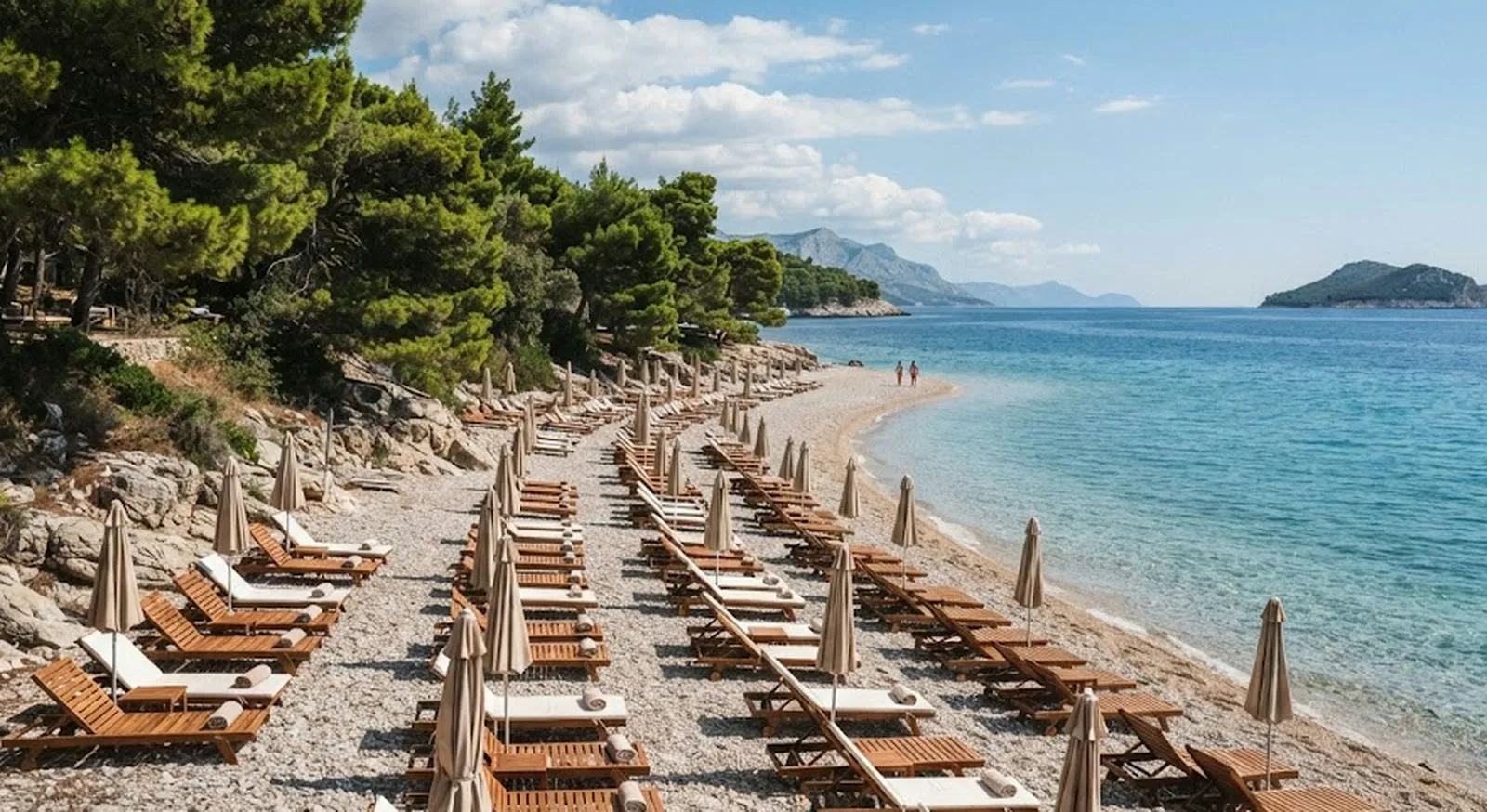
Croatian statistics record a 6.6 percent drop in June, and nearly a third fewer overnight stays from its most important...
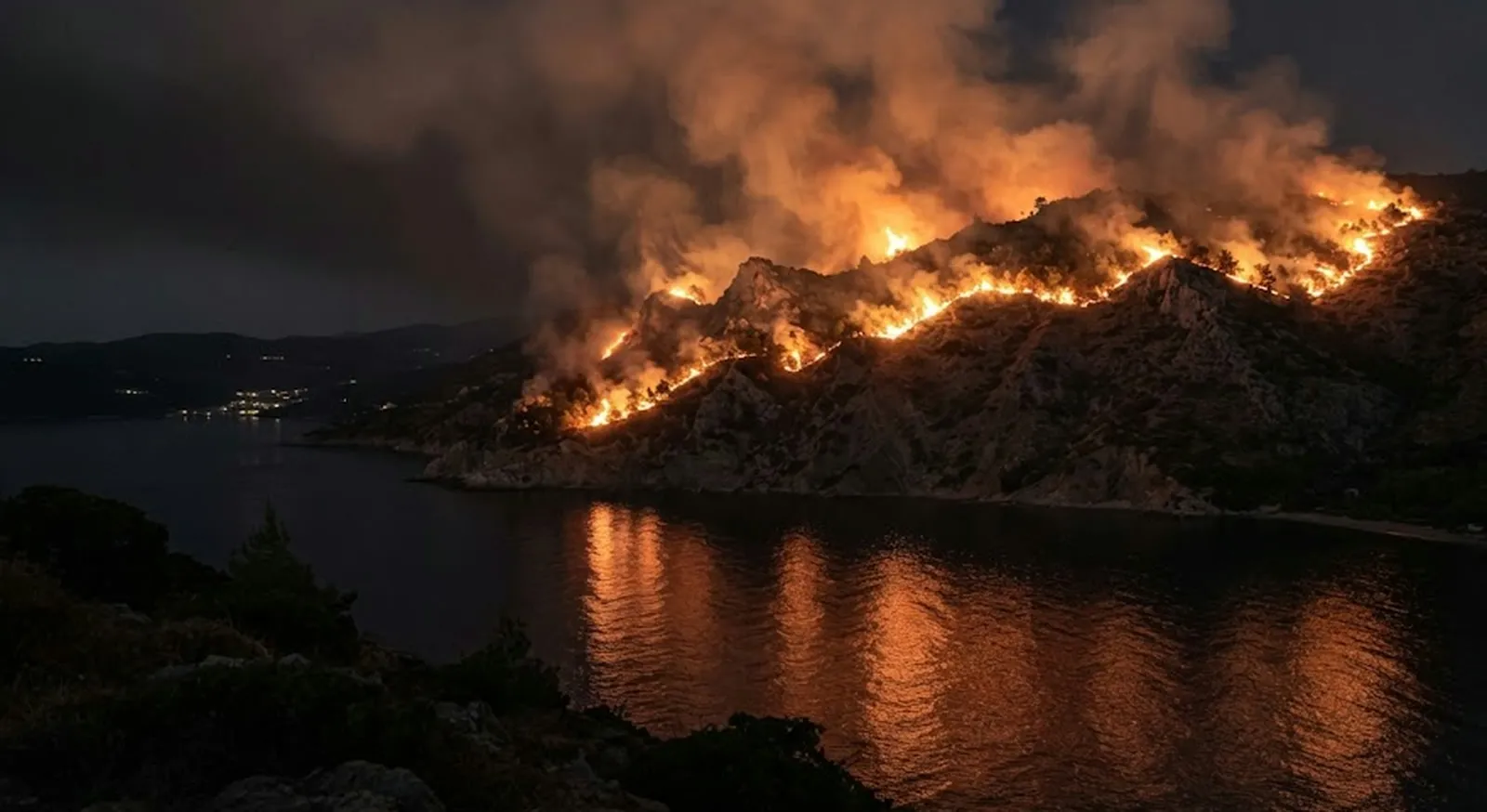
Bijela and Baošići lost power and water while the fire spread along the power line. The number two - that...
This site uses cookies - is that okay? Learn more
Be the first to know when Metla launches something new
Leave your email and we will write when there is a new guide or something new on Metla.
