
A Family Left for a Greek Holiday, Only One Child Comes Home: Tragedy on Halkidiki
16.07.2026


16.07.2026
16.07.2026

16.07.2026
16.07.2026

16.07.2026

16.07.2026

16.07.2026

15.07.2026

14.07.2026

16.07.2026

16.07.2026

16.07.2026

16.07.2026

16.07.2026

16.07.2026

09.03.2026

27.02.2026

19.02.2026

16.07.2026

15.07.2026

14.07.2026

23.04.2026

23.04.2026

12.04.2026

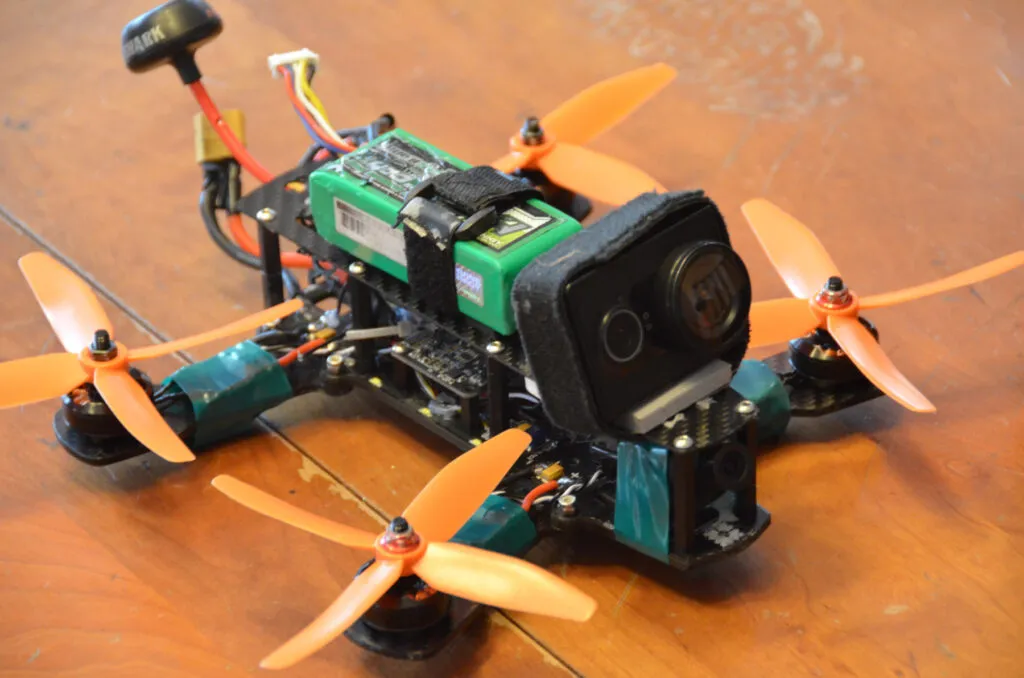
For years Europe has repeated that its money will never fund anything not manufactured on European soil. And now, quietly, it has opened exactly that door - for components from China.
Brussels approved Ukraine to use around six billion euros of European credit to buy Chinese parts for drone production: motors, batteries, electronics and other components that European industry cannot supply in the needed quantities, or fast enough. The first tranche is already moving - 3.9 billion euros have been transferred.
The program rules, in principle, require military equipment to be produced in Ukraine, in EU countries, or with approved partners. But Brussels kept a back door for itself: exceptions are allowed when the needed goods cannot be procured in time, or when European producers simply lack the capacity. And it is through exactly that door that Chinese parts now pass.
The irony is heavy. China is the key supplier of components for drone makers - on both sides of the front. The same factory that ships parts for Ukrainian drones very likely ships similar ones to the other side too. A war in which everyone swears China is the problem is being run on Chinese motors.
Total European credit for Ukraine for the 2026-2027 period reaches 90 billion euros, 60 billion of it earmarked for defense, while the military-industry budget for 2026 alone comes to 28.3 billion. These are not figures for short-term aid - this is a budget for a long war.
The EU claims the goal is for the larger share of the money to ultimately strengthen the Ukrainian and European defense industry, to cut dependence on outside suppliers. Sounds nice on paper. But the reality is that right now, when the pressure is highest, Europe cannot manage without China - even as it says the opposite every single day.
For us in the Balkans the story has a particular taste. We get lectured on principles and rules every time our membership comes up, our procurement, our concessions. But when the big players need an exception, the rules quietly bend. Do the rules apply to everyone equally, or only to those without the power to get around them?
The latest 10 news from this category

In a country in its third year of defending against an invasion, the defence minister is swapped out like a...
In nine days, 116 vessels struck and the crossings shut. Russia no longer commands its own back yard - and...
Oil surged, tankers halted, and Trump vowed to level civilian infrastructure. A war thousands of kilometres away - yet the...
War doesn't only make heroes, it makes monsters too - and from within its own ranks. A story about what...
A weapon from 1946, revived after a 40-year pause, fell on a city right by the front. We've gotten used...
Iranian missiles hit tankers, the US wrapped up a five-hour strike, and Trump wants control of the strait. The war...
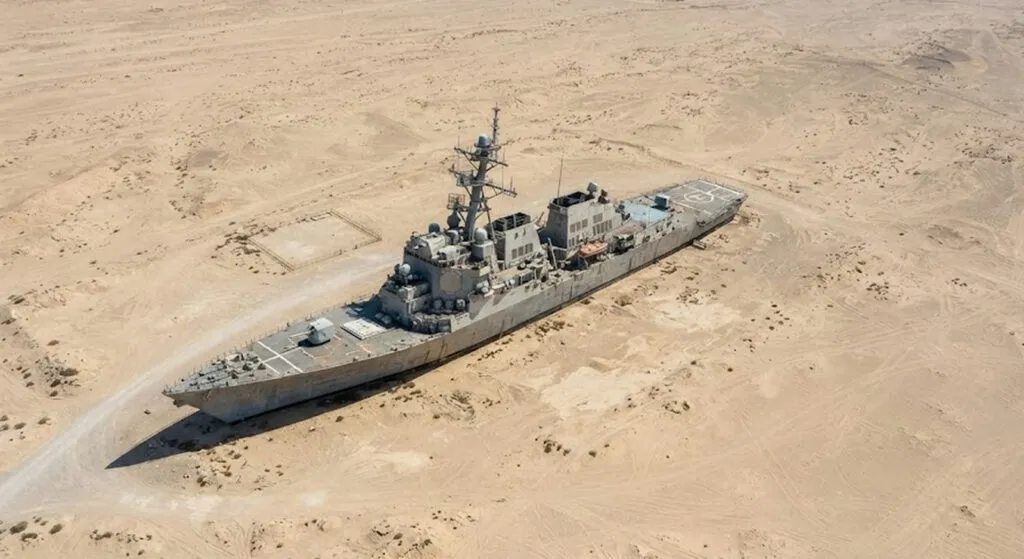
A replica 155 meters long, 1,600 km from the nearest sea. While the world looks toward Iran and Ukraine, the...
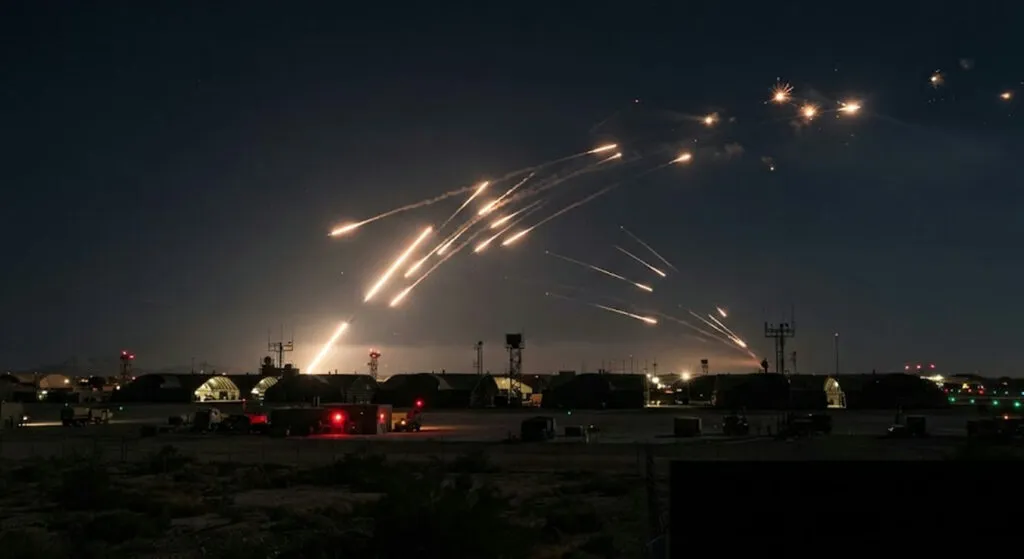
The Revolutionary Guard boasts of destroyed bases. The reality: intercepted missiles, no confirmed damage. And the cost of escalation reaches...
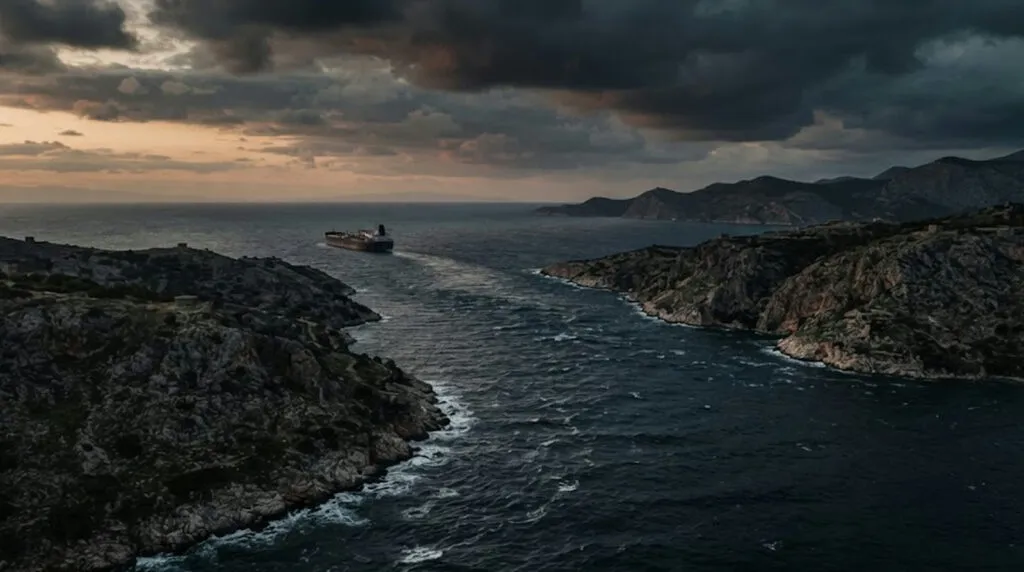
The US struck 140 Iranian targets, Iran retaliated with drones on Gulf bases, Trump says the deal is over. And...
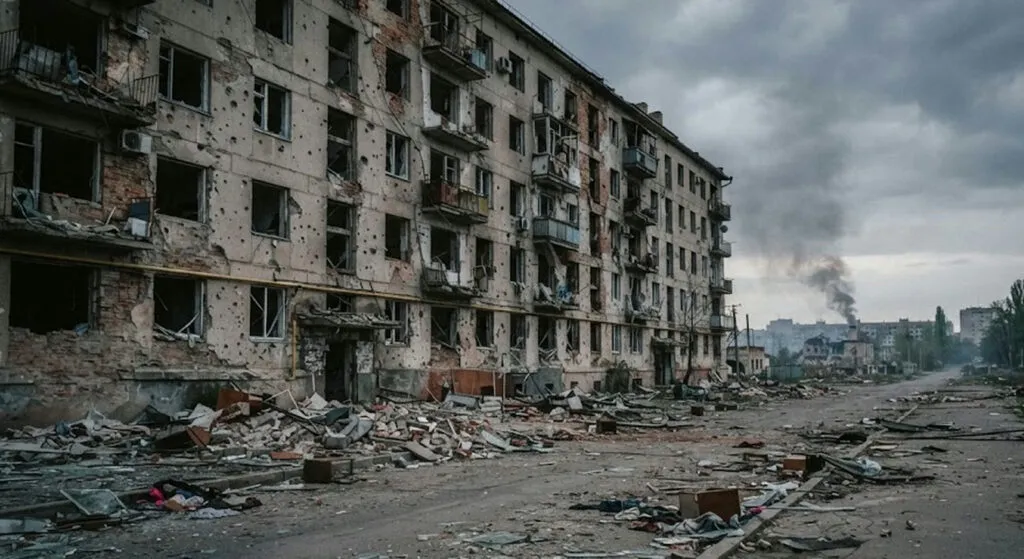
A war in which technology cuts the seconds between life and death to a minimum. The S-400 arrives before the...
This site uses cookies - is that okay? Learn more