Smugglers Dragged a Police Officer With Their Vehicle at Blace: the Second Car Is What Tells You This Wasn't an Accident
14.09.2026


14.09.2026

14.09.2026

14.09.2026

14.09.2026

13.09.2026

12.09.2026

14.09.2026

14.09.2026

13.09.2026

14.09.2026

14.09.2026

14.09.2026

14.09.2026

13.09.2026

12.09.2026

14.09.2026

14.09.2026

14.09.2026

14.09.2026

14.09.2026

13.09.2026

09.03.2026

27.02.2026

19.02.2026

14.09.2026

14.09.2026

13.09.2026

23.04.2026

23.04.2026

12.04.2026

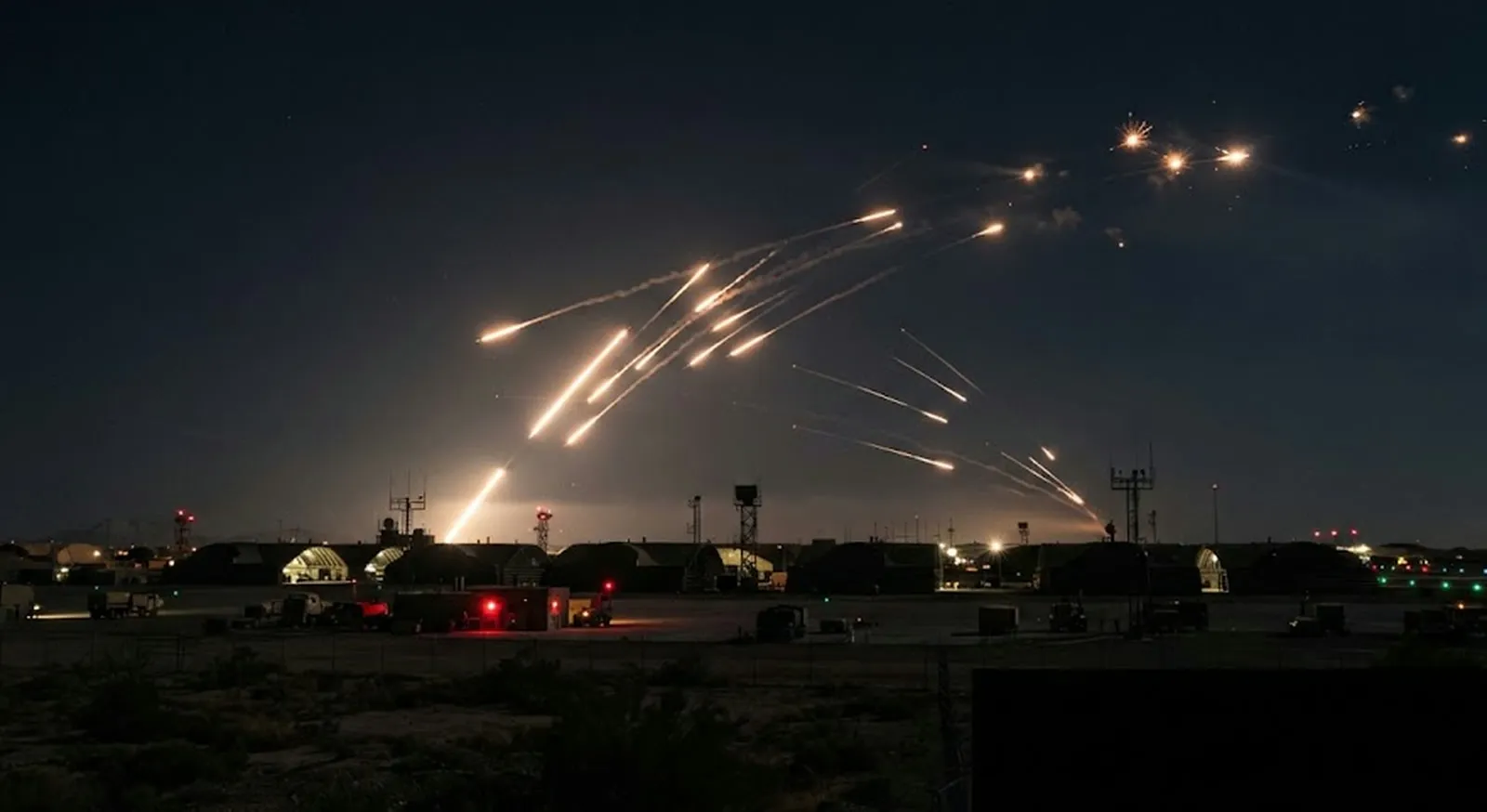
On Monday morning, Iran carried out a wave of missile strikes on US military bases in Jordan, Bahrain and Kuwait - the latest escalation that shatters the fragile ceasefire agreement between Washington and Tehran. But between what Iran claims and what actually happened, there is a big gap worth looking at soberly.
Iran's Revolutionary Guard boasted that it had destroyed fuel and ammunition depots at the „Prince Hassan“ air base in Jordan, drone command centers in Bahrain and air defense systems in Kuwait. Judging by their statements, it sounds as if America is on its knees.
The reality on the ground is different. According to independent sources, the four missiles that entered Jordanian airspace were intercepted and shot down - with no injuries and no reported material damage. In Bahrain, air raid sirens sounded and residents were told to take shelter, but there is no confirmed damage to US facilities so far. In other words, the claims of a „destroyed army“ remain exactly that - claims from one side.
This is a pattern anyone who follows wars recognizes: each side inflates its successes and minimizes its losses. That's why the first rule when reading military statements is to ask - who is saying this, and what do they gain from it sounding louder than it is?
The broader context is worrying. The war broke out at the end of February with US-Israeli strikes in which Iran's supreme leader was killed, and since then it has been waged with interruptions and attempts at a truce that keep failing. Before this Iranian response, US forces carried out another wave of strikes on Iran - dozens of targets, including air defense systems, coastal radars and missile and drone capabilities.
For the Balkans, this isn't as distant a story as it looks. Every escalation in the Middle East hits oil and gas prices - and that means our fuel and electricity bills. A war waged thousands of kilometers away still finds its way to our pockets. The question is whether anyone actually wants this war to end, or whether everyone is just waiting for the other side to blink first.
The latest 10 news from this category
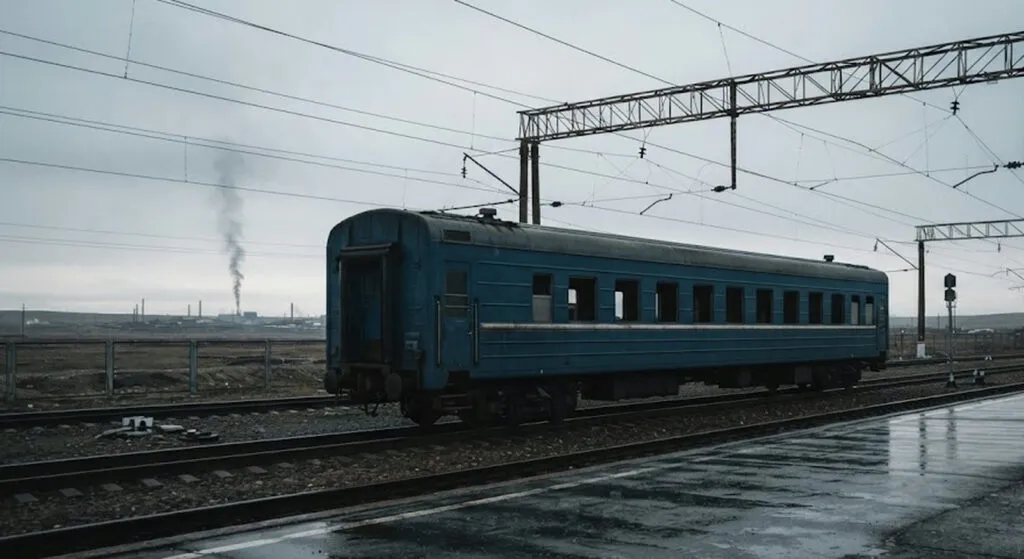
The train was empty, the locomotive damaged, nobody hurt. But Boris Johnson and a group of European security advisers had...
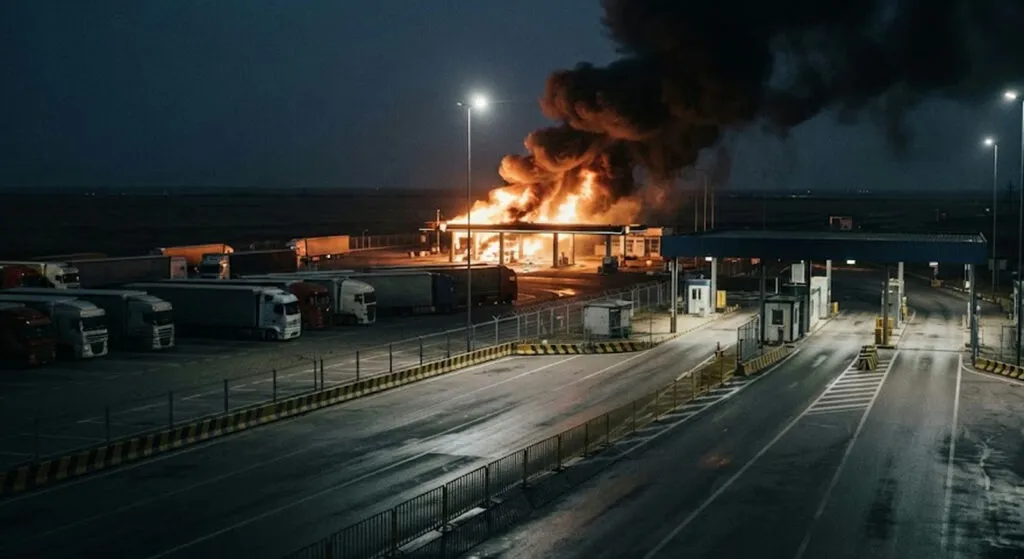
453 drones in one night, 405 shot down - and the forty-eight that got through land somewhere. Poland's prime minister...

Trump's son-in-law told an audience in Kyiv the deal is done - if Ukraine withdraws. And added that the battlefield...

A barren volcanic rock in the middle of a strait 28 kilometres wide changed the oil market in a single...
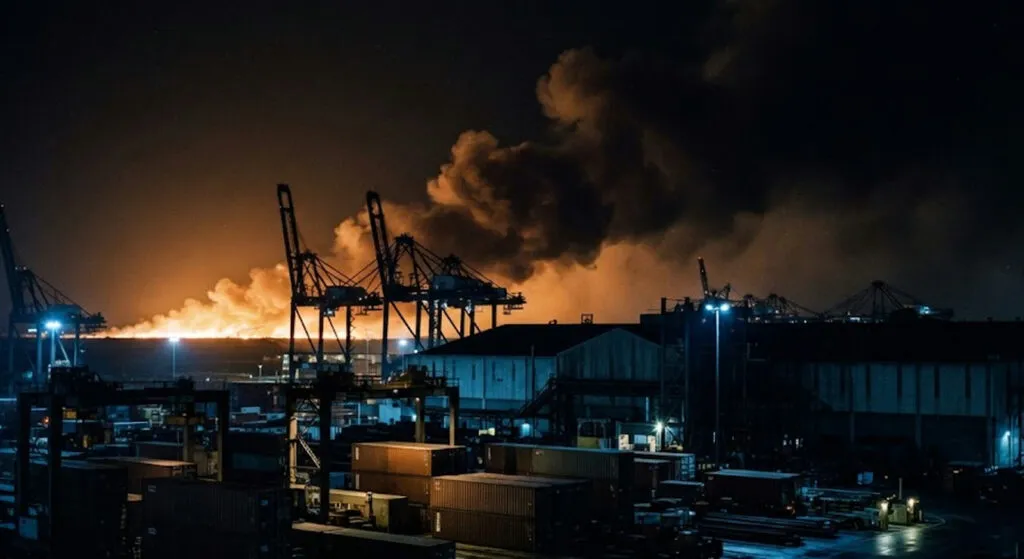
Hostomel, Odesa, Kryvyi Rih - targets that are not the front line but the supply chain. A war against the...

We don't want war with Europe, but here is exactly how that war would start. He said both sentences in...

When an army recalls its special forces with a 12-hour deadline, that is not a rota but a signal. The...

Port infrastructure in Makhachkala and the theatre building caught fire, the governor said. Moscow claims it shot down 448 drones...
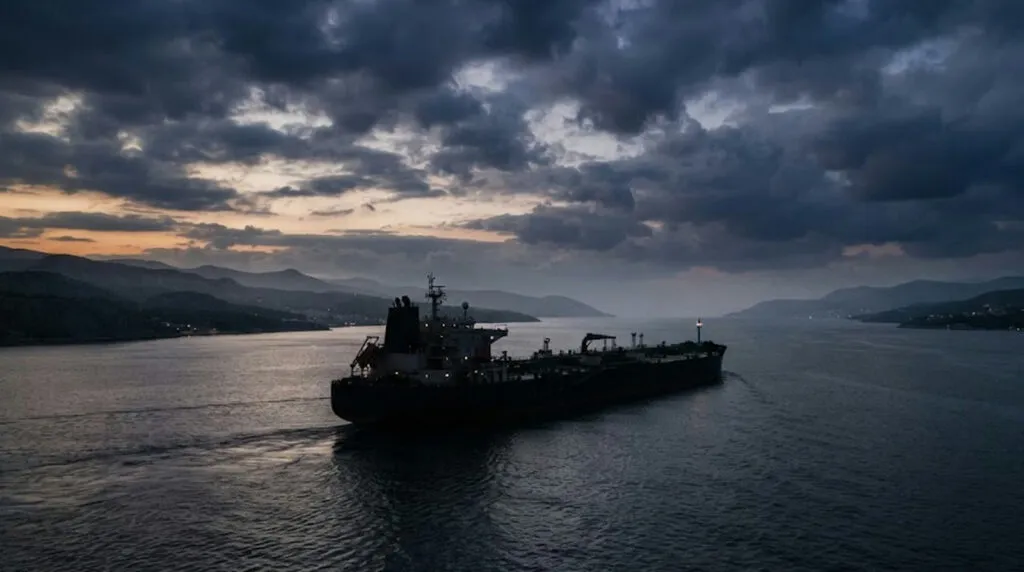
Tehran says it hit around ten ships, Washington says it destroyed five Iranian tankers and that its own vessel is...
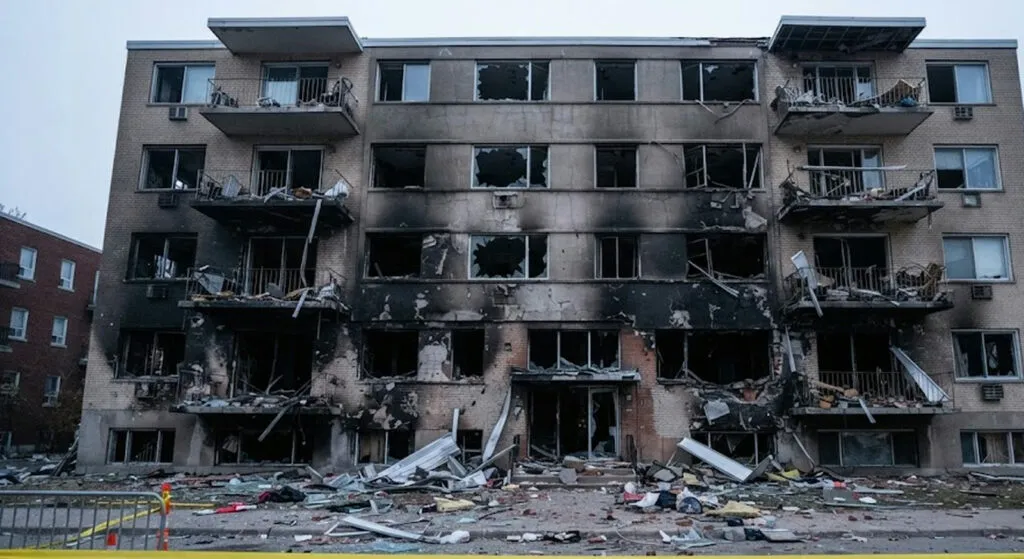
Residential buildings, a kindergarten and an Orthodox church damaged in Russia's largest Black Sea port. Four dead and 29 injured...
This site uses cookies - is that okay? Learn more
Be the first to know when Metla launches something new
Leave your email and we will write when there is a new guide or something new on Metla.