


Kratovo man stabs police officer mid-intervention: prosecutors want the 40-year-old detained
15.09.2026


15.09.2026

15.09.2026
15.09.2026
15.09.2026
15.09.2026
15.09.2026
15.09.2026

14.09.2026
13.09.2026

15.09.2026

15.09.2026

14.09.2026

15.09.2026

15.09.2026

15.09.2026

15.09.2026

14.09.2026

13.09.2026

15.09.2026

15.09.2026

15.09.2026

15.09.2026

15.09.2026

14.09.2026

09.03.2026

27.02.2026

19.02.2026

15.09.2026

14.09.2026
14.09.2026

23.04.2026

23.04.2026

12.04.2026

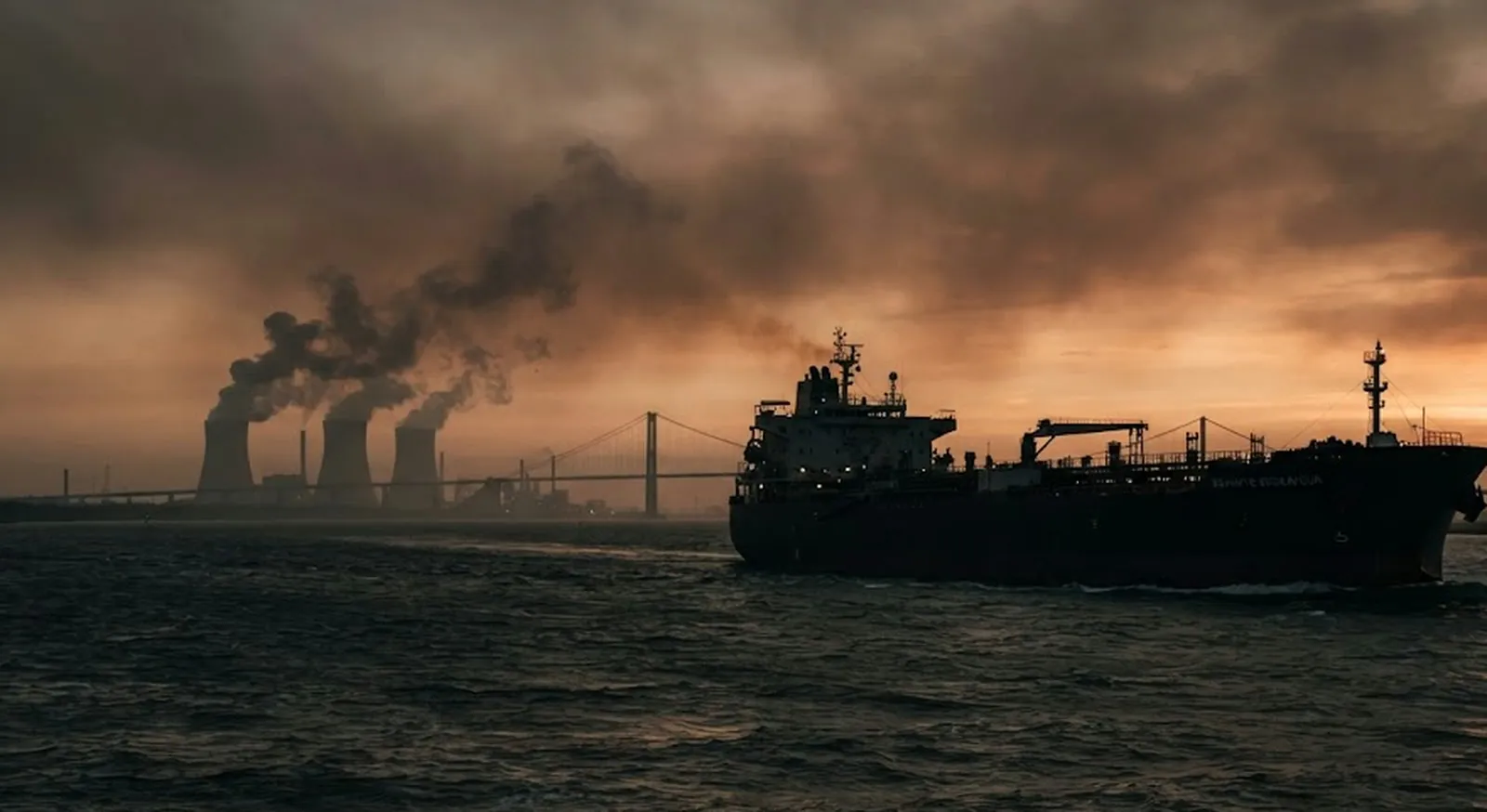
For the fourth day running, the US and Iran are trading blows, and the world once again has its eye on that same narrow strip of water through which part of the world's oil flows - the Strait of Hormuz. This time the threats came straight from the White House, and they weren't diplomatic.
"We'll destroy all their power plants. We'll destroy all their bridges if they don't sit down at the negotiating table," American president Donald Trump said in an interview with US television. Power plants and bridges - these are not military bases, this is infrastructure ordinary people depend on for electricity, water and movement.
And this is no small matter. Under the 1949 Geneva Conventions, deliberate attacks on civilians and civilian infrastructure are treated as war crimes. The UN High Commissioner for Human Rights had already condemned such threats beforehand. When a president publicly vows to tear down an entire network of bridges and power plants, that's not a bluff that passes unnoticed.
Trump first threatened to impose an extra 20 percent levy on every cargo passing through the strait, then backed off and offered "huge" trade and investment deals to the Gulf states. At the same time, his administration reinstated a naval blockade of Iranian ports. A tactic familiar to anyone who follows politics - strike with one hand, offer with the other.
Iran's Revolutionary Guard confirmed it had attacked two United Arab Emirates tankers. One crew member from India was killed, another eight were wounded. According to the guard, the ships ignored the warning and switched off their navigation systems while trying to pass through a mined route.
The consequence is immediately visible on the markets: the price of oil jumped, and commercial traffic through Hormuz almost entirely stopped. US Central Command announced it had carried out new waves of strikes on Iranian military capacities.
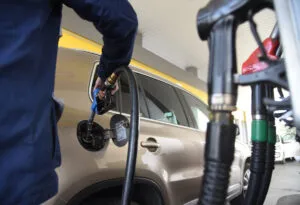
And why does this reach us? Because when oil gets more expensive on a global level, the bill doesn't stop at Hormuz - it travels to every pump, every delivery, every price on the shop shelf. A war thousands of kilometres from the Balkans, yet the effect is felt at the nearest petrol station. Do we really think this conflict won't reach our pockets?
The latest 10 news from this category
Between 2,300 and 3,000 North Korean soldiers have died in Kursk so far. Kim Jong Un has found an export...
A NATO fighter jet downed an unmanned aircraft over Lithuania minutes after midnight, and citizens got the warning on their...
The train was empty, the locomotive damaged, nobody hurt. But Boris Johnson and a group of European security advisers had...
453 drones in one night, 405 shot down - and the forty-eight that got through land somewhere. Poland's prime minister...

Trump's son-in-law told an audience in Kyiv the deal is done - if Ukraine withdraws. And added that the battlefield...
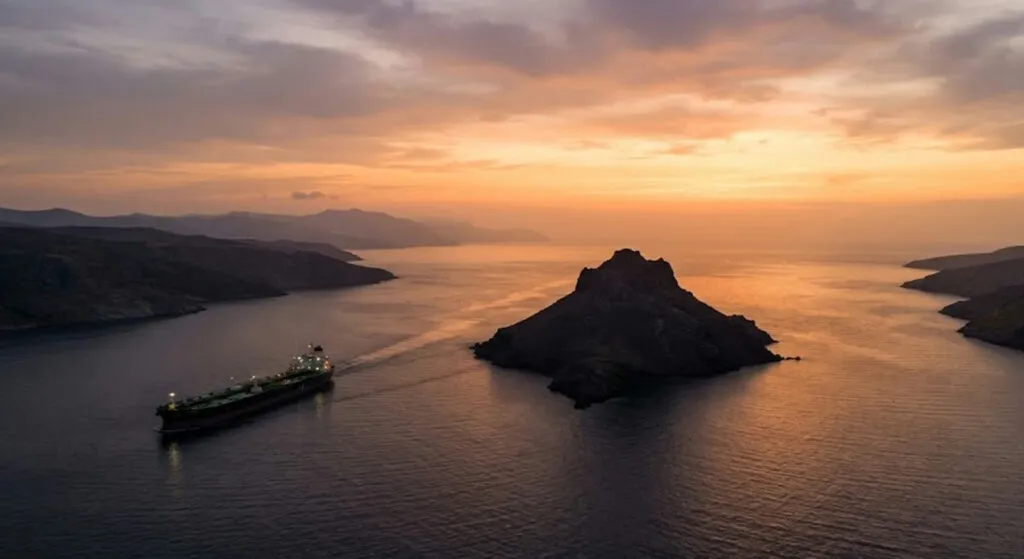
A barren volcanic rock in the middle of a strait 28 kilometres wide changed the oil market in a single...
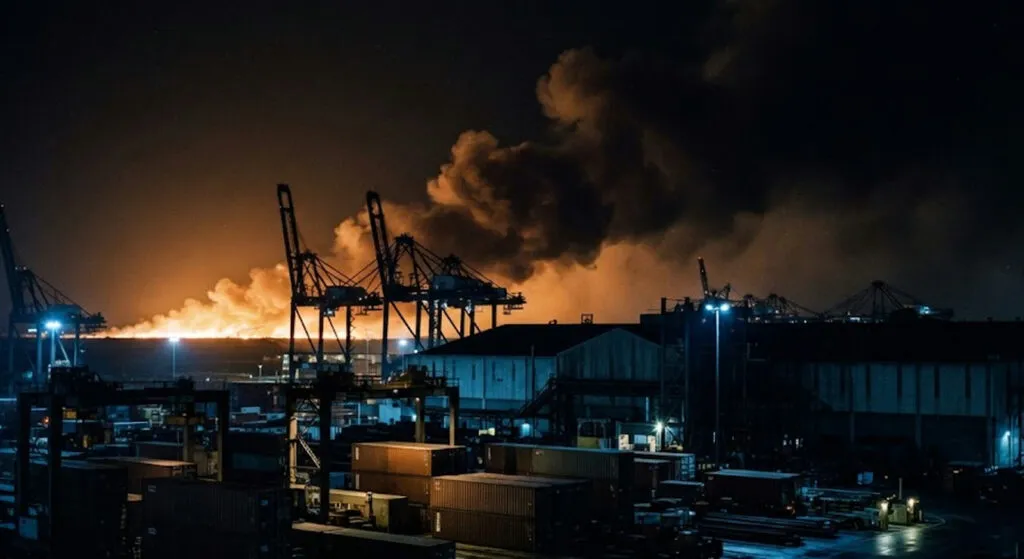
Hostomel, Odesa, Kryvyi Rih - targets that are not the front line but the supply chain. A war against the...

We don't want war with Europe, but here is exactly how that war would start. He said both sentences in...

When an army recalls its special forces with a 12-hour deadline, that is not a rota but a signal. The...

Port infrastructure in Makhachkala and the theatre building caught fire, the governor said. Moscow claims it shot down 448 drones...
This site uses cookies - is that okay? Learn more
Be the first to know when Metla launches something new
Leave your email and we will write when there is a new guide or something new on Metla.
