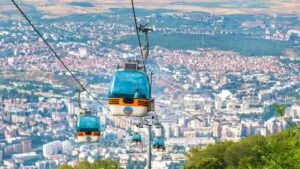
Three of Four Sensors Were Dead: Skopje's Vodno Cable Car Ran Fifteen Years Without a Real Service
17.09.2026


17.09.2026

17.09.2026

17.09.2026

17.09.2026

17.09.2026
17.09.2026

17.09.2026

16.09.2026

15.09.2026

17.09.2026

17.09.2026
16.09.2026
17.09.2026

17.09.2026

17.09.2026

17.09.2026

16.09.2026

15.09.2026

17.09.2026

17.09.2026

17.09.2026

17.09.2026

17.09.2026

17.09.2026

09.03.2026

27.02.2026

19.02.2026

23.04.2026

23.04.2026

12.04.2026

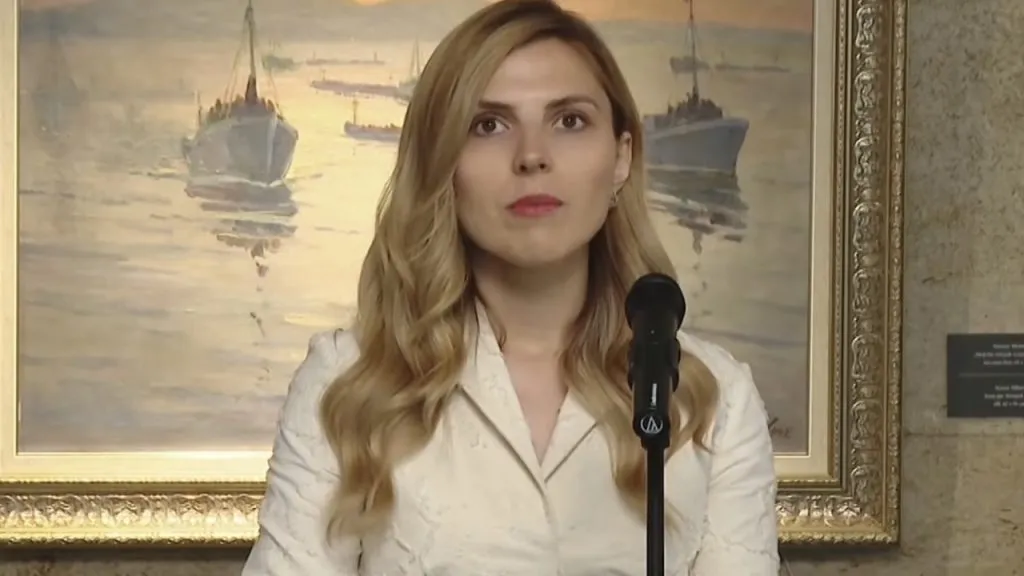
From Brussels, a different tone that sounds very much like the old one. Bulgarian Foreign Minister Velislava Petrova-Chamova, in her first address to the EU Council of Ministers, repeated the Bulgarian position - without constitutional amendments, there is no progress for Macedonia.
Specifically, Sofia wants to implement the 2022 agreement (the so-called „French proposal") - Bulgarians have to enter the preamble of the Macedonian Constitution. On top of that, Bulgaria is demanding respect for the 2017 Good Neighbourliness Treaty, measures against hate speech, the opening of the Yugoslav-era archives, and the rehabilitation of „communist regime" victims.
„The window for EU enlargement may be open over the coming years, but Macedonia risks missing the opportunity if it fails to meet its obligations", Petrova-Chamova said. In other words - the clock is ticking, and not in our favour.
Bulgaria is making one crucial shift in the narrative. The issue is no longer a „bilateral dispute". It is now „part of the EU's relations with a candidate country". That means Brussels will not act as a „mediator" - but as an „enforcer" of Bulgarian demands. It is a strategic move that frees Sofia's hands to use 27 member states rather than negotiate on its own.
Macedonian Minister Timchо Mucunski responds - „the EU accession process should be free from bilateral conditionality". That is what Skopje officially says. But the reality - 27 EU member states. One of them - Bulgaria - has a veto. And that veto will keep being used until Sofia gets what it wants.
What is Bulgaria offering this time? No new pressure has been introduced - just an honest reframing of old demands into the new communication. Albania and Montenegro are making „concrete progress" in EU integration, while Macedonia risks staying behind. The whole narrative is - everyone else can, we cannot. That sounds familiar to anyone who has followed Balkan diplomacy over the last 20 years.
For Macedonia this is an old dilemma with new actors. Constitutional amendments - all parties against, voters unwilling, reality - a process full of long stalls. Bulgaria now implicitly says „now or never". And in the context of a new government in Sofia, that is not an empty threat.
The latest 10 news from this category
Of 340 million denars, only 40 million came from private money - the rest came from the State Lottery. Prosecutors...
The State Audit Office already warned that withholding the points makes favouritism possible. The rulebook requiring them to be published...
Two senior officials announced progress, the two largest parties denied it the same day. The amendments sit blocked behind 13,500...
The police acted on their own knowledge, without the PM filing anything at all. The same mechanism exists for every...
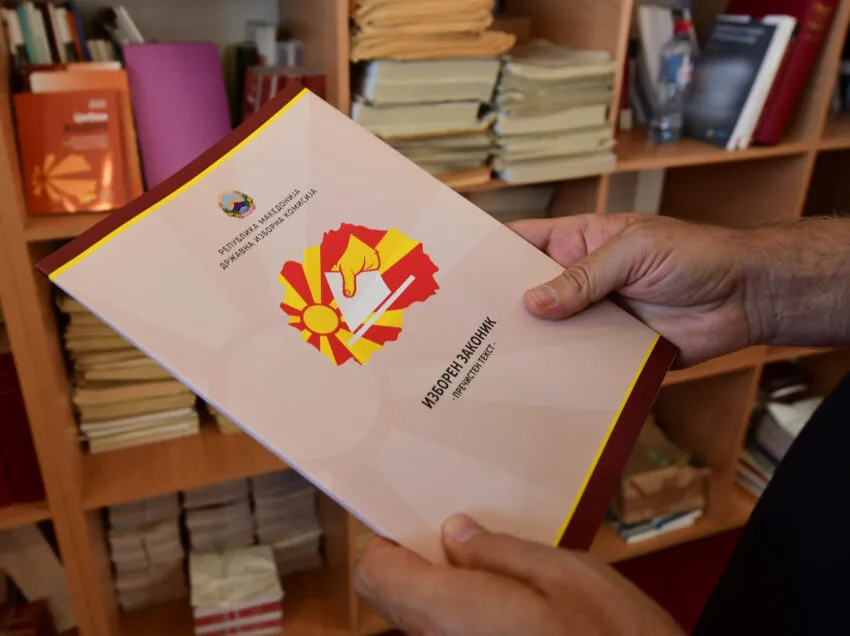
The Electoral Code is the one unfulfilled reform obligation, and the working group does not even know when it will...
It was supposed to cost "zero denars". Now the opposition wants an investigation, and the timeline - David Guetta announced...
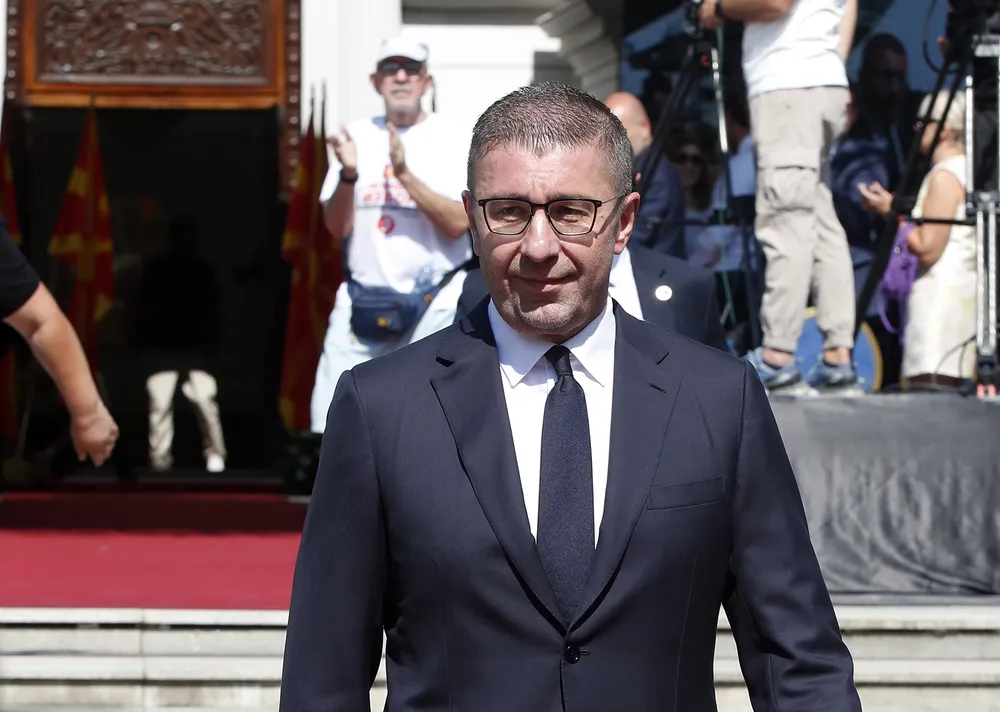
Five negations in one sentence, pension growth "16 times higher" with not a single figure beside it, and a third...
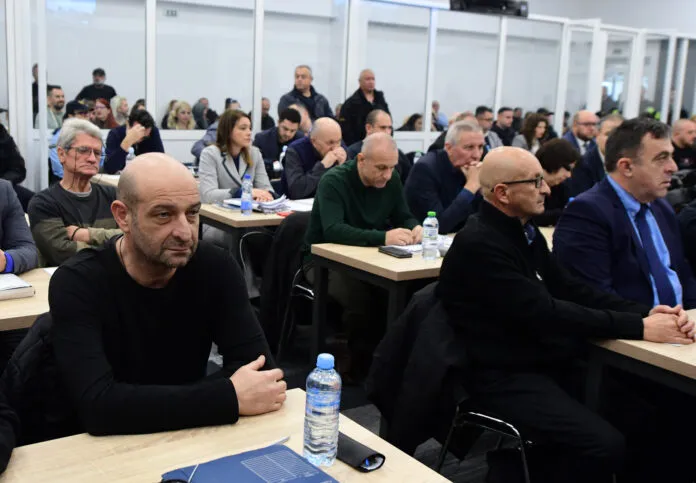
One side waits for a letter, another waits for a different commission, a third waits for consent. In those same...
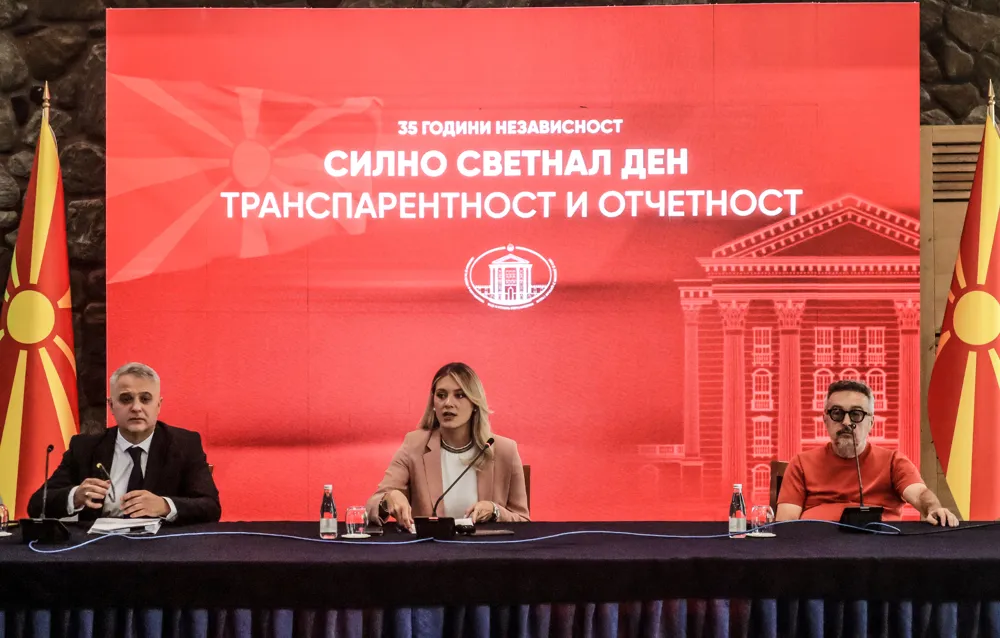
The commission's chairman says it only checked whether the documents were complete. The public call says something else entirely -...
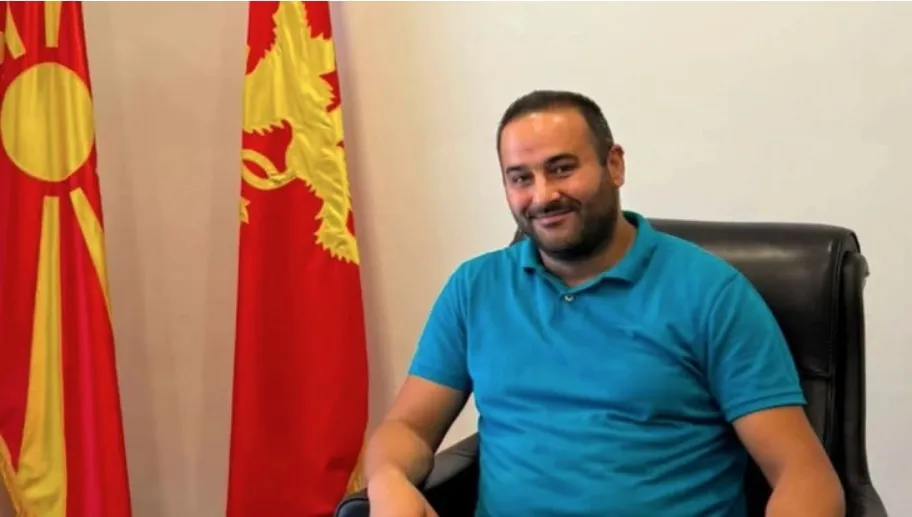
Three candidates, two of them lawyers, one of them employed by the very municipality he is running for. The line...
This site uses cookies - is that okay? Learn more
Be the first to know when Metla launches something new
Leave your email and we will write when there is a new guide or something new on Metla.