


Two Schoolyard Assaults Reported in a Single Day: the Police Promised Measures, the Education System Said Nothing
19.09.2026


19.09.2026
19.09.2026
19.09.2026

19.09.2026

19.09.2026
19.09.2026
19.09.2026
18.09.2026

17.09.2026

19.09.2026

19.09.2026

18.09.2026

19.09.2026

19.09.2026

19.09.2026

19.09.2026

18.09.2026

17.09.2026

19.09.2026

19.09.2026

19.09.2026

19.09.2026

19.09.2026
18.09.2026

09.03.2026

27.02.2026

19.02.2026

18.09.2026
17.09.2026

16.09.2026

23.04.2026

23.04.2026

12.04.2026

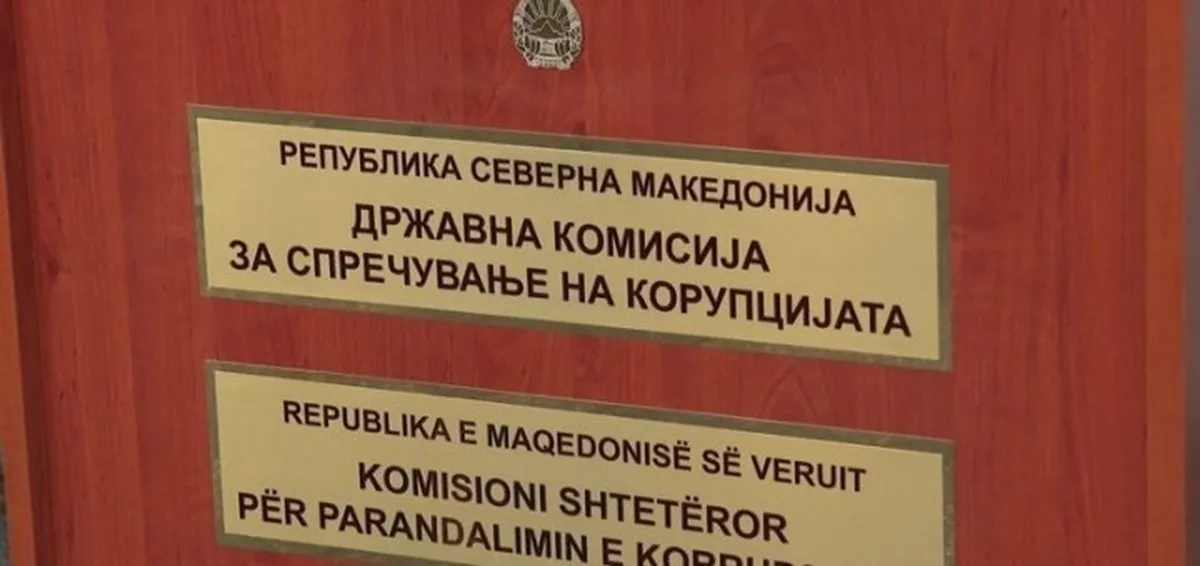
The parliamentary commission on elections and appointments decides today on the new compositions of two key institutions: the State Commission for the Prevention of Corruption (DKSK) and the Council on Juvenile Delinquency. The lead figure of the session is Katerina Zajkovska, who with 90.67 points sits at the top of the list for a new member of DKSK.
On the DKSK list, alongside Zajkovska, are Milka Muratovska, Tanja Levajković and Vladimir Klekovski. The description: „long-term engagement in fields related to the prevention of corruption and conflicts of interest," according to the explanation accompanying the proposal. That's the standard explanation. The question is whether those words will mean anything over the next three to four years of work.
For the Council on Juvenile Delinquency, six names are in the running: Nevena Petrovska, Dimitar Karakulev, Nataša Georgieva, Zoran Kitkan, Elena Georgieva and Elena Mujovska Trpevska. The institution is less visible, but for children in the middle of the Balkans, this body has a direct impact on their lives. The questions: how many of them will show up at sessions? How much do they actually decide?
Over the last decade, DKSK has become a test for the state. When the institution is strong, corruption probes have momentum. When it's weak, it becomes a rubber stamp of correctness. The question for all of us, regardless of party affiliation: which of these candidates will be capable of going after the previous government AND the current one? Or do we accept that DKSK is a role to be played for selected topics, not for all?
All the formal procedures say the commission „decides on the basis of points." The points are set against criteria. The criteria are set against the law. That's the process. But the process doesn't guarantee the outcome. Only we guarantee - with attention, with questions, and by remembering which of these names will eventually have to make the hard calls.
The latest 10 news from this category

Мицкоски од Вашингтон го поставува синџирот: гасовод, струја, дата-центри, вештачка интелигенција. Редоследот на најавите оди обратно од редоследот на градењето.
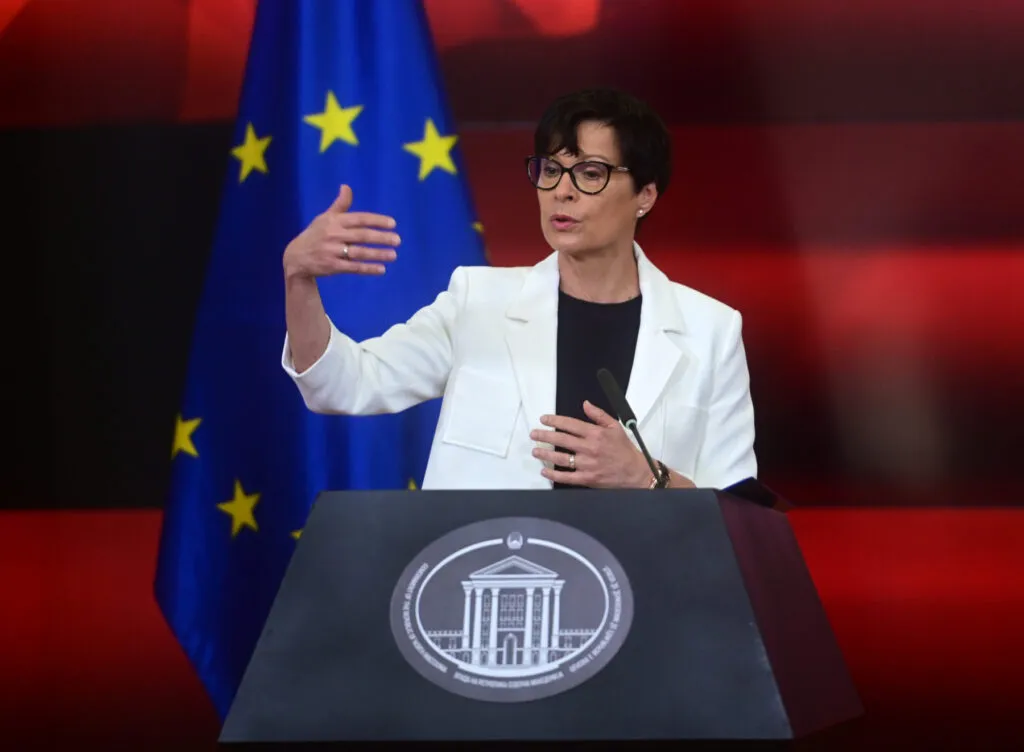
Marta Kos listed the countries getting a timetable. We are not on it. What remains is the condition we know...
Monitoring by the All for Fair Trials coalition: hearings twice a year, proceedings running up to 33 months, and young...

Of 340 million denars, only 40 million came from private money - the rest came from the State Lottery. Prosecutors...
The State Audit Office already warned that withholding the points makes favouritism possible. The rulebook requiring them to be published...
Two senior officials announced progress, the two largest parties denied it the same day. The amendments sit blocked behind 13,500...

The police acted on their own knowledge, without the PM filing anything at all. The same mechanism exists for every...
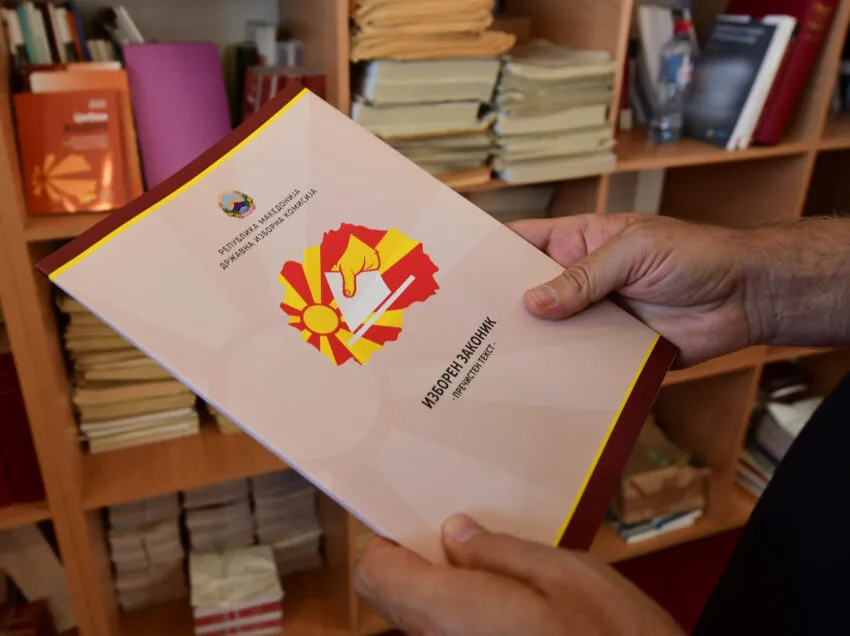
The Electoral Code is the one unfulfilled reform obligation, and the working group does not even know when it will...
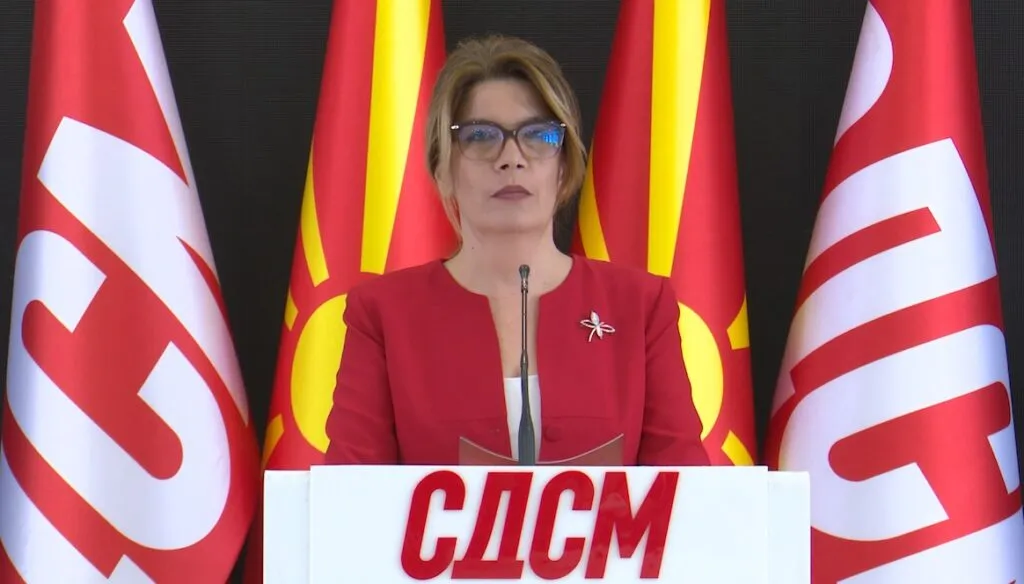
It was supposed to cost "zero denars". Now the opposition wants an investigation, and the timeline - David Guetta announced...
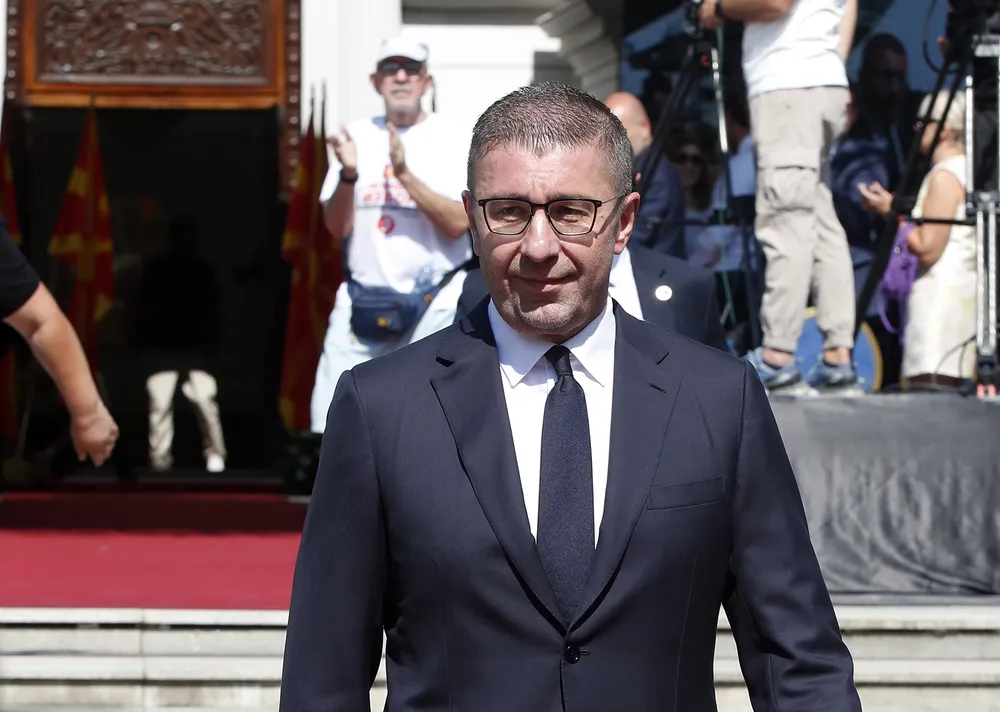
Five negations in one sentence, pension growth "16 times higher" with not a single figure beside it, and a third...
This site uses cookies - is that okay? Learn more
Be the first to know when Metla launches something new
Leave your email and we will write when there is a new guide or something new on Metla.
