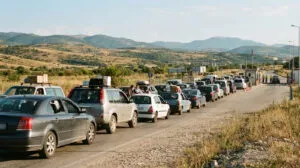
Five Tonnes of Cannabis Straight Through Customs: A Medical Licence as Cover, at Least Five Runs
18.08.2026


18.08.2026
18.08.2026
18.08.2026

18.08.2026

18.08.2026

18.08.2026
18.08.2026
17.08.2026
16.08.2026
18.08.2026
18.08.2026
17.08.2026
18.08.2026

18.08.2026
18.08.2026
18.08.2026
17.08.2026

16.08.2026
18.08.2026

18.08.2026

18.08.2026

18.08.2026
17.08.2026
17.08.2026

09.03.2026

27.02.2026

19.02.2026

18.08.2026
17.08.2026
16.08.2026

23.04.2026

23.04.2026

12.04.2026
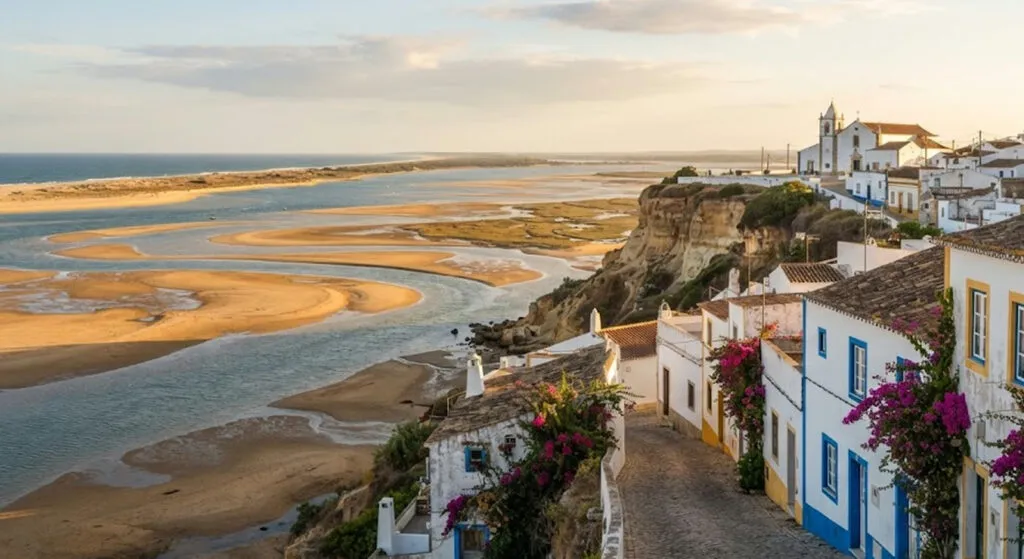
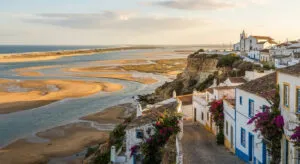
Two or three cobbled lanes, a handful of whitewashed houses with windows framed in blue, yellow and red, three or four restaurants and one small church looking out to sea. That is all of Cacela Velha, a Portuguese village on the very edge of the Algarve, a stone's throw from the Spanish border near Huelva, where barely a hundred people live. There is nothing more. And that is exactly why summer there still looks like a holiday rather than a queue.
The village clings to a rocky outcrop above the Ria Formosa Natural Park and has two thousand years of history behind it. Phoenicians, Carthaginians, Romans and Muslims all passed through, drawn by the same thing - the view. The name Cacela is believed to come from the Arabic qastalla, pointing to the fortification that once dominated the site. After the Christian conquest in the thirteenth century, the place entered the Kingdom of Portugal and kept its defensive role against pirates and corsairs. The great earthquake of 1755, the one that destroyed Lisbon, damaged the medieval buildings, so most of what is visible today is eighteenth-century reconstruction.
The Matriz church of Nossa Senhora da Assuncao is from that period - a whitewashed facade, a baroque altar inside, nothing cluttered. But the real attraction is not that either. In front of the village stretches a labyrinth of lagoons, marshes, sandbanks and barrier islands along 60 kilometres of coast, and that labyrinth changes its face with the tide. It is a view you do not photograph once, but three times in the same day, and it looks different each time.
The practical part is this: at low tide you can reach the beach on foot along a marked path. At high tide you either wade the channels in waist-deep water carrying your things above your head, or pay around two euros to a man with a boat to take you across. Two euros. Put that figure next to the price of a sunbed on any overcrowded Mediterranean shore and two very different ideas of what the sea means become clear.
There is also a price that is not in euros. The car park, expanded in recent years, simply is not enough in summer. So: you come early or you do not come at all. The village is not hidden - it is known to those who know, and that is quite enough to fill it.
When you get hungry you climb up and wait for a table at „Casa Velha”, one of the most popular places. Oysters caught in the same lagoon, sea crabs, rice with razor clams and house wine. Simple and good - a rarer combination than it sounds.
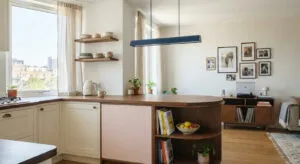
Ten minutes by car from the historic core, through fields and back roads, sits „Casas da Quinta de Cima”, an estate owned by the Ramirez family, which brought the canning business to the Algarve in the nineteenth century. The land was agricultural for decades until it was turned into luxury accommodation in 2020. Architect Joao Pedro Falcao de Campos converted the old labourers' houses into nine rooms, and the old fruit warehouses into lounges with vintage furniture, wood, ceramics and woven craftwork. The estate covers 50 hectares and has two more hidden villas.
The story of that estate is more interesting than its price: from a place where people worked to a place where people rest. It is a transformation the Balkans know by heart - except here the old house usually does not become a hotel, but an empty house with a locked door and grass up to your knees.
The latest 10 news from this category
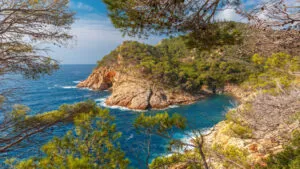
A coastline where the pine forest comes down to the water still looks like itself - but only for those...
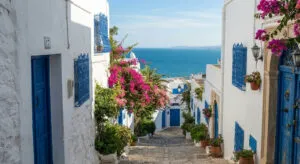
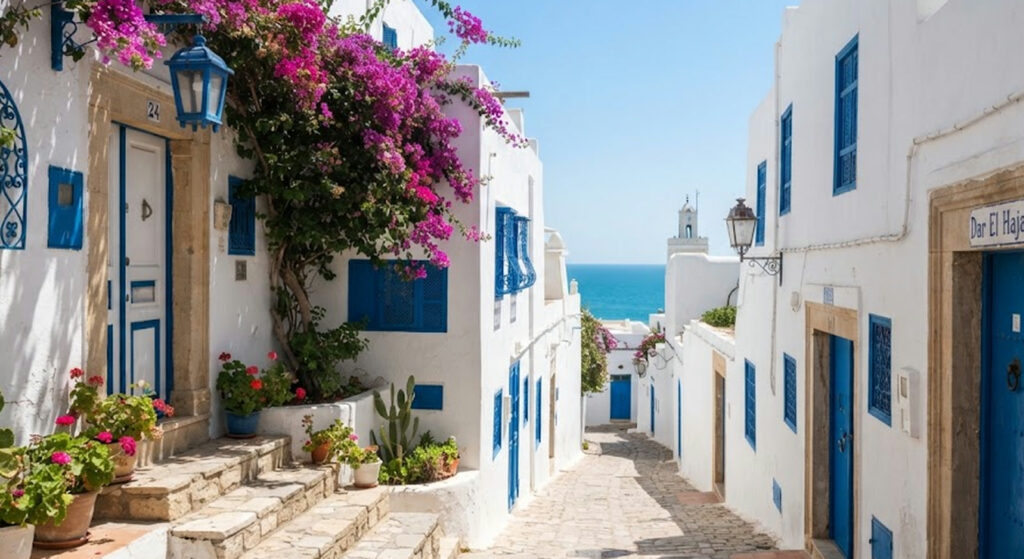
Twenty kilometres from the Tunisian capital, the most photographed village in the country. The aesthetic the world now protects was...
A British baron wrote the rule a century ago: facades white, doors and windows cobalt blue only. Not one owner...
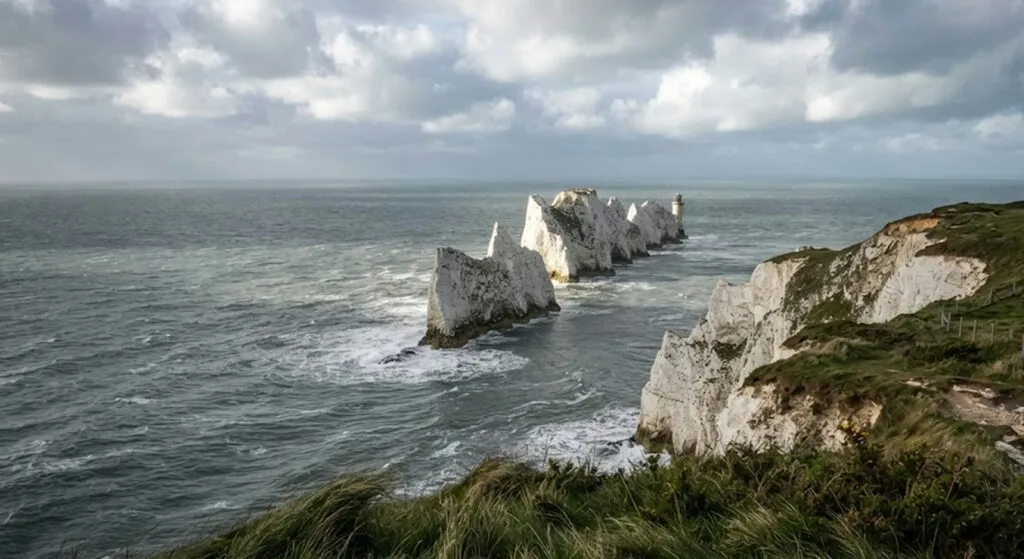
The world's only scheduled hovercraft service still runs there. Victoria called it her little paradise, so did Marx, and in...
Eight days of measurements at the crossing into Macedonia show the hour you leave changes more than anything else. Between...
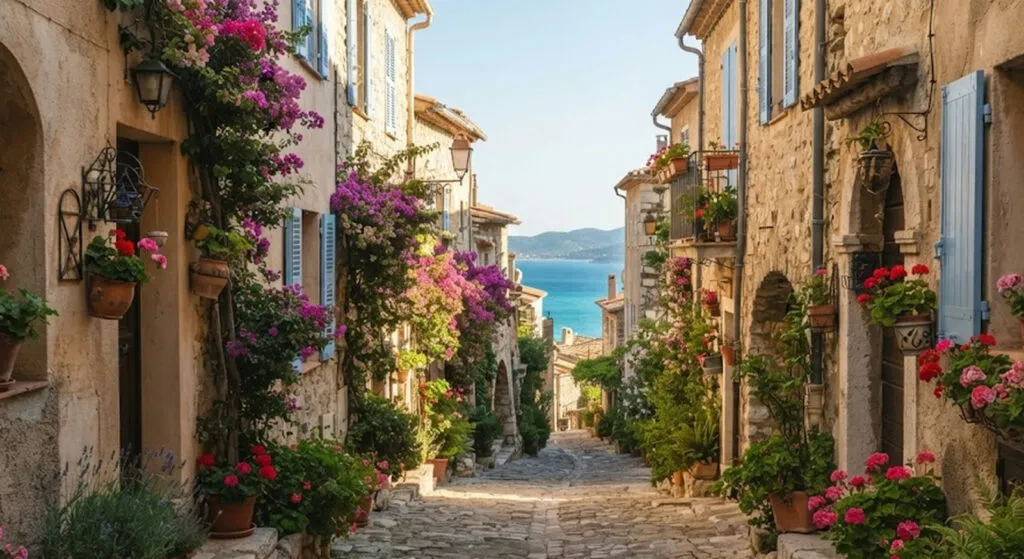
Hemingway, Picasso and Fitzgerald did not come on holiday - they came to live there for a season. Everyone copied...
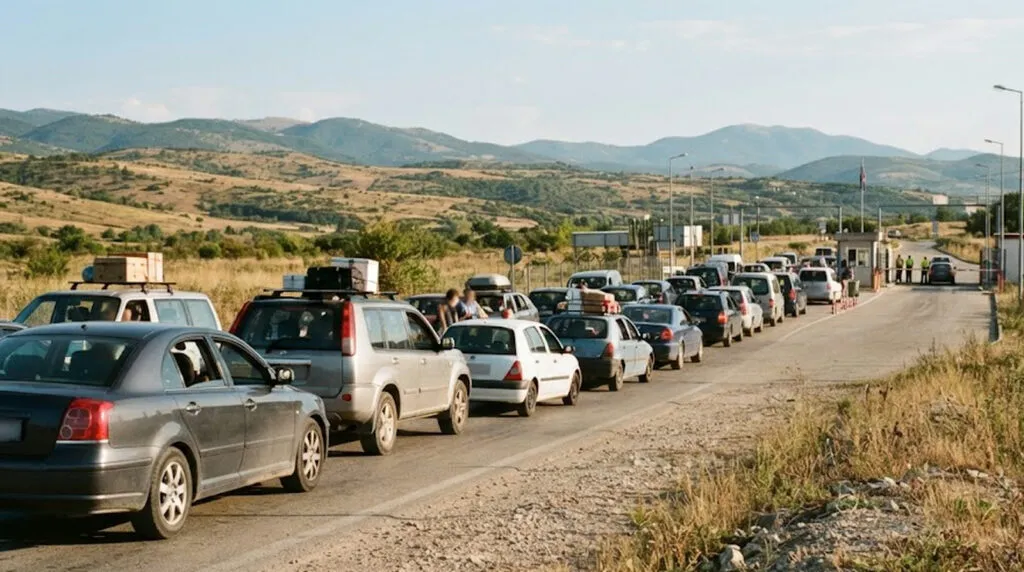
Three cars at midnight, twenty-nine at six in the morning. That same morning Medzitlija was empty, and the hour you...
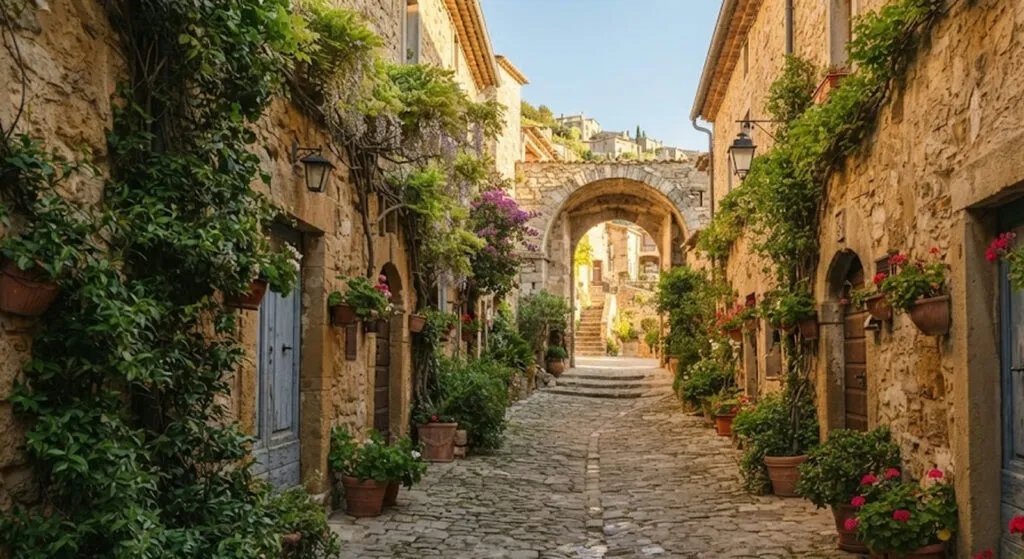
The moat around the village was not banked up but cut out of the stone. The shape stayed because for...
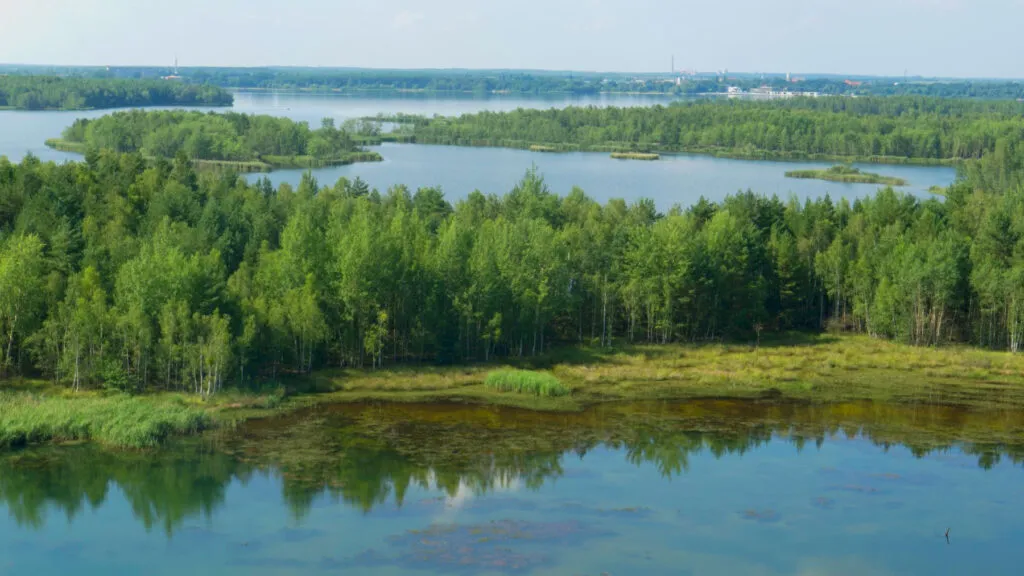
Two billion tonnes of coal taken out of the ground, and today they call the water the German Lake Como....
Bogorodica, Medzitlija and Star Dojran in one place - live cameras, queues hour by hour, and a forecast for the...
This site uses cookies - is that okay? Learn more
Be the first to know when Metla launches something new
Leave your email and we will write when there is a new guide or something new on Metla.