


Experts on the Puls fire: the ceiling foam released cyanide as it burned, and the inspector could and should have shut the place down
02.09.2026


02.09.2026
02.09.2026
02.09.2026
02.09.2026
02.09.2026

02.09.2026
02.09.2026
01.09.2026
31.08.2026
02.09.2026

02.09.2026

01.09.2026

02.09.2026

02.09.2026

02.09.2026

02.09.2026
01.09.2026

31.08.2026

02.09.2026

02.09.2026

02.09.2026

02.09.2026
01.09.2026
31.08.2026

09.03.2026

27.02.2026

19.02.2026
02.09.2026
01.09.2026

01.09.2026

23.04.2026

23.04.2026

12.04.2026
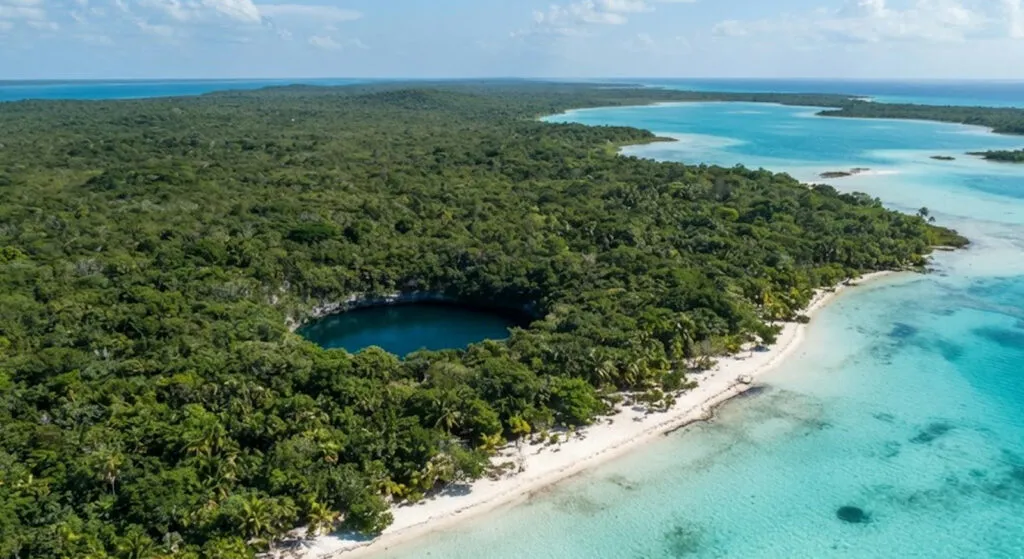
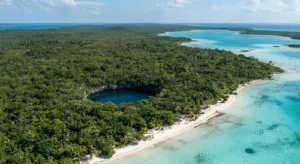
The Mexican Caribbean is one of those places sold as a photograph when it is really geology. The entire Yucatan peninsula is limestone - rock that water has been eating away for millennia. The result is the cenotes, holes in the ground filled with fresh water, some open to the sky, some entirely underground, connected in a network that has still not been fully mapped.
The Maya took them for entrances to the underworld. Today people swim in them, snorkel, or simply sit and look. Near Puerto Morelos there is an entire Cenote Route: open ones like Jardin del Eden and Cristalino, in the middle of the jungle, and the enclosed Elvira, which you enter only with a prior booking because it is a nature reserve. The rules are clear - sunscreen and sprays stay outside, otherwise the fish pay for the water.
On the coast is Tulum, the only fortified Mayan city built directly above the sea. The pyramid stands on a cliff with turquoise water below it, and that combination is why a photograph of Tulum is recognisable even to people who have never heard of Mexico. Further inland is Coba, less touristy and more jungle. Outside the state of Quintana Roo is Chichen Itza, one of the new seven wonders of the world.
Cancun is the gateway and every trip starts there, but the story is not in Cancun. The hotel zone stretches between the Caribbean Sea and the Nichupte lagoon, and Delfines beach has around twenty kilometres of white sand. Punta Nizuc is a protected area of coral and seagrass. The Museum of Mayan Culture in Cancun is where everything you will see in the field acquires context - a rare service in a resort town.
Akumal is where people go for the turtles. Sea turtles feed in the shallows and you can snorkel alongside them, but only through licensed guides who keep the distance. The difference between "swimming with turtles" and "disturbing turtles" is exactly how many metres away you are, and that difference is written into law.
Cozumel, the island opposite Playa del Carmen, ranks among the world's top diving destinations. The Arrecifes de Cozumel National Park protects around 12,000 hectares of marine ecosystems within the Mesoamerican Reef, the second largest coral system on the planet. The El Cielo and El Cielito sites are known for shallow water and starfish scattered across the sandy bottom.
The best thing on this list cannot be booked. In season, on the beaches around Cancun, baby turtles hatch at night and run for the water. You must not touch them, must not shine a phone or a torch on them, must not get in their way. Which means the only thing you can do is stand and watch - harder for the average tourist with a camera than it sounds.
From Skopje you get there with at least one, usually two changes and a whole night on a plane. It is not a holiday you plan for seven days. But unlike many destinations sold with the same words, here what you are looking at was not made for you - the cenotes have been there for millions of years, the turtles come to the same beach by instinct, and the reef has not noticed we arrived.
The latest 10 news from this category
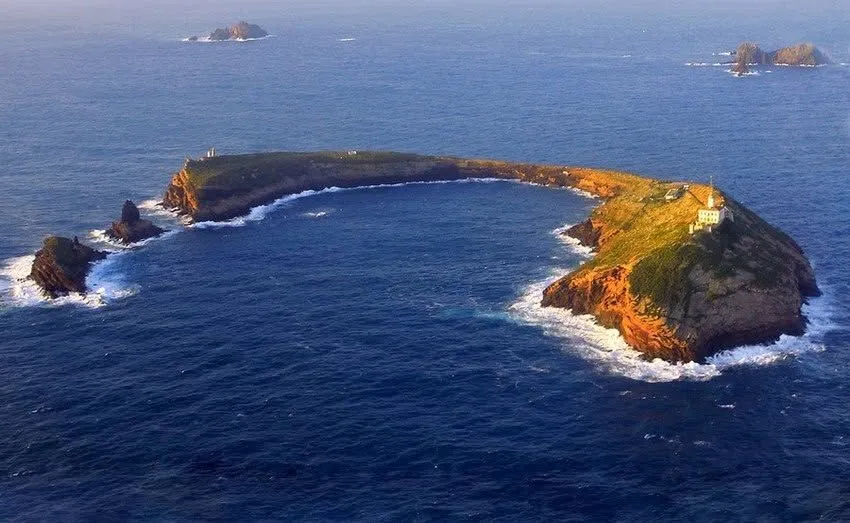
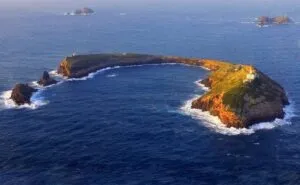
Fifty kilometres offshore, nineteen hectares of land and not a single hotel. Forty years on, the sea beneath the Columbretes...
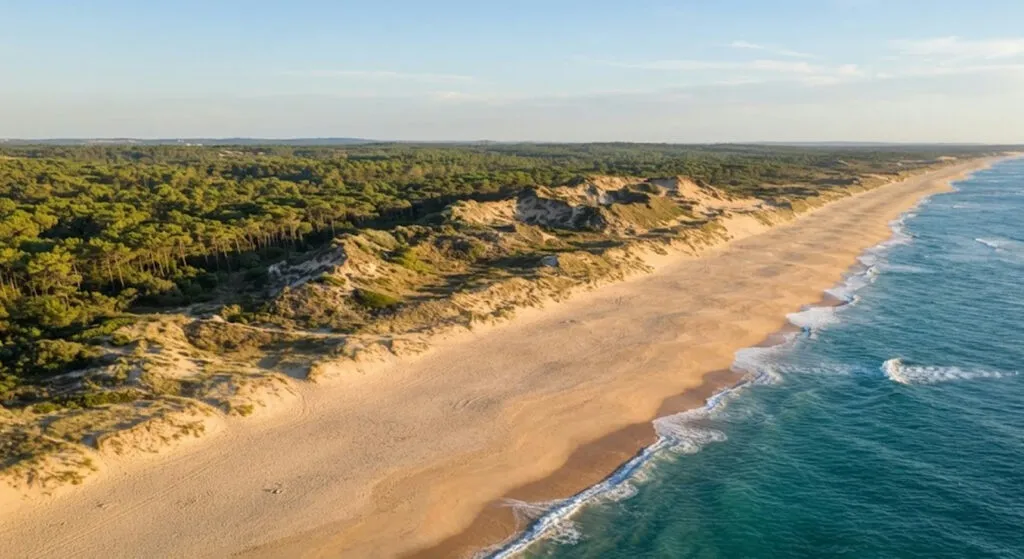
The August crowds are gone, the water stays warm for weeks. One beach has no shower and no shade -...
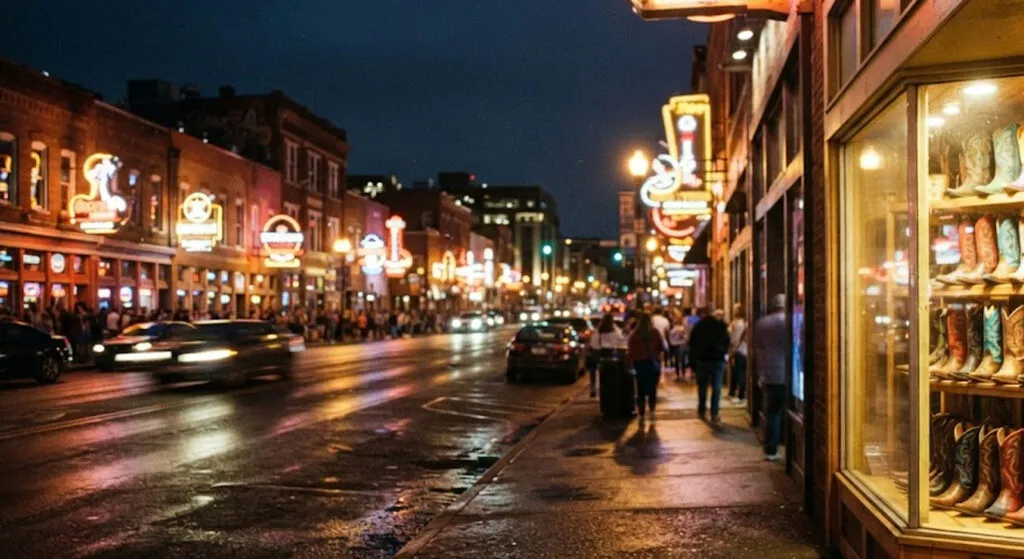
The capital of country music does not geographically sit on the legendary Highway 61 - you have to turn off....
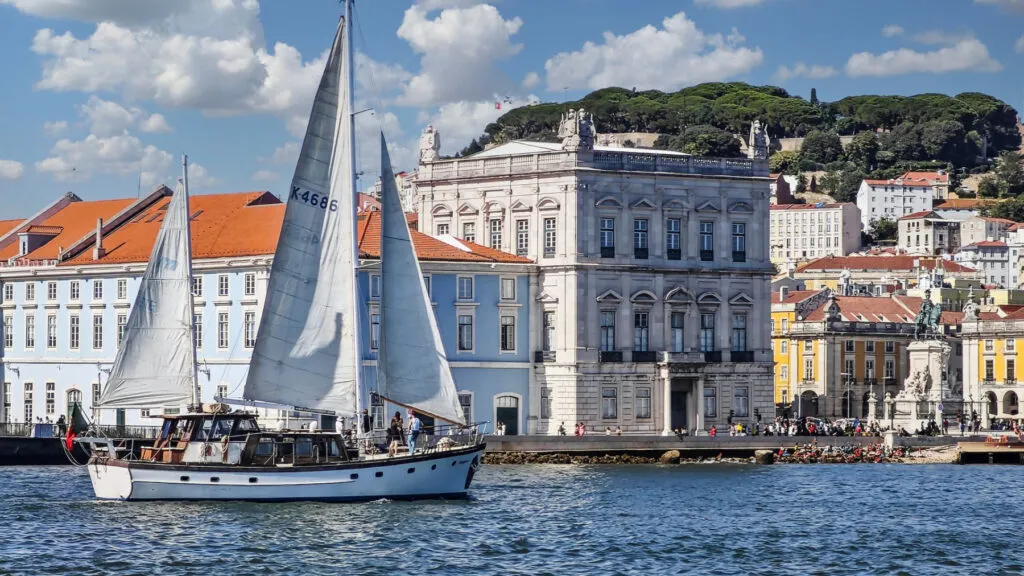
An hour on a sailing boat costs 25 euros, sunset 43. The best detail in the city is a rhinoceros...
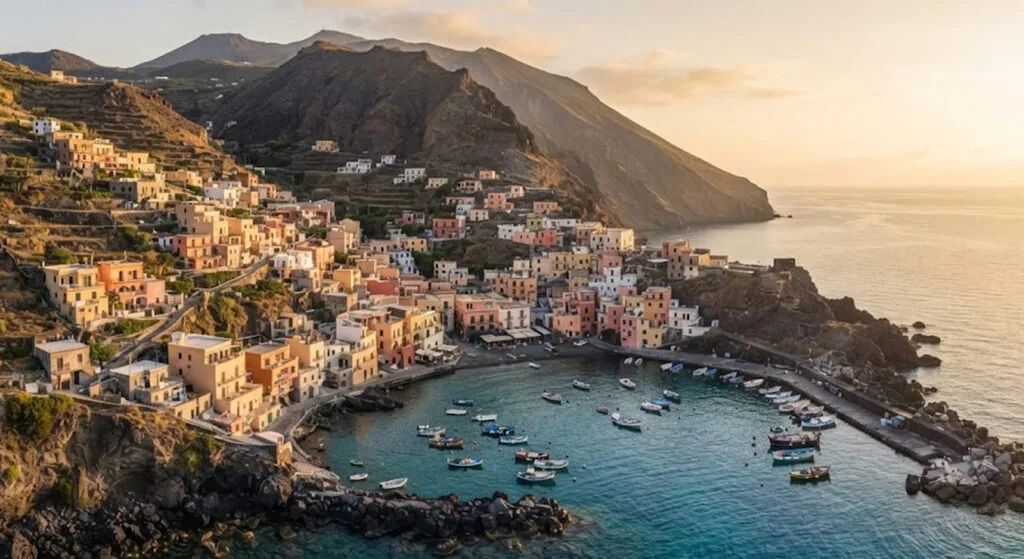
Of the six, only two are inhabited year-round and two are practically empty. Next time you hear the Union was...
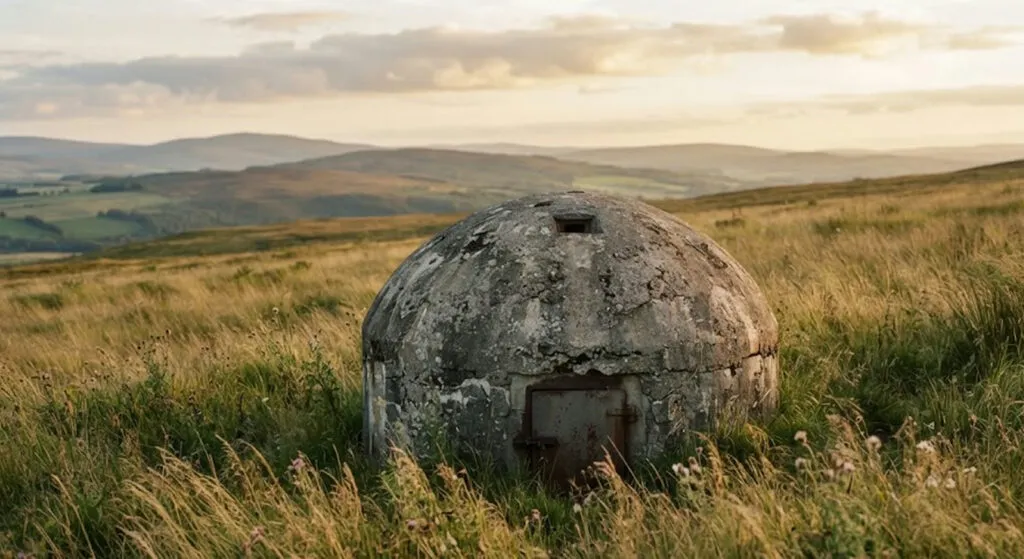
The pyramid raised in the dictator's honour is now an arts school. We are still arguing about whether to open...
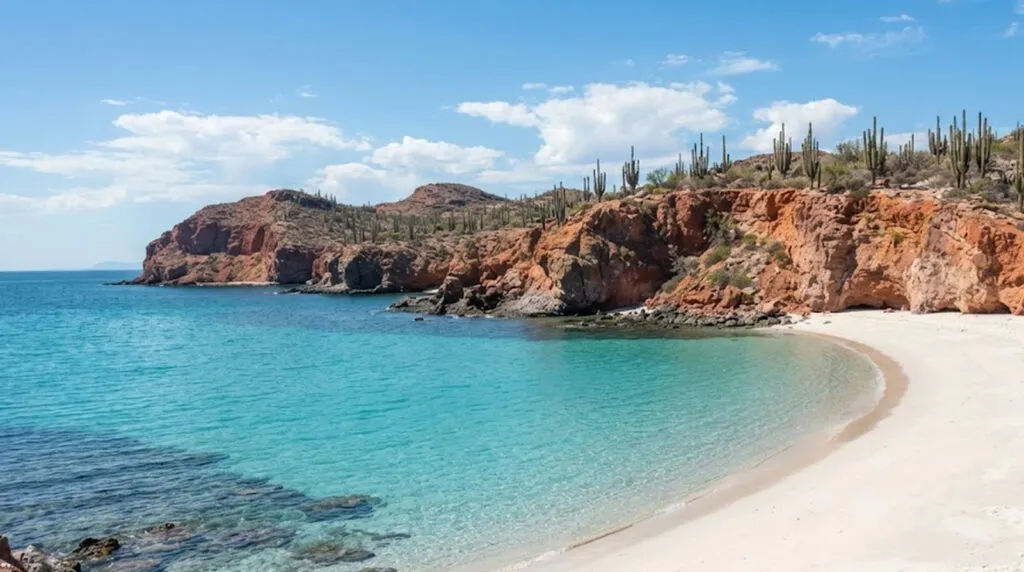
Cousteau called the Sea of Cortez the world's aquarium - 900 marine species and 33 mammal species back the name...
Half an hour of reading before you pay for the ticket solves all ten. The question is why we never...
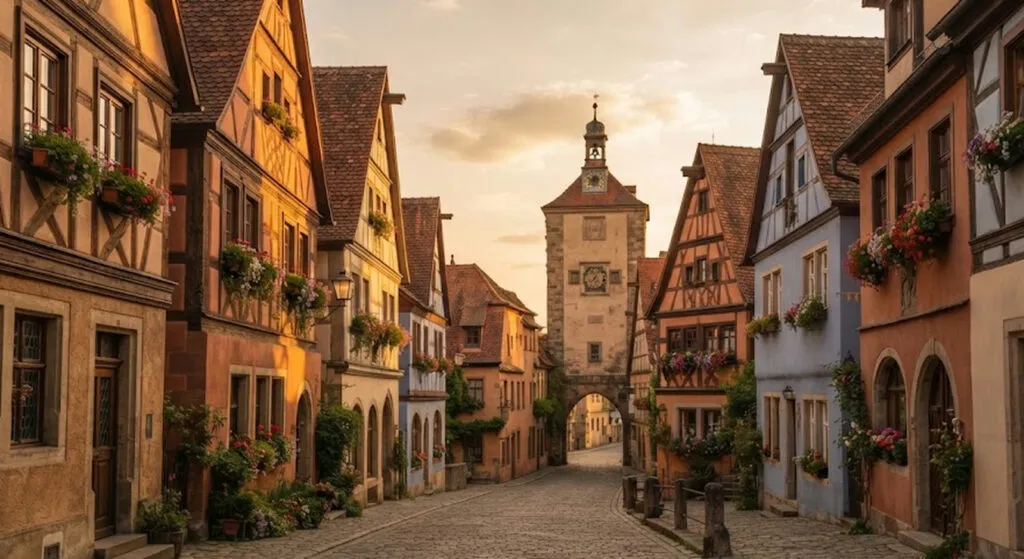
Rothenburg ob der Tauber kept the street layout of six hundred years ago, and the wall around it runs four...
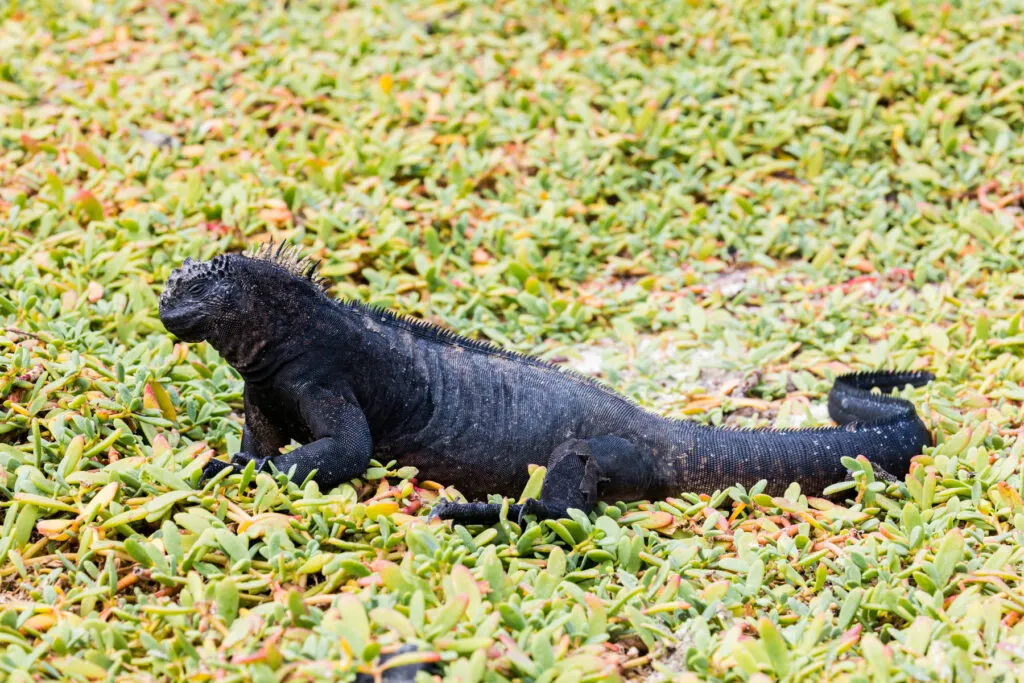
A thousand kilometres out into the Pacific, 13 large islands and species that exist nowhere else. The strict rules there...
This site uses cookies - is that okay? Learn more
Be the first to know when Metla launches something new
Leave your email and we will write when there is a new guide or something new on Metla.
