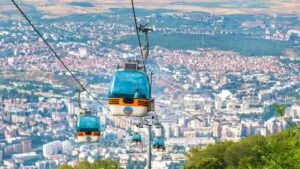
Three of Four Sensors Were Dead: Skopje's Vodno Cable Car Ran Fifteen Years Without a Real Service
17.09.2026


17.09.2026
17.09.2026

17.09.2026

17.09.2026
17.09.2026

17.09.2026
17.09.2026
16.09.2026
15.09.2026
17.09.2026

17.09.2026
16.09.2026
17.09.2026

17.09.2026

17.09.2026
17.09.2026
16.09.2026
15.09.2026

17.09.2026

17.09.2026

17.09.2026

17.09.2026

17.09.2026

17.09.2026

09.03.2026

27.02.2026

19.02.2026

23.04.2026

23.04.2026

12.04.2026

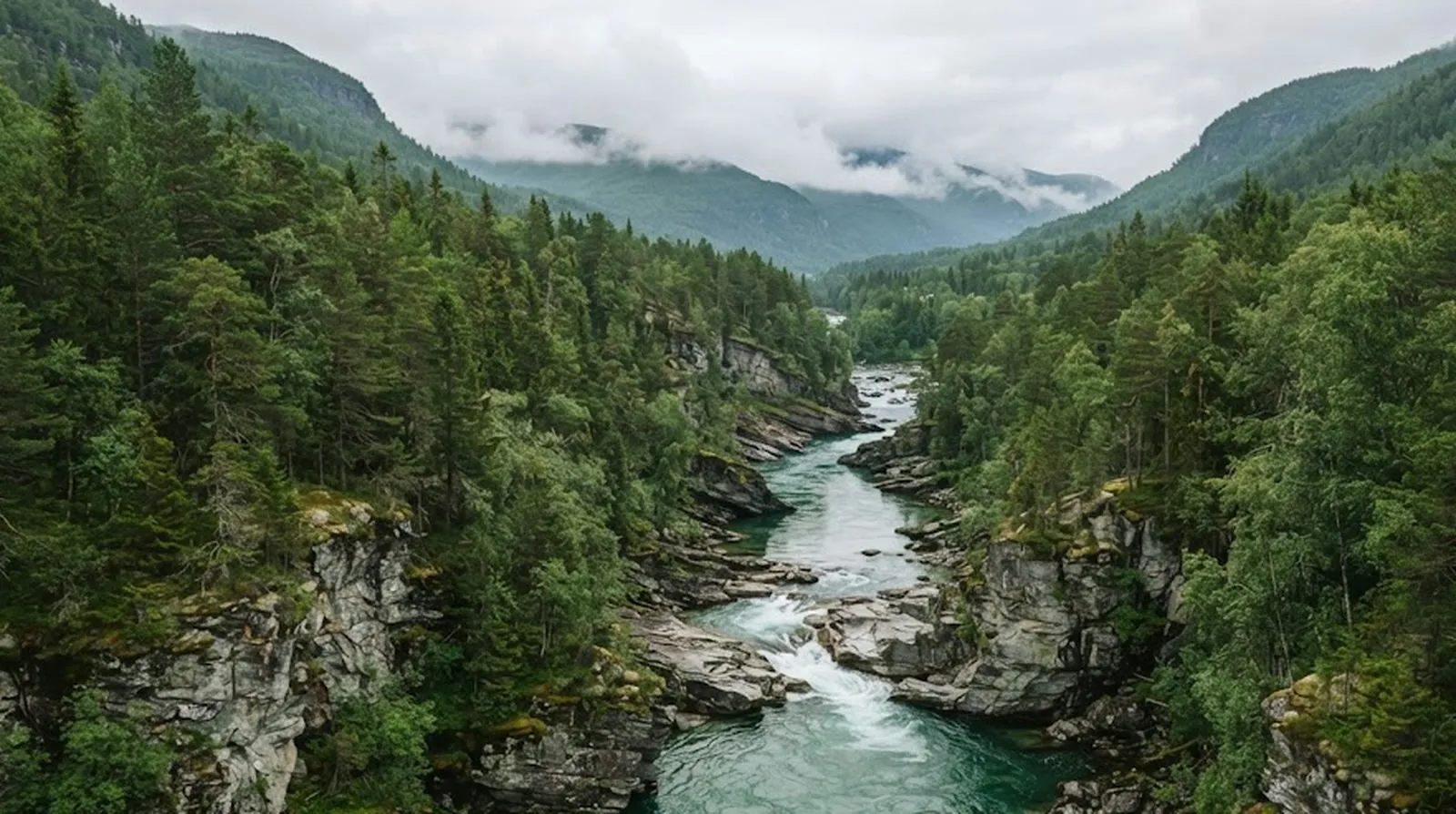
While our people queue at the Greek border to pay a lot for a patch of beach they will share with a thousand others, Europe has places where summer does not hurt at all. Eight of them are worth noting down - and not one requires being rich, only being slightly braver with your choice.
The Soča Valley, Slovenia
The closest option for us, and somehow the least mentioned. Alpine water runs through limestone gorges and creates a natural thermostat: summer sits between 25 and 30 degrees, but the river stays below 15. Kobarid is where Hemingway served in the First World War and found the inspiration for A Farewell to Arms. Kanal has natural crystal pools. From Skopje - less driving than to some Greek beaches.
Brittany, France
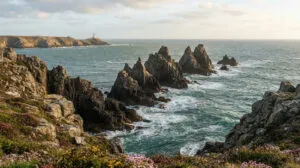
Summer temperatures rarely exceed 25 degrees, especially on the coast. Winds coming off Newfoundland create a microclimate in which locals wear rain jackets in July. The pink granite coast has rocks that look sculpted by hand. Saint-Malo and the Combourg fortress round out what many call one of the most romantic places in Europe.
The Azores, Portugal
A subtropical oceanic climate that rarely goes above 25 degrees even in the hottest months. Inland it is another four to five degrees cooler. Pico hides in mist at 2,351 metres, Flores is the greenest and rainiest island, and the volcanic pools draw whales. The furthest option on the list, and the least likely for a weekend.
Trentino-Alto Adige, Italy
Villages above 1,700 metres in the Dolomites, which are UNESCO-protected. Funes with its green meadows, Castelrotto on the Alpe di Siusi plateau with Tyrolean architecture, and Merano - a spa town that once drew Empress Sisi and Franz Kafka. Italy, but without the sweaty crowd on the Adriatic.
The Scottish Highlands
Average maximum temperatures around 17 degrees in the summer months. In the far north the day barely ends. Eilean Donan castle stands where three lochs meet, and the Old Man of Storr on the Isle of Skye looks like a scene from a film nobody has shot yet. One caveat: from June to September there are tiny biting midges.
The Faroe Islands, Denmark
Here summer does not even pretend - maximum temperatures in July and August do not pass 13 degrees. Eighteen islands with one of the lowest tourist densities in Europe, where even at the height of the season there are no crowds. Tórshavn is the smallest capital in the world with 20,000 residents. The Múlafossur waterfall drops straight into the ocean from 480-metre cliffs, and Lake Sørvágsvatn creates the optical illusion of hanging above the sea.
Gotland, Sweden
Sweden's and the Baltic's largest island, with summers between 17 and 21 degrees and around 2,100 hours of sunshine a year - a lot for that latitude. Visby, the medieval UNESCO-protected capital, holds over 200 Hanseatic merchant houses behind 13th-century walls. The island has more Islamic coins than all other European regions combined. Ingmar Bergman lived and filmed on Fårö.
Białowieża Forest, Poland
The last primeval forest in Europe, where no tree has ever been felled for trade. Oaks 600 years old and 40 metres tall, with trunks four people can barely encircle. Humidity and shade keep the average summer temperature around 20 degrees. A biosphere reserve since 1977, UNESCO-listed since 1979, and the only place where the European bison lives free. In summer the bison retreat deeper into the forest, so a summer visit is more about botany than photographs.
Eight places, not one with a 40-euro-a-day beach bar. Some are further, some require a car and patience. But next time you find yourself in a queue at 38 degrees, it is worth remembering that Europe has another offer too - it simply does not advertise it with the same budget.
The latest 10 news from this category

Of twenty-five new inscriptions, five are natural - and only one is in Europe. For the richest of them, the...
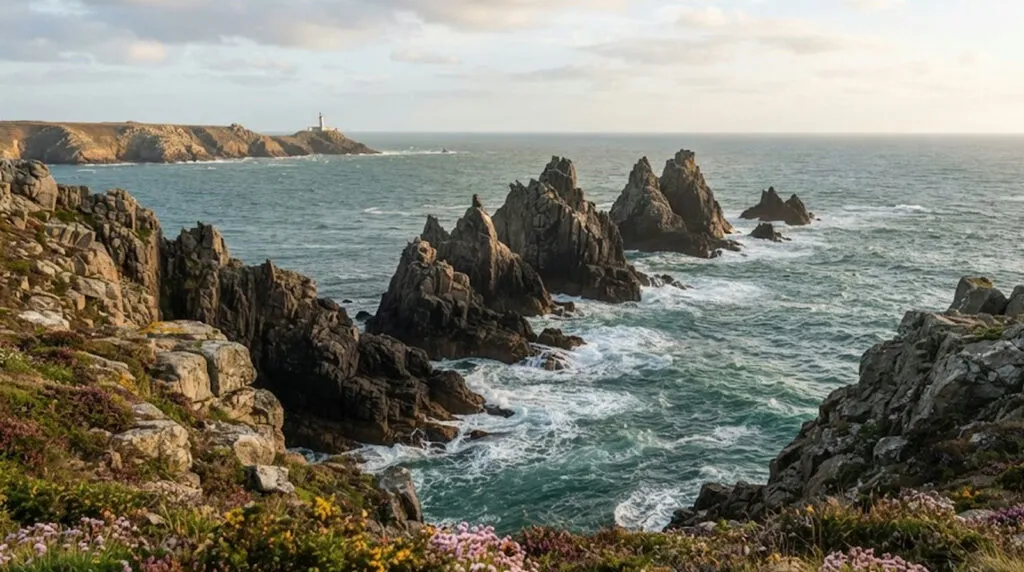
Fifty beaches, more than 120 villages and a trail France voted its favourite. Monet came for a few days and...
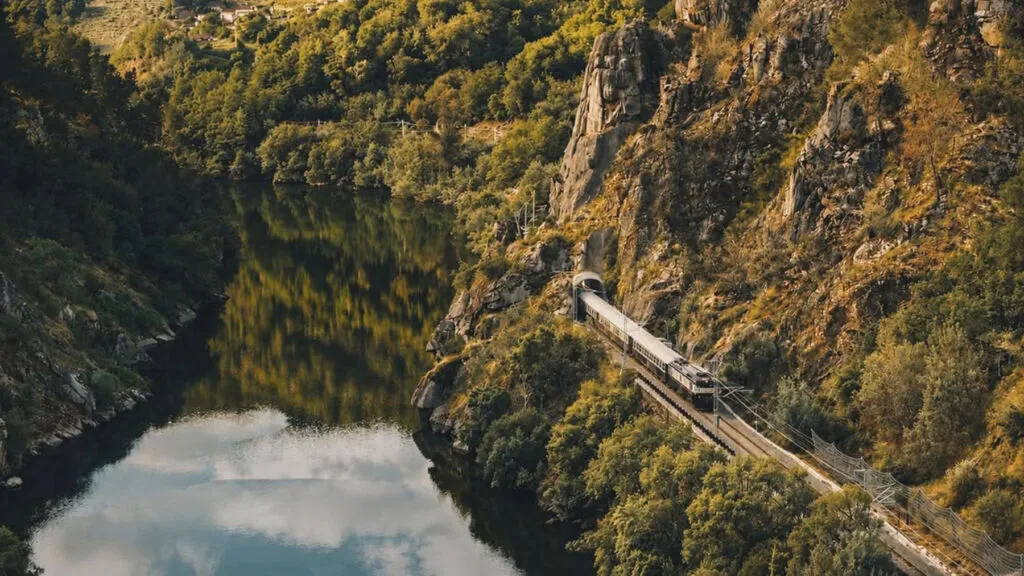
Restored carriages, a locomotive they call the Japanese Woman and a 28.95 euro return ticket. What it sells is not...
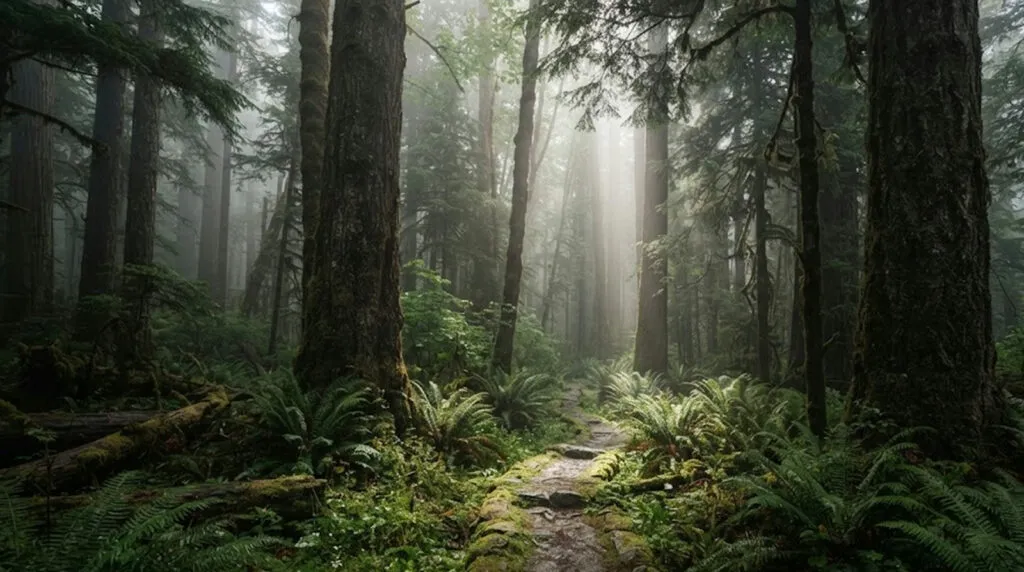
Two hundred and fifty tree species from every corner of the world, a monastery from 1628 and a palace that...
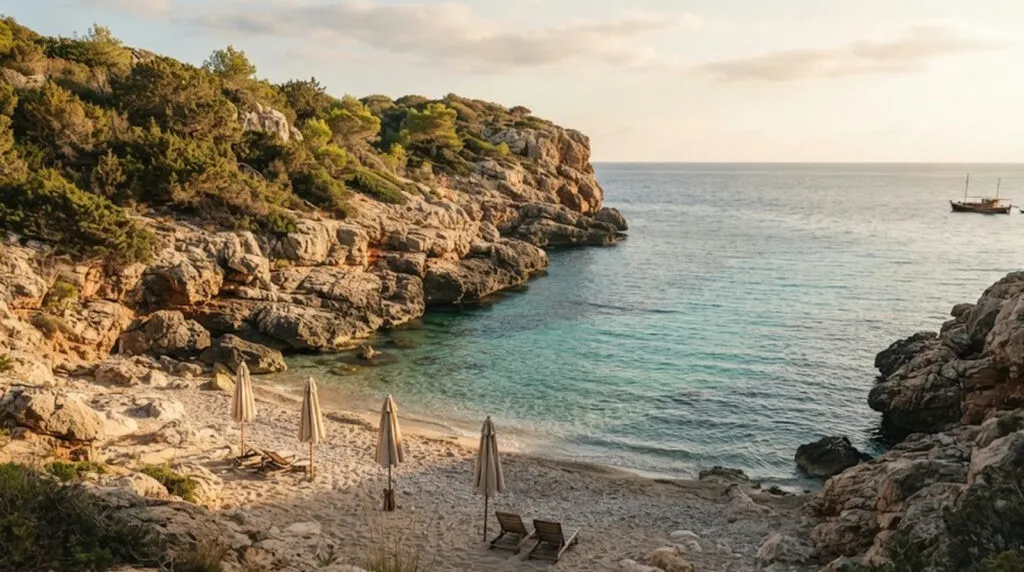
The same places cost more in August, look crowded and are experienced at half strength. The difference is made by...
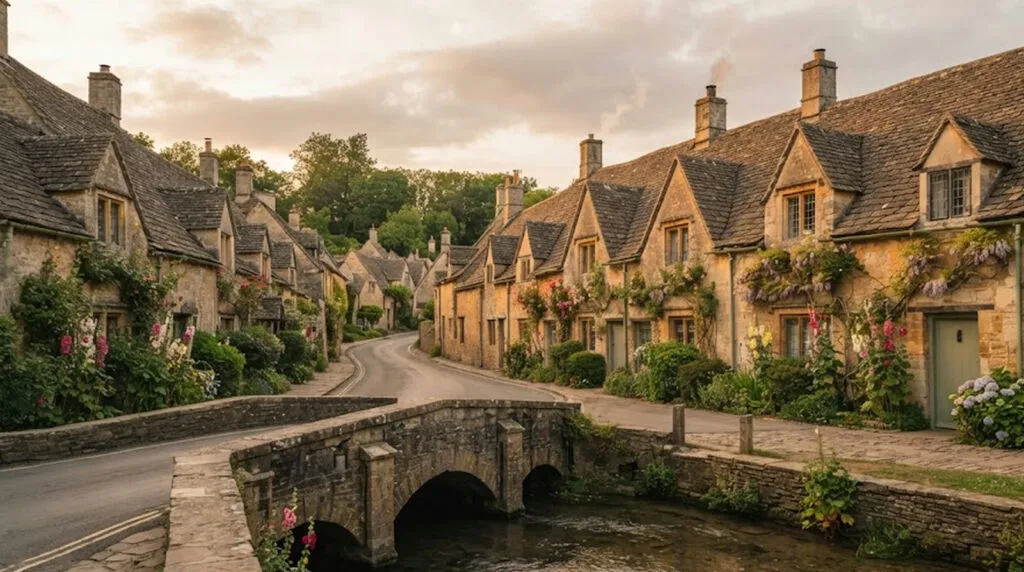
The Beckhams have a place there, so do Kate Moss and Ellen DeGeneres. But the Cotswolds needs none of those...

Down on the coast the buses pass each other with centimetres to spare and all you see is people. Up...
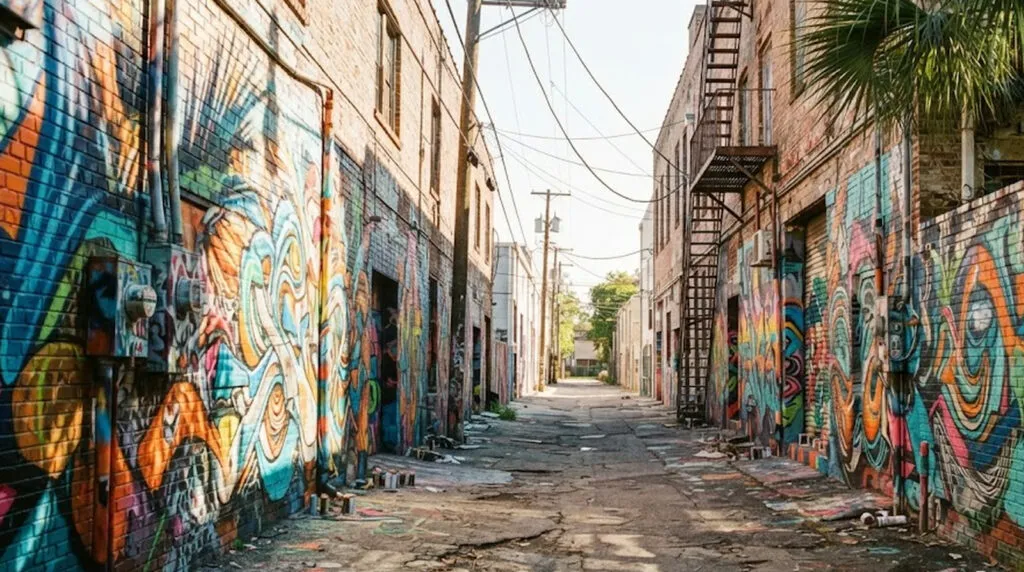
Empty warehouses, low rents and one real estate developer. A model we know without flying to Florida.
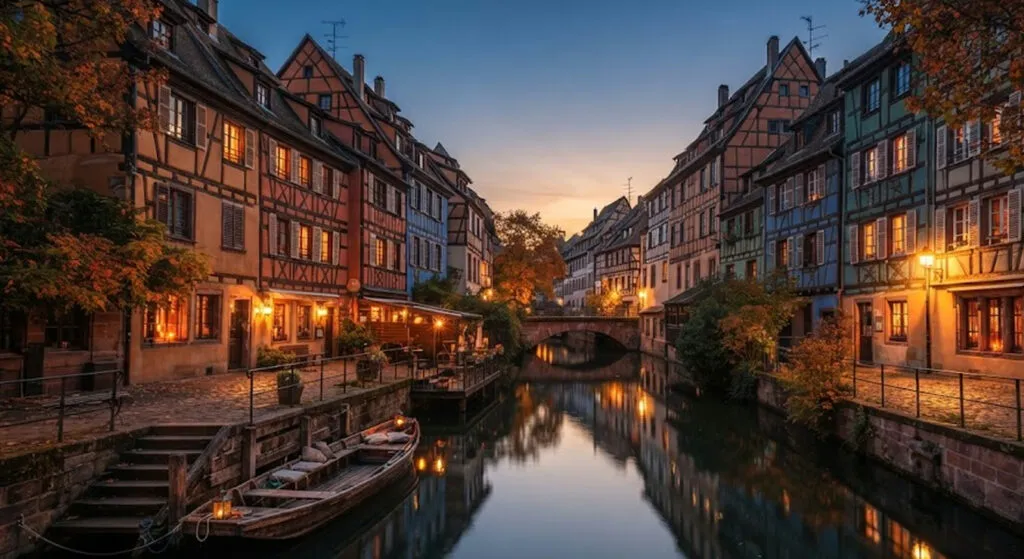
Old tanners' and dyers' workshops, built directly over the river. From 10 to 13 September the town puts boats and...
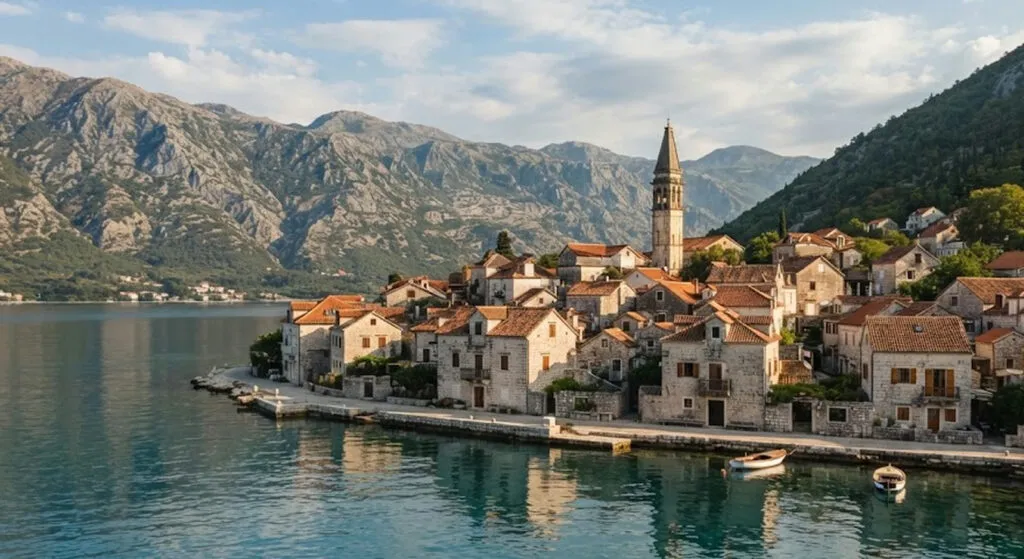
The Albanian Riviera, Montenegro, Sardinia, Lyon and the Algarve. The same weather as August, fewer people, and a bill that...
This site uses cookies - is that okay? Learn more
Be the first to know when Metla launches something new
Leave your email and we will write when there is a new guide or something new on Metla.