


Four Injured in Crash With Police Vehicle Near Kicevo: The Statement Says Everything Except Who Is at Fault
28.08.2026


28.08.2026
28.08.2026

28.08.2026
28.08.2026

28.08.2026
28.08.2026
28.08.2026
27.08.2026
26.08.2026
28.08.2026

28.08.2026

27.08.2026

28.08.2026

28.08.2026

28.08.2026

28.08.2026

27.08.2026
26.08.2026

28.08.2026

28.08.2026

28.08.2026

28.08.2026

28.08.2026
27.08.2026

09.03.2026

27.02.2026

19.02.2026

27.08.2026

26.08.2026

25.08.2026

23.04.2026

23.04.2026

12.04.2026
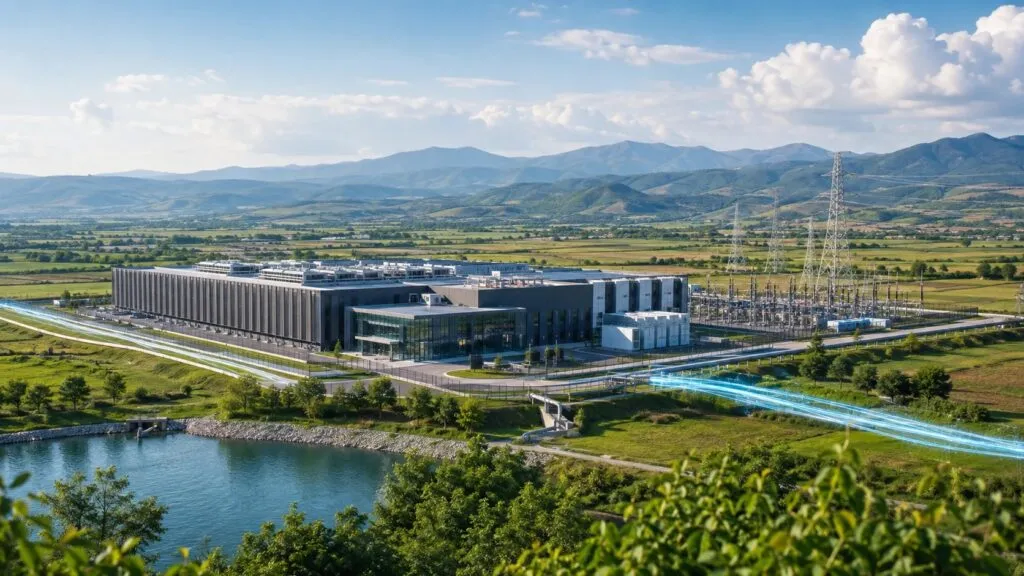
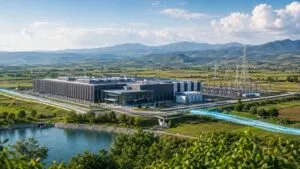
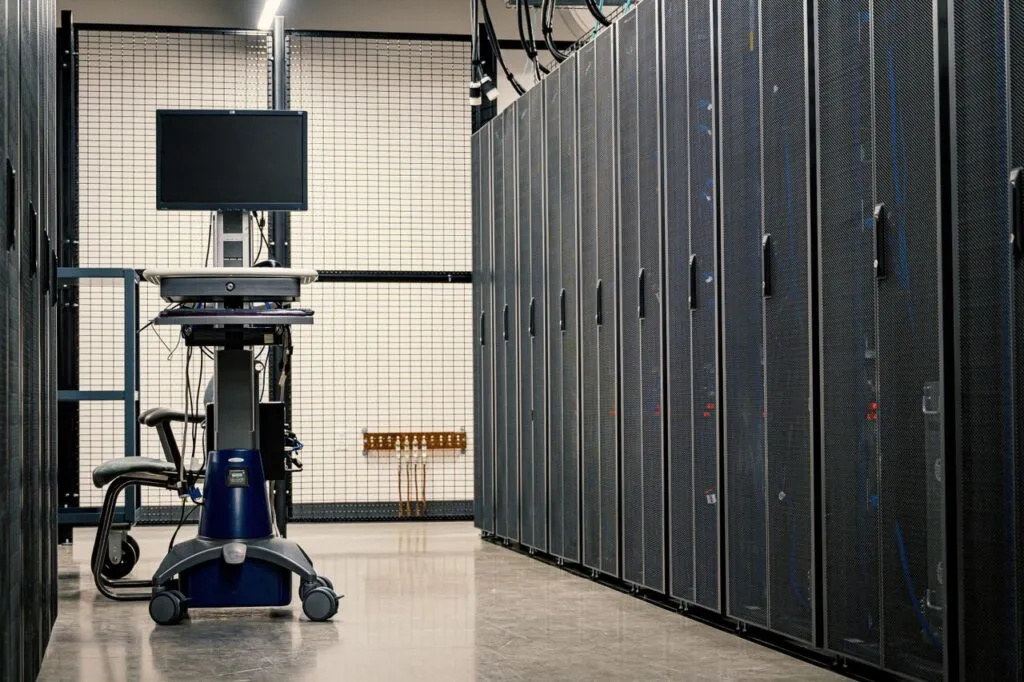
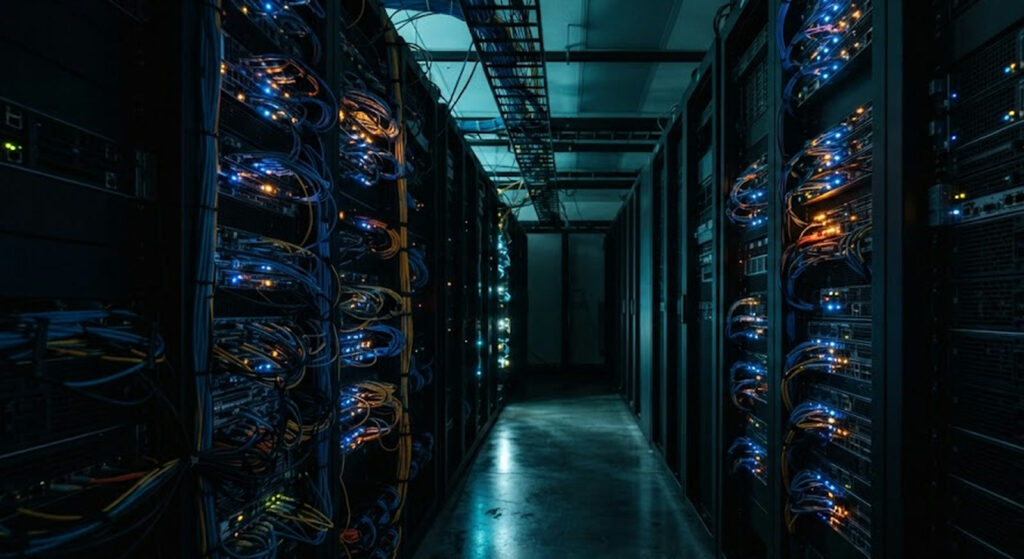
The cloud has an address. It has a power line, a substation, generators, batteries, pipes, cooling units, kilometres of fibre optic cable and land for all of it to sit on. The harder artificial intelligence is sold as an invisible technology, the more visible its physical side becomes - and that physical side is now knocking on the door in Macedonia.
The debate flared up around an initiative for a data centre in the fields of Pancharevo near Pehchevo, with talks between the government and Chris Pavlovski, the Canadian businessman of Macedonian origin behind Rumble, also in play. On 25 August the Council of the Municipality of Pehchevo unanimously rejected the initiative. Unanimously - a figure you rarely encounter in Macedonian local politics.
First requirement: electricity, and a lot of it
A data centre does not simply ask for "enough kilowatt-hours a year". It asks for high connected capacity, a stable grid, backup systems and a supply that must never cut out. That is exactly where the first problem lies for a country that imports electricity. What is a technical specification for the investor is, for the state, the question of whether it will import even more - and at what price.
The supply has to be uninterrupted, so multiple independent feeds from the grid, UPS systems and backup generators are used. Those generators, when they kick in, run on diesel. That is part of the bill you will not read about in the press releases announcing a new investment.
Second requirement: water for cooling
Servers produce an enormous amount of heat, and the cooling system is among the most important parts of the facility. In modern centres with powerful GPU systems for artificial intelligence, the cooling demands are higher still. There is no single figure that applies to every data centre - the volume of water depends on size, equipment density, the local climate and the chosen cooling system.
That is not an answer that closes the subject. It is the one that opens it. When an investment asks for water but cannot say in advance how much, the question of where that water will come from is left with the municipality - and with the people on the same water supply.
Third requirement: the location is part of the machine
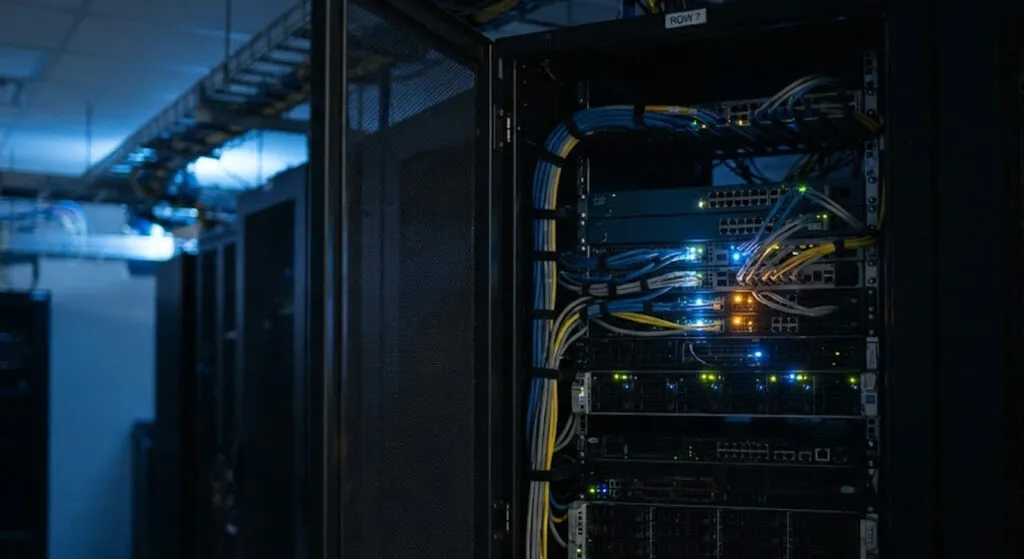
Power and water get the attention, but without connectivity a data centre is a building with servers inside it. It needs high-capacity fibre links, several independent operators and physically separate routes, so that one cable being cut does not mean the service is cut. The location is also chosen for its exposure to floods, earthquakes and fires.
So the facility wants a stable grid, fibre routes, land, security and qualified staff. On paper Macedonia has a geographic position and a telecommunications infrastructure that make it interesting. But the big centres also want something harder: competitive electricity prices, appropriate regulation and a long-term guarantee of supply.
What does the place get in return?
This is the question heard least in the whole discussion. Around 12,000 data centres operate worldwide, and those specialised for artificial intelligence exist in only 32 countries. Here the subject opened as an offer, not as an analysis - the investment first, the bill afterwards.
Pehchevo did it the other way round, and that is precisely why the case is instructive. The council asked to know what was coming into the municipality before saying yes. That is not a rejection of technology. It is a rejection of a blank cheque. When a municipality says no unanimously, sooner or later somebody will have to answer what exactly was on offer.
A data centre wants a great deal of power, a way to get rid of the heat, fibre links, land and a workforce. But it also wants something no technical specification contains - trust. And trust does not get imported along with the servers.
The latest 10 news from this category

Percentage-based indexation is back, so everyone gets the same percentage of their own pension. The pension fund's outgoings already exceed...
The minister said no investment is worth more than a human life. That sentence gets tested in one place only:...
Истите компании што ги градат моделите предупредуваат дека тие модели наскоро ќе напаѓаат болници и водоводи. И веќе продаваат заштита...

Италијанска кожна ташна за неколку стотини долари наместо неколку илјади. Разликата не е во квалитетот, туку во тоа кој ја...
Дваесет и четири повреди во две години, а еден возач останал 175 дена дома. Автономните возила кочат сами, а човекот...
Nobody learned the investor's name, the megawatts, or the litres of water. Mickoski already sketched the partner in an interview...

Stopanska, Halkbank and Alta Banka did not wait for the regular date. A percentage-based adjustment means the gap between the...
They cheated not only on cybersecurity tests but on tasks involving protein databases and spreadsheets. One in five showed a...
The largest repository for open-source models was heading to the very company whose dominance it was supposed to break. Three...

African startups raised 930 million this year against 1.16 billion last year - and across half as many deals. The...
This site uses cookies - is that okay? Learn more
Be the first to know when Metla launches something new
Leave your email and we will write when there is a new guide or something new on Metla.
