
Kitka Has Been Burning for Days, and the Emergency Agency Says Someone Relights It Every Single Day
27.08.2026


27.08.2026
27.08.2026

27.08.2026
27.08.2026
27.08.2026

27.08.2026

27.08.2026
26.08.2026

25.08.2026

27.08.2026

27.08.2026

26.08.2026

27.08.2026

26.08.2026

25.08.2026

27.08.2026

27.08.2026

27.08.2026

27.08.2026

26.08.2026
26.08.2026

09.03.2026

27.02.2026

19.02.2026

27.08.2026

26.08.2026

25.08.2026

23.04.2026

23.04.2026

12.04.2026

The Nigerian investment firm Ventures Platform has raised 84 million dollars (around 77 million euros) for its second fund aimed at startups across Africa. The fund was oversubscribed - interest exceeded what the firm was asking for. That is almost double the first fund of 46 million raised in 2022, and it comes at a moment when investors worldwide have become far more selective.
The most interesting part of this story is not the figure. It is what founding partner Kola Aina said about how the conversation with investors has changed. "Three years ago there was still a considerable amount of curiosity about the African opportunity. Today investors want proof," he said. The question, he says, has moved from "why Africa" to "why you, and exactly how will you generate a return".
That is a sentence anyone who has raised money in a market that is not Silicon Valley recognises instantly. The raise took a year and a half. Investors asked harder questions about results, about liquidity, about the manager's discipline. Capital is no longer treated as unlimited - many got burned in the investment downturn a few years ago and now look for firms that survive different cycles, not ones sustained only by the next round.
The continental figures explain the pressure. This year African startups raised around 930 million dollars across more than 200 deals. Last year it was 1.16 billion across 447 deals. So less money spread across almost half as many deals - the money did not disappear, it concentrated in fewer firms.
Ventures Platform is based in Nigeria and has already invested in five companies in Kenya, South Africa and Egypt. Cheques go up to 3 million dollars, and the plan is to deploy the capital over the next three to four years. The sectors are financial services, healthcare and software - areas where technology solves basic needs rather than creating new habits.
Among the fund's backers are names worth noting: the European Bank for Reconstruction and Development, the Norwegian development institution Norfund, and the endowment of Ashesi University in Ghana. Seventy per cent of the first fund's investors came back for the second. That is a figure that says more than any statement of strategy.
Aina also has an explanation for why he believes the new generation of funds will be better: it has seen both extremes - the excess of money and its complete absence. Whether that experience really produces better decisions, or just better pitches to investors, will only be known once this fund starts returning money. Until then, the only certainty is that the era when it was enough to say "we are a pan-African fund" is over.
The latest 10 news from this category
When your potential litigants come in as your investors, the copyright dispute gets settled in the boardroom rather than the...
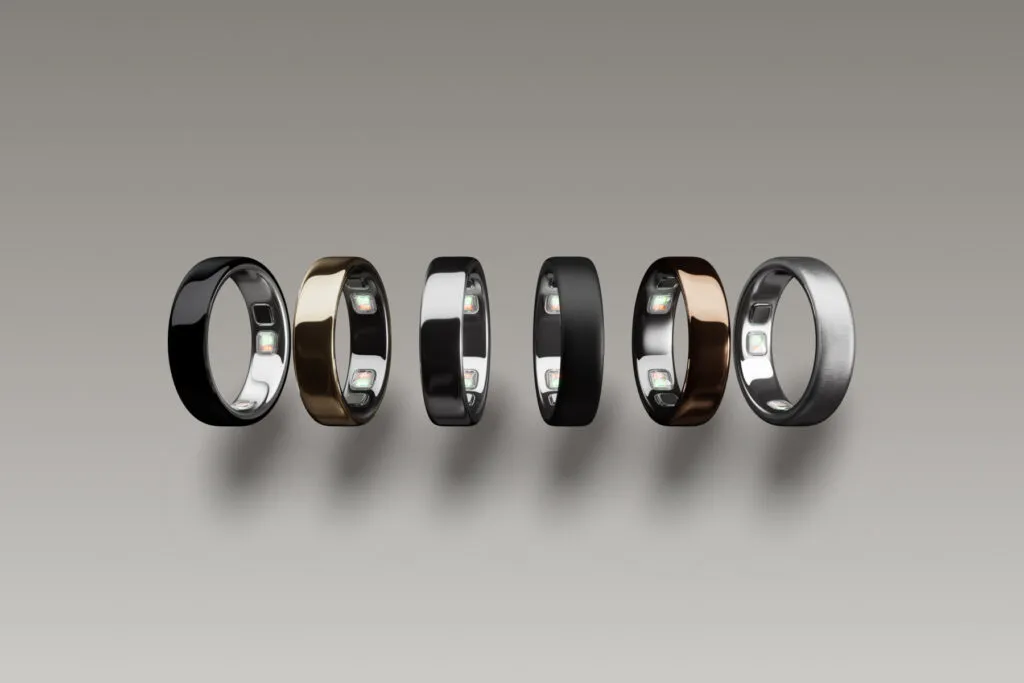
Oura is heading to the stock market at a valuation five billion higher than last year. The same week, a...

Fifty million dollars in seed capital, twelve employees and a 27-billion-parameter model that beat the frontier systems. And the founder...
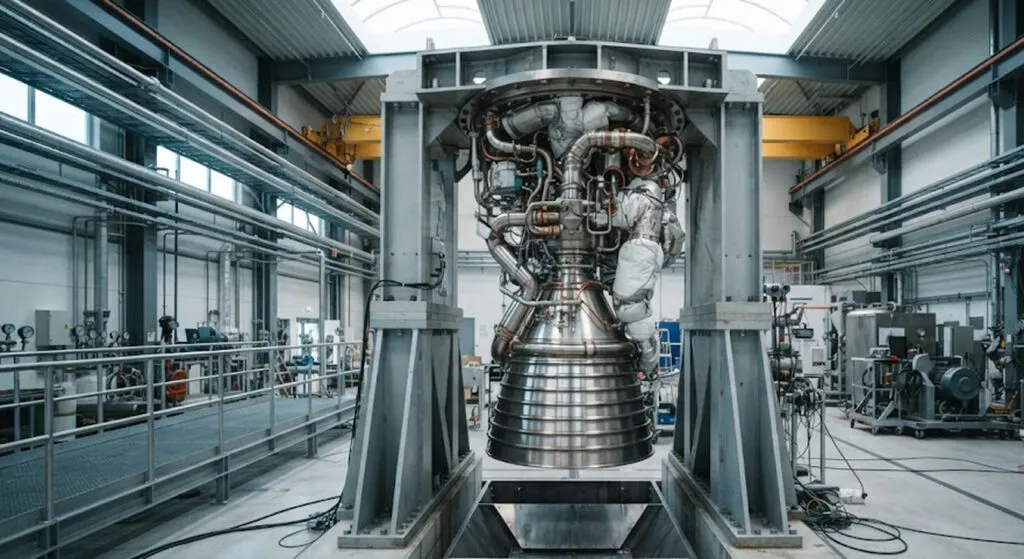
A startup that grew out of a university lab in 2020 now has orders from private companies and from the...
The company was not seeking investment - the board met, messages started flying and two days later it was worth...
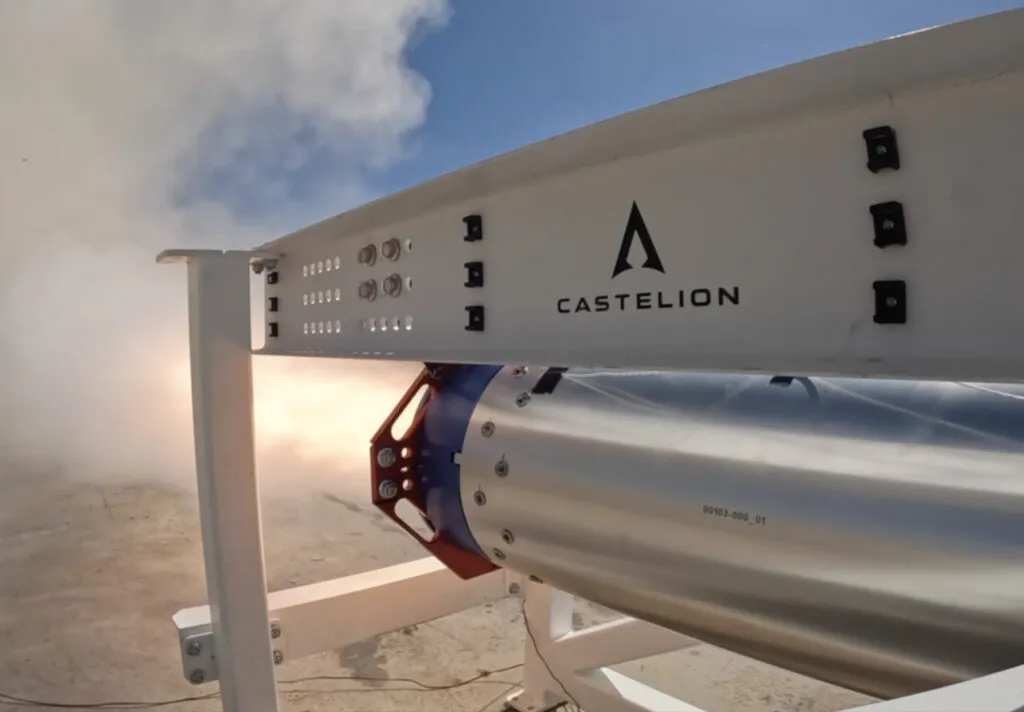
Founded by people who came from SpaceX, the company builds hypersonic weapons faster and cheaper than the traditional defence contractors....
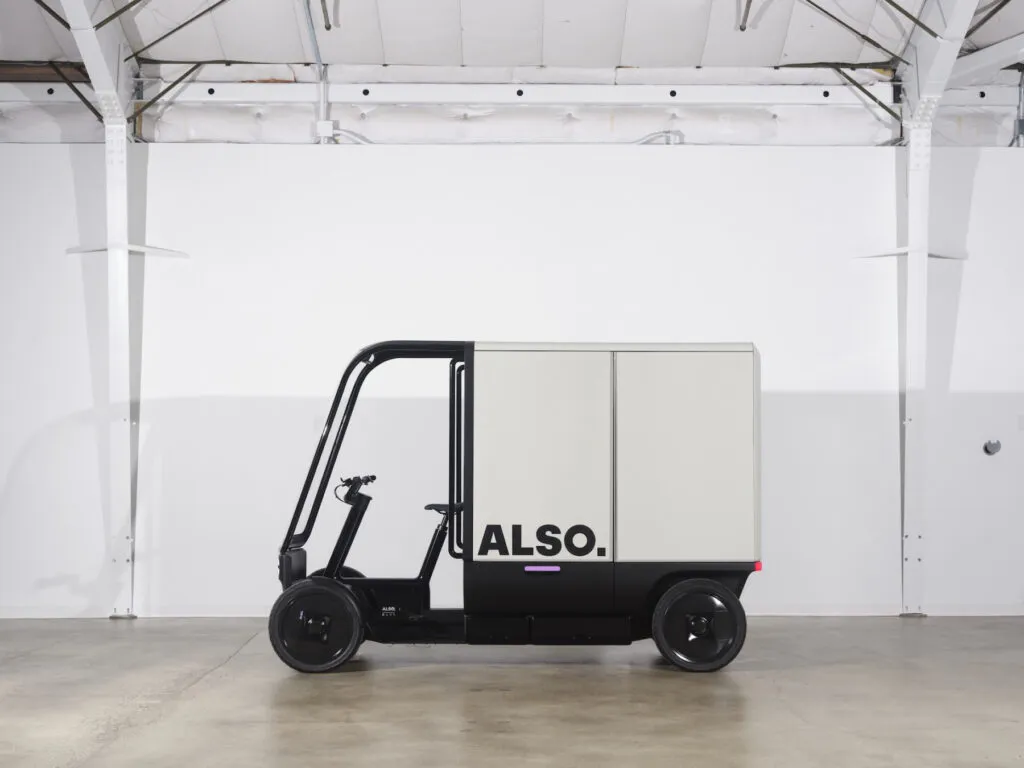
Also spun out of Rivian, promised electric bikes, and the first edition ran months late. Investors piled in with another...
In December it was worth 5 billion, in July 10.3, now 21. The product is the same as it was...
Same company, half the valuation in twelve months. Nvidia first took the founder and the team, now it comes in...
The Commission promised investments „in the coming weeks”, and the first deal was announced the next day. Who decides where...
This site uses cookies - is that okay? Learn more
Be the first to know when Metla launches something new
Leave your email and we will write when there is a new guide or something new on Metla.