

Expert witness at the Puls trial: the change-of-use application had to come from the owner, not the tenant
26.08.2026


26.08.2026

26.08.2026

26.08.2026

26.08.2026

26.08.2026

26.08.2026

26.08.2026

25.08.2026

24.08.2026

26.08.2026

26.08.2026

25.08.2026

26.08.2026

26.08.2026

26.08.2026
26.08.2026
25.08.2026

24.08.2026

26.08.2026

26.08.2026

26.08.2026

26.08.2026

26.08.2026

25.08.2026

09.03.2026

27.02.2026

19.02.2026

26.08.2026

25.08.2026

24.08.2026

23.04.2026

23.04.2026

12.04.2026
For years we have been asking flats for something they never signed up to deliver. The living room should be a place to sit in the morning and an office in the afternoon. The dining room should host both dinner with friends and homework. One room should be a guest room, a gym and a storeroom - depending on the day. It does not always work, and that is not (only) a question of square metres. The problem is that we still furnish homes as though life inside them never changes: single-function furniture, in one place, for life.
Enter modular design, the fastest-growing trend of 2026. It is not a style, not a colour palette, not a material - it is a different way of understanding furniture: pieces that move, combine and change function as needed. And it works equally well in 40 square metres and in a three-storey house. The scale changes, the logic stays the same.
What "modular" actually means
When modular comes up, most people picture a sofa in jigsaw mode or a shelf that grows with the books. But the concept is broader: it covers all furniture and all dividing systems designed to change shape, size or function without building work. Sofas that come apart and reassemble to fit the available space. Beds that fold up against the wall. Partitions that slide on a rail. Shelving that grows or shrinks.
The principle is a single one: no element has to have only one function or occupy the same spot forever. The same furniture can, quite literally, live several lives in the same home.
Three reasons why now
The first is shrinking flat sizes in big cities, which forces you to extract more from every square metre. The second is the entrenchment of working from home and hybrid schedules, which turned the living room into an office, a gym or a classroom - depending on the hour. The third is a sensitivity to sustainability: unlike fixed furniture, which gets replaced wholesale once it stops fitting, modular furniture adapts, gets repaired and reconfigured before it ends up as waste.
All three point the same way: less space, more uses and less fast decorating. On top of them comes a shift in mindset - more and more people would rather invest in a few versatile pieces than pile up furniture destined for the skip.
A house designed for a life that no longer exists
For decades homes were designed with one family and fixed layouts in mind: a living room for family afternoons, a dining room for eating and a study - if there was one at all - for work. That formula no longer fits how we live. We share flats with people who are not relatives, we work part of the week from home, we prepare meetings in the same 20 square metres where we also switch off. And we move flats more often than our parents and grandparents did.
Against fixed furniture, modular offers three very concrete advantages. It adapts without building work and without extra cost when needs change - the guest room becomes an office, the living room gains a reading corner. It uses space better, because every piece can be moved rather than left useless when the flat changes. And it extends the life of the furniture: instead of being replaced once it stops fitting, it is reconfigured and stays practical, which in the long run also means savings.
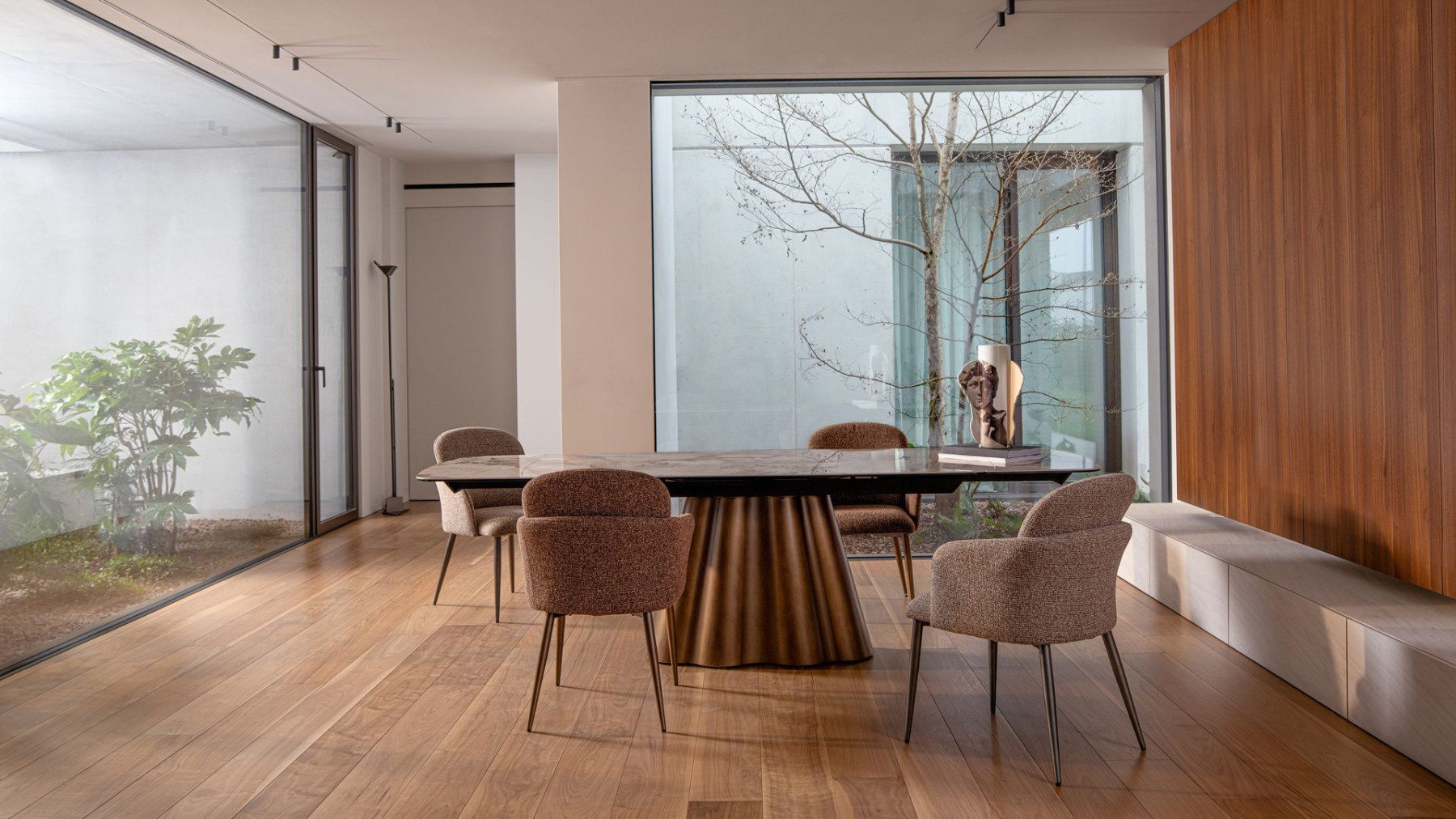
It is not just for small flats
Modular design is usually associated with small flats, but it is gaining ground in large ones too. There it is not about gaining square metres, but about gaining variety: a 40-square-metre living room can, with the same furniture, become a space for dinner with twelve people or an intimate corner for watching a film.
Modularity solves not only a space problem but a rigidity one - it stops a large house from paradoxically running short on possibilities, stuck in a single layout that serves only one occasion. In multi-storey homes or ones with undefined rooms, it allows different uses to be tried before deciding which works in the long term.
Which pieces carry the story
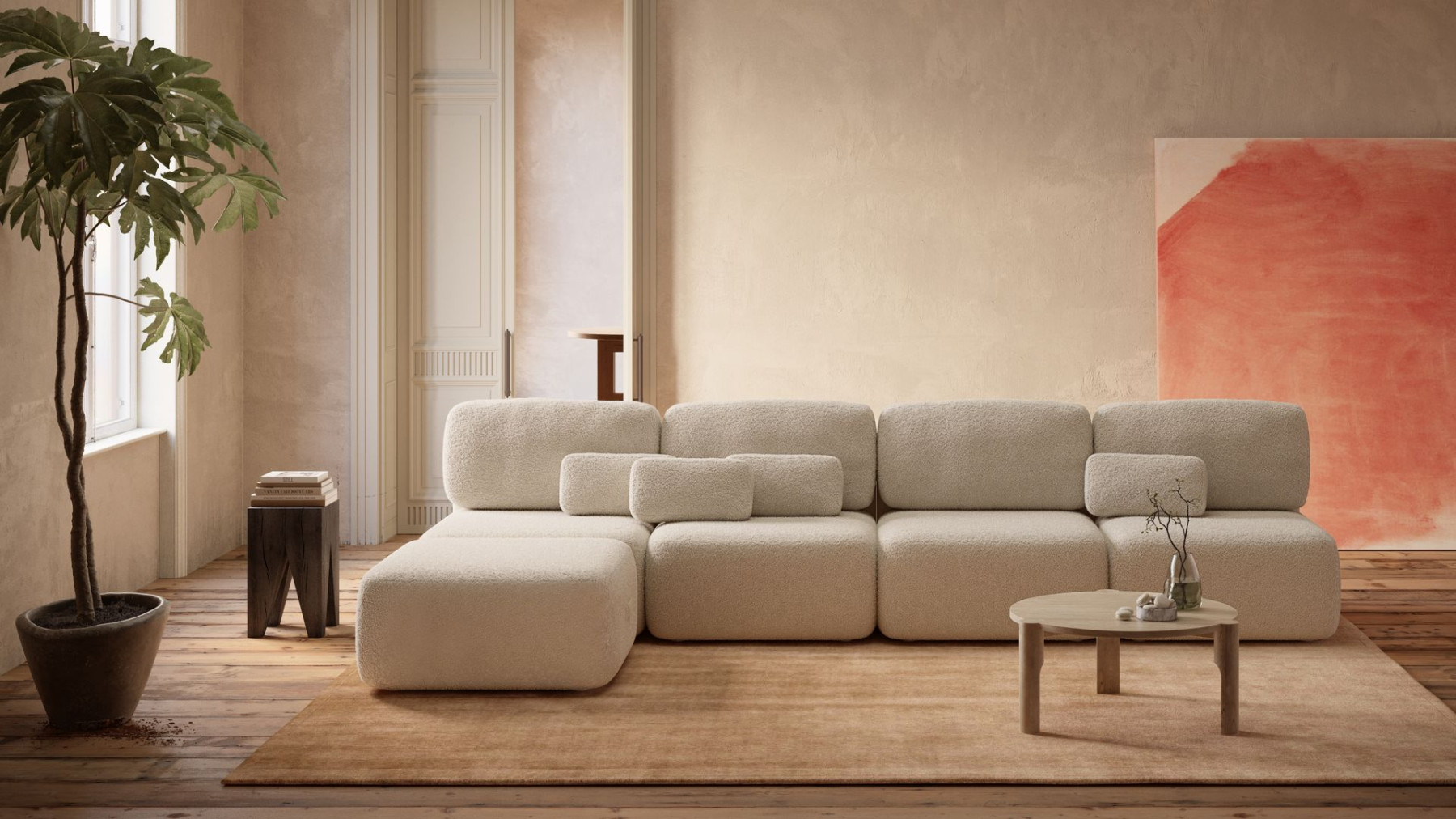
If there is an unambiguous lead character of this trend in 2026, it is the modular sofa. Built from independent modules - chaises, backrests, ottomans, corner sections - that combine to suit the space and the moment, it allows a shift from compact to wider configurations, and from sofa mode to armchair or bed mode. The newer versions rely on lightweight frames, removable upholstery and recyclable materials.
The bed that folds up against the wall has stopped being a solution for a small studio and become the basis of the flexible bedroom. Vertical ones use the height and completely free up the floor during the day; horizontal ones work better in spaces that are wider than they are tall. Alongside them comes transforming furniture - the sofa bed, the table that folds against the wall, the desk hidden in a cupboard.
When what is needed is not new furniture but a rethink of the layout, movable partitions come in - a middle solution that allows division without walls. Open shelving serves a similar function, with less sound insulation. And folding screens are among the most versatile elements in today's home.
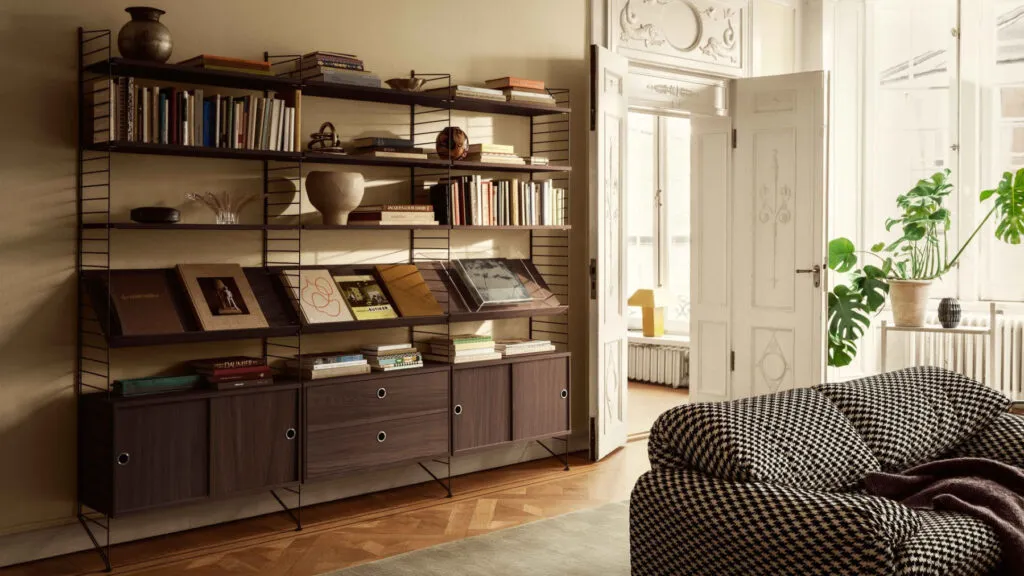
The rest of the house follows the same logic. Extending or folding tables adapt to the number of guests without taking up surplus space the rest of the week. Modular shelving grows, shrinks or changes its composition according to what needs storing. And configurable storage systems - drawers, shelves and doors combined to measure - avoid the choice between a cupboard that is too big and one that becomes too small the moment circumstances change.
Where to start
You do not have to renovate the whole house. It is enough to start with a piece you were planning to replace anyway - a sofa, a bed, a shelf - and choose its modular version. What matters is thinking first about how each space is used through the day, and only then about which furniture can accompany those changes. The question is not what to put in the corner, but what you do in it. Your flat may not change size, but it can change life as many times as you need it to.
The latest 10 news from this category
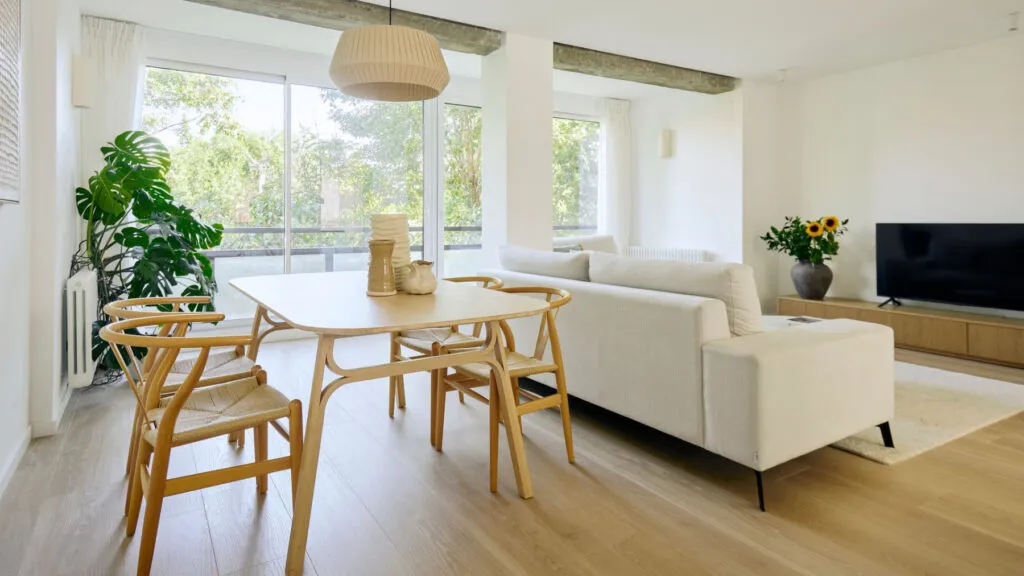
The architect did not ask about style, but about how they wanted to live five years from now. The result...

Jordi Cruz and Rebecca Lima opened up their house two years after the wedding. The basic material is not oak...
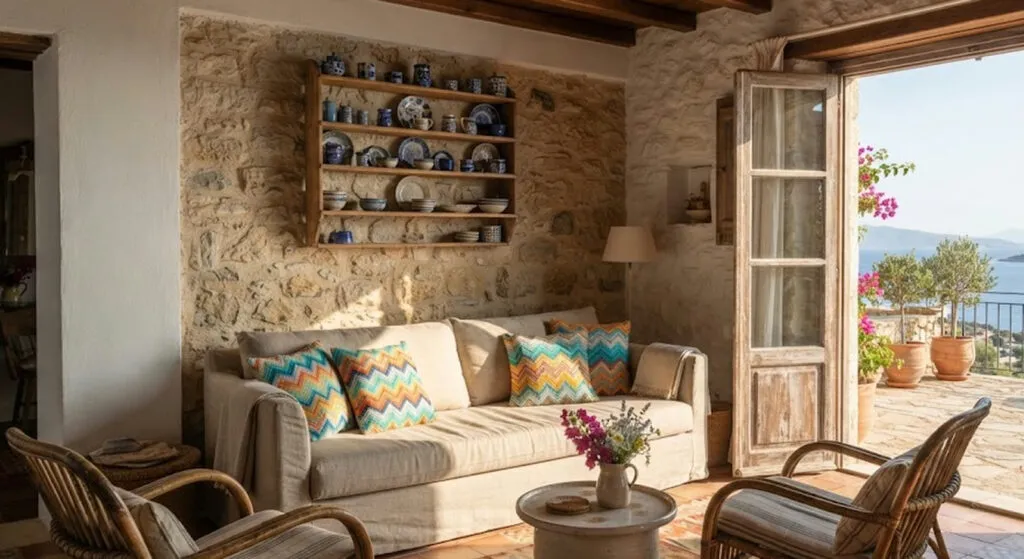
The most expensive family in the story gives the cheapest lesson. Not one piece in the living room is from...
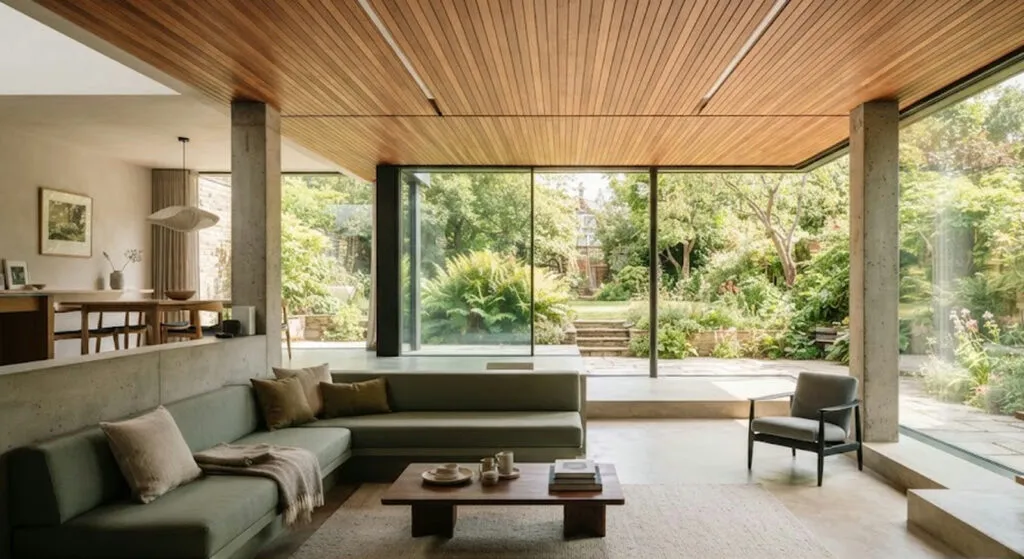
330 square metres in Biscay, a living room on two levels and a red staircase deliberately left untouched. The idea...
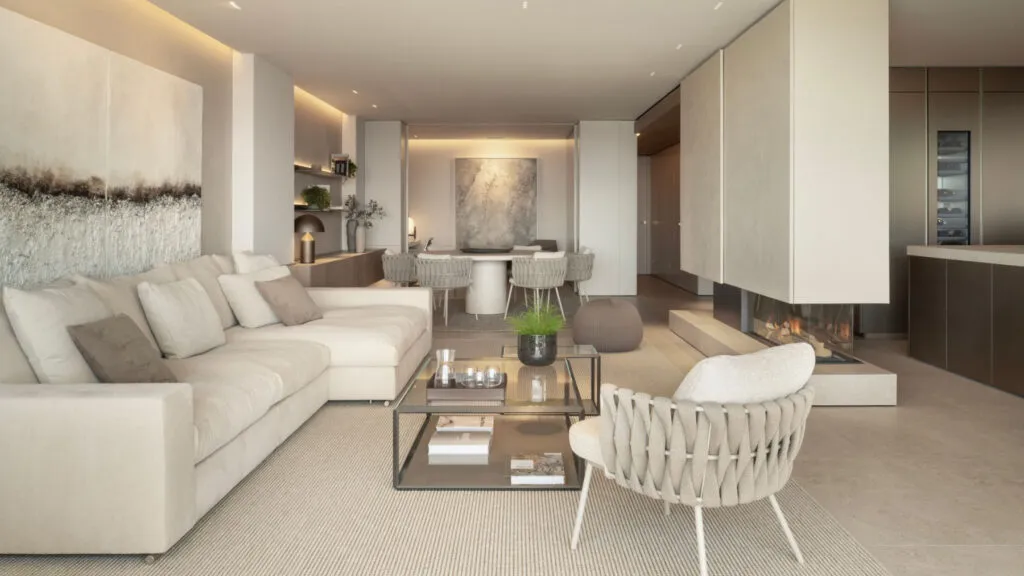
If the same tone and the same finish go literally everywhere, the space does not become calm - it becomes...
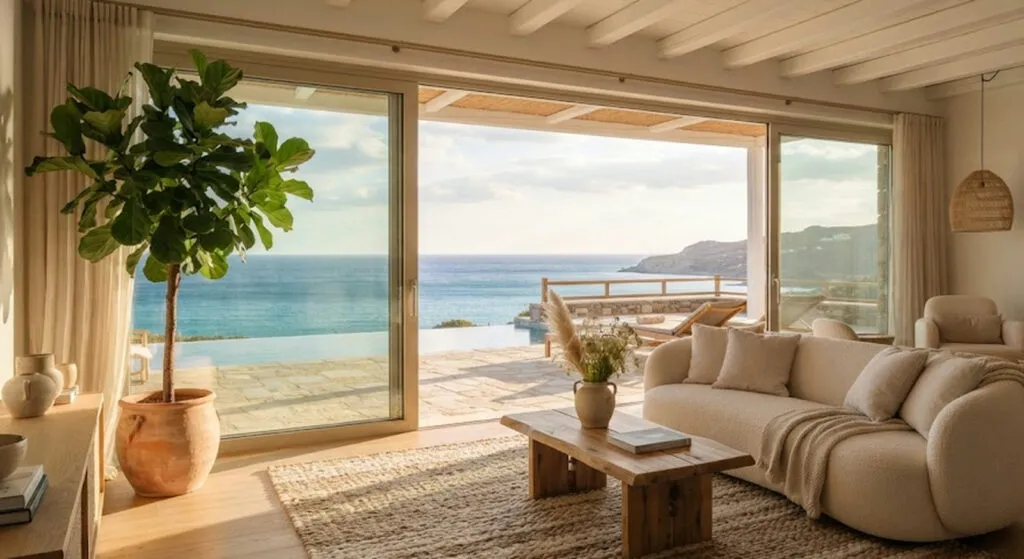
From Malibu to Mijas and Como. Some are real properties you can stay the night in, some are a set...
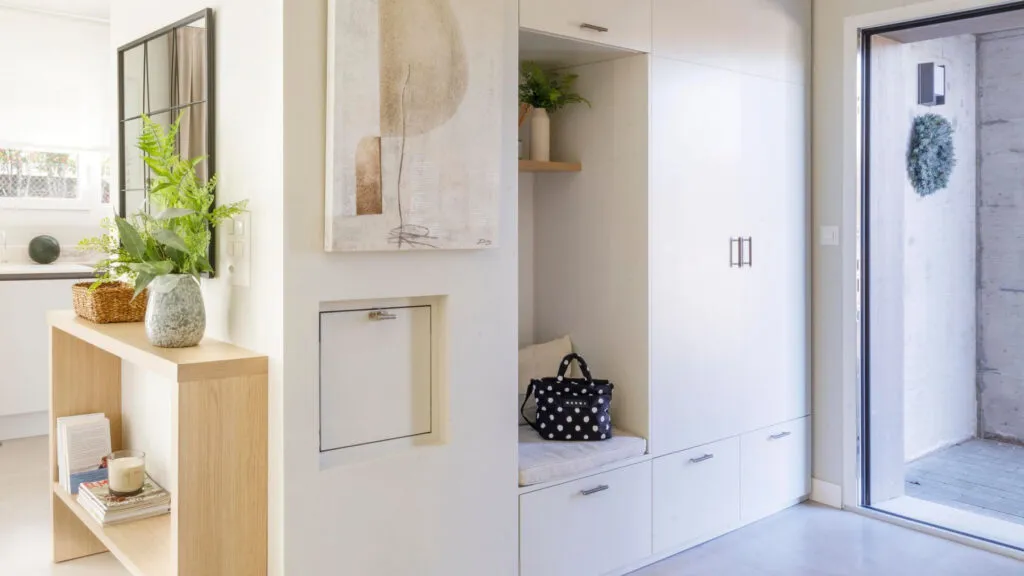
A twenty-centimetre shelf, a bench that hides shoes and one tray for the keys. The biggest enemy is not mess...
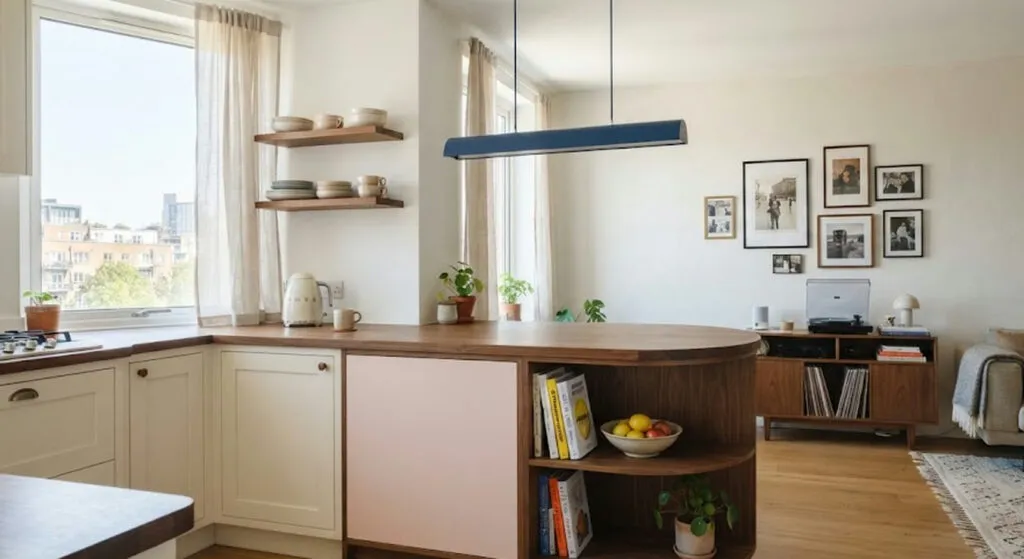
Colour here is not decoration but layout. The curved counter with a built-in bookshelf, the coral corridor and the wardrobes...
The trend is back, but not out of nostalgia - those pieces are solid wood, not chipboard with foil. Three...
The object bought to hide one white rectangle ends up taking more space than it does. And it makes the...
This site uses cookies - is that okay? Learn more
Be the first to know when Metla launches something new
Leave your email and we will write when there is a new guide or something new on Metla.
