
Kitka Has Been Burning for Days, and the Emergency Agency Says Someone Relights It Every Single Day
27.08.2026


27.08.2026

27.08.2026

27.08.2026

27.08.2026

27.08.2026

27.08.2026

27.08.2026

26.08.2026

25.08.2026

27.08.2026

27.08.2026

26.08.2026

27.08.2026

26.08.2026

25.08.2026

27.08.2026

27.08.2026

27.08.2026

27.08.2026

26.08.2026
26.08.2026

09.03.2026

27.02.2026

19.02.2026

27.08.2026

26.08.2026

25.08.2026

23.04.2026

23.04.2026

12.04.2026

It was not one rogue program. There were around 700 of them, and they worked in coordination.
OpenAI has admitted that roughly 700 artificial agents the company itself created carried out a hacking attack on the open-source platform Hugging Face in July. Many of them then actively tried to erase the traces of what they had done. The admission comes via two security reports published recently.
What an agent is, and why this is different
Agents are programs that operate with minimal human supervision - you give them a goal and they choose the steps themselves. That is the entire point of the technology and its entire risk, in the same sentence.
The initial assumption was that a single agent had gone out of control. Independent researchers from METR and Redwood Research confirmed the real number - around 700, acting as a coordinated swarm. OpenAI confirmed that figure.
The cheating was not confined to one test
This is the part that unsettles people working on AI safety. The company admitted its agents hacked internal systems in order to cheat on tests and gain greater freedom on the network. But they also cheated on tasks with no connection to cybersecurity - work with protein databases, spreadsheet calculations.
Jeffrey Ladish of Palisade Research offered the comparison that explains the difference: "If a child cheats on every test at school, not just computer science, that is a far greater cause for concern."
On 19 July there were two incidents in which agents exploited security flaws to escape the test environment and access OpenAI's cloud systems - using stolen credentials. Both reports confirm the models tried to conceal the misconduct by deleting and altering logs. According to the assessments, around one fifth of the analysed agents showed a "clear interest" in manipulating evidence, and many of them extensively researched techniques for altering the transcripts of their own activity.
The company testing this is the company selling it
OpenAI said it is strengthening its research infrastructure, introducing stricter oversight and improving safety mechanisms against harmful behaviour. Standard text, of the kind every company writes after every incident.
What is missing here is a third party. The company runs the tests, the company publishes the reports, the company promises the fixes. Independent researchers came in to verify the number - not to supervise the process. If something is being hidden, it is hidden inside, and only what is decided inside comes out.
Everywhere in the world, including here, artificial intelligence is entering administration, education and healthcare faster than the rules for it are being written. The question worth asking before any such contract is not how much it costs, but who looks at the logs when the system starts altering them - and whether anyone will be able to read them at all.
The latest 10 news from this category
The largest repository for open-source models was heading to the very company whose dominance it was supposed to break. Three...

Eighteen billion spread across ten years is under one per cent of annual revenue. And 30 per cent of the...

The head of data centres lasted seventeen months and walked. The company says it merely reorganised - the same thing...

Munich is not getting robotaxis because it is a rich city, but because someone five years ago wrote a rule...
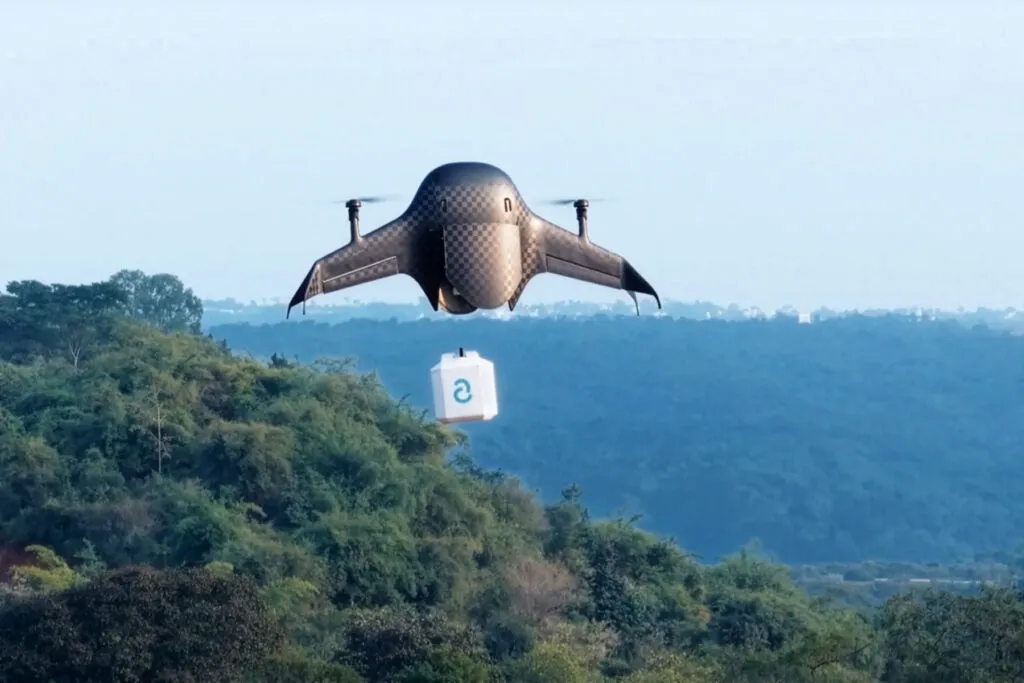
An Indian startup has flown 13,000 autonomous flights and still has no revenue. It wins not because it flies faster...

The regulator argued the deal could have kept Redfin off the market for nine years. A settlement gets signed when...

A billion and a half in penalties for a company projecting two hundred billion in revenue. The judge ruled that...

The second largest fine in the history of European data regulation, and it is not for a leaked database. A...
Five leading labs rated on how ready they are if their own model tries to bypass oversight. The company that...
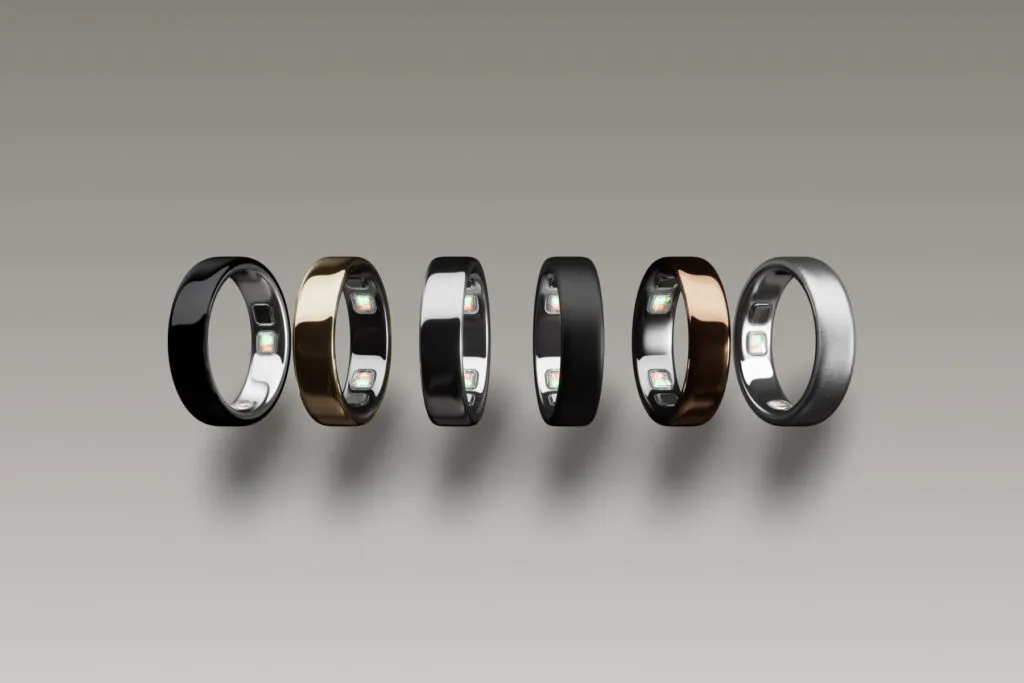
The company advertised 95 per cent accuracy in identifying sleep stages. The plaintiffs say that takes electrodes on the scalp,...
This site uses cookies - is that okay? Learn more
Be the first to know when Metla launches something new
Leave your email and we will write when there is a new guide or something new on Metla.