
Eye Surgeries Billed Twice, Up to 4,000 Patients Hit: The Violations Were Known, the Fines Never Came
30.10.2026


30.10.2026
30.10.2026
30.10.2026

30.10.2026
30.10.2026
30.10.2026

30.10.2026

29.10.2026

29.10.2026

30.10.2026

30.10.2026

29.10.2026

30.10.2026

30.10.2026

30.10.2026

30.10.2026

29.10.2026

28.10.2026

30.10.2026

30.10.2026

30.10.2026

30.10.2026

30.10.2026

30.10.2026
30.10.2026
29.10.2026
28.10.2026

23.04.2026

23.04.2026

12.04.2026


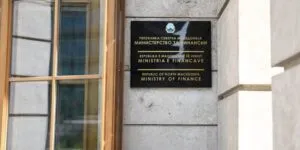
An eye operation, paid for twice. Once by the Health Insurance Fund, and once out of the pocket of a patient who had no idea the Fund had already paid. According to the criminal complaint, that is how the scheme worked - a scheme that hit between 3,000 and 4,000 patients and left the Fund's (FZO) budget about 1.7 million euros short.
Police, working with the Prosecutor's Office for Organized Crime and Corruption, searched several locations in Skopje and one each in Tetovo and Kumanovo. Eight people were detained, and around 50,000 euros in cash plus mobile phones were seized. The complaint targets 11 individuals, including one Albanian citizen, as well as the private healthcare facility itself - for money laundering.
How the scheme worked
According to the complaint, in 2020 two then-directors of the Fund, together with a representative of the private hospital, signed a contract that went against the Fund's own procedures and internal rules. Then, using false data in the electronic system and invoices with false content, the hospital billed the same service to both sides. On top of the legal co-payment, patients were charged a private price - and nobody told them the Fund had already paid for the very same operation.
The numbers in the complaint: 104,818,754 denars of damage to the Fund through payments on fictitious invoices, another 525,000 denars in contractual penalties never collected, and an unlawful gain for the hospital of 261 million denars, about 4.25 million euros, over 2022-2025. According to media reports, the hospital is "Sante Plus", and among those named in the complaint is former Fund director Den Dončev. Everyone involved is presumed innocent until a court says otherwise.
The inspectors who didn't inspect
The most interesting part of the complaint isn't the hospital - it's the people who were supposed to stop it. The head of the Fund's Control Sector is suspected of never forwarding reports on the irregularities he found to the responsible commission, and of postponing routine inspections. Two managers at the Fund's Skopje regional office are suspected of failing to collect fines that had already been imposed, so the Fund kept paying the facility without offsetting what it owed.
Health Minister Sašo Klekovski, who says he launched the investigation while he was head of the Fund, delivered what may be the worst sentence in the whole story himself: the facility engaged in "constant repetition of similar violations for which it was not adequately punished". He called it a "chain of impunity" - and, in his own words, it went on for years.
That's the real question. If one hospital can bill the same operation twice for years, with violations logged and never punished, how many other contracts with the Fund are passing through inspections that don't inspect? And how many of those 3,000-plus patients will ever see their money again?
The latest 10 news from this category

Another 1,700 hand grenades and mines pulled out 200 metres from homes in Bitola. One bomb disposal expert is digging...
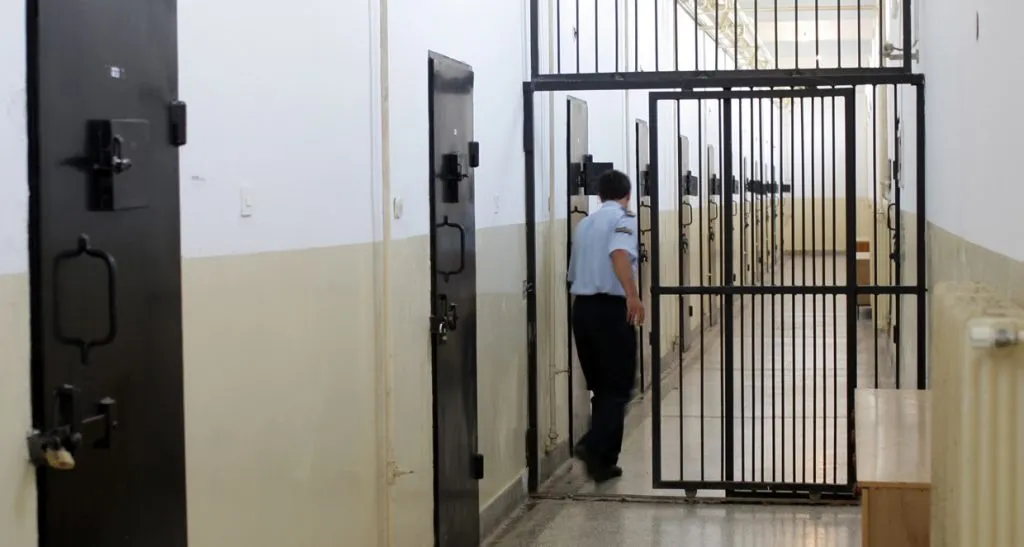
A convict from Bitola used his prison leave and was stopped in Gradsko with marijuana, pills and a white substance....
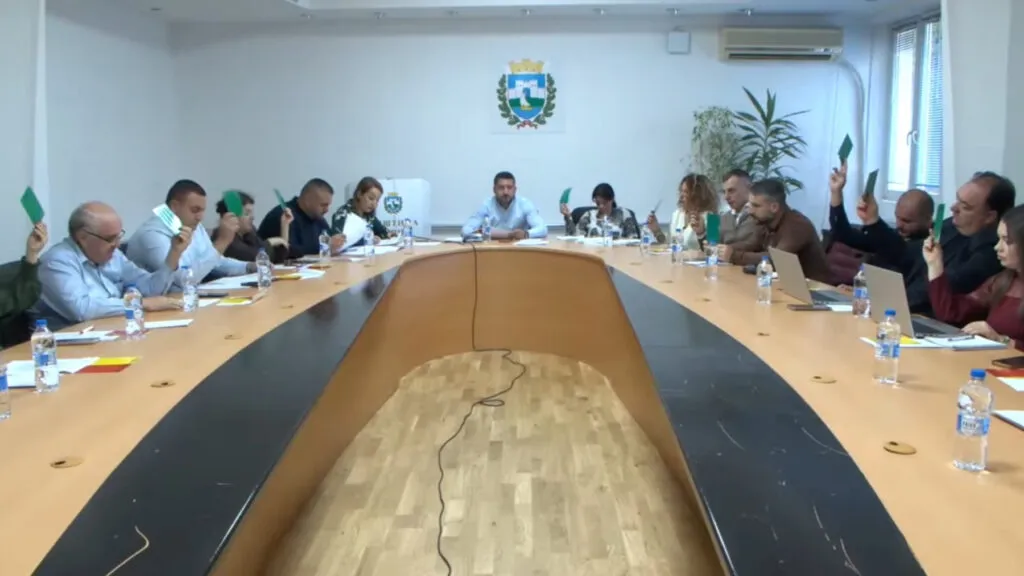
Ohrid's council voted for pricier water through 2029 and pricier services from the "Niskogradba" utility. The companies call it minimal;...
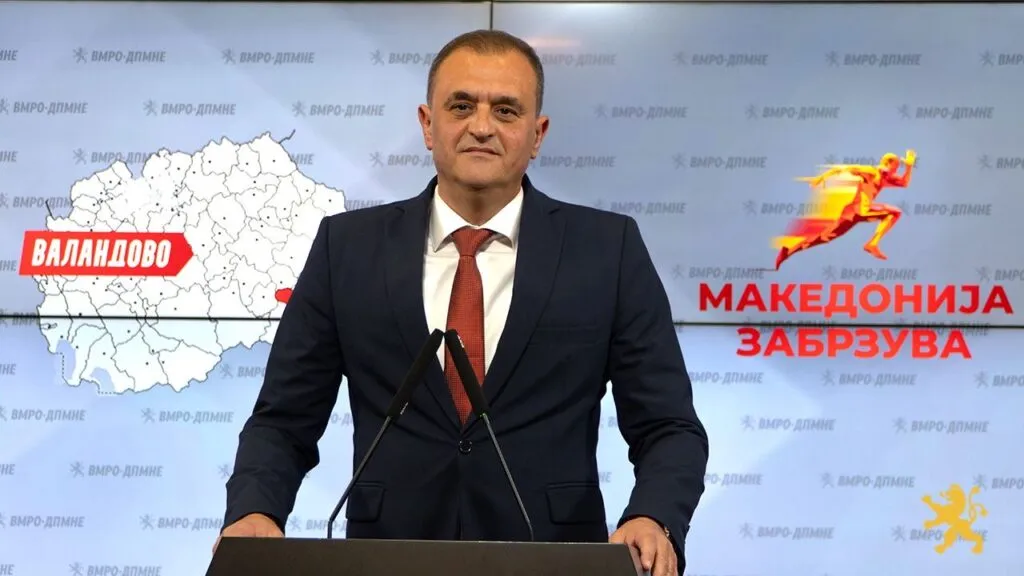
Mayor Kamčev lists project after project, most of them paid for with state money and the Hungarian loan. How much...
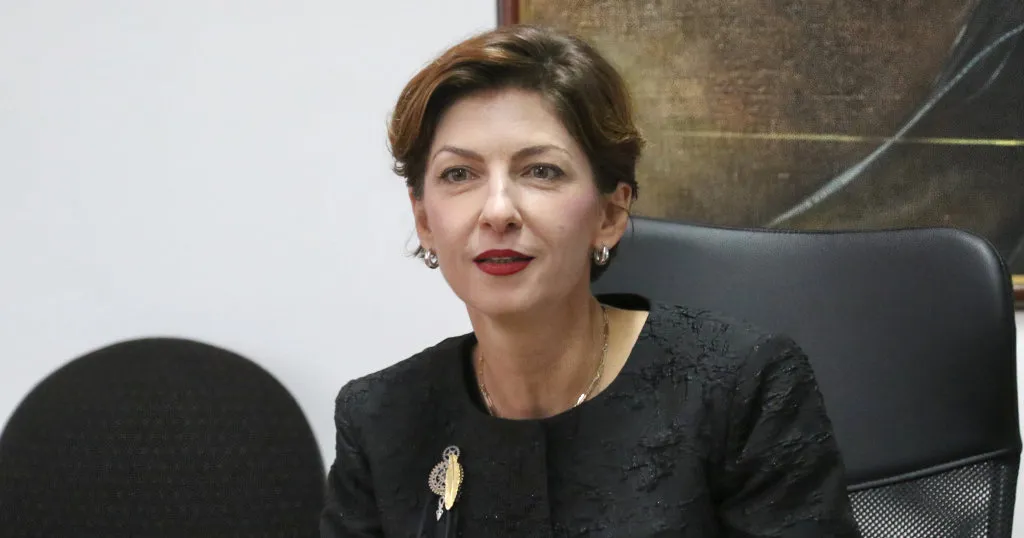
Iskra Hadži Vasileva is the new head of the Organized Crime Prosecutor's Office, chosen by her colleagues rather than by...
A draft law, seven bylaws and national plans running to 2037. Sounds serious - but both the minister and the...
The prime minister promises a public debate and parliamentary oversight of the merged agency. The opposition brings up the wiretapping...
Centar municipality is reworking the pilot project after talks with the police and is waiting for sign-off. A pedestrian neighbourhood...

New residents in both Skopje and Bitola, and the mayor talks of modernisation. Just months after an association demanded Skopje...
The excavators are at the landslide and the congratulations are pouring in on social media. Only Kisela Voda municipality is...
This site uses cookies - is that okay? Learn more
Be the first to know when Metla launches something new
Leave your email and we will write when there is a new guide or something new on Metla.