

Eye Surgeries Billed Twice, Up to 4,000 Patients Hit: The Violations Were Known, the Fines Never Came
30.10.2026


30.10.2026
30.10.2026
30.10.2026

30.10.2026
30.10.2026
30.10.2026

30.10.2026

29.10.2026

29.10.2026

30.10.2026

30.10.2026

29.10.2026

30.10.2026

30.10.2026

30.10.2026

30.10.2026

29.10.2026

28.10.2026

30.10.2026

30.10.2026

30.10.2026

30.10.2026

30.10.2026

30.10.2026
30.10.2026

29.10.2026

28.10.2026

23.04.2026

23.04.2026

12.04.2026

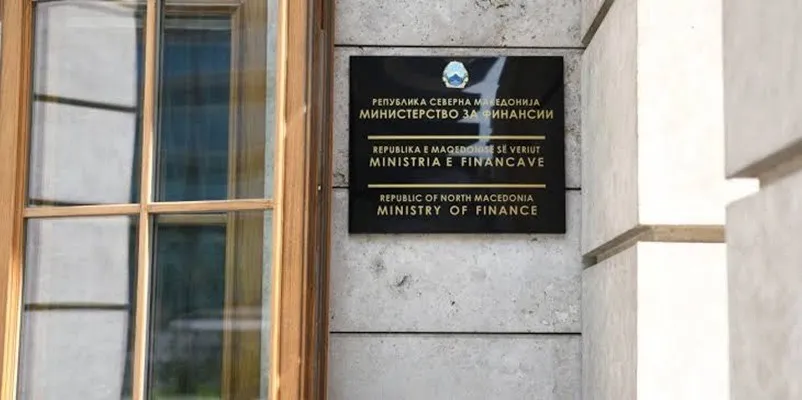
The State Audit Office gave the Development Bank a positive assessment for the 250-million-euro credit line for private companies - the part of the Hungarian loan earmarked for business. According to the auditors, the bank acted in line with the law, its internal rules and the contracts "in all material respects". There is one remark, though, and it isn't aimed at the bank.
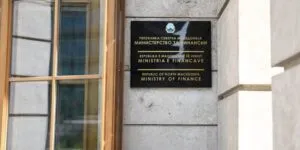
The Finance Ministry was between 10 and 48 working days late in paying out the tranches, even though the contract requires the money to arrive within 10 working days at most. The delays started with the fourth tranche, in May 2025, and kept going from there. The auditors warn this could slow down investments by companies waiting for the money. So the state offers cheap credit - and then keeps it in a drawer itself.
Where the money went
767 projects were approved, worth a total of about 14.26 billion denars, roughly 232 million euros, through 12 commercial banks. The terms really are generous: a fixed interest rate of 1.95%, repayment over up to 15 years, a grace period of up to three years and up to 10 million euros per borrower.
Small firms have the most projects, 455 or 59%, but got only about a quarter of the money, 3.57 billion denars. Large companies with 94 projects got 4.72 billion, and medium-sized ones with 171 projects 4.61 billion. The biggest share, 44% or 6.29 billion denars, went to manufacturing, followed by trade, transport, construction and hospitality.
A positive audit isn't a positive effect
The audit says the procedure followed the rules. It doesn't say how many new jobs this money brought. And labour market data for the second quarter of 2026 aren't exactly inspiring: employment grew just 1% year on year, while the number of informally employed people jumped to 101,022 - practically one in seven workers in the country is working off the books.
More than 230 million euros of cheap money for business, and the grey economy is growing. If that's not a question for the government, what is? The next report worth waiting for isn't about the bank's compliance - it's about how many of those 767 projects produced an employment contract instead of an envelope of cash.
The latest 10 news from this category

Tetovo leads with 22.5 million euros, and ten construction firms took a quarter of the total. Tender spending nearly doubled...

The minister boasts that state utility ESM sells power at 65 euros per megawatt-hour, half the price of when the...

6.3 billion dollars vanished from Binance, and analysts are following the trail to Pyongyang. Everyone in the Balkans keeping their...

Reddit is losing readers from search, yet its revenue jumped 53 percent. The login shields its data from AI bots...

Restaurant delivery and grocery delivery end up in the same hands. There's a year and a half until the deal...

A free feature scored how you drive, and according to the lawsuit, the data went to brokers and insurers. Now...
The official report records 132 workplace accidents; the unions talk about roughly two thousand injuries a year. Between the two...
A 90-days-in-180 rule, bilateral visas only with Switzerland and Croatia, and a route to Germany that crosses several more countries....

4.3 percent growth in the second quarter, the highest in the region, pulled by construction that grew almost 22 percent....
Small investors put their savings into the tech boom, convinced the state was behind it. Economists warn China may simply...
This site uses cookies - is that okay? Learn more
Be the first to know when Metla launches something new
Leave your email and we will write when there is a new guide or something new on Metla.