Студеничани: 35-годишник почина откако го удрила струја додека миел автомобил со вап-машина
18.09.2026


18.09.2026
18.09.2026

18.09.2026

18.09.2026

18.09.2026
18.09.2026
18.09.2026

17.09.2026

16.09.2026
18.09.2026

18.09.2026

17.09.2026

18.09.2026

18.09.2026

18.09.2026

18.09.2026

17.09.2026

16.09.2026

18.09.2026

18.09.2026

18.09.2026

18.09.2026

17.09.2026

17.09.2026

09.03.2026

27.02.2026

19.02.2026

23.04.2026

23.04.2026

12.04.2026


The E-Services portal at uslugi.gov.mk went down, then came back. The Ministry of Digital Transformation explained it was a "technical intervention and equipment upgrade." Citizens waiting for documents have a different name for it.
On April 21, some electronic services were unavailable - how long and which ones exactly, nobody clarified. The Ministry first said they were "working on resolving the issue," then announced the portal was functioning again. Between those two statements, citizens had neither service nor explanation.
And here's the problem: this isn't an ordinary website. Through this portal, citizens submit applications, pay fees, track procedures, and expect institutions to be accessible without a physical counter. When the system goes down, trust in the entire digital administration goes with it.
The state has been selling digitalization as its main administrative reform for years - e-identity, electronic payments, online applications, mobile solutions. But digitalization isn't measured by the number of published services, but by whether those services work when citizens need them.
The key question is how such interventions are planned. If the upgrade is known in advance, the public deserves to know when it will happen, how long it will last, and what those with urgent needs should do. If it's an unplanned problem, institutions must explain whether it's an infrastructure defect, security risk, or overload.
The portal is working now. But the question isn't about one day of downtime. If the state wants citizens to truly move from counters to screens, it has to offer more than a digital version of the old administration.
The latest 10 news from this category

Рич, Попчево, Белотино и Вељуса без вода за пиење по вонреден инспекциски надзор. Двата наода одат заедно, и тоа не...

Балканската дивокоза е строго заштитена со Бернската конвенција. Ловот е легален затоа што Маврово повеќе од 15 години чека закон...
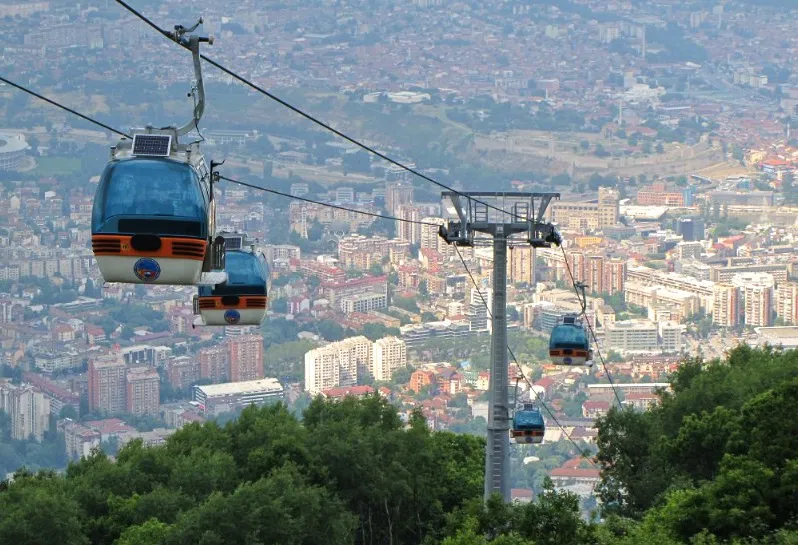
Три од четирите сензори не работеле, сајлите биле оштетени над минимумот. Државна проверка во август лани не најде ништо. Разликата...
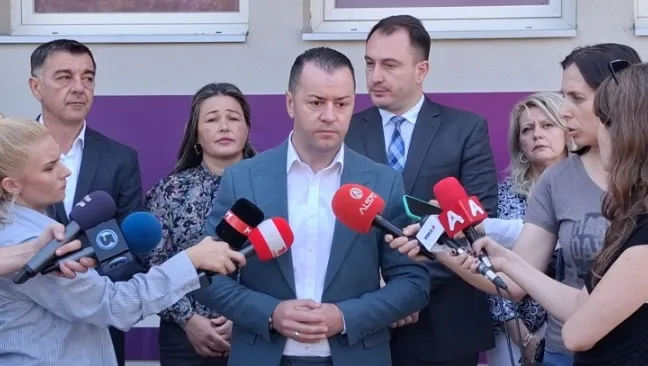
Стефковски го воведува ова по Муцунски. Уставот важи за целата држава, а правилото се носи општина по општина — таа...
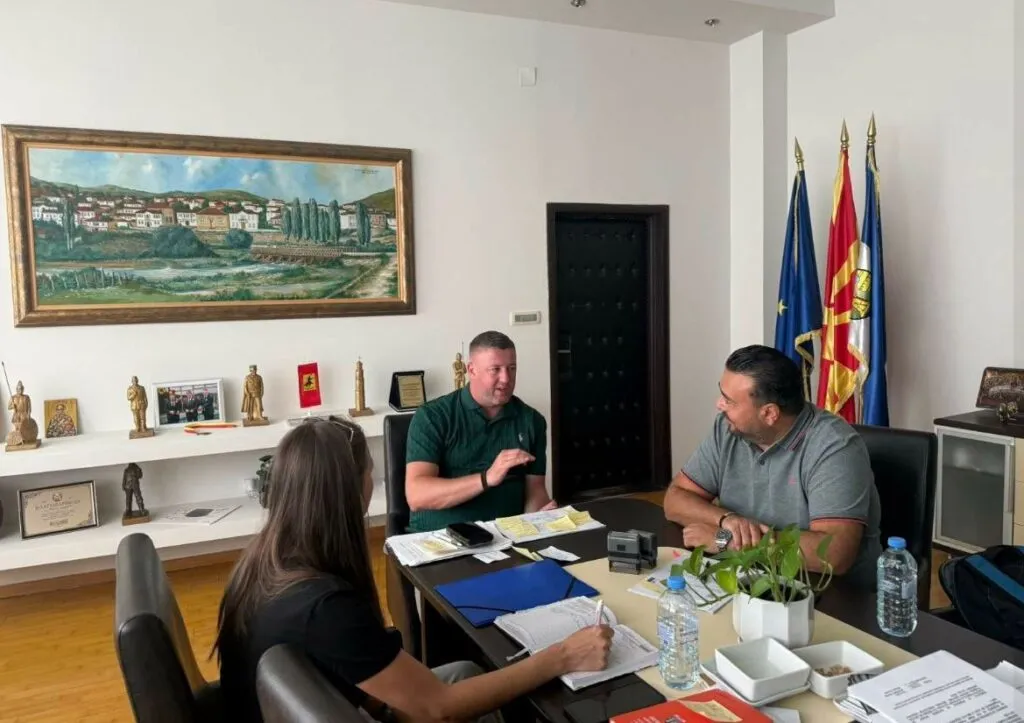
Ако рокот се искористи целосно, документот стигнува есента 2027 година. Прво наплатено место реално не се очекува во мандатот што...
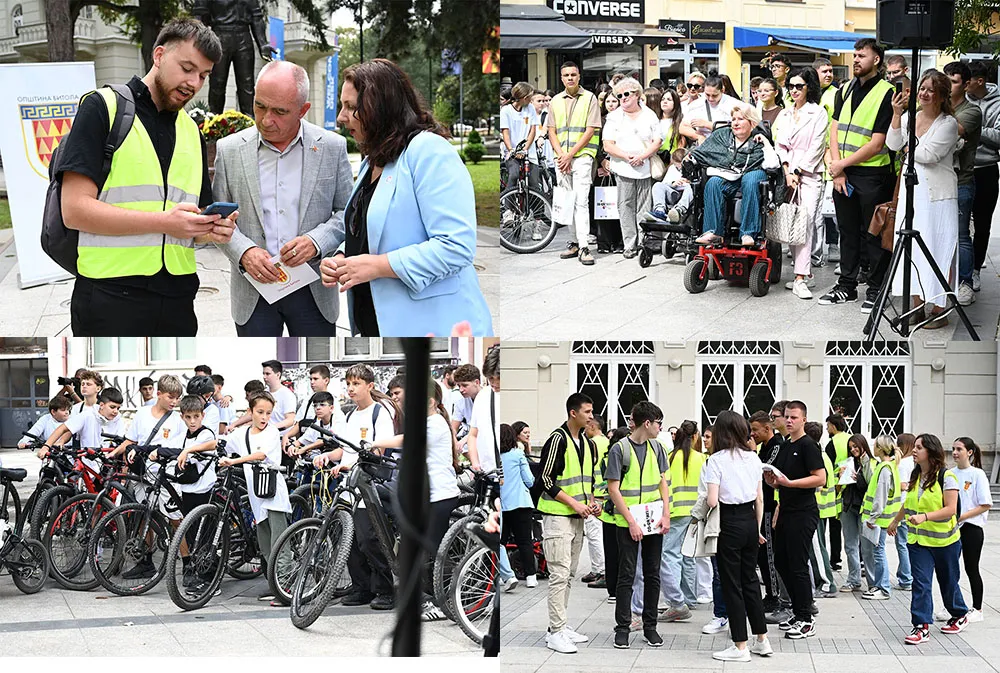
Европската недела на мобилност заврши со податоци со точна локација, а не со анкета. Мапата подоцна ќе покаже колку од...
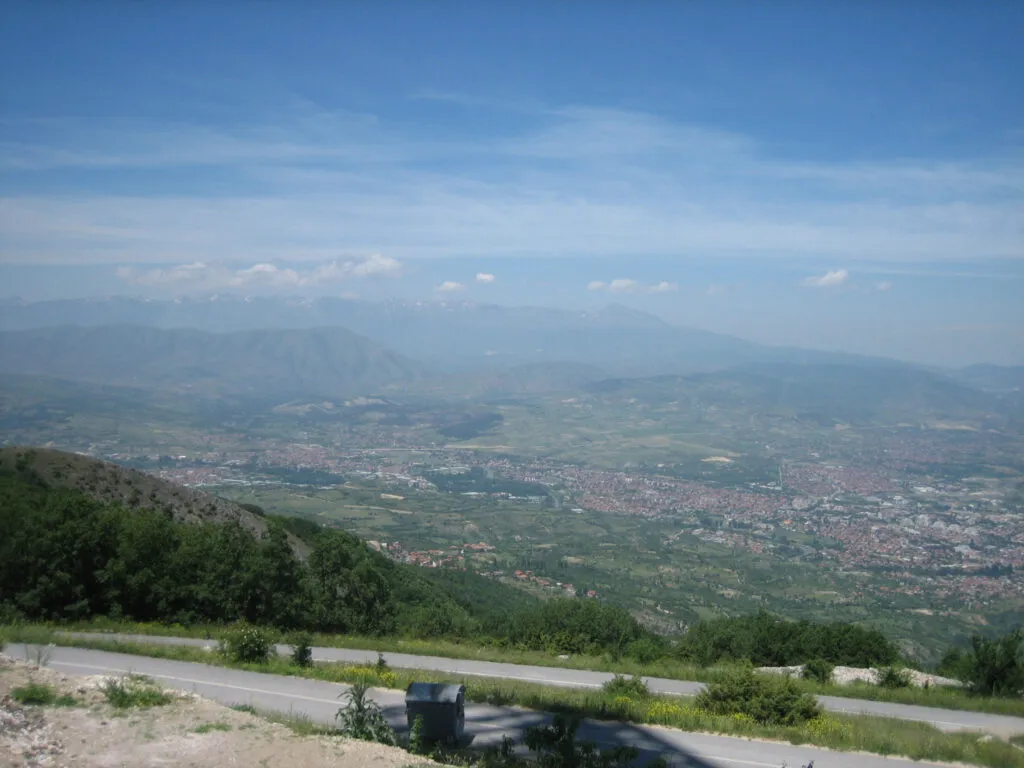
Општината вели една третина помалку градба од стариот план. Во однос на она што денес стои на падината, тоа е...
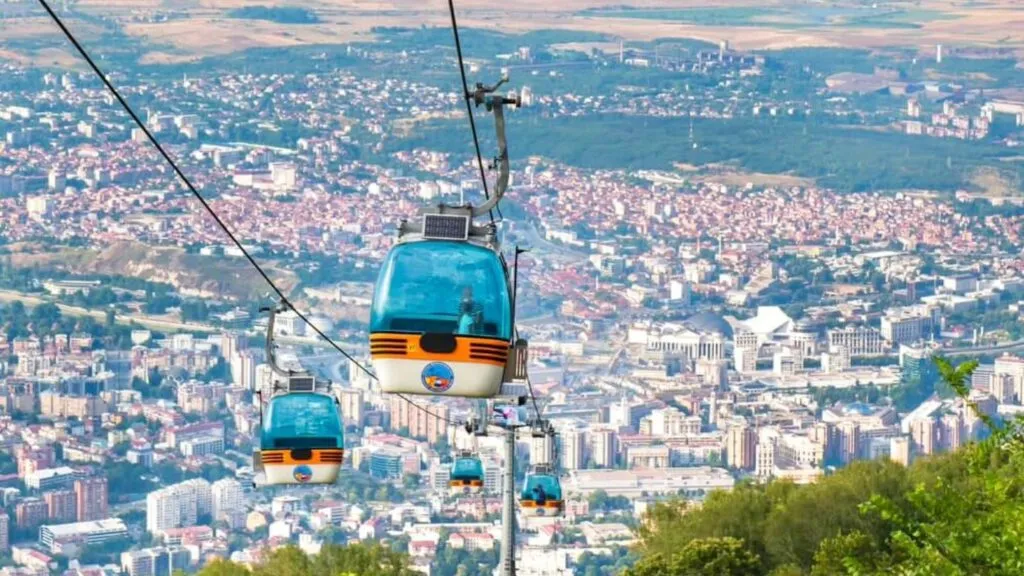
The mayor says the cable car was one step away from tragedy. The manufacturer's report found worn-out parts and dead...
One ticket for both train and bus by the middle of next year, 40 new eco-friendly buses, waits under six...
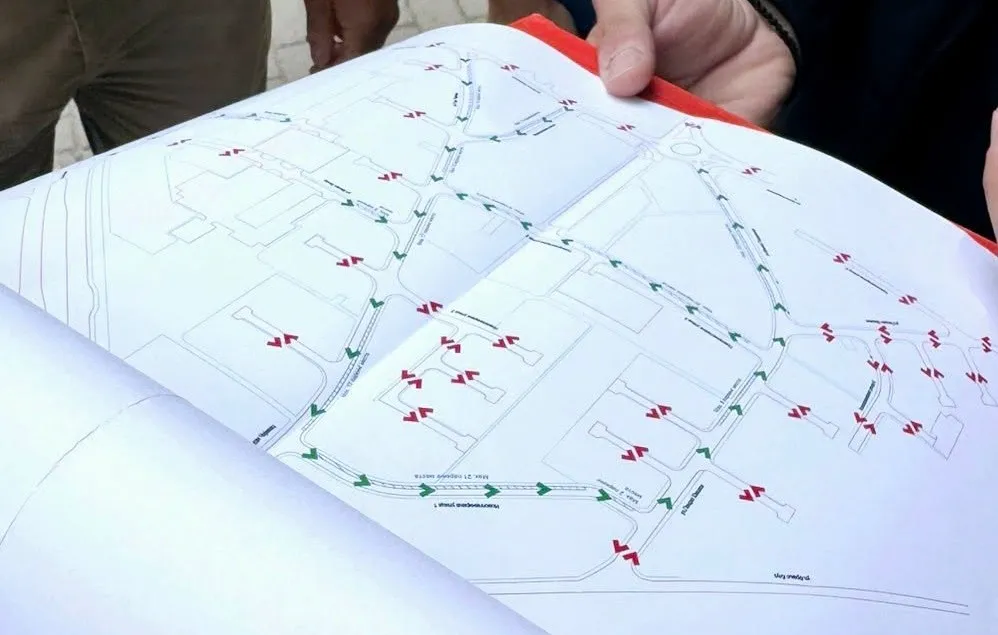
Two streets go one-way, cycle lanes appear and the speed limit drops to 30 km/h. The question nobody answered is...
This site uses cookies - is that okay? Learn more
Be the first to know when Metla launches something new
Leave your email and we will write when there is a new guide or something new on Metla.