"Being careful" is Macedonia's most-used contraceptive: 43.9% of couples, against 14% using a modern method
28.09.2026


28.09.2026

28.09.2026

28.09.2026

28.09.2026
28.09.2026

28.09.2026

28.09.2026

27.09.2026

27.09.2026

28.09.2026

28.09.2026

27.09.2026

28.09.2026

28.09.2026

28.09.2026
28.09.2026

27.09.2026
26.09.2026

28.09.2026

28.09.2026

28.09.2026

09.03.2026

27.02.2026

19.02.2026
28.09.2026

27.09.2026
27.09.2026

23.04.2026

23.04.2026

12.04.2026

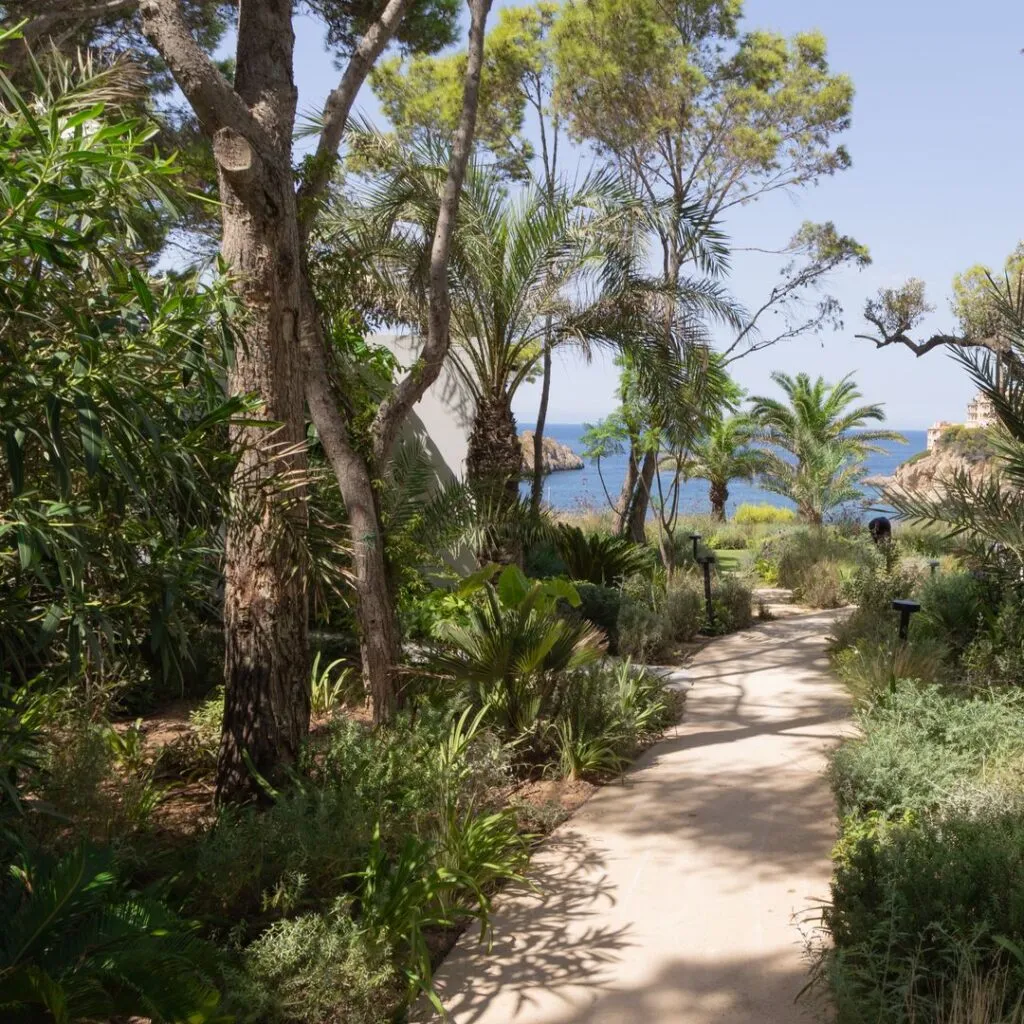
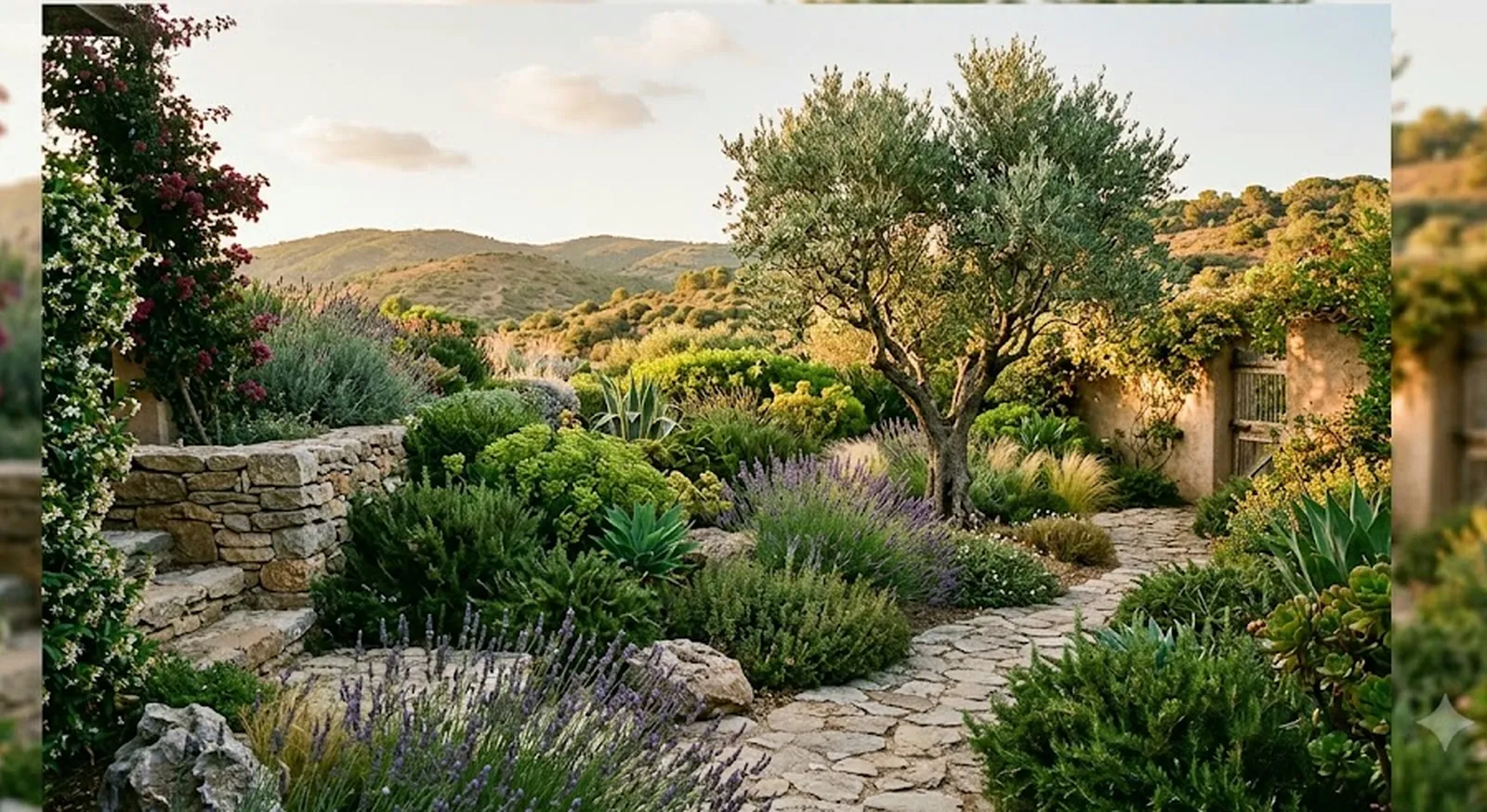
For a long time a garden was judged by how tidy it was: a clipped lawn, plants in strict rows, a sprayer for every bug. Landscape designers today measure something else - how much life it gathers. Ecological, sustainable gardens are the trend changing how outdoor spaces are designed, and the idea is simple: a garden isn't decoration, it's a habitat for plants, birds, insects and microorganisms.
Every garden is part of a network
Private gardens, even the smallest ones, play a bigger role in the city than we think. They're part of the ecosystem and affect it in several ways. All the gardens in a neighbourhood together make up a network of green spaces that gives birds, butterflies and insects food and shelter. That's why it matters to have many different kinds of plants in a garden - the more varied, the more life it can support.
A garden for your nerves
Twenty-first-century gardening brought in something that wasn't taken into account before: a garden directly affects physical and mental wellbeing. Contact with nature, with plants, and working outdoors is one of the best ways to feel better. And when a garden is shared, say between neighbours, it has a social role too - it brings people together. How many yards between our apartment blocks sit empty, with a lawn nobody uses?
Choose plants with a purpose, not just for looks
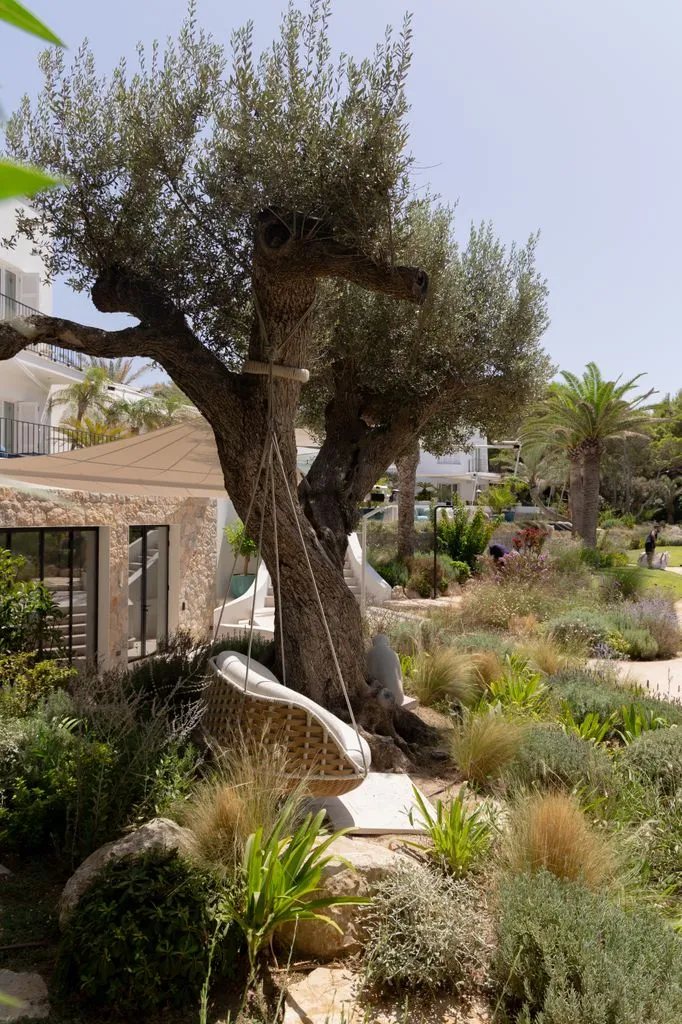
When choosing plants, the criterion can't be purely aesthetic. Modern garden design sees the garden as a functional space, so greater variety is recommended. Native species have the biggest advantage: they adapt better to the soil and climate, and need less water and less care. Drought-tolerant plants save water, and chemicals should be kept to a minimum. Efficient irrigation and an organic cover around the roots, known as mulch, are part of the same logic.
Sustainability starts on paper
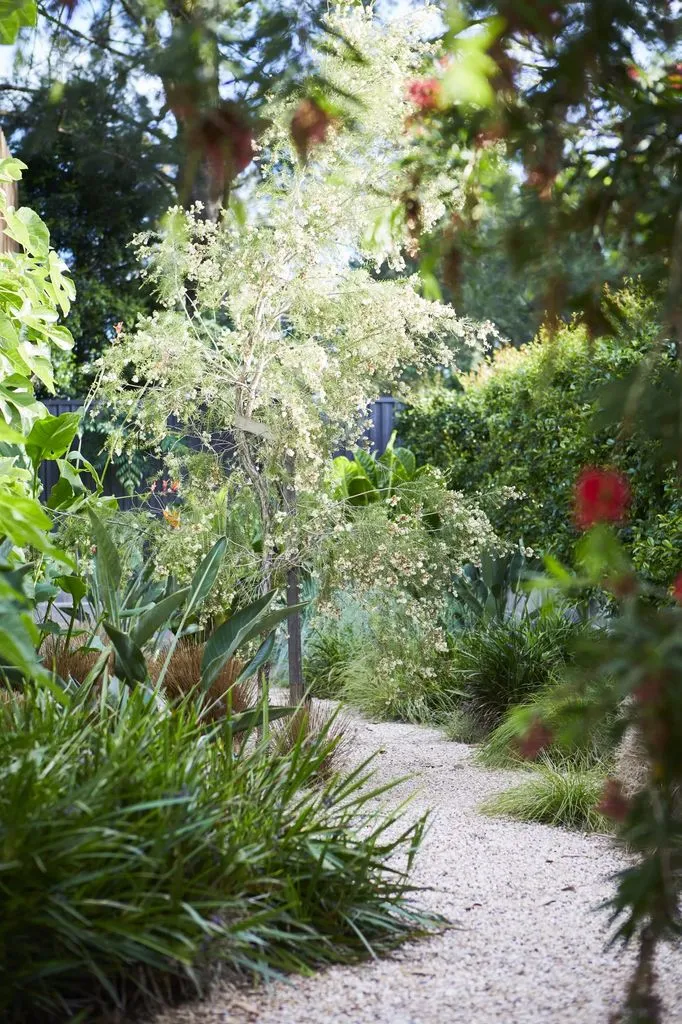
A sustainable garden isn't made by fixing things after it's been planted - it starts at the design stage. That's when you decide how resources will be used: which species, what natural layout, what irrigation system. And that's where one prejudice falls apart: sustainable doesn't mean neglected, wild or chaotic. An eco garden can be tidy and in balance. The difference is in the maintenance, which respects the plants' natural cycles instead of fighting them.
It all starts with the soil
A healthy, beautiful garden starts with healthy soil. Soil isn't just the base plants grow in, it's an ecosystem in its own right, full of microorganisms without which nothing works. It needs to be well prepared before planting, so plants grow better and use less water, and chemicals aren't welcome in it. Well-prepared soil is the cheapest irrigation system there is.
Compost instead of a sack of fertiliser
With native plants you need to fertilise less, but the soil still needs nutrients now and then. For an eco garden - organic fertiliser only. The best advice is a composter in the garden, where organic kitchen waste becomes your own compost. Potato peelings and vegetable scraps end up under the tomatoes instead of in the bin. Did your grandmother throw them in the rubbish - or somewhere in the yard?
Birds as pest control
Chemical pesticides are out of the question in an eco garden. Harmful insects and fungal diseases are handled differently: the garden attracts their natural enemies - birds and bats - with feeders and water bowls in accessible spots. If intervention is still needed, eco-friendly products or proven home remedies that leave no trace in the soil are used.
What's left at the end? A garden that feeds birds and insects, improves the soil, attracts pollinators and brings peace to the people who tend it. It doesn't need a big yard or a big budget. It only asks us to give up the idea that the perfect garden is one where nothing moves.
The latest 10 news from this category
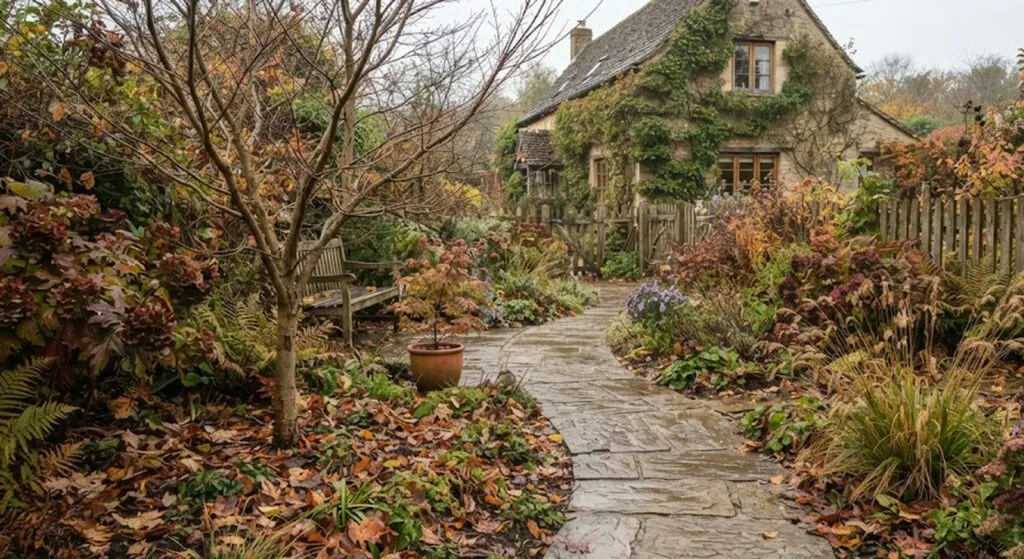
The answer to the heat is not turning the garden into cacti. Twelve steps for autumn, and the first is...
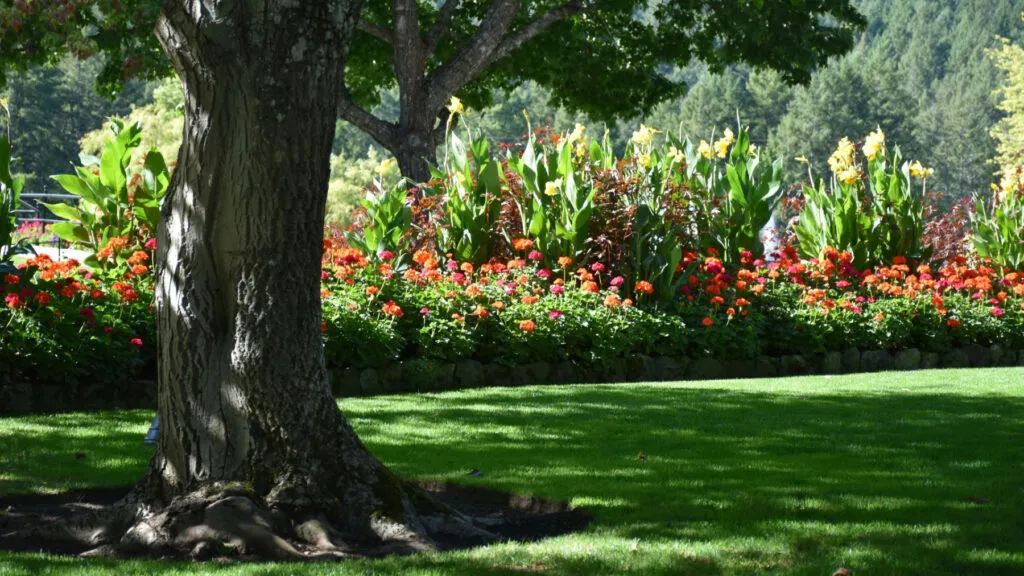
The most common mistake with a freshly planted plant is not the variety or the soil, but the water. The...
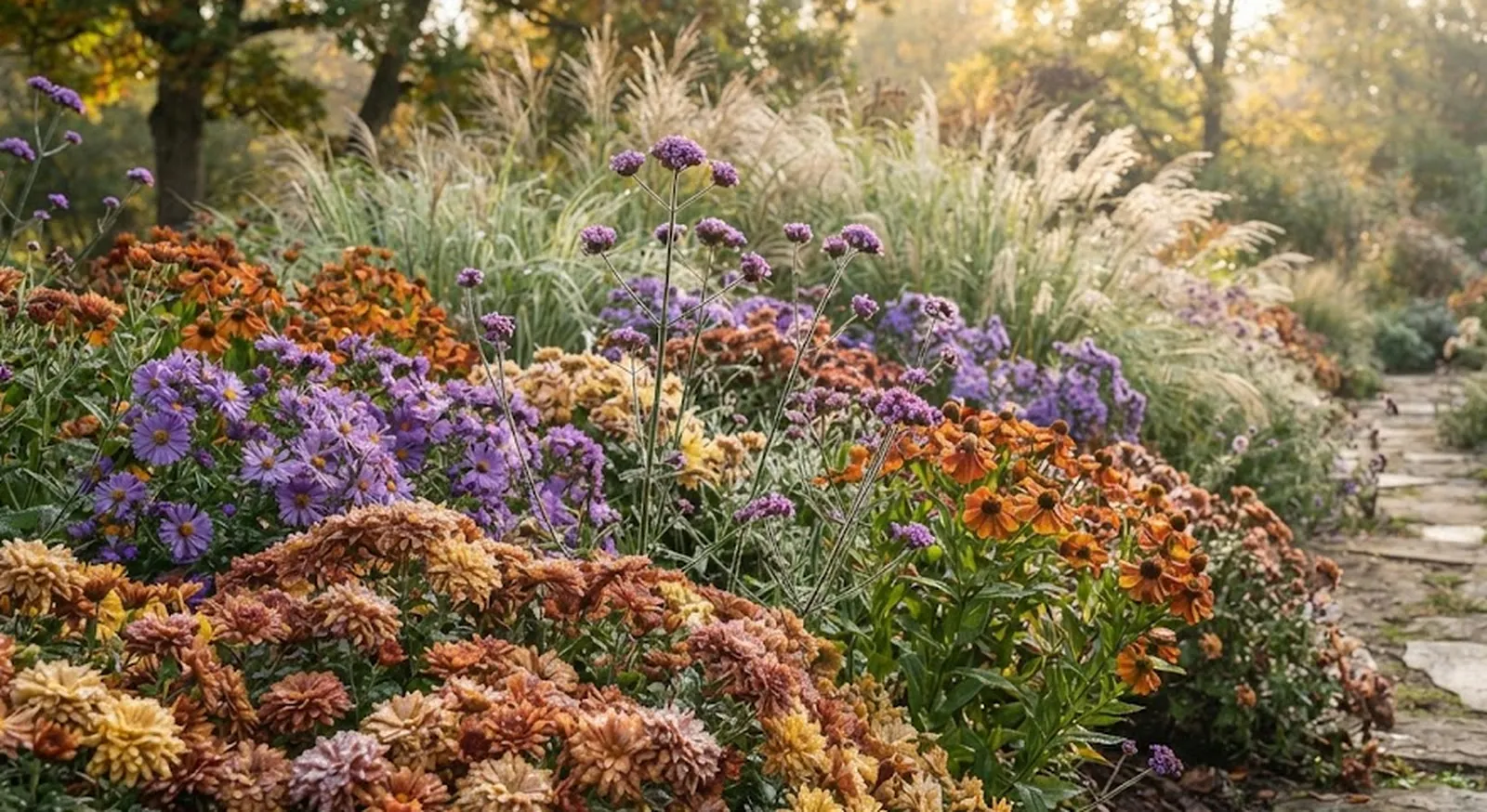
The assumption that August is followed by three brown months of waiting is not true - it is the consequence...
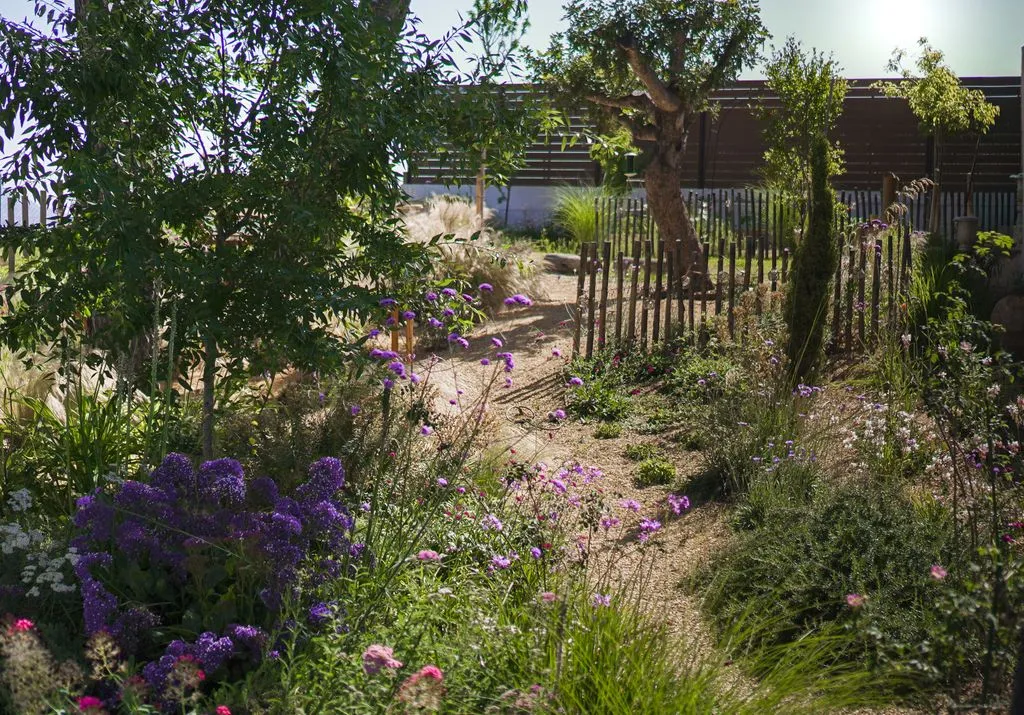
The garden stops being an ornament and becomes infrastructure. What is a Valencian experiment today is an ordinary back yard...
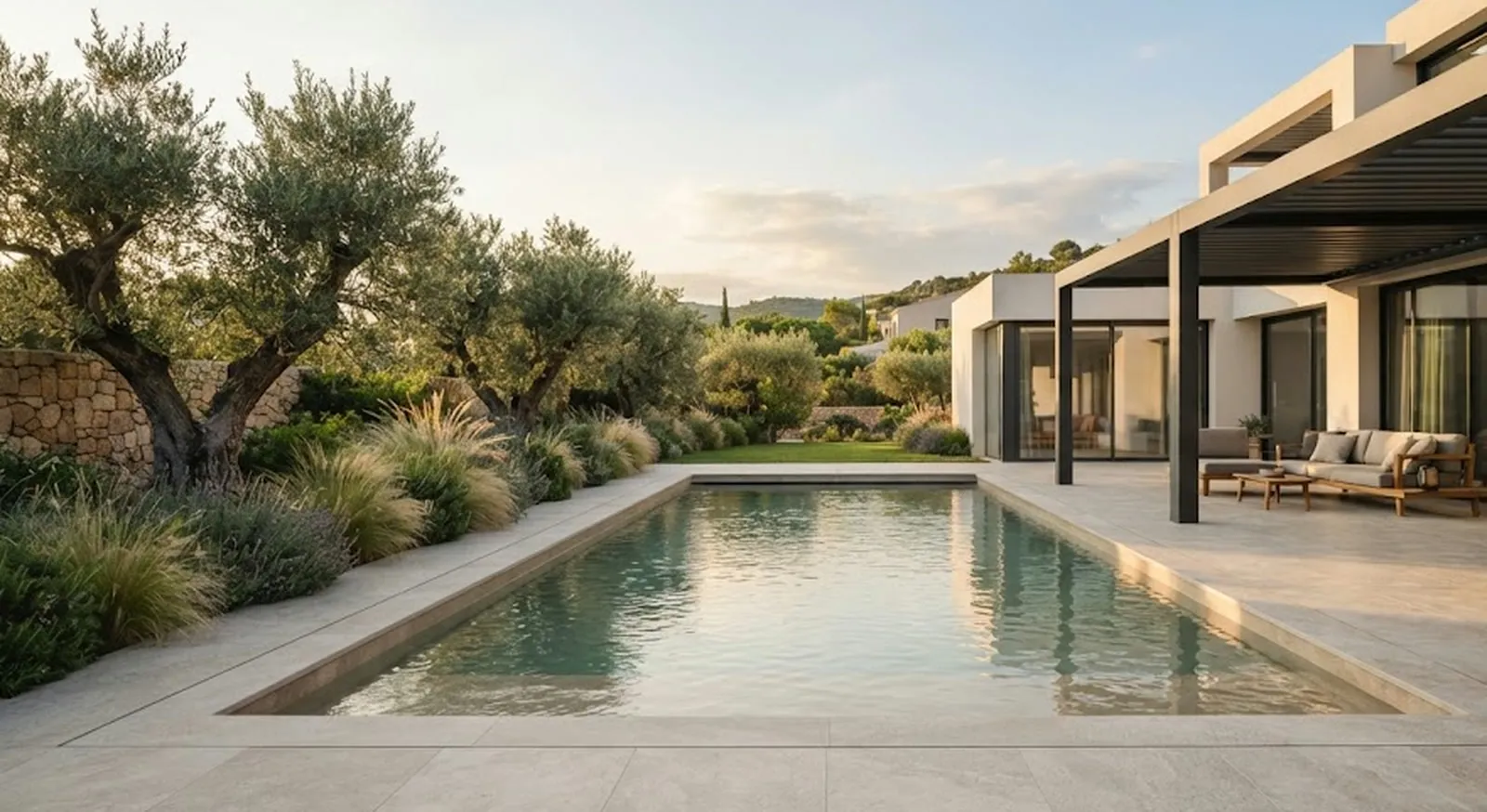
The blue rectangle in the corner of the garden is no longer the law, but the real mistake is not...
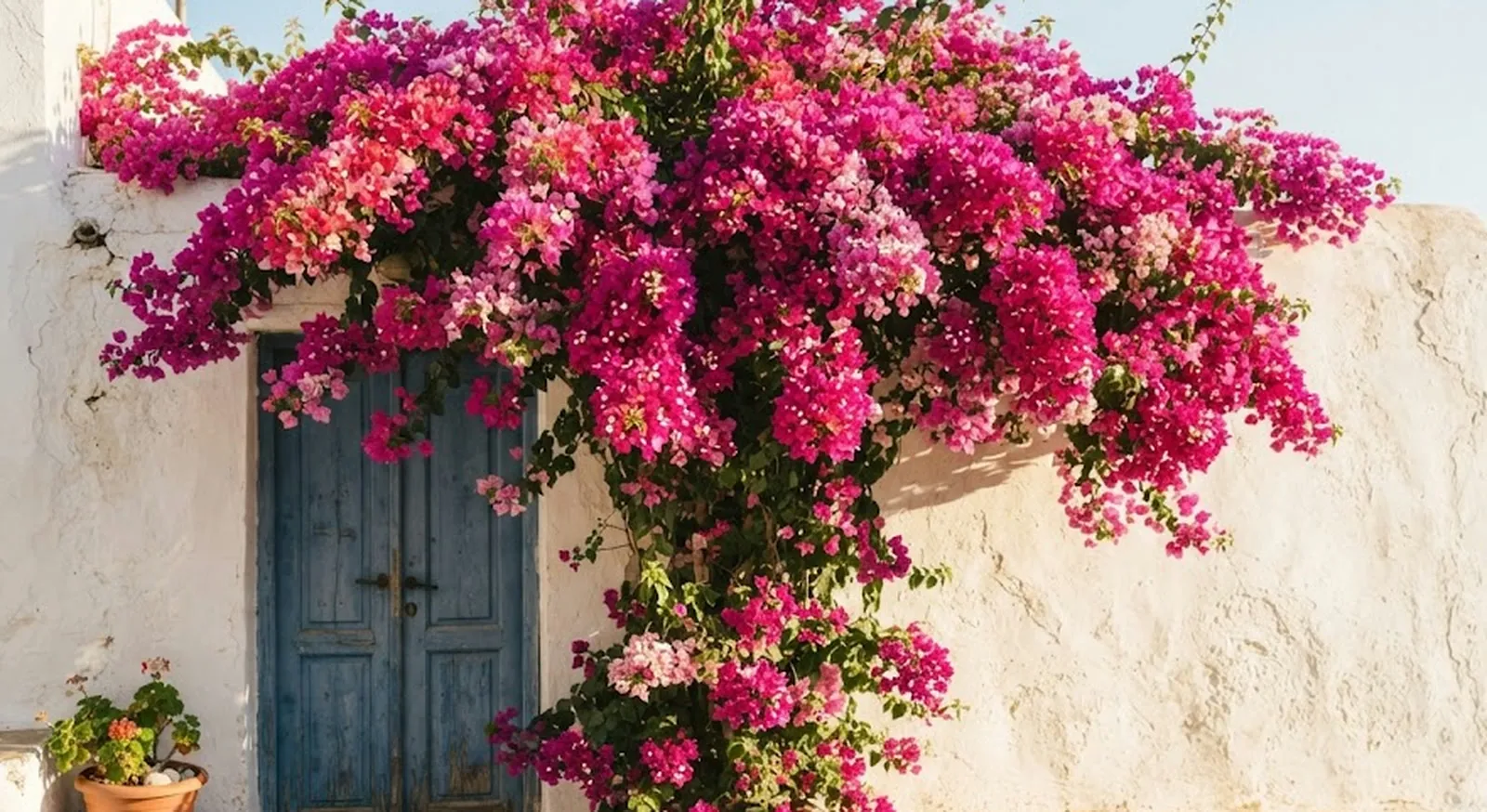
That explosion of colour spilling over Mediterranean walls asks for just two things - sun and a little thirst. And...
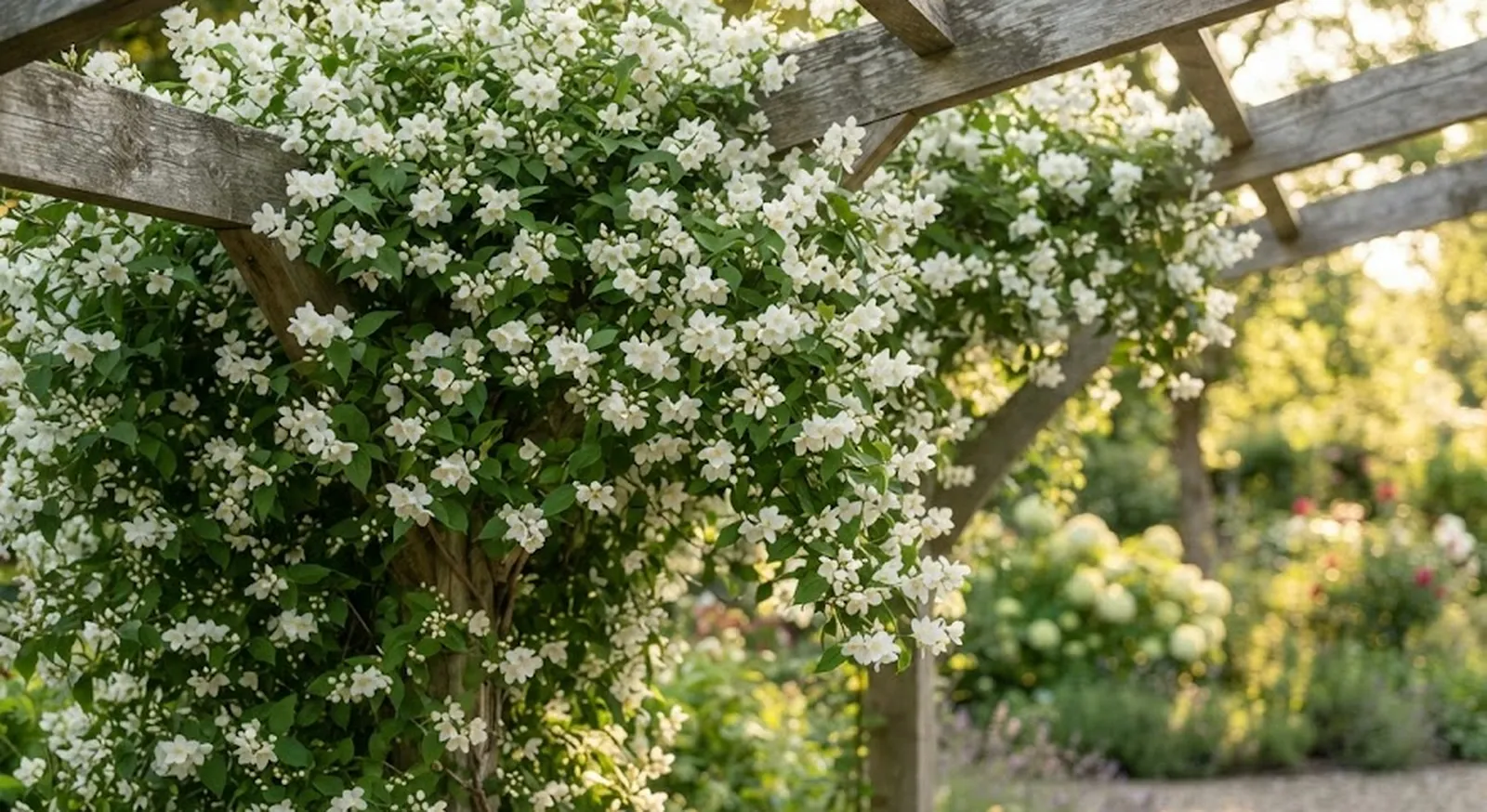
For months of flowers and that heady scent, common jasmine asks you to do a few things right. The most...

Not a scent from a spray can, but something alive that calms you. Sometimes the freshest home is the one...
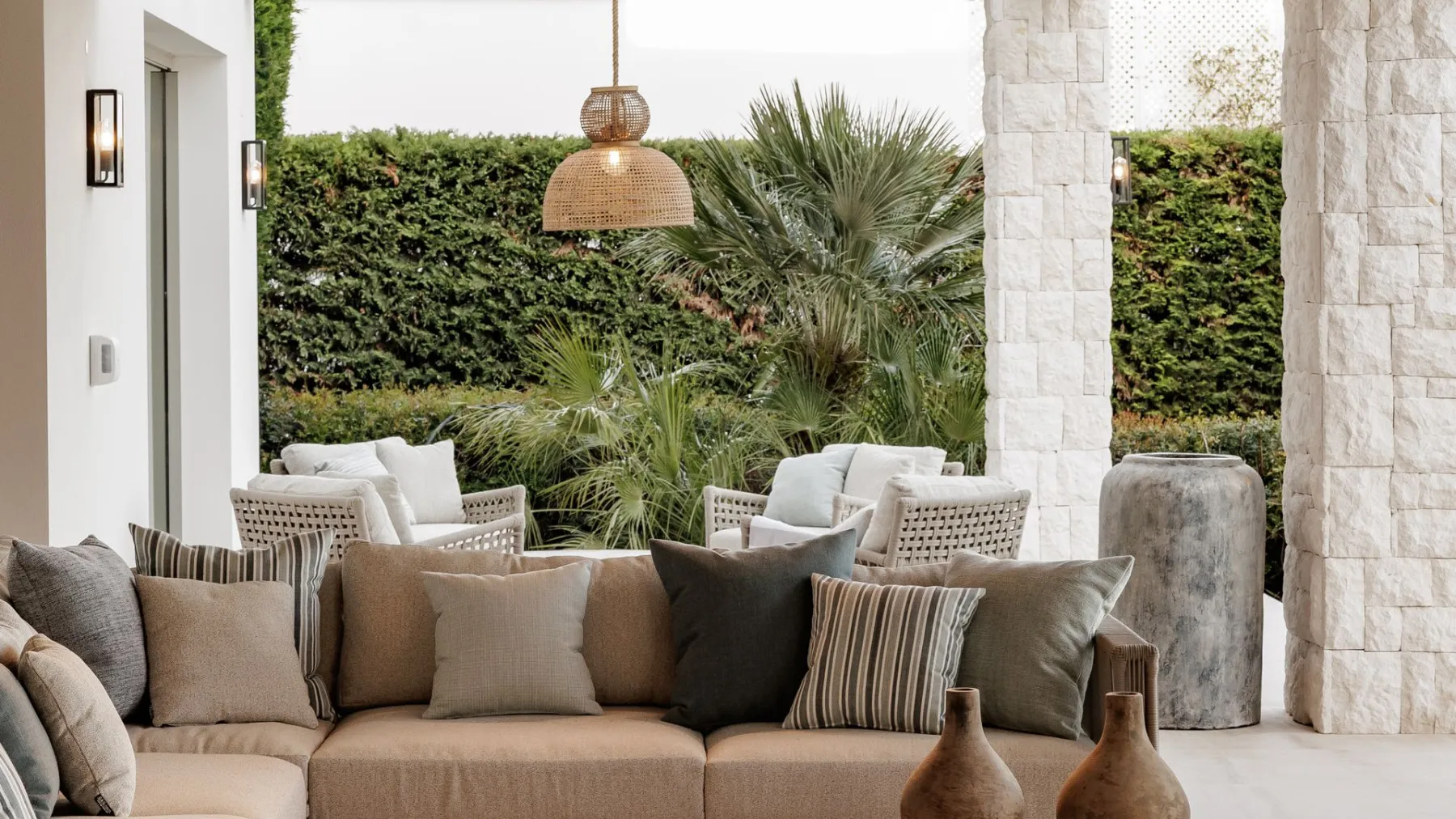
The difference between a terrace that collects plants and a terrace where you stay lies in a few decisions that...
Buying plants with no plan, artificial grass, oversized saplings - a landscape architect lists the mistakes you pay for late....
This site uses cookies - is that okay? Learn more
Be the first to know when Metla launches something new
Leave your email and we will write when there is a new guide or something new on Metla.