

"That's not my job": the trial of the 13 Puls police officers restarted from scratch, and witnesses describe help being refused
22.09.2026


22.09.2026

22.09.2026

22.09.2026

22.09.2026

22.09.2026

22.09.2026

22.09.2026

21.09.2026

20.09.2026

22.09.2026

22.09.2026

21.09.2026

22.09.2026

22.09.2026

22.09.2026
22.09.2026

21.09.2026

20.09.2026

22.09.2026

22.09.2026

22.09.2026

22.09.2026

22.09.2026

22.09.2026

09.03.2026

27.02.2026

19.02.2026

22.09.2026

21.09.2026

21.09.2026

23.04.2026

23.04.2026

12.04.2026

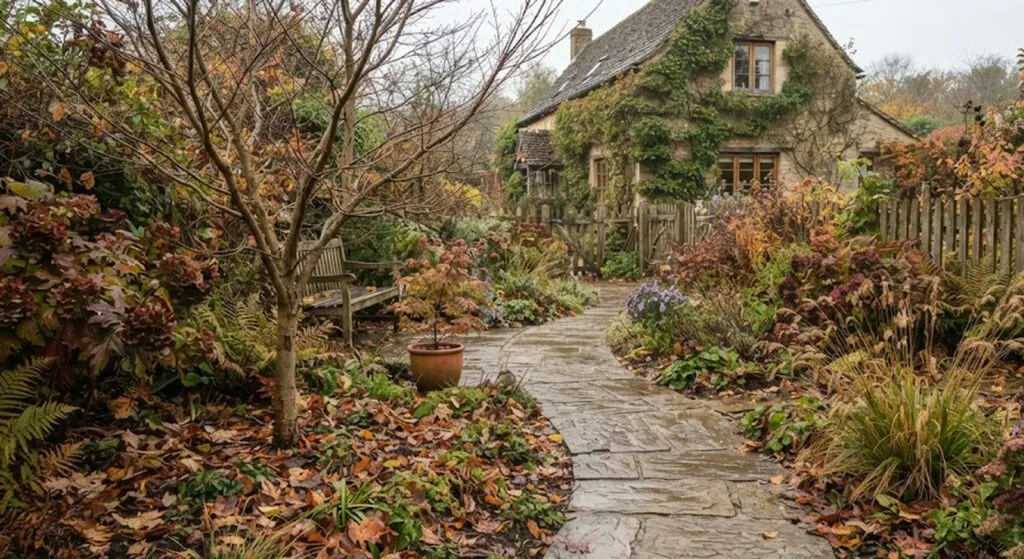
The first thing landscape designer Andrea Gutiérrez Padín advises for autumn is not work - it is looking. "Autumn is the ideal moment to analyse what worked, which species suffered and which zones of the garden are most vulnerable," she says. Pruning and feeding come later. First you need to see what the summer did to the garden.
The inspection is literally medical. You check whether the plants have enough water, whether they flowered and fruited despite the heat, whether the tree canopies are dense or there is abnormal leaf drop. You also check the irrigation system - that is where the problem most often hides, and efficient irrigation remains the best protection against the next hot summer.
How do you tell heat stress from a normal seasonal change? By speed. When a plant enters natural dormancy, the colour change, the leaf drop and the slowing growth happen gradually. When it has been beaten by heat, the leaves go dry or scorched all at once, and the plant abruptly loses vigour. The timing and the pace are the indicator, not the appearance.
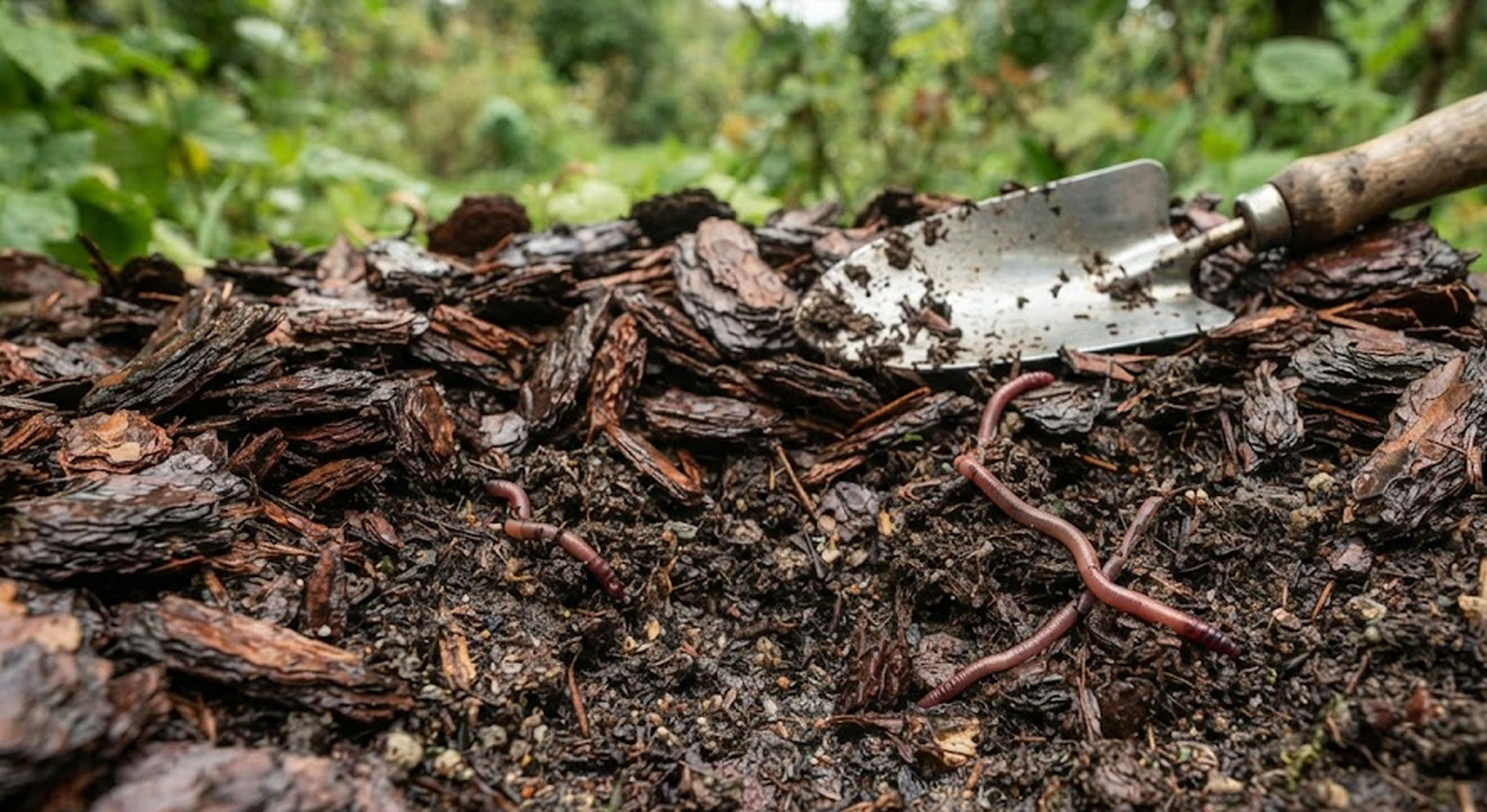
Soil suffers only when it is bare. "Good mulching, or vegetation that casts shade, helps retain moisture," says Gutiérrez Padín. The check is done in the first few centimetres - is there moisture, is there life, can you see worms and insects. Digging and turning is not the solution; adding organic matter is. "Healthy soil does not just hold the plants up: it is the real heart of the garden," she says.
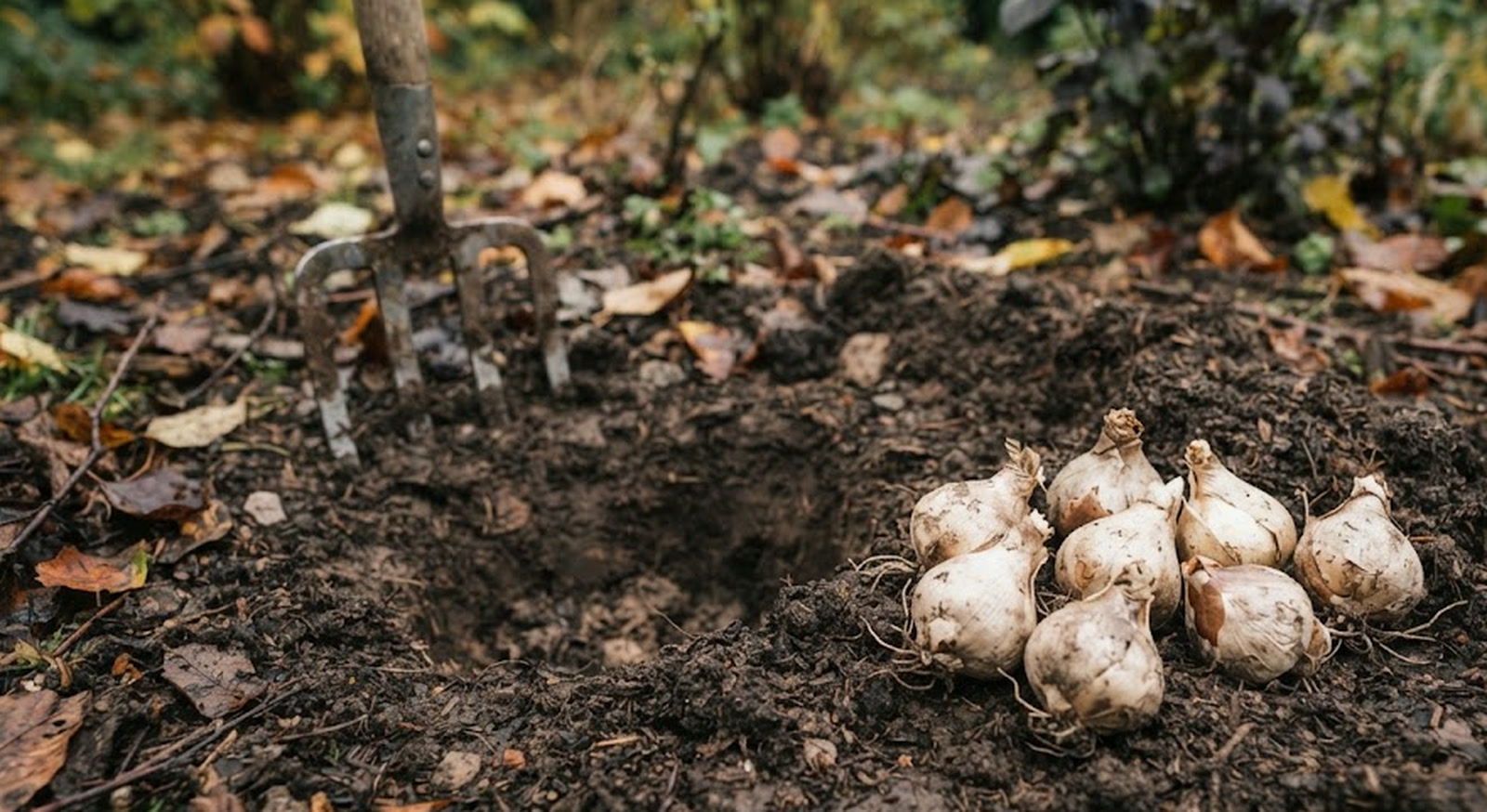
Autumn is the best time for new planting, and that is not a matter of taste but of biology. "Practically every species will be grateful to have arrived before winter, when mild temperatures and higher soil moisture create ideal conditions for rooting," says the designer. The plant stops growing upwards and sends all its energy into the roots - so in spring it comes out strong, and endures the following summer better.
Here comes a technique rarely mentioned here: bare-root planting. Trees, fruit trees and roses are lifted while dormant, with no soil around the roots, and are much cheaper that way - which matters when you are planting a larger area. They are easier to transport and to place, so the whole job goes faster.
Before you replace a dead plant, ask yourself one question: did it fail because the species was wrong for that spot, or because the conditions were bad? "Orientation, hours of sun, drainage quality or even watering frequency can be decisive," says Gutiérrez Padín. An aromatic plant in deep shade will not thrive however tough it is. If you do not understand the real cause, you will kill the next one too.
The answer to the heat is not turning the garden into cacti. "A garden has to be understood as an ecosystem in which all the elements are connected," she says. More trees mean more shade, a lower temperature in the space and a wider choice of species that can survive. Plus mulch, generously, to keep the moisture and the life in the soil.
Fallen leaves have two fates, depending on where they landed. From paths and entrances they are collected - there they are a slipping hazard. In the beds they are left alone: "they protect the soil, help retain moisture and, as they decompose, naturally enrich the earth". In a larger garden the leaves are gathered in one corner where in time they become quality mulch - a cycle the garden closes by itself.
On pruning, the advice is counter-intuitive: do less. "Far too often we prune more than necessary, when a well-conceived garden barely needs such interventions," says Gutiérrez Padín. On trees you remove only small-diameter branches, and only if you must. If a tree needs drastic pruning every year, the problem is not the tree - the wrong species was put in that spot. And never prune in autumn the plants that flower on last year's wood, such as hydrangeas: that throws away the spring bloom.
Pests retreat naturally with the cold, but observation remains. Instead of preventive spraying, the designer recommends health through design - "varied planting, well adapted to the site and set on living soil". An ecosystem that defends itself is cheaper than any product.
And if you have no time for any of this? Then the order is: look, check the soil and add organic matter if needed - worm humus is among the most effective. Then a light prune of the shrubs, clearing the spent aromatic plants, replacing only what you have analysed. Plant the spring bulbs now. And think about the lighting - "well-conceived lighting extends the garden's presence beyond the hours of sunlight," she says. On a November evening, a garden is mostly seen from inside.
The latest 10 news from this category
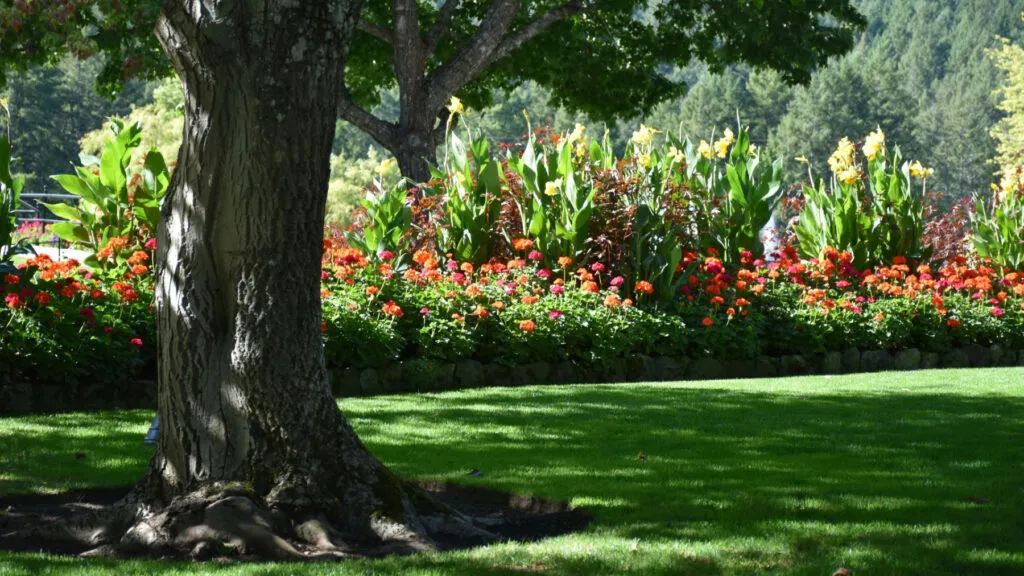
The most common mistake with a freshly planted plant is not the variety or the soil, but the water. The...
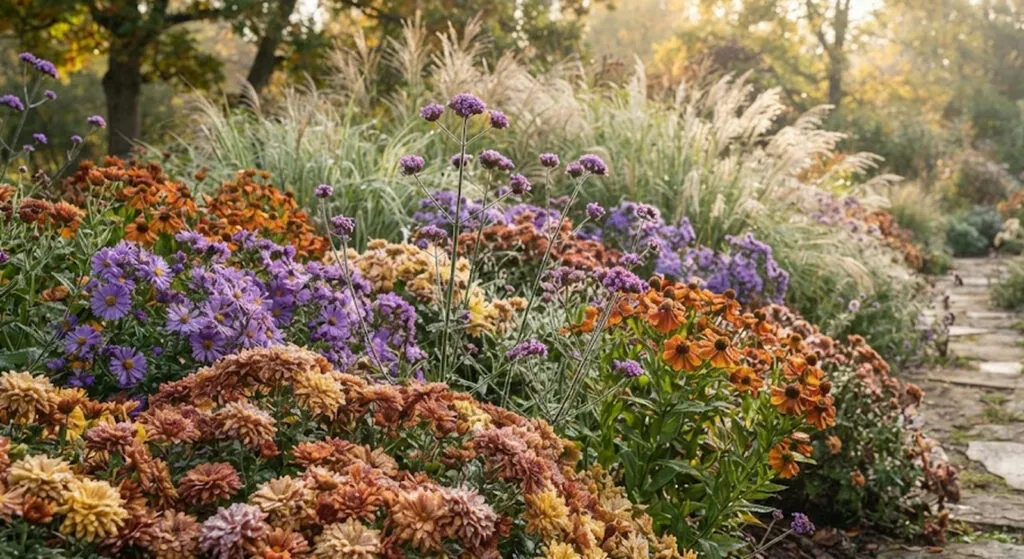
The assumption that August is followed by three brown months of waiting is not true - it is the consequence...
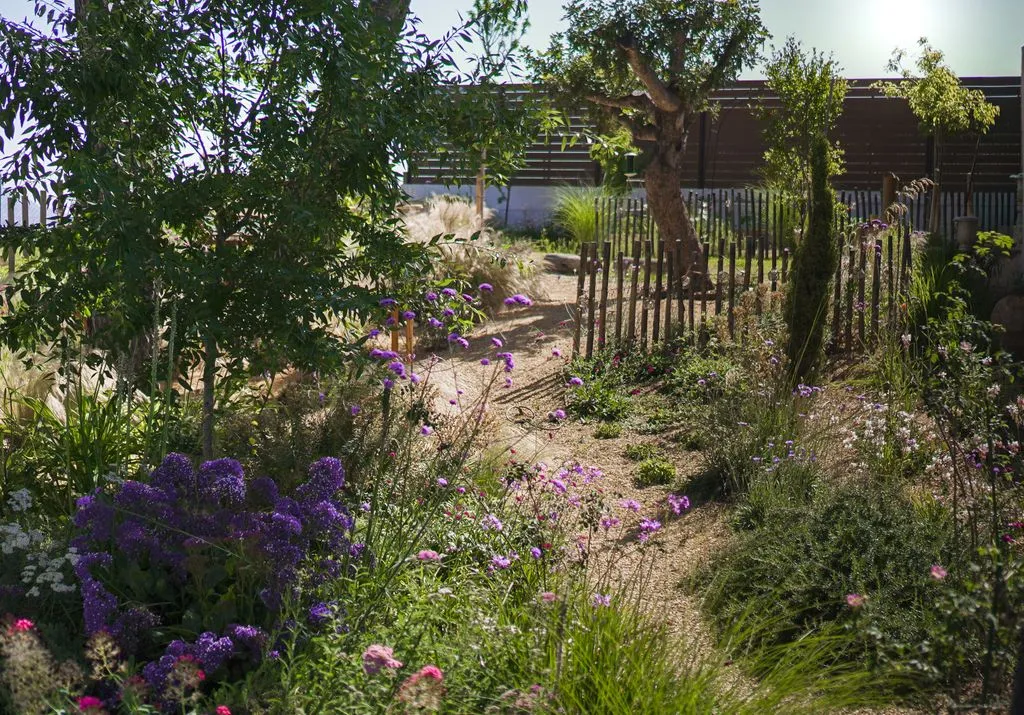
The garden stops being an ornament and becomes infrastructure. What is a Valencian experiment today is an ordinary back yard...
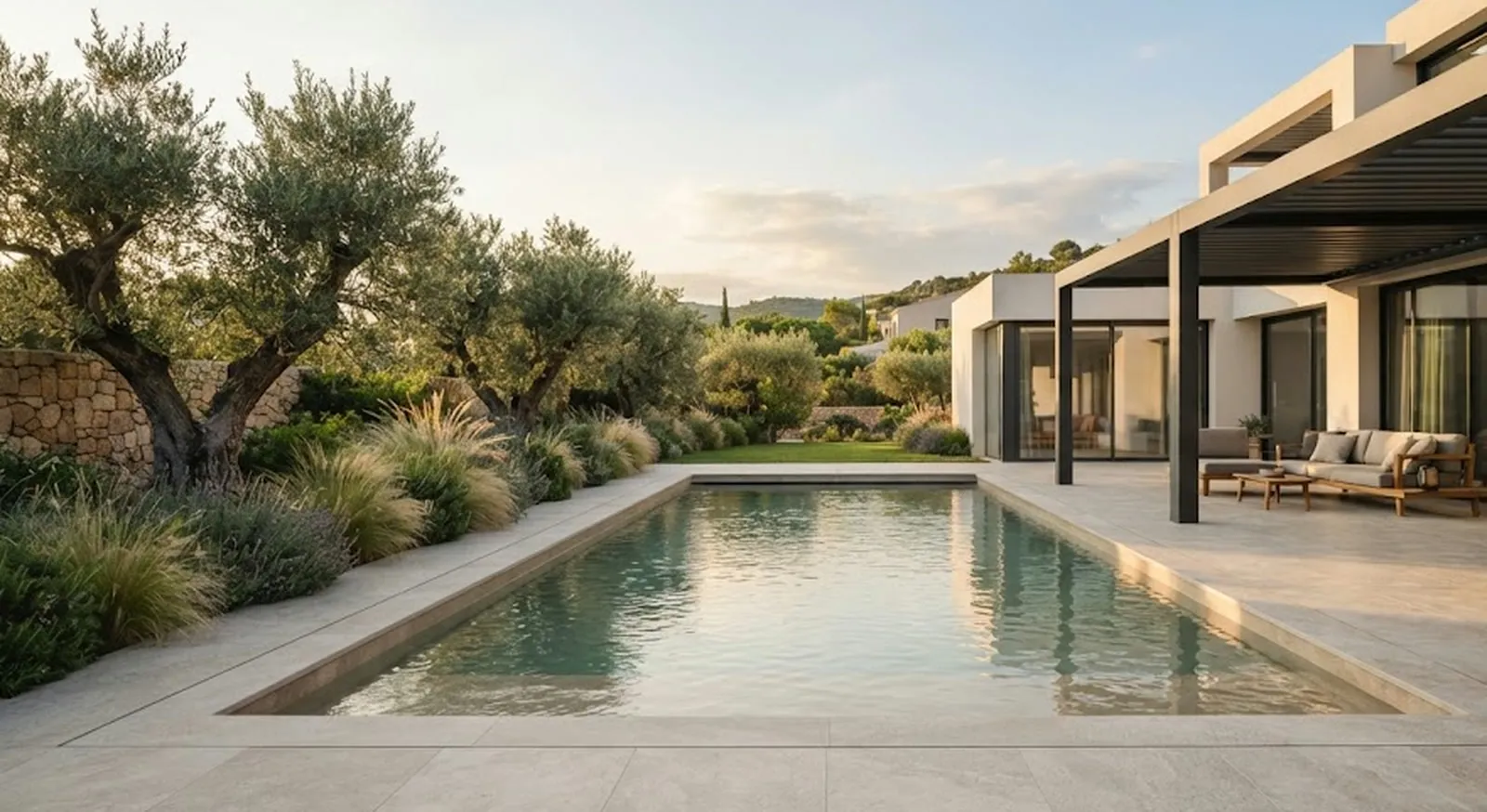
The blue rectangle in the corner of the garden is no longer the law, but the real mistake is not...
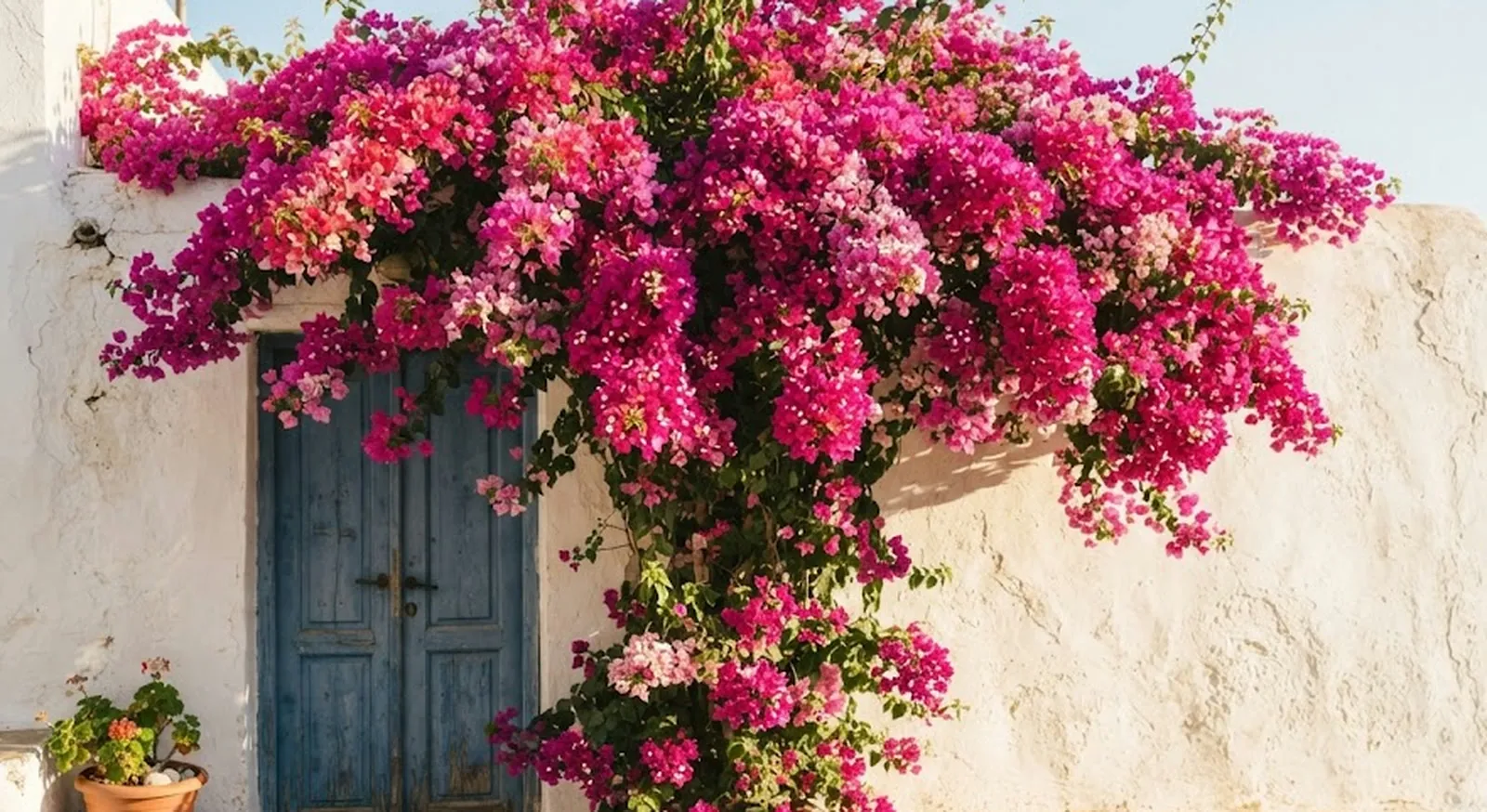
That explosion of colour spilling over Mediterranean walls asks for just two things - sun and a little thirst. And...
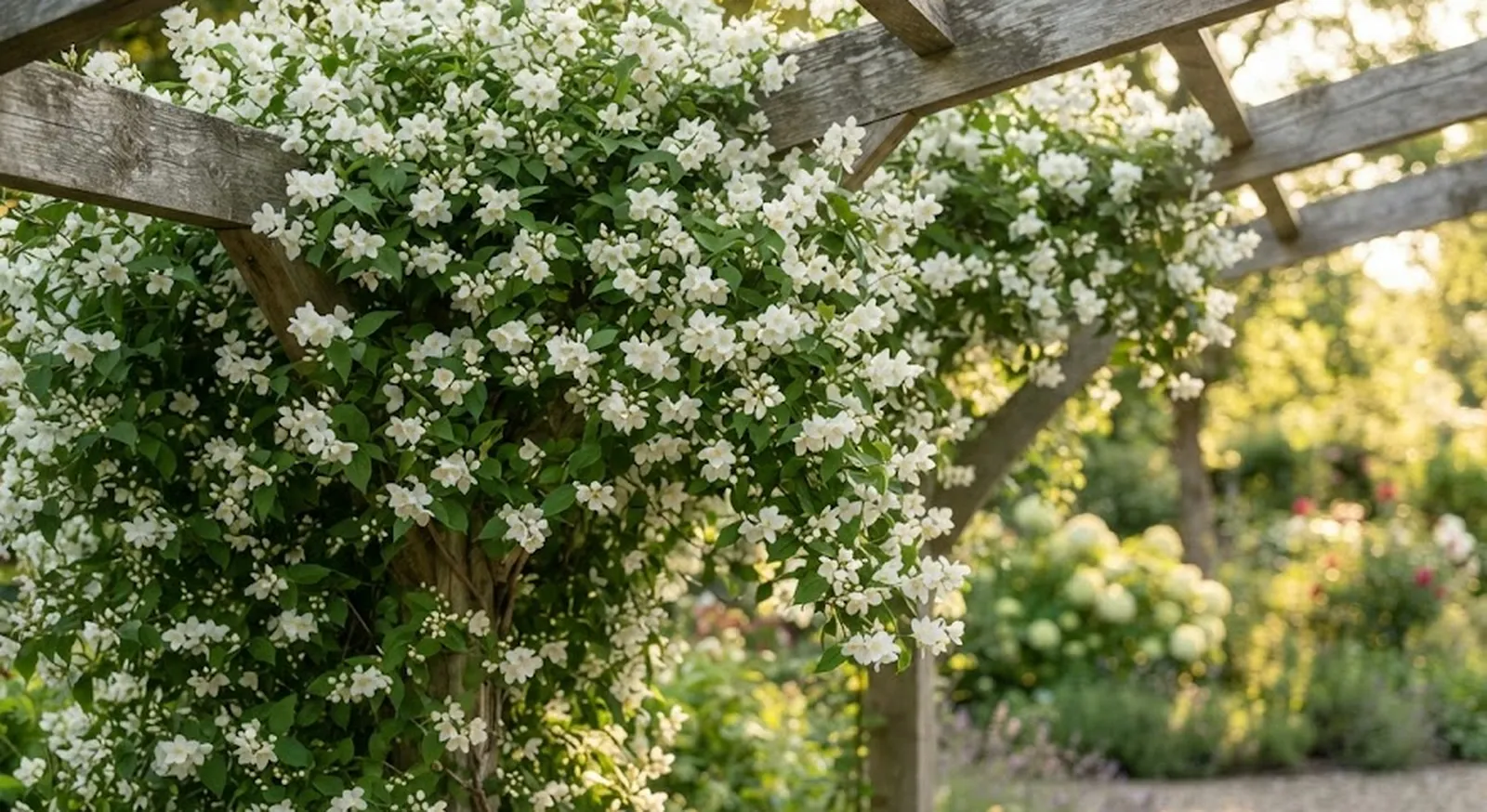
For months of flowers and that heady scent, common jasmine asks you to do a few things right. The most...

Not a scent from a spray can, but something alive that calms you. Sometimes the freshest home is the one...
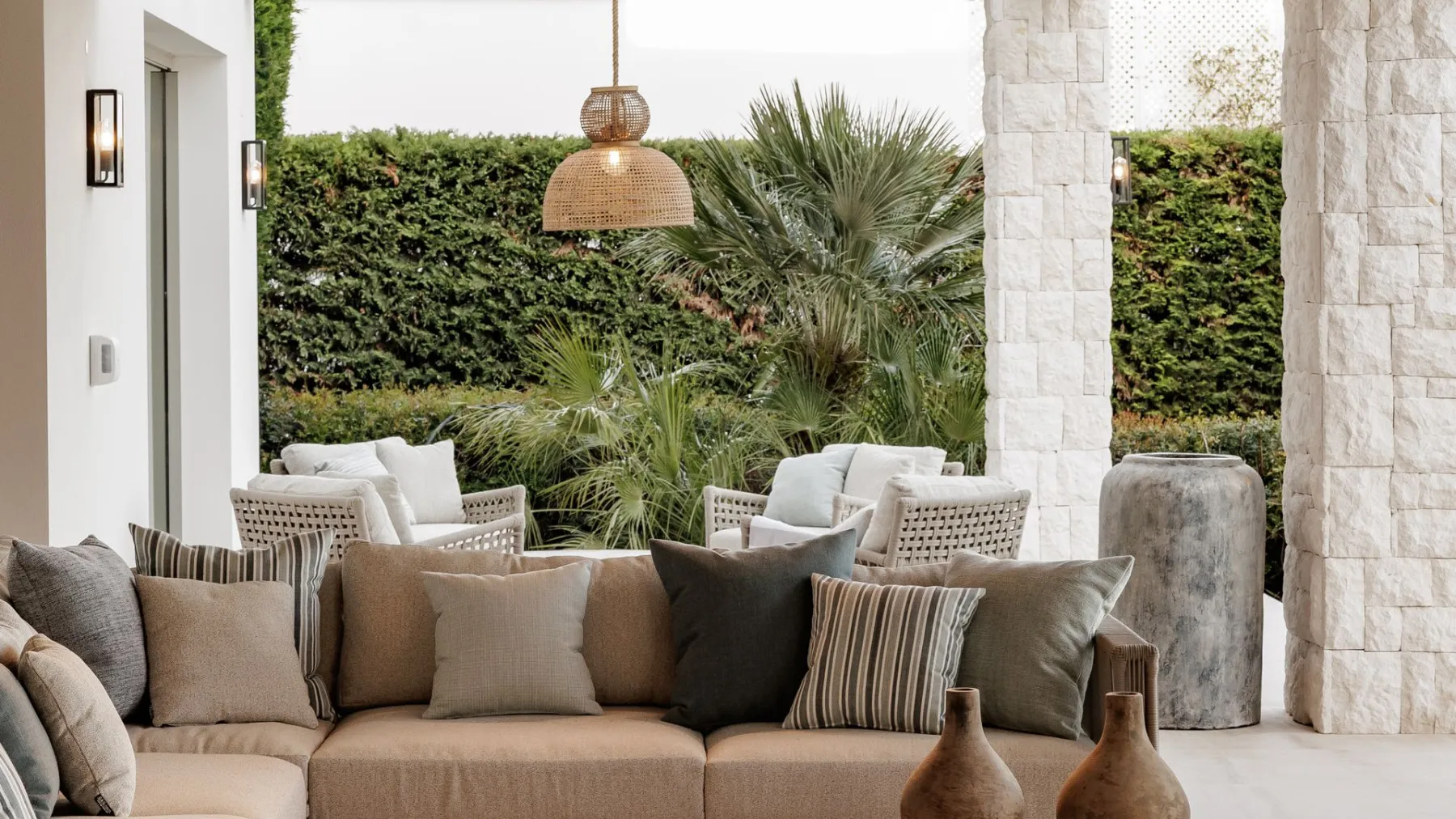
The difference between a terrace that collects plants and a terrace where you stay lies in a few decisions that...
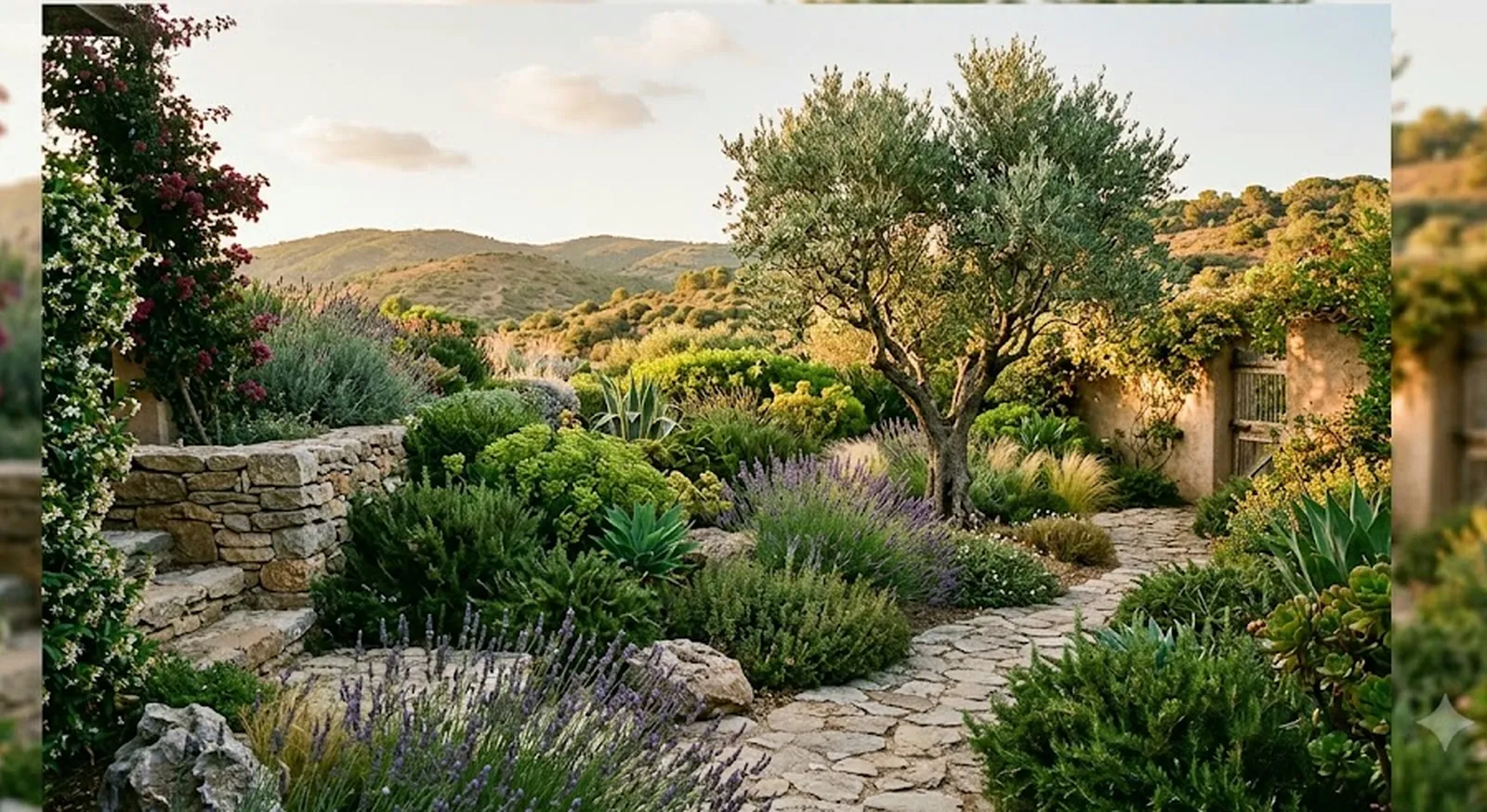
Buying plants with no plan, artificial grass, oversized saplings - a landscape architect lists the mistakes you pay for late....

The feeling that every corner was designed to calm you doesn't depend on a five-star budget. It depends on one...
This site uses cookies - is that okay? Learn more
Be the first to know when Metla launches something new
Leave your email and we will write when there is a new guide or something new on Metla.
