"Being careful" is Macedonia's most-used contraceptive: 43.9% of couples, against 14% using a modern method
28.09.2026


28.09.2026

28.09.2026

28.09.2026

28.09.2026
28.09.2026

28.09.2026

28.09.2026

27.09.2026

27.09.2026

28.09.2026

28.09.2026

27.09.2026

28.09.2026

28.09.2026

28.09.2026
28.09.2026
27.09.2026
26.09.2026

28.09.2026

28.09.2026

28.09.2026

09.03.2026

27.02.2026

19.02.2026
28.09.2026

27.09.2026
27.09.2026

23.04.2026

23.04.2026

12.04.2026

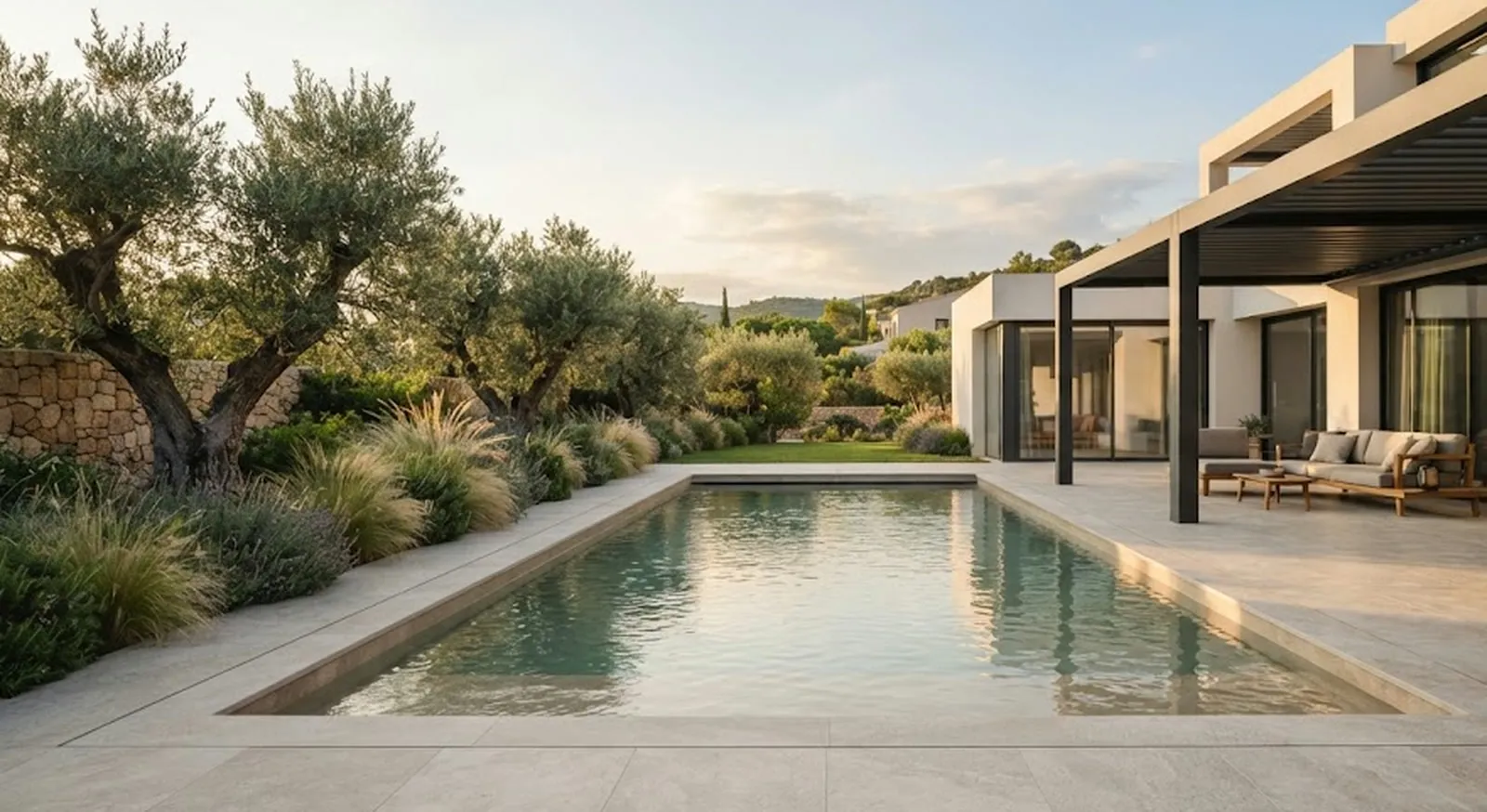
For decades designing a pool was an almost automatic job: a blue rectangle in the corner of the garden, practically identical in every house. That uniformity is starting to crack. More and more families want the pool to reflect how they actually use the garden or terrace, rather than adapting themselves to it.
Manuel Maíllo, who leads landscape architecture at the Tiendas Project studio, puts it briefly: „We no longer want blue water, we want water that belongs to that place, as if it had always been there.”
Blue is not a law, only a habit
Sky blue, unquestioned for decades, is losing ground. In its place come sand, light grey and green - each with its own justification (light, austerity, blending with the greenery), but all with the same idea: the pool should not stand out, it should belong. Maíllo says green is his favourite when there are plants around the pool, because then the water and the garden look as if they had always been there.
The material everyone asks for
For the surround, the trend is towards materials that imitate nature without sacrificing maintenance. Large-format porcelain is today's most requested option because it reproduces the look of stone with minimal upkeep. Natural stone follows, for those who want more character.
Nobody wants surfaces that look artificial any more - they should be pleasant to walk on barefoot and resistant to weather. That has a practical side rarely mentioned in catalogues: a material that ages with dignity does not need replacing every few years.
The shape comes from the place, not from a catalogue
Despite the rise of curved lines, the rectangle remains the most common choice. Rounded shapes work particularly well in lush gardens, while in houses with clean lines simple geometry stays best.
The real mistake, Maíllo says, is not the choice of shape but the order of decisions: „The shape has to come from the place, never from fashion. The moment you choose before you look at the garden, you have already got it wrong.”
What holds the pool in place is not the pool
Integration depends on everything around it, not on the pool itself. However well designed, if it sits isolated in the middle of the plot it reads as something added on. „The path to it, the shade, the plants and the small changes in level are what really tie it to the place.” When that part is done well, the pool stops being the centre and becomes one piece in a garden that breathes.
Natural pools: no chlorine, but slowly
Natural or naturalised pools are purified without chlorine and chemicals - aquatic plants and microorganisms keep the water clean and form a small ecosystem in the garden. They are usually divided into two zones: one for swimming and a second, smaller one, where the purification happens through specific vegetation.
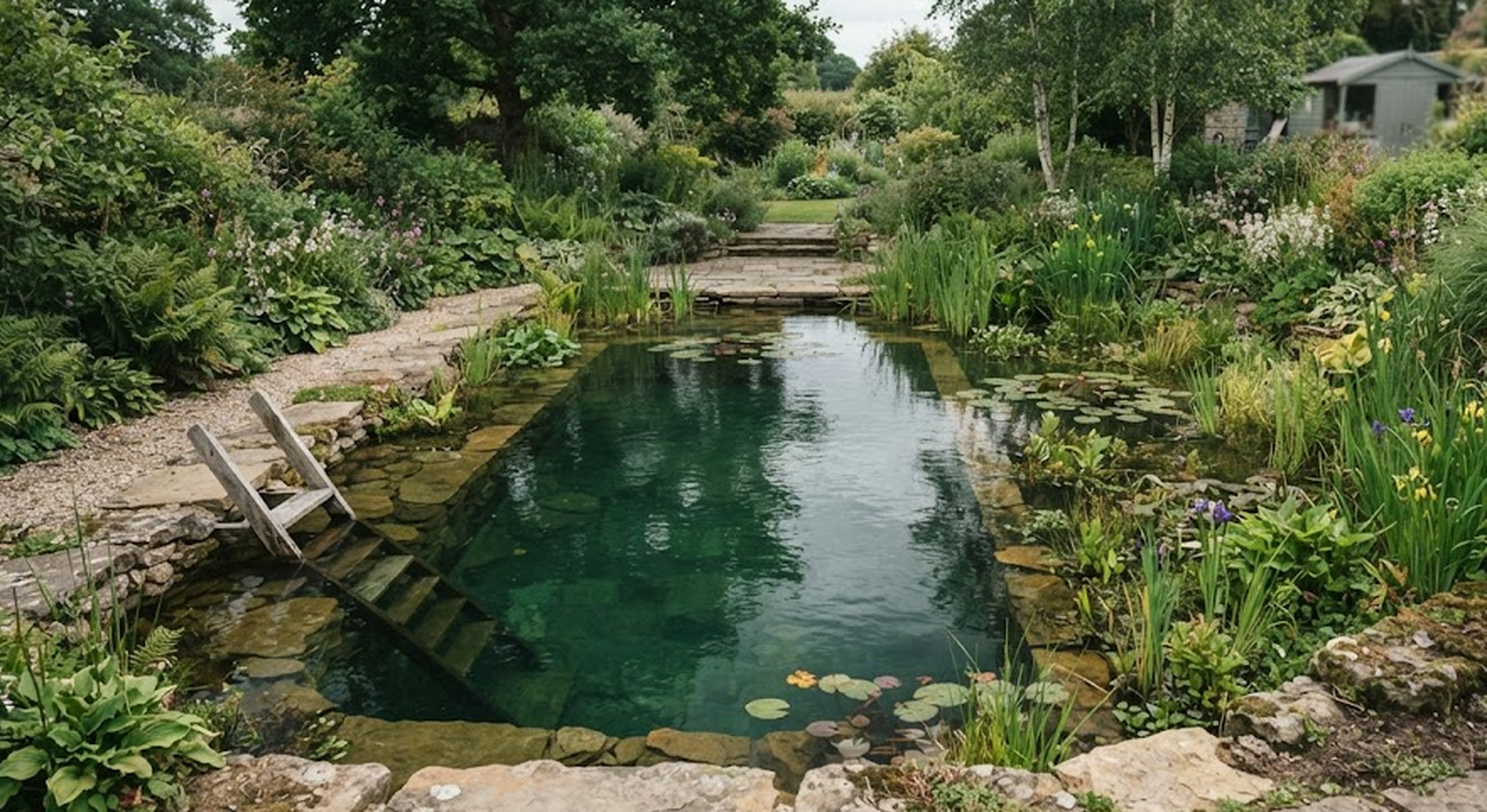
The model is established in central Europe and is slowly gaining ground further south. „They will grow, but adoption is slow. These are living pools, purified by plants instead of chemicals, and I adore them,” Maíllo says.
An infinity pool is not always a good idea
Infinity pools remove the visible edge on one or more sides, with the water collecting in a hidden channel and recirculating, creating the illusion that the surface extends endlessly into the landscape. From a landscape point of view, they are not always the best solution. „Well designed, they erase the edge and the water merges with the terrain beyond it. In a house with a good view that is perfect, but be careful not to force something meaningless just because it is infinity.”
Lighting is planned before you dig
In the evening, outdoor lighting is what changes the atmosphere, but the secret is not the quantity of light - it is its quality and position. Warm, indirect, well-measured light makes the water glow and the plants cast shadows.
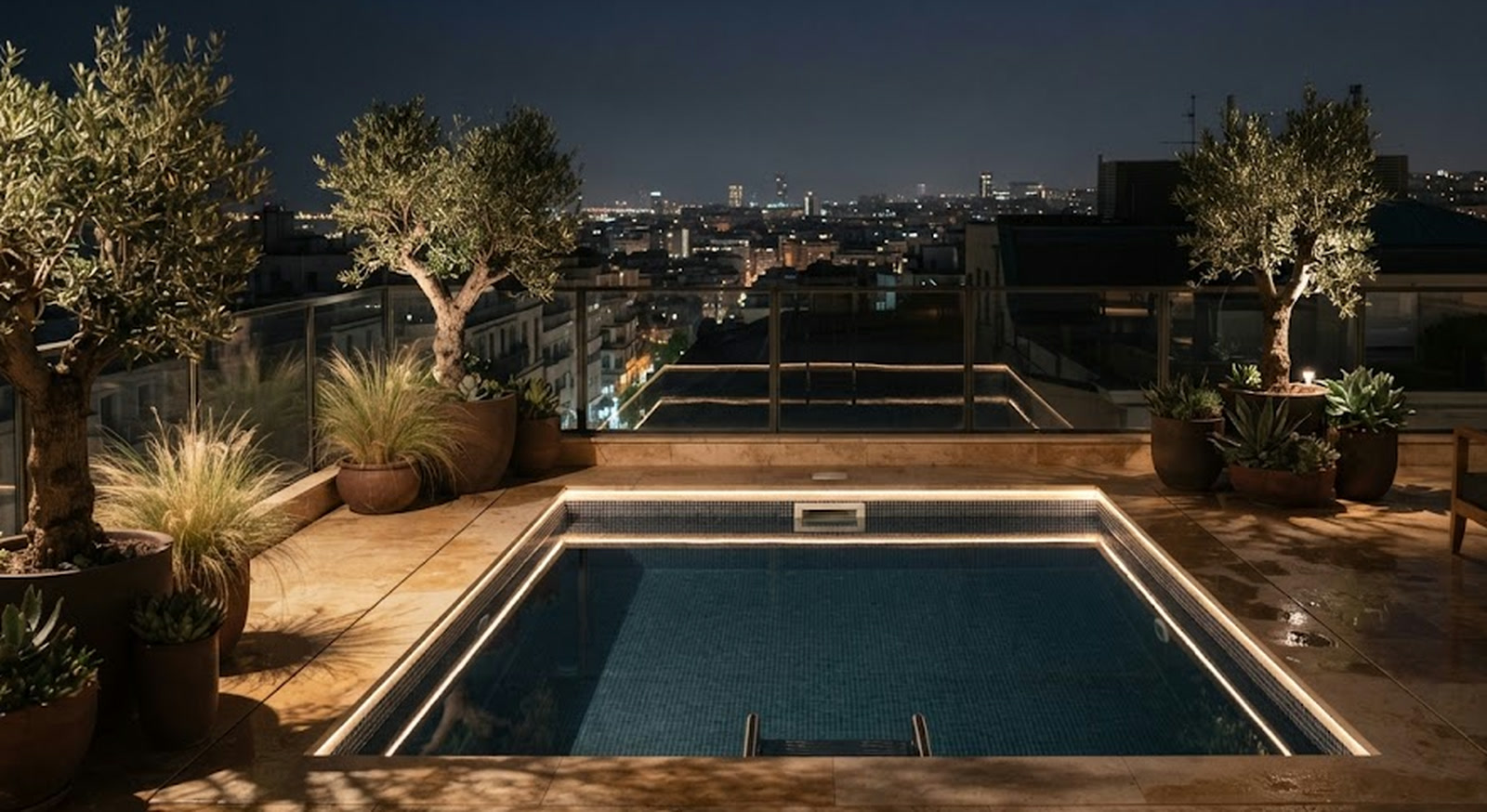
This part requires technical planning that is rarely considered in time. The electrical installation in such zones has to be conceived from the very start for wet environments, with corrosion-resistant materials and fittings for outdoor damp conditions. If underwater lighting is chosen, it has to be resolved at the beginning - building it in at the project stage is simple, adding it later complicates the job considerably.
The most important part is not in the water
Priority number one is shade, then a pergola that matches the aesthetics of the house, a lounger worth staying on, an outdoor shower designed with the same care as everything else, and plants that provide privacy and freshness.
Maíllo says it in a sentence anyone with a garden understands: „We spend a moment now and then in the water, and the whole afternoon around it. If that part does not work, the pool is enjoyed for four days and then looked at from the living room.”
On a terrace, less is more - and it is not aesthetics
On a roof or terrace the starting point is different. Fewer square metres means a more dedicated pool, just enough to cool off. „Many times a small surface of water, almost a mirror among the plants, carries far more charm than insisting on a big pool at any cost.”
Here comes the technical remark worth more than the rest of the text put together: in residential buildings the structure of the building and the weight with the water must always be taken into account. Most terraces are not prepared to carry that weight without structural reinforcement. That is not advice about aesthetics - it is a reason to call an engineer before you call a builder.
What remains when the fashion passes
Asked what remains, Maíllo is unequivocal: „What remains is naturalness - pools built into the landscape, natural materials or ones that imitate them, and spaces designed to be enjoyed.” And he knows what he avoids: „I run from the spectacle pool, the one built for a surprise effect in a photograph and that gets boring after two summers. I would take a project that ages well a thousand times over one that shines only on opening day.”
The latest 10 news from this category
All the gardens in one neighbourhood together form a network that feeds birds and bees. The question is whether yours...
The answer to the heat is not turning the garden into cacti. Twelve steps for autumn, and the first is...
The most common mistake with a freshly planted plant is not the variety or the soil, but the water. The...
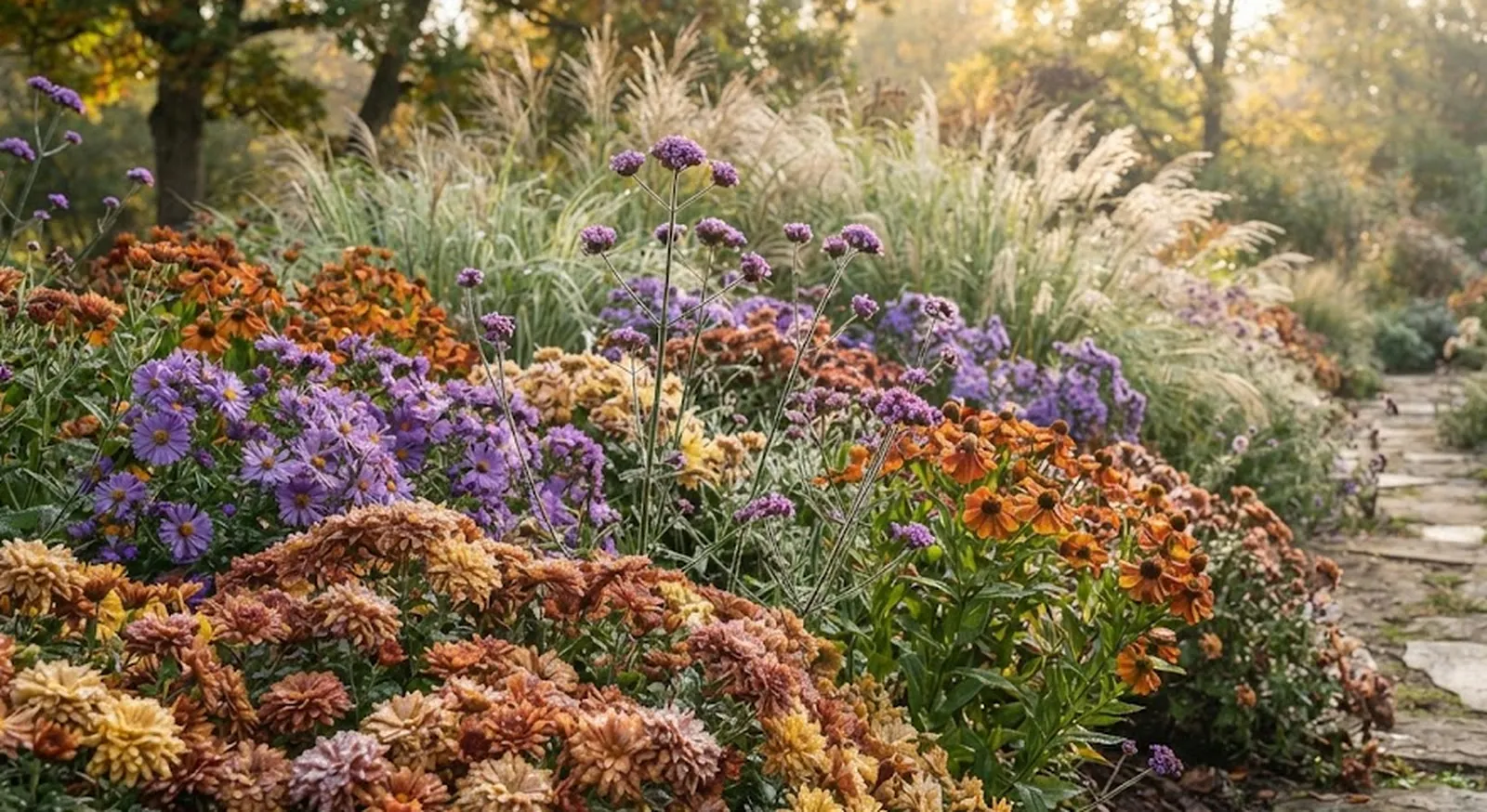
The assumption that August is followed by three brown months of waiting is not true - it is the consequence...
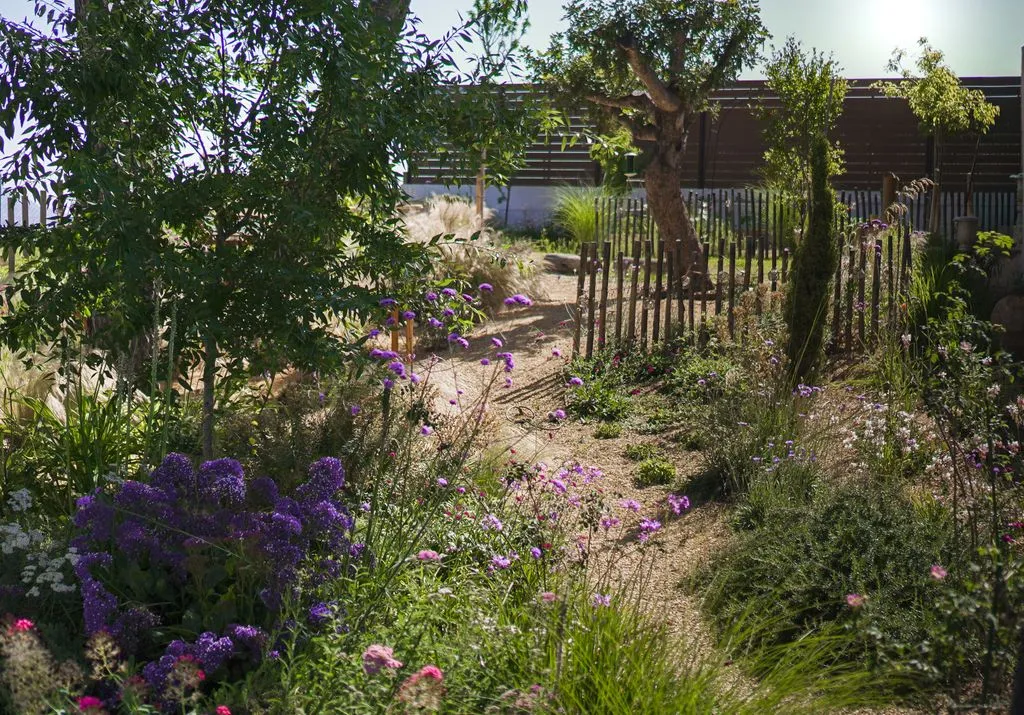
The garden stops being an ornament and becomes infrastructure. What is a Valencian experiment today is an ordinary back yard...
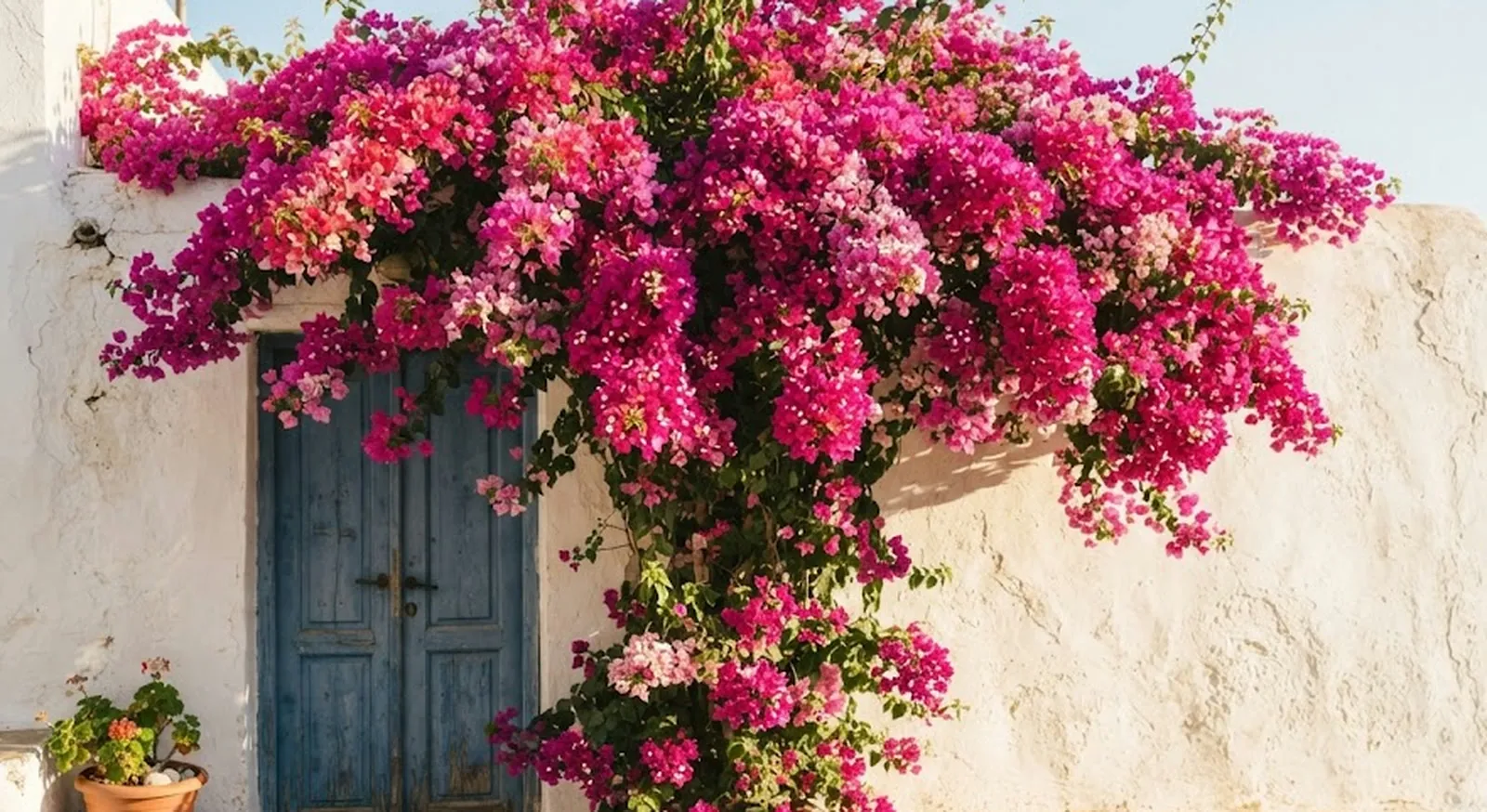
That explosion of colour spilling over Mediterranean walls asks for just two things - sun and a little thirst. And...
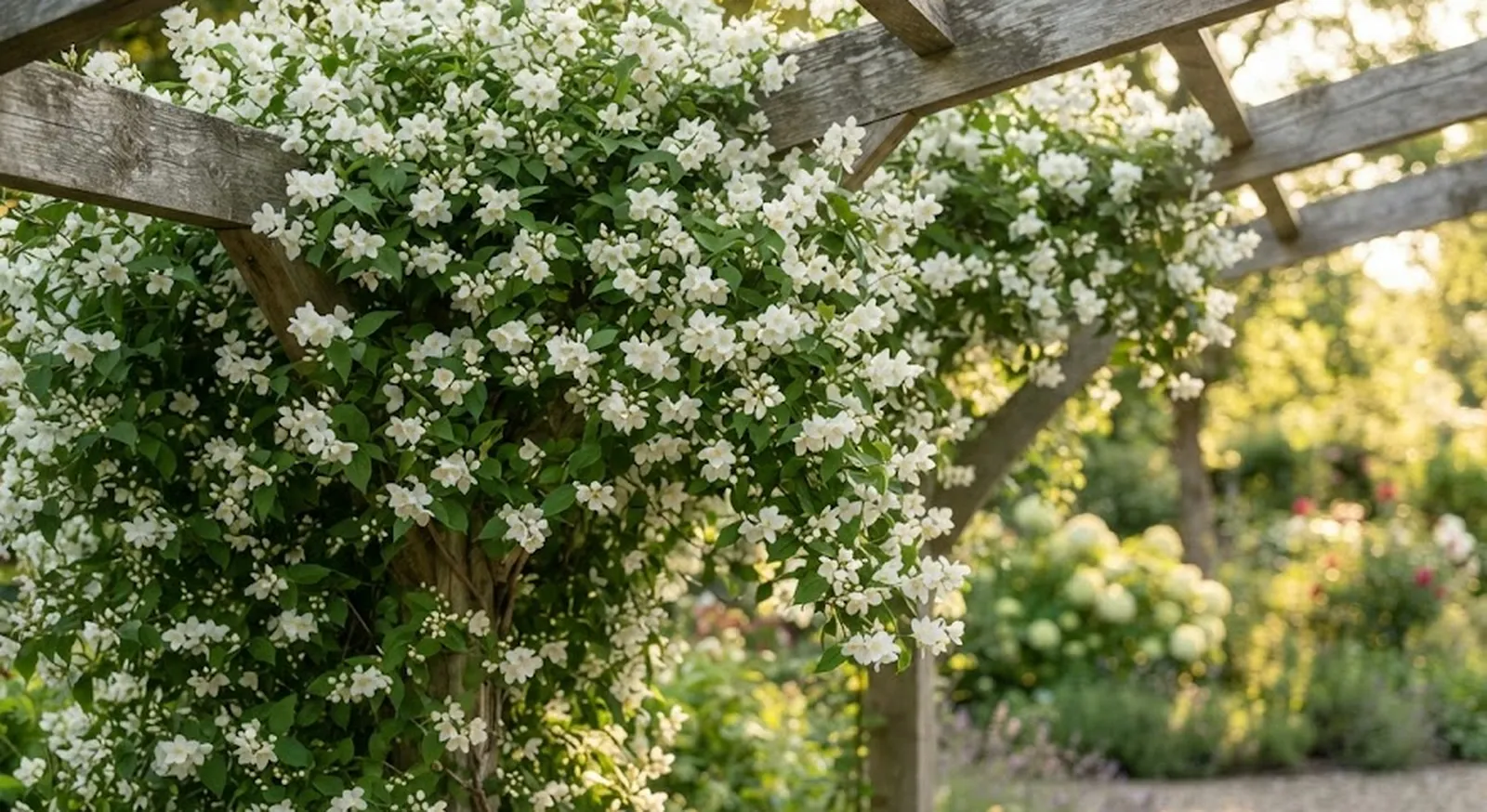
For months of flowers and that heady scent, common jasmine asks you to do a few things right. The most...

Not a scent from a spray can, but something alive that calms you. Sometimes the freshest home is the one...
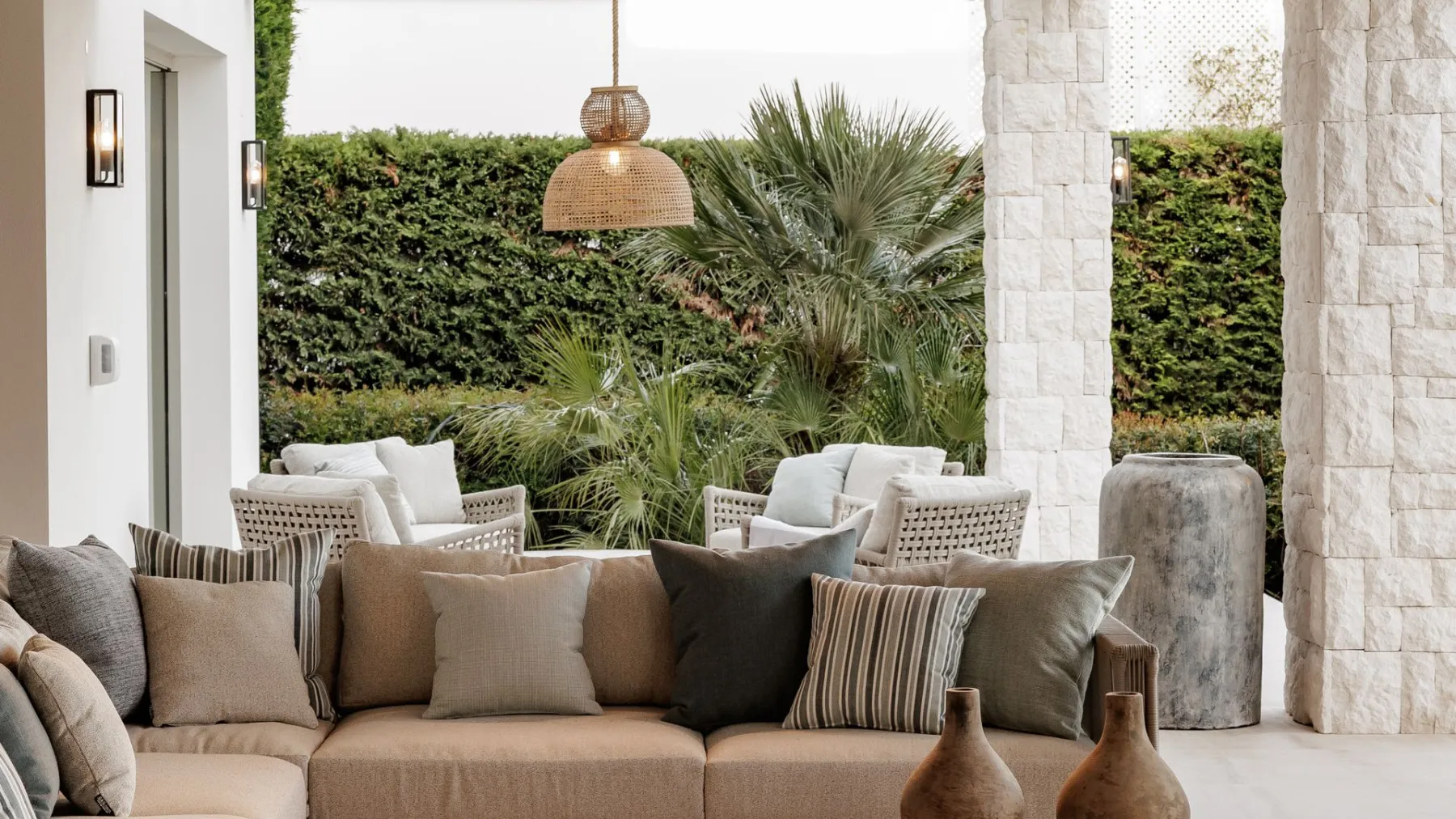
The difference between a terrace that collects plants and a terrace where you stay lies in a few decisions that...
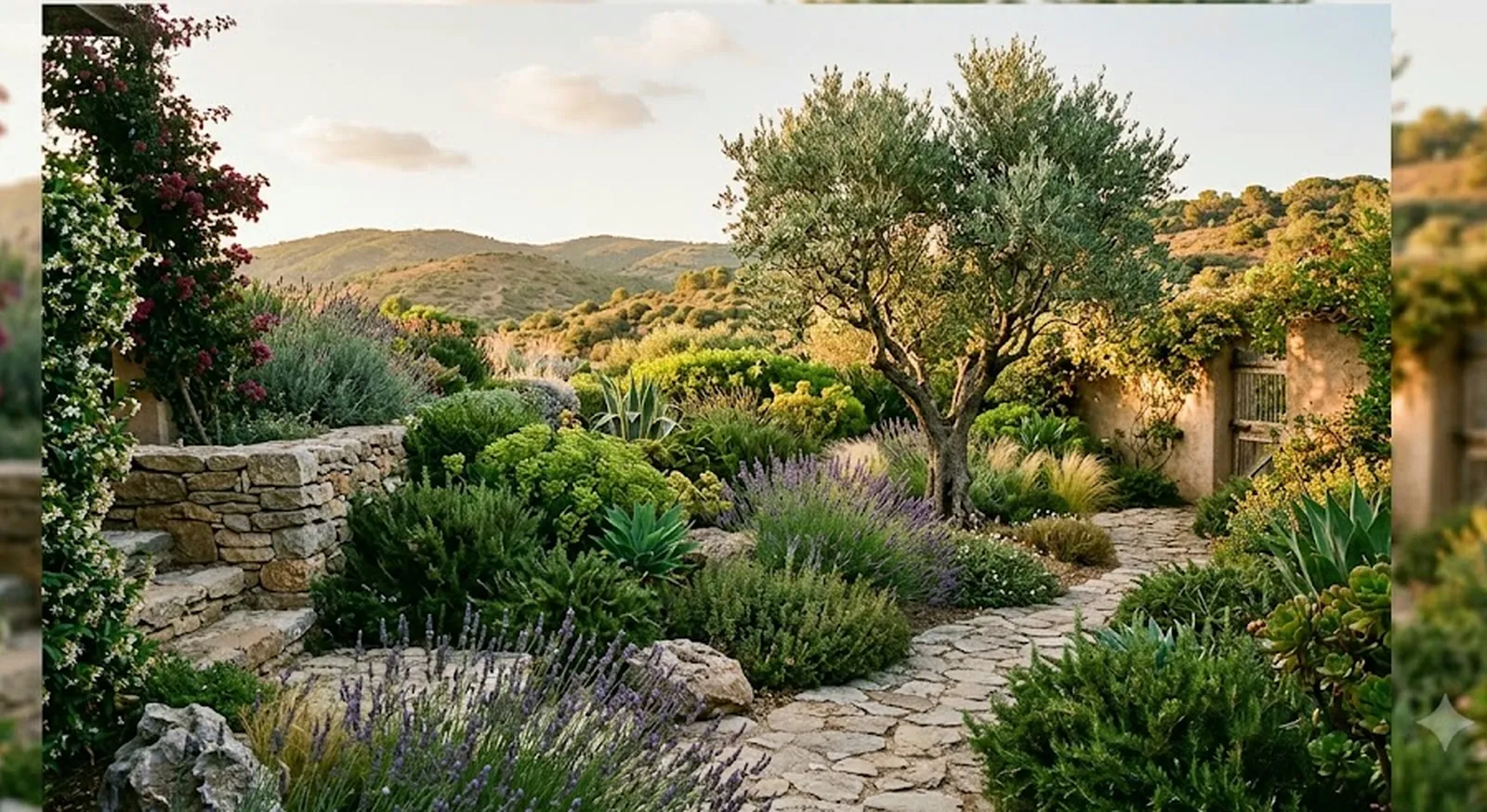
Buying plants with no plan, artificial grass, oversized saplings - a landscape architect lists the mistakes you pay for late....
This site uses cookies - is that okay? Learn more
Be the first to know when Metla launches something new
Leave your email and we will write when there is a new guide or something new on Metla.