
"Being careful" is Macedonia's most-used contraceptive: 43.9% of couples, against 14% using a modern method
28.09.2026


28.09.2026

28.09.2026

28.09.2026

28.09.2026
28.09.2026

28.09.2026

28.09.2026

27.09.2026

27.09.2026

28.09.2026

28.09.2026

27.09.2026

28.09.2026

28.09.2026

28.09.2026
28.09.2026

27.09.2026
26.09.2026

28.09.2026

28.09.2026

28.09.2026

09.03.2026

27.02.2026

19.02.2026
28.09.2026

27.09.2026
27.09.2026

23.04.2026

23.04.2026

12.04.2026

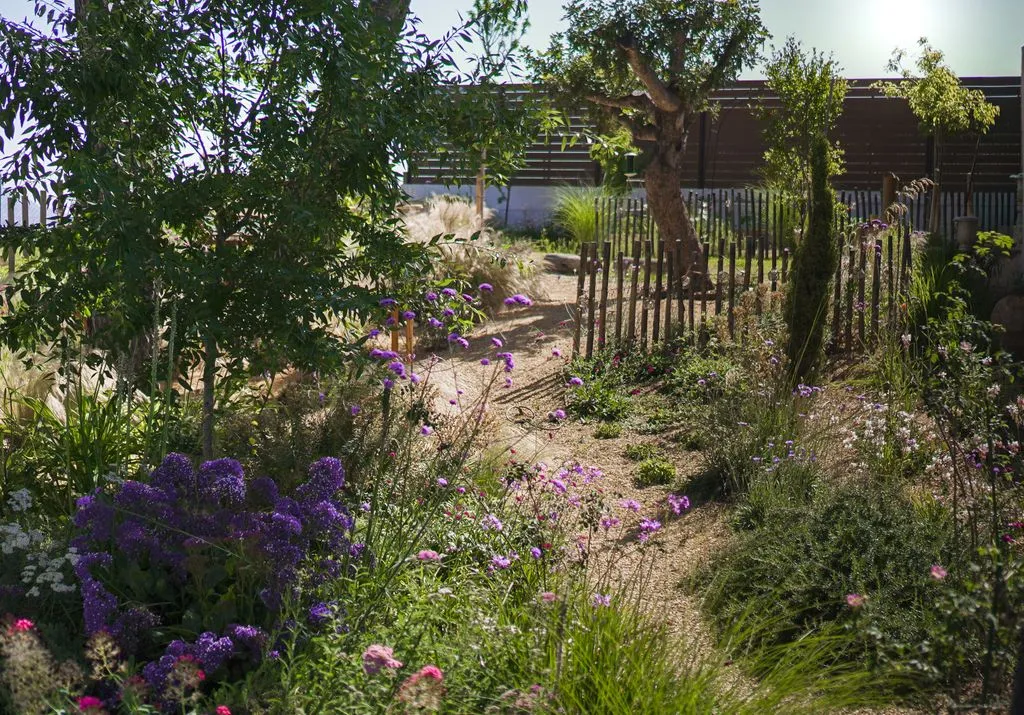
There was a time when a garden was something you looked at. It was arranged to be pretty from the window, mown to be flat, planted with whatever photographs well in its first year. That time has passed, and it did not pass because of fashion - it passed because of temperatures.
Javier Coves, a landscape architect specialising in Mediterranean gardens, starts from an assumption that sounds modest but actually demolishes the whole logic of ornamental planting: „A well designed garden does not only improve the landscape, but also the way we live and think. We need spaces that give us back our calm and remind us we are part of nature.”
The sentence carrying the whole difference is this one: „A sustainable garden is not the one that looks green on day one, but the one that still works in ten or twenty years.” Read it twice, then think of every newly planted lawn in the city that needs watering every other day to keep it from burning off by August.
Climate change is no abstraction here. Springs are warmer, summers bring unbroken heatwaves, and in cities all of it hits hardest. Coves defines the answer precisely: the garden stops being a decorative element and becomes quiet infrastructure of wellbeing, ecological balance and mental health. Not an ornament - infrastructure.
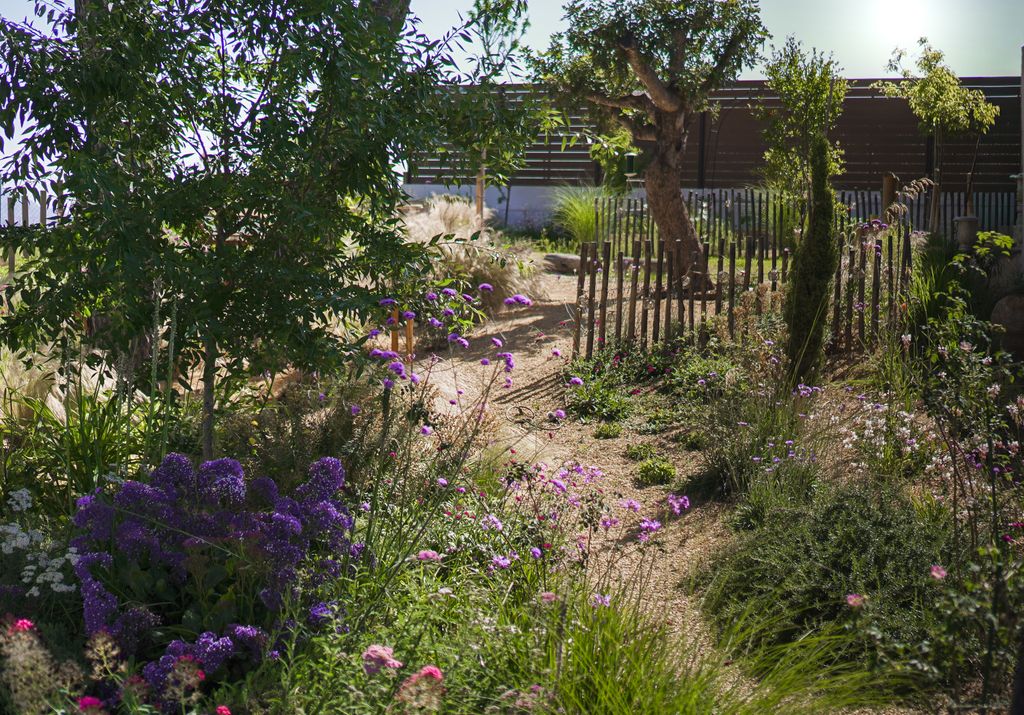
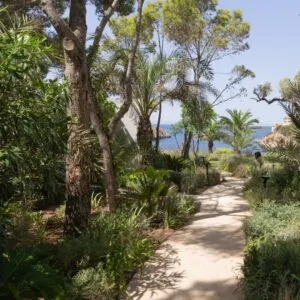
His main project is an experimental garden in Náquera near Valencia - almost 4,000 square metres next to the Sierra Calderona Natural Park, where he researches native species and combinations that use little water. Not theory from a catalogue, then, but a plot on which something either survives the summer or does not.
Naturalistic planting transfers the patterns of natural ecosystems into the garden. The key is not to copy nature literally, but to read its patterns, cycles and structures. Three strategies carry the whole approach: native plants, which withstand local conditions better and demand fewer resources; a layered structure combining trees, shrubs, grasses, herbaceous plants and ground cover; and low maintenance - less watering, less pruning, less fertiliser, without the garden suffering for it.
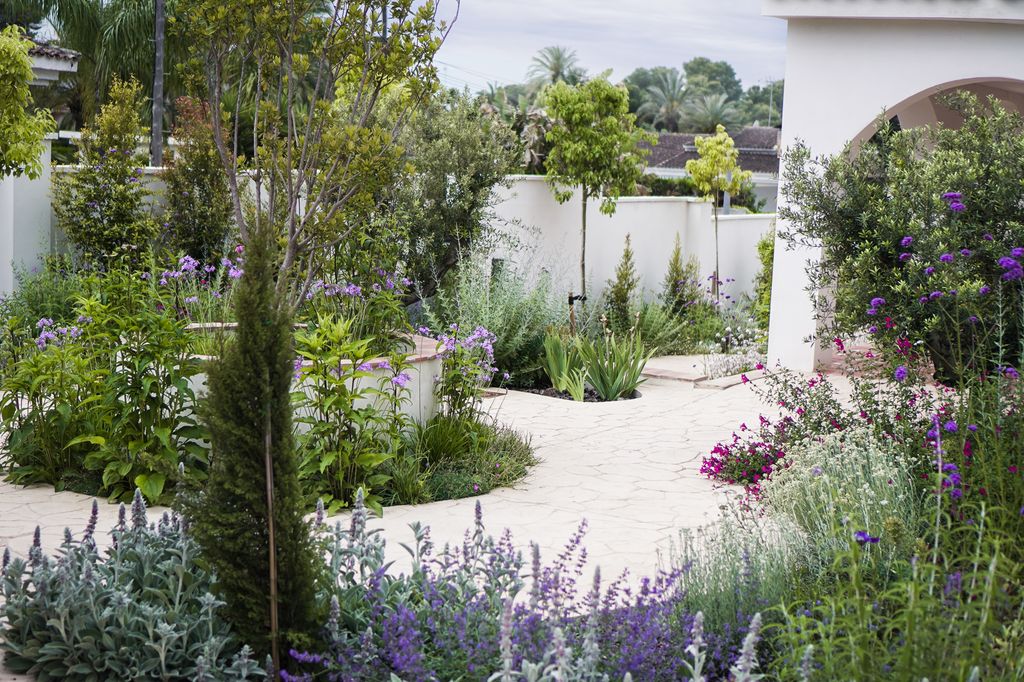
Gardens like this do not follow rigid geometry. They have movement, freedom and textures that change through the year. To someone used to symmetrical beds and a trimmed lawn, that looks untidy at first. In fact, it is the difference between a space that is maintained and a space that lives.
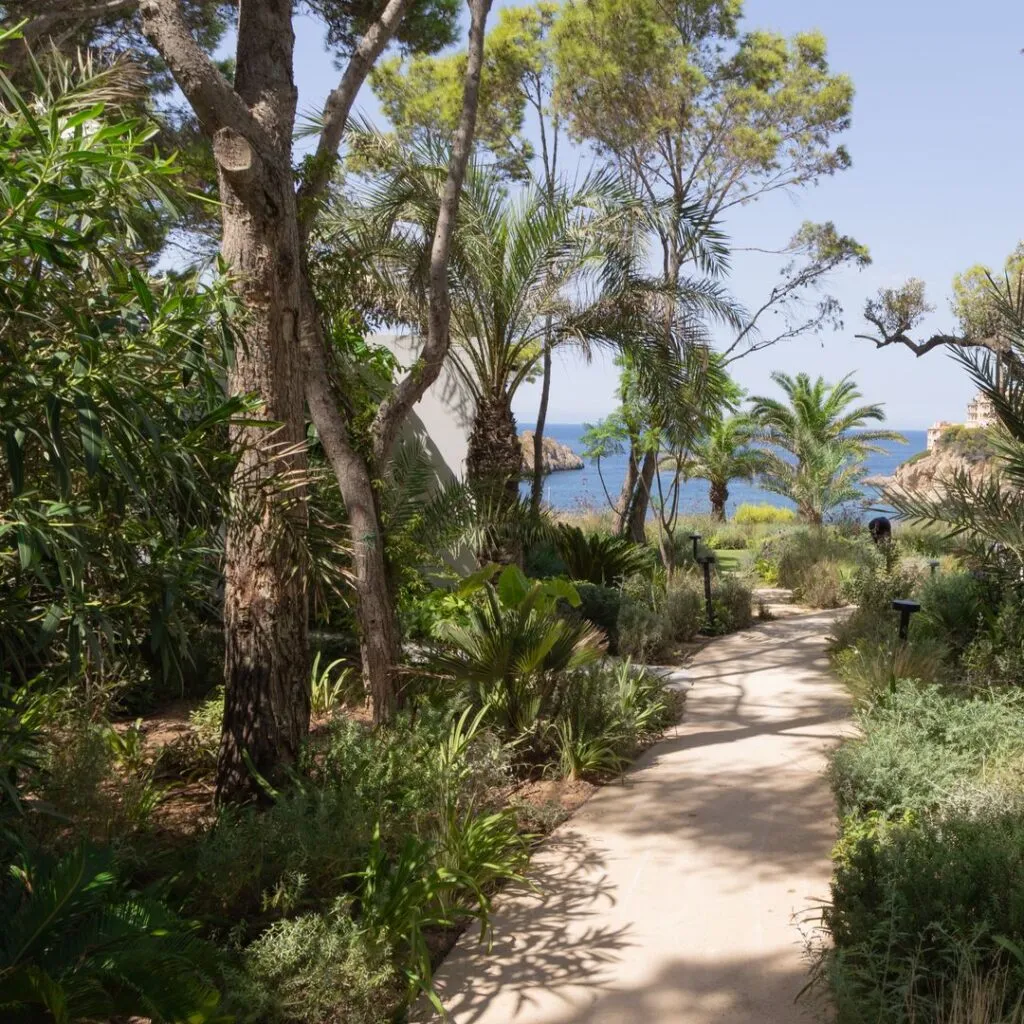
Coves also conceives of the garden as a sensory landscape - with wind, textures, scents and shaded zones. „My gardens are spaces conceived to be lived in calmly, where the landscape does not try to impress or impose itself, but to accompany”, he says. Research in environmental psychology has shown that exposure to nature has a positive effect on cognitive and emotional states - vegetation and organic stimuli restore attention, reduce stress and encourage calm and creativity.
Sustainability begins before the first plant. You observe the soil, the orientation, the wind, the availability of water and the species already present, and only then adapt the landscape to the climate. A Mediterranean climate means water scarcity and extreme summer temperatures - conditions which, according to Coves, will soon apply to much of southern Europe.
That is the part that concerns us directly. What is a Valencian experiment today is an ordinary yard in Ovče Pole or the Tikveš region tomorrow. The question is not whether the Mediterranean approach will reach us - it is whether we will learn it while we have time, or learn it after the lawn stops making sense.
The latest 10 news from this category
All the gardens in one neighbourhood together form a network that feeds birds and bees. The question is whether yours...
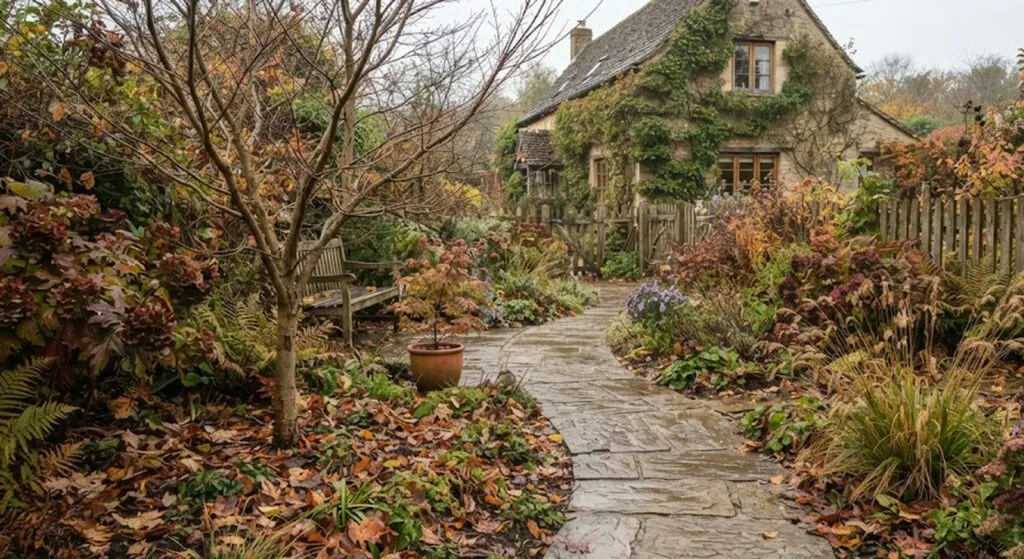
The answer to the heat is not turning the garden into cacti. Twelve steps for autumn, and the first is...
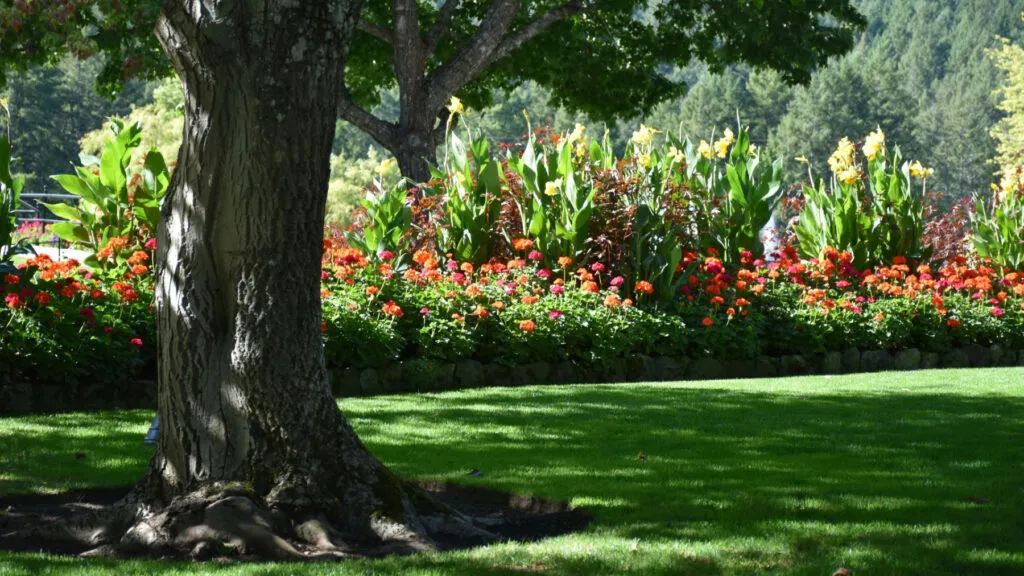
The most common mistake with a freshly planted plant is not the variety or the soil, but the water. The...
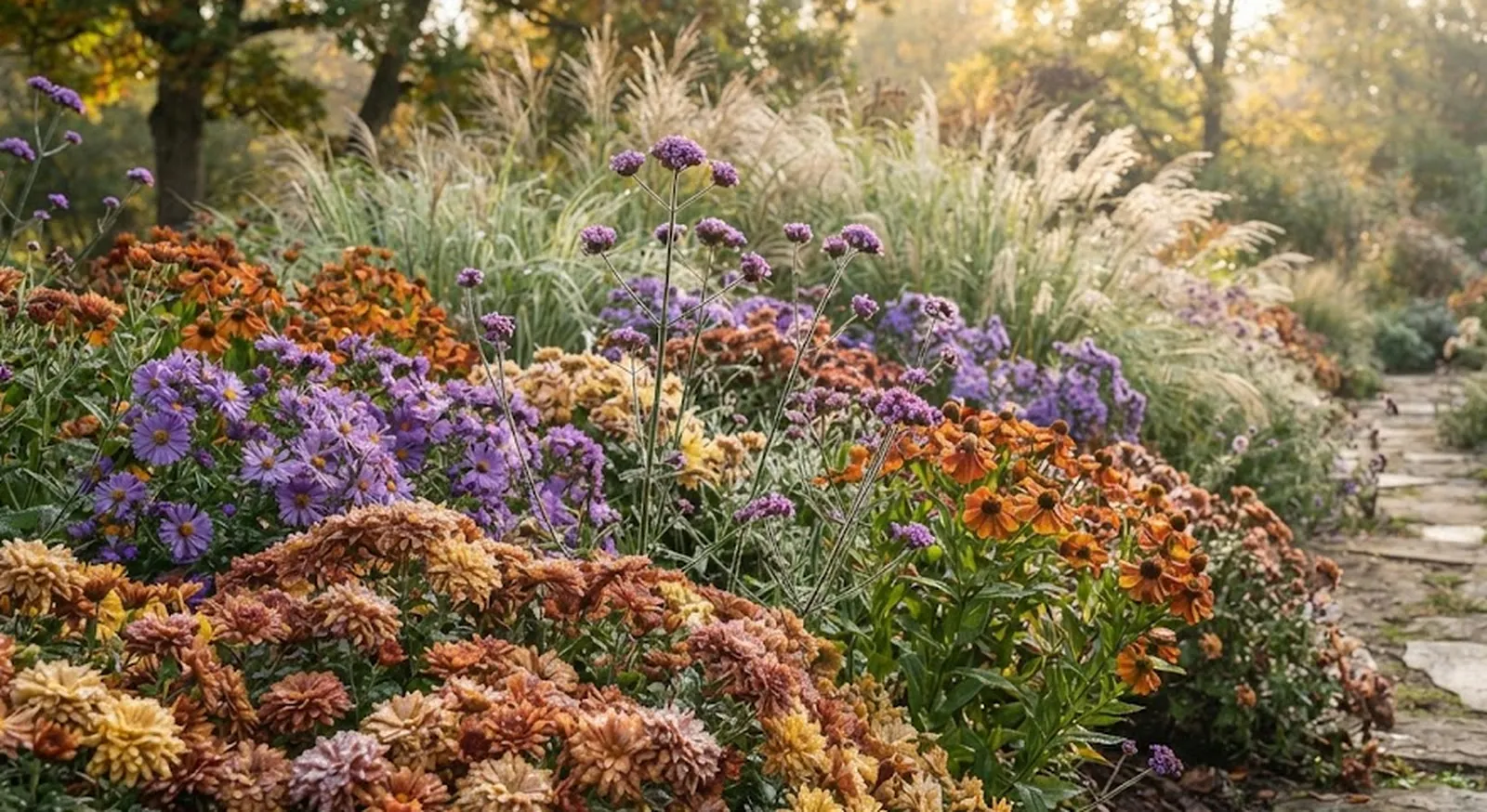
The assumption that August is followed by three brown months of waiting is not true - it is the consequence...
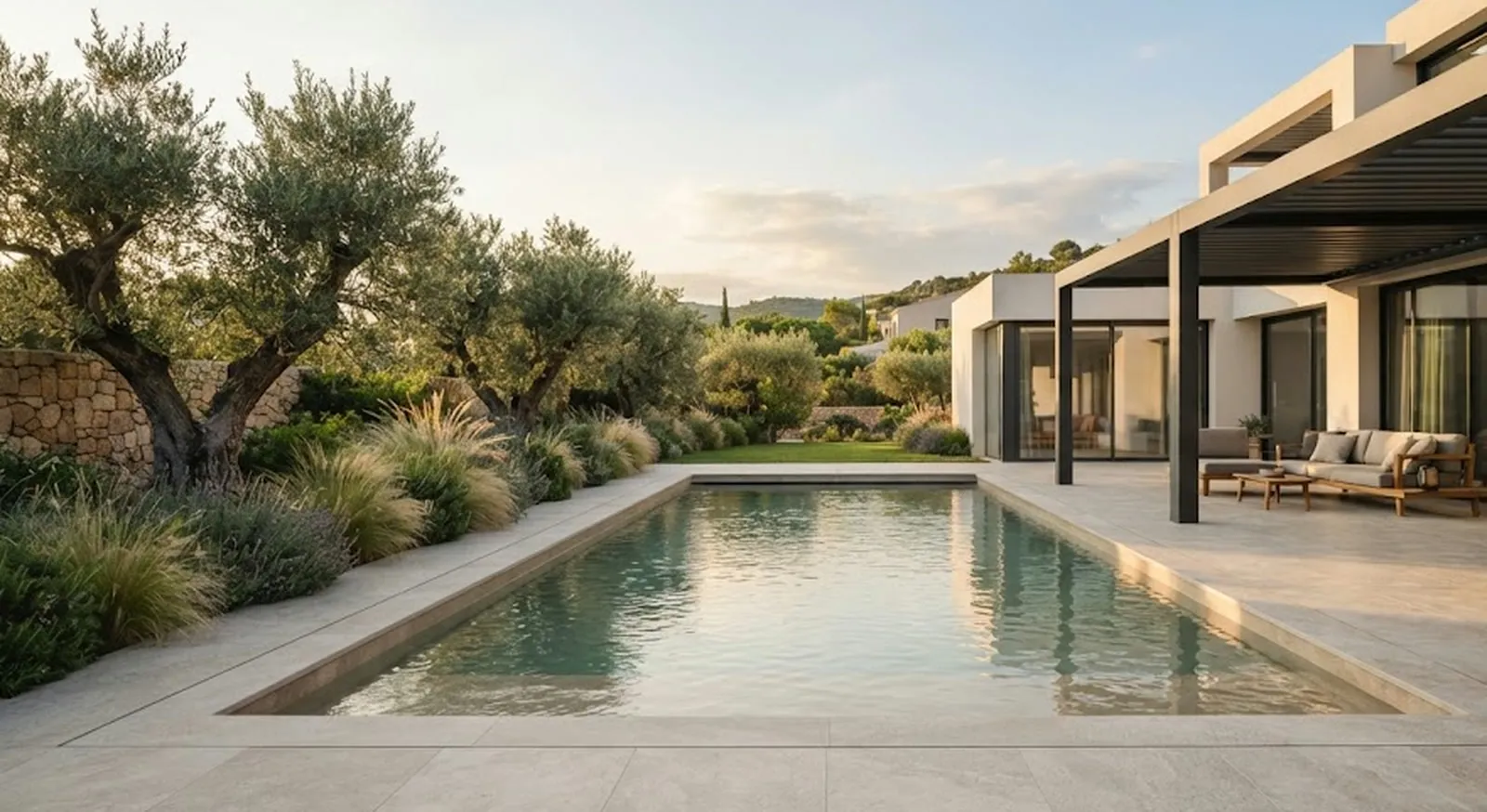
The blue rectangle in the corner of the garden is no longer the law, but the real mistake is not...
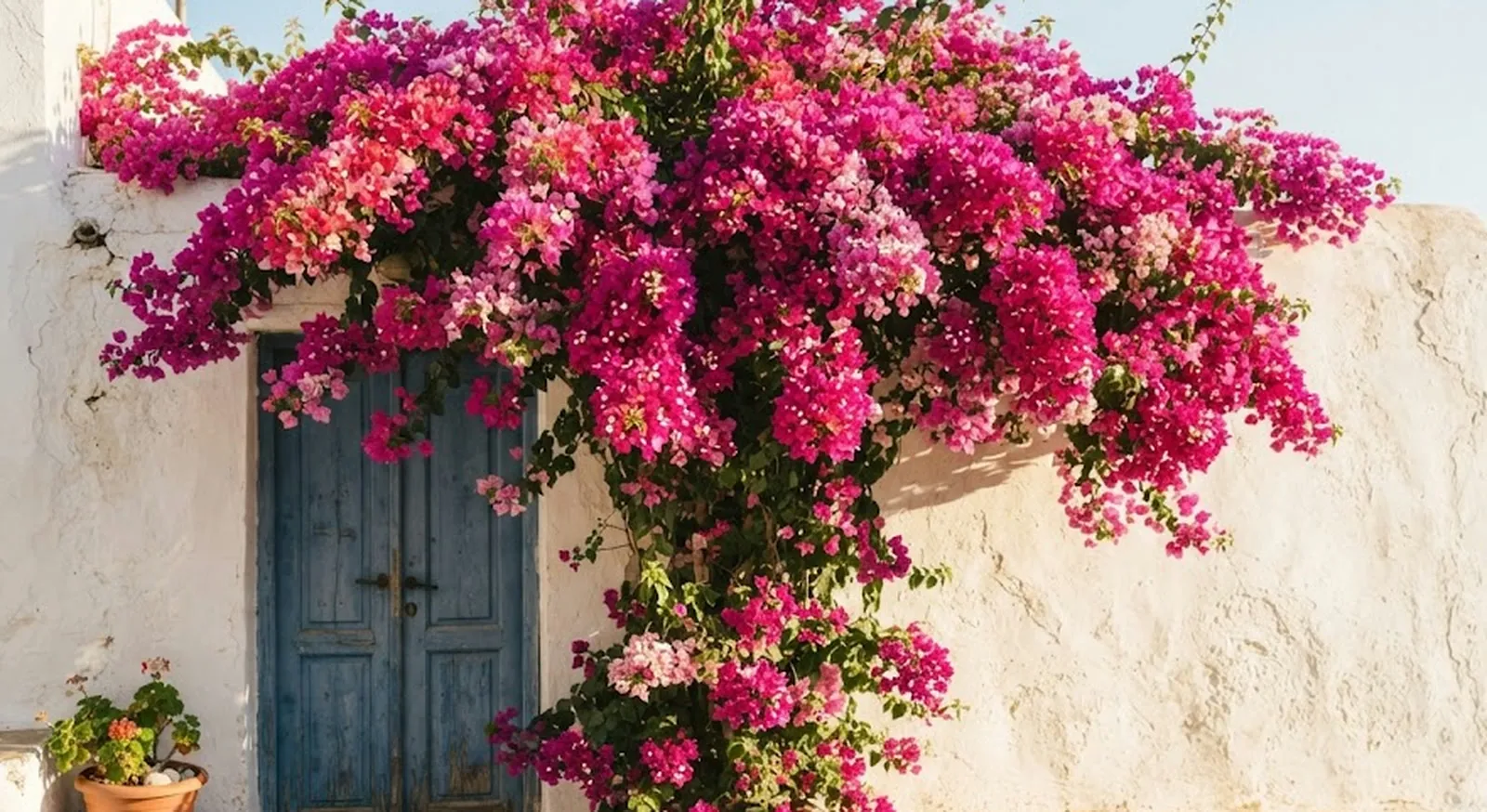
That explosion of colour spilling over Mediterranean walls asks for just two things - sun and a little thirst. And...
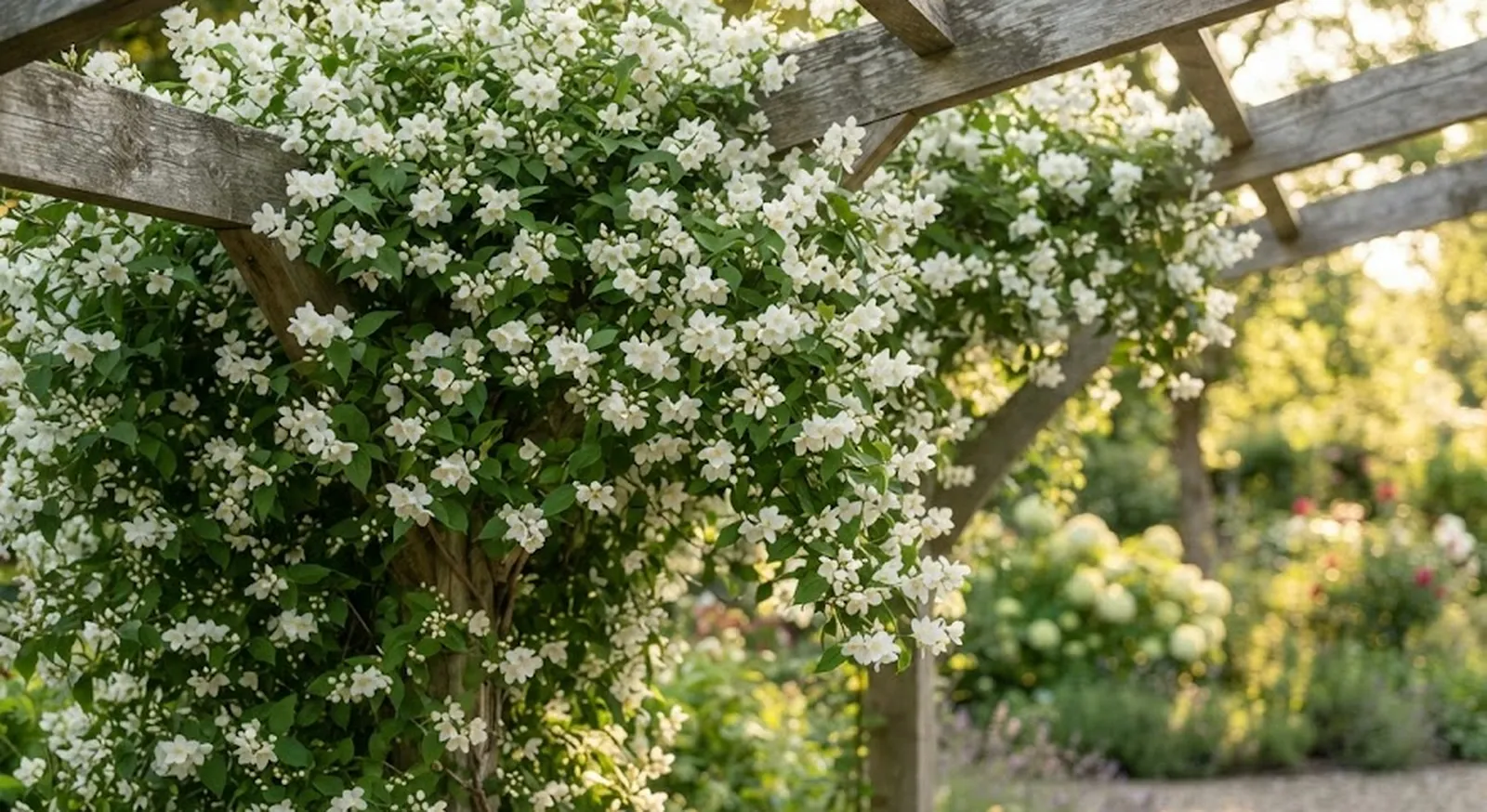
For months of flowers and that heady scent, common jasmine asks you to do a few things right. The most...

Not a scent from a spray can, but something alive that calms you. Sometimes the freshest home is the one...
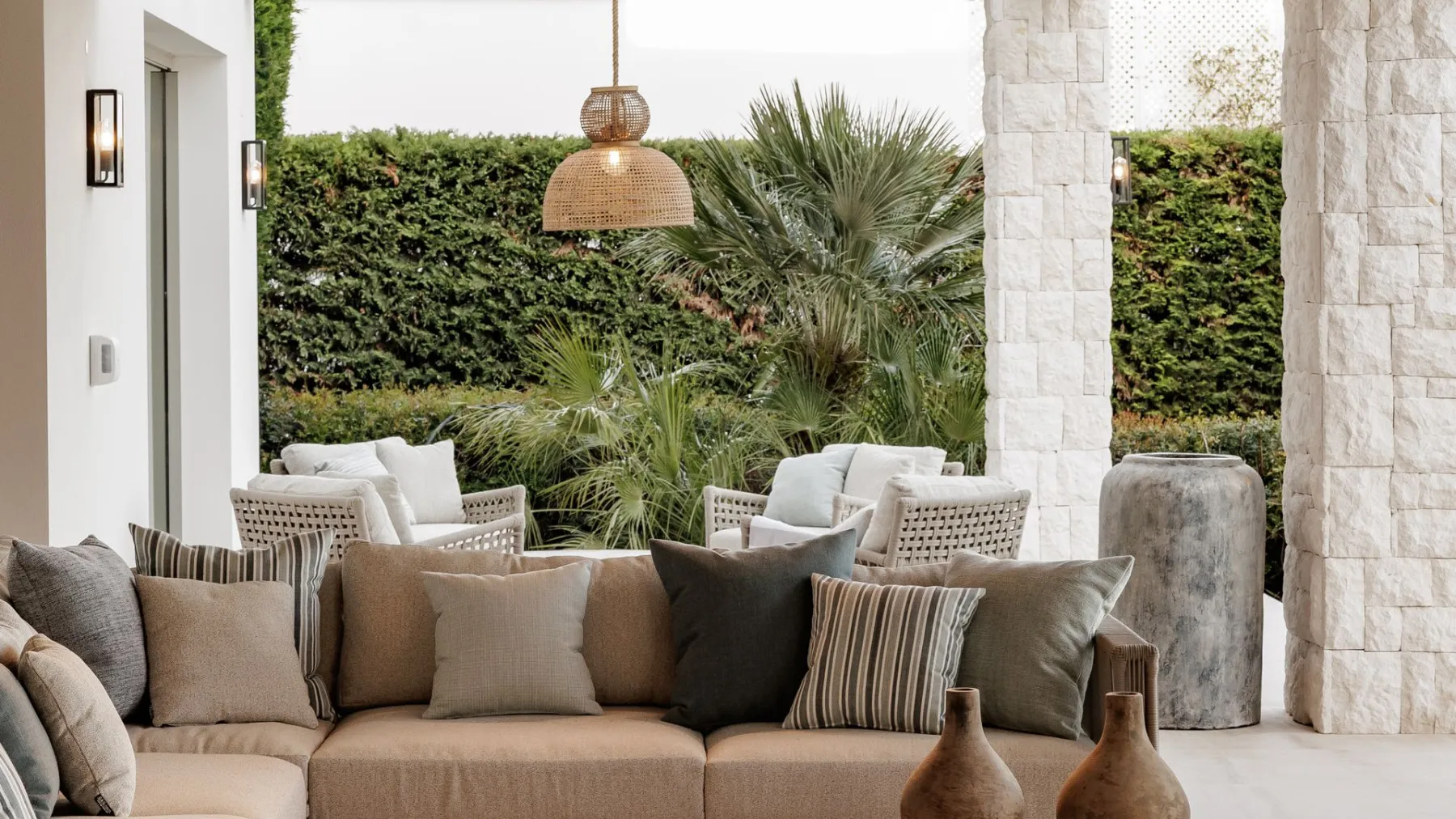
The difference between a terrace that collects plants and a terrace where you stay lies in a few decisions that...
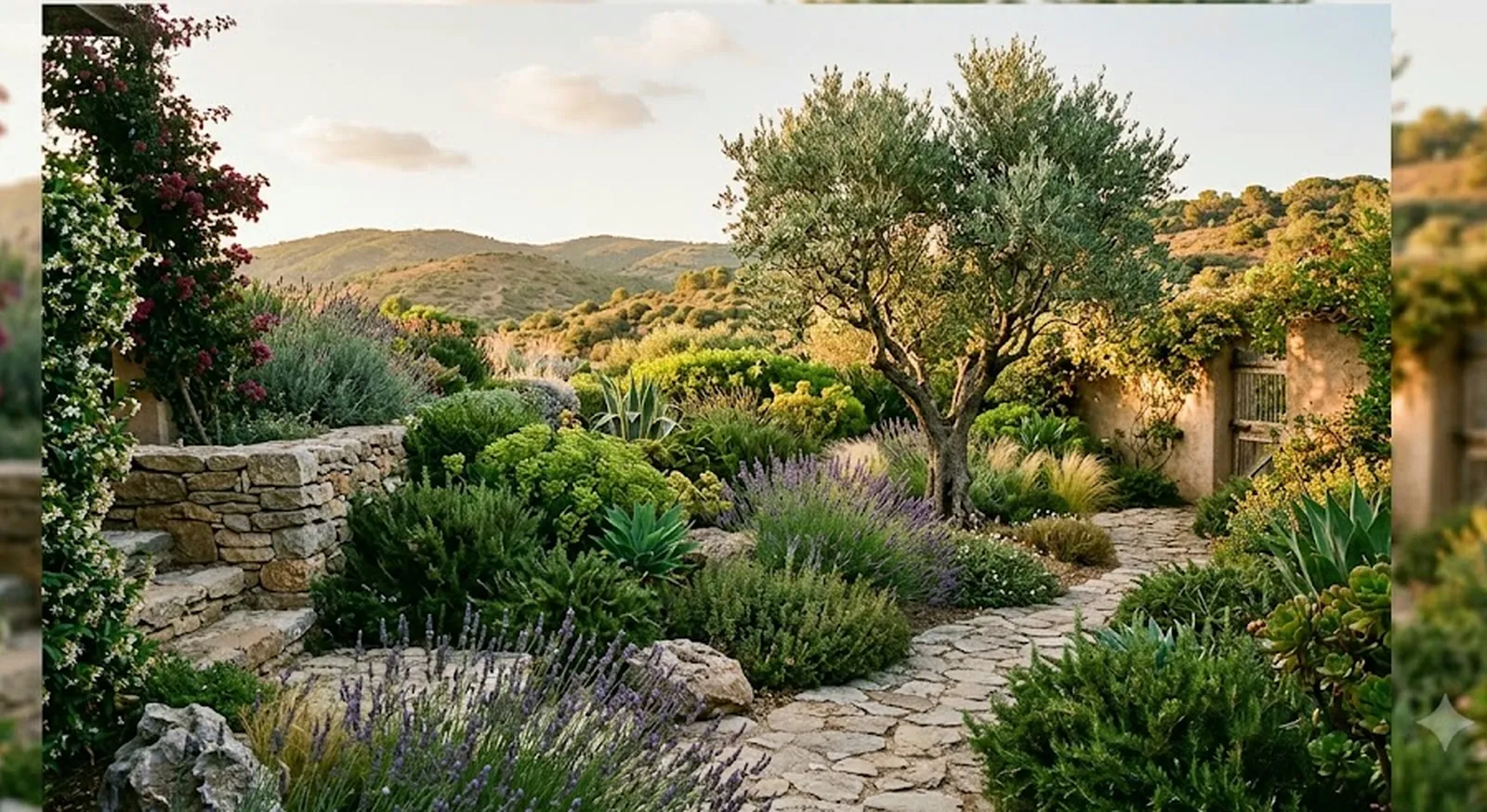
Buying plants with no plan, artificial grass, oversized saplings - a landscape architect lists the mistakes you pay for late....
This site uses cookies - is that okay? Learn more
Be the first to know when Metla launches something new
Leave your email and we will write when there is a new guide or something new on Metla.