

Bear cub killed on the Skopje-Tetovo motorway: the fence is a legal obligation, while the rescue team exists only in a Viber group
25.10.2026


25.10.2026

25.10.2026

25.10.2026

25.10.2026

25.10.2026

25.10.2026

25.10.2026

25.10.2026

25.10.2026

25.10.2026

25.10.2026

24.10.2026

25.10.2026

25.10.2026

25.10.2026

25.10.2026

24.10.2026

23.10.2026

25.10.2026

25.10.2026

25.10.2026

25.10.2026

25.10.2026

25.10.2026

25.10.2026

25.10.2026

24.10.2026

24.10.2026

22.10.2026

20.10.2026

23.04.2026

23.04.2026

12.04.2026

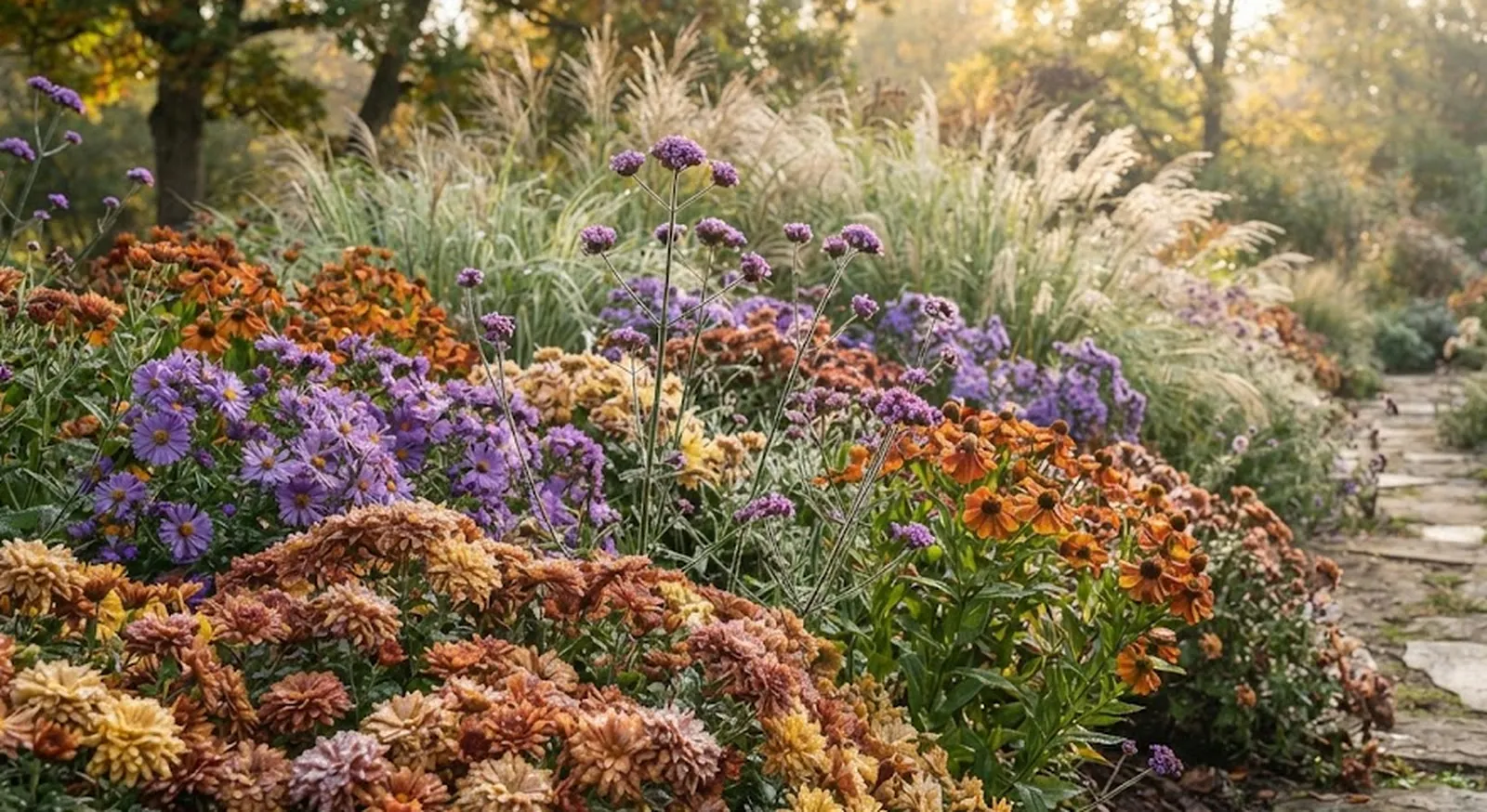
There is an unchallenged assumption that once August ends the garden has done its work and three brown months of waiting follow. That is not true - it is simply the consequence of most people planting only what flowers in May. There are a dozen or so species that show their best version right now, under a softer light that makes the colours more intense than in summer.
The key is not one miracle plant but a combination: different heights and different flowering periods, so that everything does not empty out in the same week.
Chrysanthemum and aster - the foundation
The chrysanthemum is the classic announcer of autumn, and with good reason: it flowers in yellow, white, pink, red, violet and bronze tones, and comes in compact varieties for pots and taller ones for the garden. It needs a very bright spot with a few hours of gentle sun and fertile soil that holds some moisture, but with no standing water. Removing spent flowers extends its flowering. When a cold night comes, the pots are moved against a wall or under a canopy.
The aster has the opposite character - small, wild-looking, like little daisies in violet, blue, pink or white with a yellow button in the middle. It is excellent for filling gaps between shrubs. It likes sun, but in hot climates it appreciates some shade during the strongest hours. Water it when the top layer of soil is dry, without wetting the leaves much, since good air circulation protects it from fungal problems.
Dahlia and stonecrop - two opposite strategies
If you want a flower that will take over the whole picture, that is the dahlia. In September it is still producing large geometric blooms - white, coral, burgundy, orange, yellow, pink, and there are two-tone varieties too. It demands direct sun for at least six hours a day and generous, regular watering, but with no water collecting under the pot. Tall stems usually need support, especially in a windy spot.
Autumn stonecrop is the opposite philosophy - for those who do not want to depend on daily watering. Its flowers are gathered into large flat clusters that shift from pink to deep red, copper or garnet as the season progresses, and the fleshy leaves are interesting in their own right. It needs sun and a light substrate, mixed with sand or fine gravel if the soil is compacted. Water only when the substrate is dry - excess water is its main enemy. The dried flower heads stay decorative through winter, so there is no need to rush the pruning.
For shade and for movement: Japanese anemone and gaura
The Japanese anemone is the only one on this list that wants partial shade and cool soil. It has tall stems and flowers that move with the wind, in white or pink, sometimes with a darker tone on the reverse. It goes beautifully with ferns and hydrangeas. The soil should hold moisture constantly without becoming waterlogged, and compost or a thin layer of mulch around the base helps. It needs time to establish - each following year is richer.
Gaura, also known as the butterfly flower, works the other way: full sun and a substrate that drains excellently. The small white or pink flowers sit at the end of thin, flexible wands and create a light cloud that lasts into October. Once established, it tolerates drought well. Cut back the wands that have finished flowering and it will produce new buds.
Echinacea, ornamental sage, verbena and helenium
In September echinacea still holds large flowers with a pronounced centre that attract bees and butterflies - the violet one is best known, but it also comes in white, yellow, orange, pink and red. It likes an open sunny position and soil that does not hold too much water. A tip worth having: do not cut off all the spent heads at the end of the season - the seeds feed the birds.
Many varieties of ornamental sage flower in early autumn too. The vertical spikes in blue, violet, pink, red or white contrast with the round blooms of dahlias and chrysanthemums. They want plenty of sun and loose soil that is not overly rich, with moderate watering. If you keep sage in a pot, choose a container with a drainage hole - a small detail that otherwise kills the plant.
Verbena bonariensis is among the best for extending colour once August has gone: tall thin stems with small violet flower heads floating above everything else. It needs a sunny corner and space around it for air to circulate. Do not overfeed it - overly fertile soil produces more leaves than flowers. Let some flowers set seed and new plants usually come up on their own the following spring.
Helenium carries the warmest palette - yellow, orange, red, copper and rust tones, in daisy-like flowers with slightly curved petals. It needs sun and fertile soil that holds a little moisture, and in dry spells a deep watering once or twice a week.
All of this fits into one sentence: the garden does not shut down in September, it changes the schedule. Somebody just has to have planned that schedule in advance.
The latest 10 news from this category
All the gardens in one neighbourhood together form a network that feeds birds and bees. The question is whether yours...
The answer to the heat is not turning the garden into cacti. Twelve steps for autumn, and the first is...
The most common mistake with a freshly planted plant is not the variety or the soil, but the water. The...
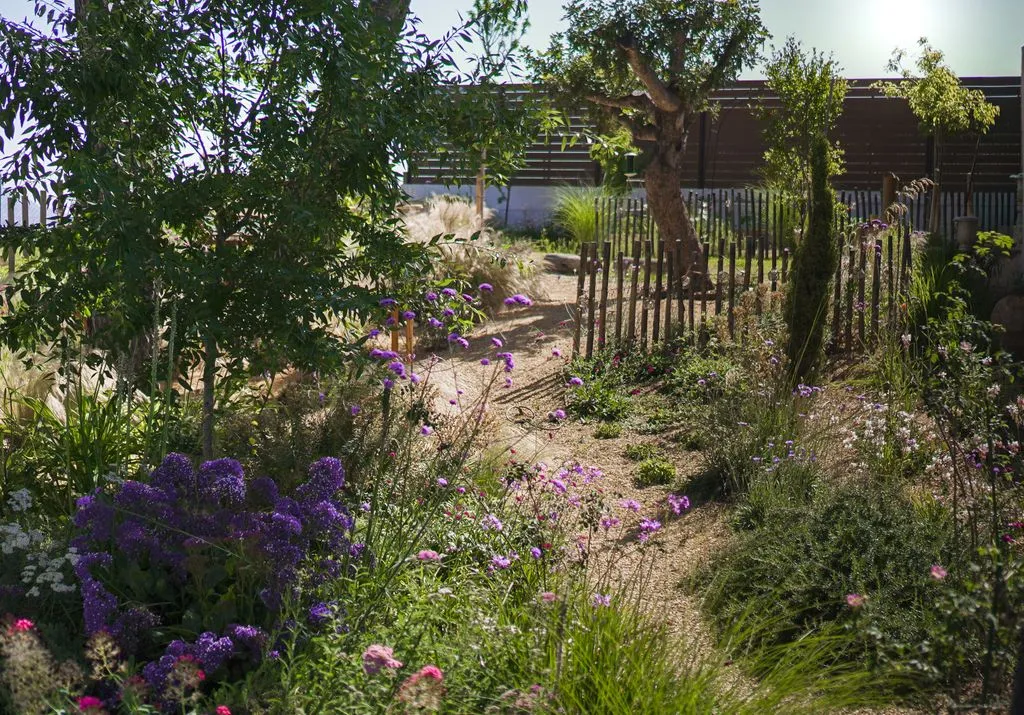
The garden stops being an ornament and becomes infrastructure. What is a Valencian experiment today is an ordinary back yard...
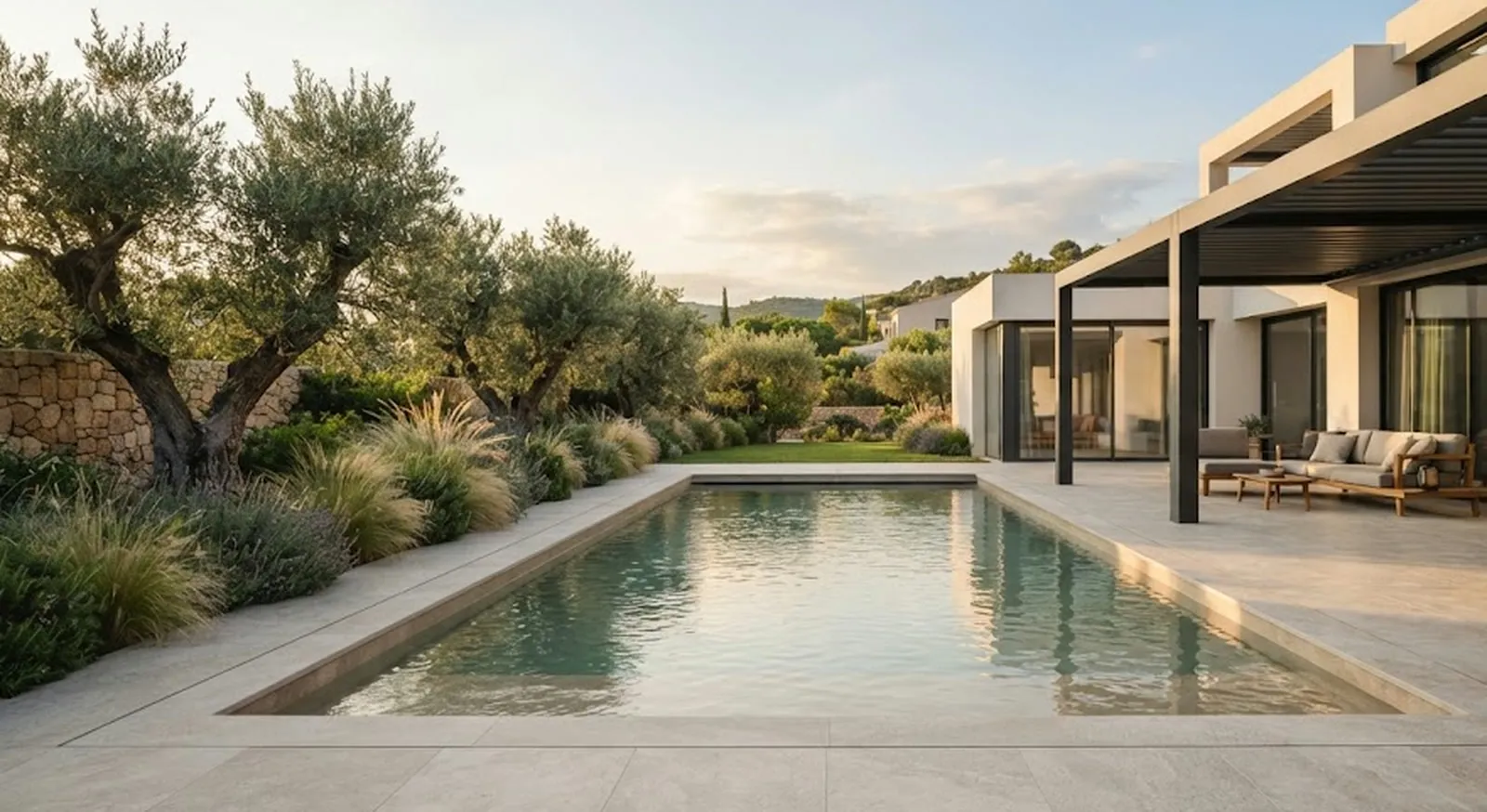
The blue rectangle in the corner of the garden is no longer the law, but the real mistake is not...
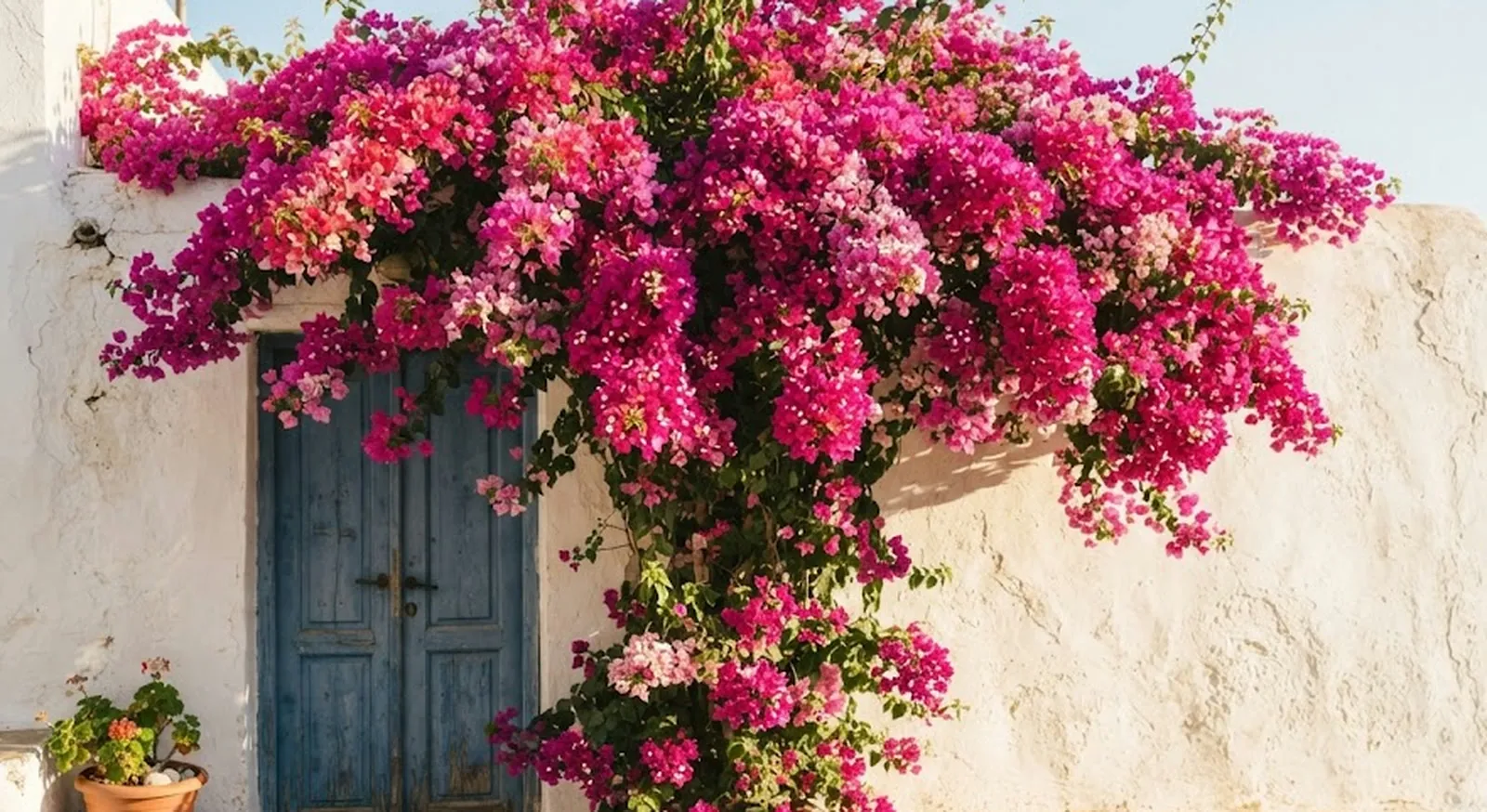
That explosion of colour spilling over Mediterranean walls asks for just two things - sun and a little thirst. And...
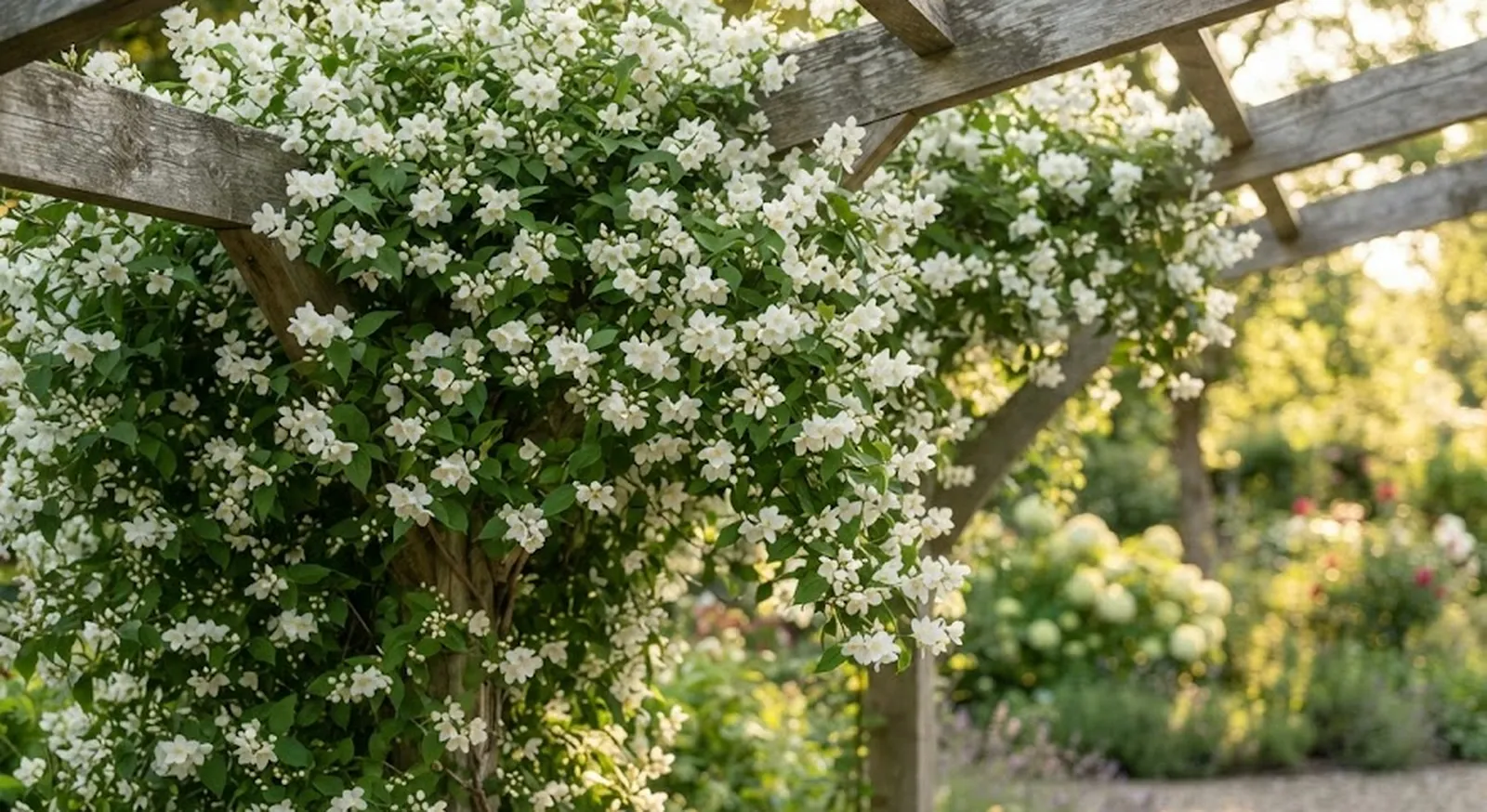
For months of flowers and that heady scent, common jasmine asks you to do a few things right. The most...
Not a scent from a spray can, but something alive that calms you. Sometimes the freshest home is the one...
The difference between a terrace that collects plants and a terrace where you stay lies in a few decisions that...
Buying plants with no plan, artificial grass, oversized saplings - a landscape architect lists the mistakes you pay for late....
This site uses cookies - is that okay? Learn more
Be the first to know when Metla launches something new
Leave your email and we will write when there is a new guide or something new on Metla.