
A New Criminal Complaint Against Jakimovski: A Building Permit Based on a Plan Struck Down Back in 2018
16.09.2026


16.09.2026

16.09.2026

16.09.2026

16.09.2026
16.09.2026

16.09.2026

16.09.2026

15.09.2026

14.09.2026

16.09.2026

16.09.2026

15.09.2026

16.09.2026

15.09.2026

14.09.2026

16.09.2026

16.09.2026

16.09.2026

16.09.2026

15.09.2026
15.09.2026

09.03.2026

27.02.2026

19.02.2026

16.09.2026

15.09.2026

14.09.2026

23.04.2026

23.04.2026

12.04.2026

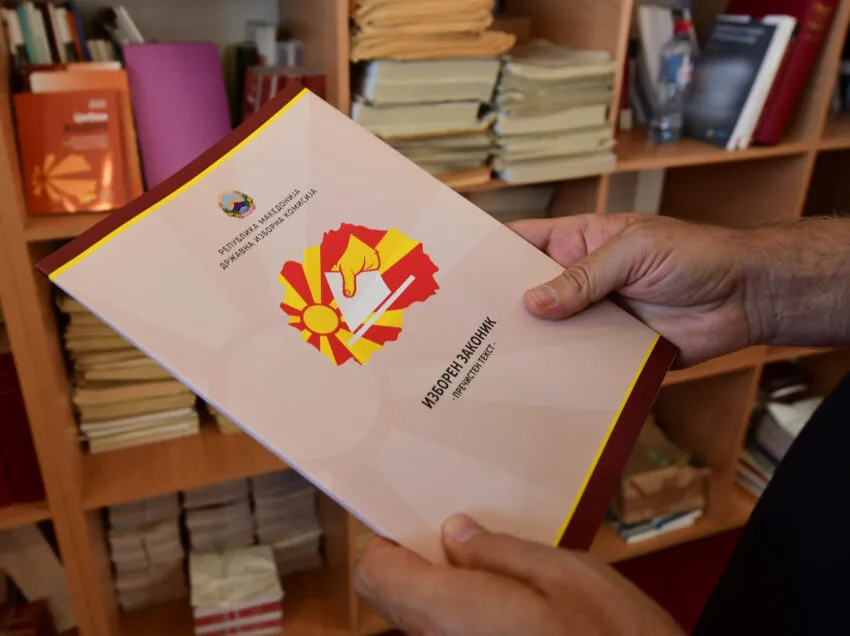
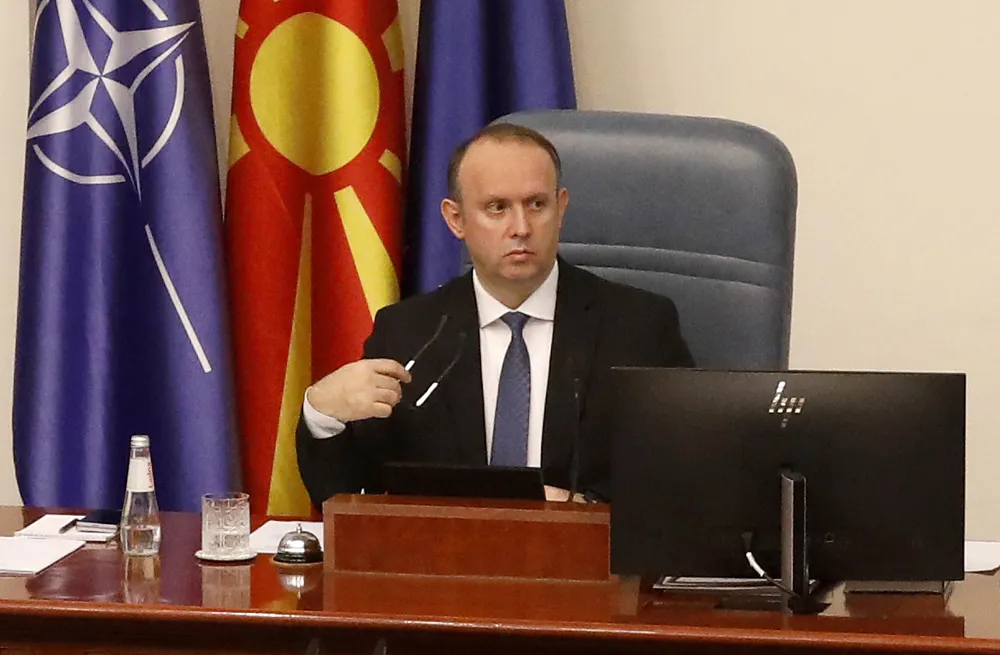
Over the past two days, two senior state officials told the public that the parties are negotiating over the Electoral Code. Parliament Speaker Afrim Gashi said a representative of Levica had raised the issue and that the working group could continue if there is willingness. First Deputy Prime Minister Bekim Sali stated that efforts towards adoption are under way and that the new justice minister, Jeton Shasivari, is working on it.
Then somebody asked the parties. And the answer was that there are no negotiations whatsoever.
VMRO-DPMNE: no contacts. SDSM: no meetings
VMRO-DPMNE denied that there were "any contacts or initiatives on this". SDSM confirmed that there are "neither meetings nor invitations nor any announcements of them". These are the two largest parties - one in power, one in opposition. If they are not negotiating, the question is who exactly is being negotiated with.
Sali says the code had previously been unanimously accepted by several parties, "however at the last moment two political parties withdrew". So there was a deal, and it fell apart. That is the actual state of play, and it is a different thing from "in the negotiation phase".
13,500 amendments is not a detail
Adoption of the changes is blocked by around 13,500 amendments filed by SDSM and Levica. That is not a random figure - it is classic parliamentary obstruction, a technique both sides have used when they sat on the other side of the chamber.
The contested points are specific and old: electronic voting for Macedonians abroad, a change in how the ballot paper is marked, the structure of electoral districts, and limits on objections. Not one of these questions is new. All of them were open three years ago too.
The reform agenda had a deadline - and it passed
The Electoral Code was part of the reform agenda with a July deadline. July came and went. September is here. Prime Minister Hristijan Mickoski says he expects a joint position from the opposition - a formulation that elegantly lobs the ball back over the net.
Sali, for his part, recalls that the country proposed 25 points for implementing reforms and that the process should be accelerated through coordinated work. Coordinated with whom, if the two largest parties say nobody called them?
There is a difference between working on something and talking about working on something. The difference usually shows up in the calendar, not in the press release.
The latest 10 news from this category

The police acted on their own knowledge, without the PM filing anything at all. The same mechanism exists for every...
The Electoral Code is the one unfulfilled reform obligation, and the working group does not even know when it will...
It was supposed to cost "zero denars". Now the opposition wants an investigation, and the timeline - David Guetta announced...

Five negations in one sentence, pension growth "16 times higher" with not a single figure beside it, and a third...
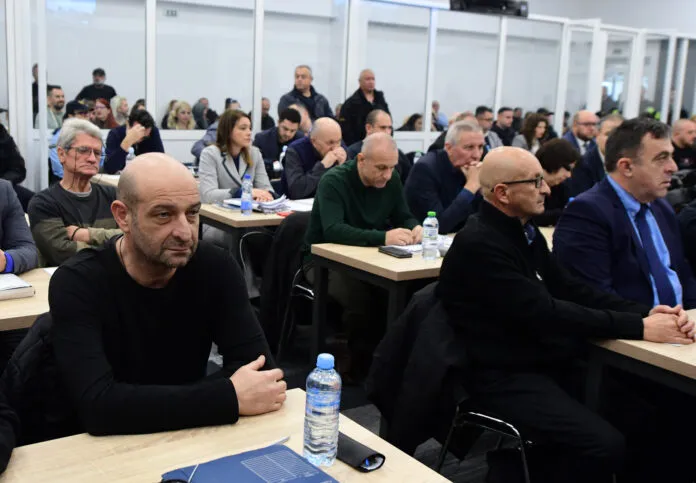
One side waits for a letter, another waits for a different commission, a third waits for consent. In those same...
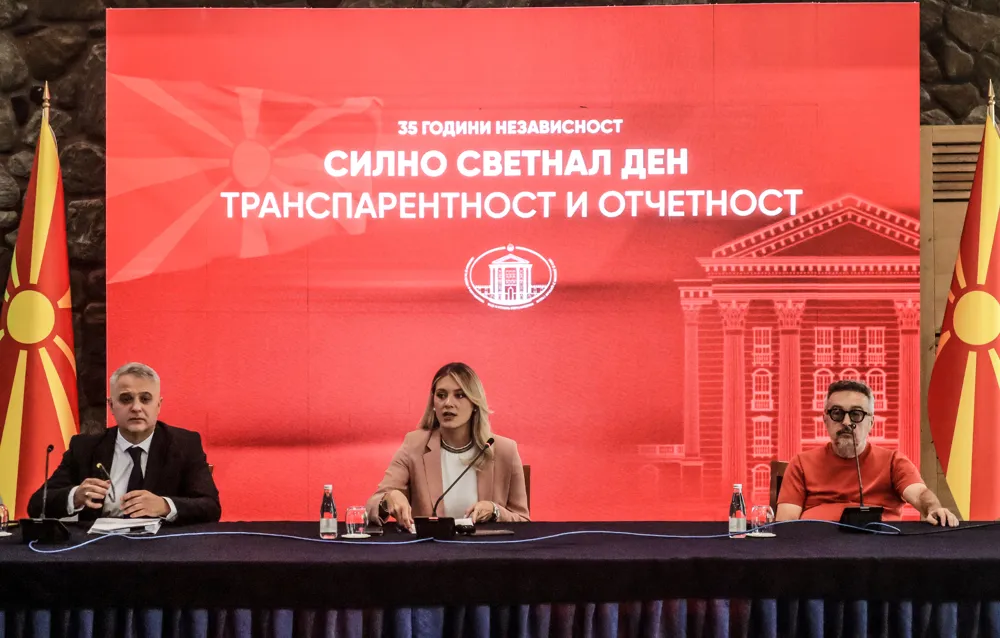
The commission's chairman says it only checked whether the documents were complete. The public call says something else entirely -...
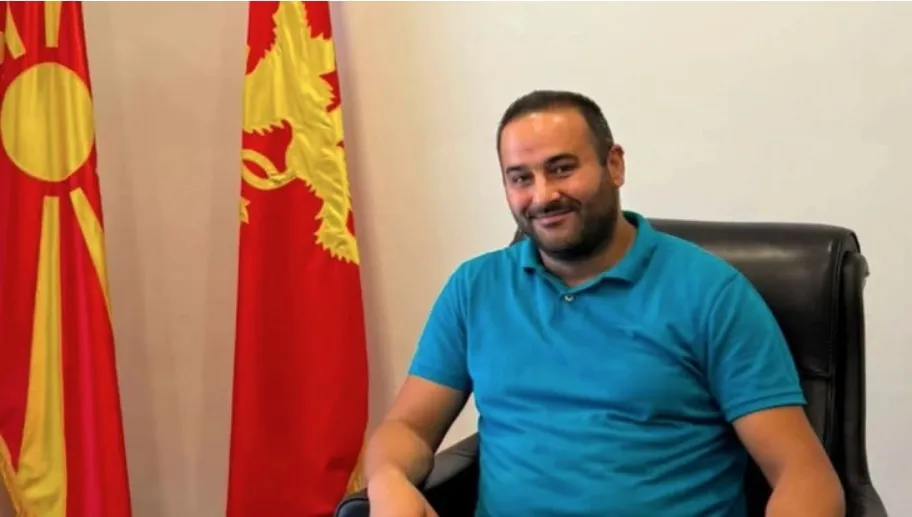
Three candidates, two of them lawyers, one of them employed by the very municipality he is running for. The line...

People are sitting in prison on the basis of verdicts that no longer exist, because the written reasoning has not...

The government says the celebration cost citizens nothing from the budget. But the chairman of the committee that assessed the...

The government tasked the Lottery on 28 April, two days later a call went out with a five-day deadline, and...
This site uses cookies - is that okay? Learn more
Be the first to know when Metla launches something new
Leave your email and we will write when there is a new guide or something new on Metla.