

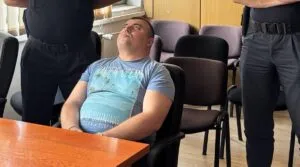
The Two Survivors of Staro Nagoricane Testified: "He Beat Me for a Full Hour" - and the Experts Wrote That the Risk of Repetition Is High
01.09.2026


01.09.2026

01.09.2026
01.09.2026

01.09.2026

01.09.2026

01.09.2026

01.09.2026

31.08.2026
30.08.2026

01.09.2026
01.09.2026

31.08.2026
01.09.2026

01.09.2026
01.09.2026
01.09.2026

31.08.2026

30.08.2026
01.09.2026

01.09.2026
01.09.2026

01.09.2026
31.08.2026

30.08.2026

09.03.2026

27.02.2026

19.02.2026
31.08.2026
30.08.2026

29.08.2026

23.04.2026

23.04.2026

12.04.2026
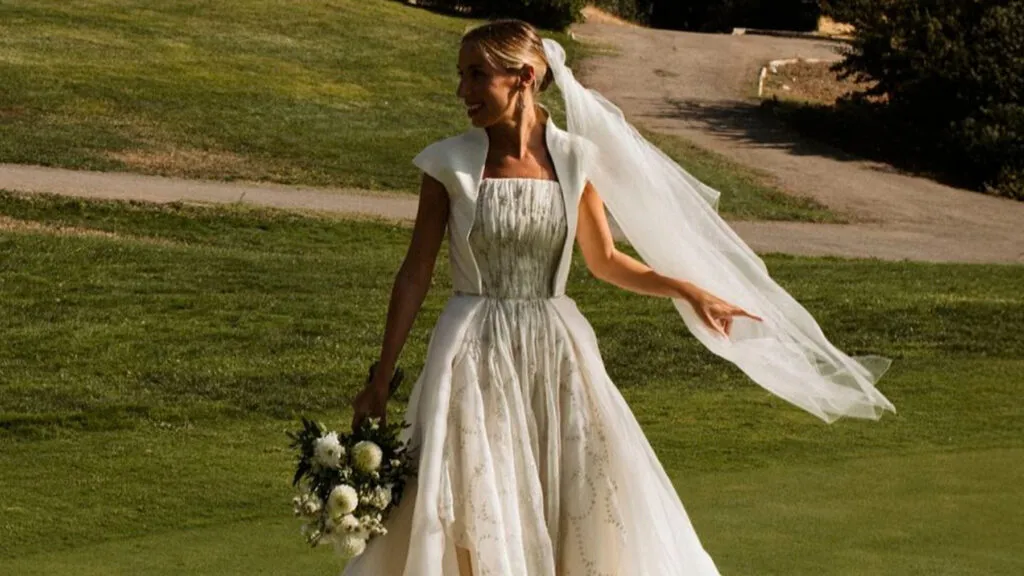
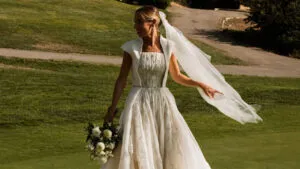
For years the rule was one thing: the wedding dress is clean, smooth, minimalist. Nothing that draws attention. This season that rule collapsed, and not through lavish gowns but through a single part - the top.
This year brides are asking for texture and hand embroidery, and all the attention is carried by the bodice. The lower half stays simple - either a classic silhouette inspired by royal weddings, or a more fluid A-line that lets the skirt move.
Cristina and the play of contrast
Her dress was among the most praised this spring. It was made by the Seville atelier Antonio García, run by Antonio and Fernando García. A simple skirt, and a bodice with a peplum effect achieved through a subtle band, with delicate floral embroidery in a champagne tone with an aged shade. Semi-sheer long sleeves, a round neckline, a classic tulle veil and a bouquet of small daisies.
Sara and the floral fabric
She married at the beginning of May and chose Cherubina for the dress. A square neckline, French sleeves, shoulder detail. The floral fabric of the bodice descends asymmetrically all the way to the start of the skirt, made from a light, fluid material. A ballet bun, a crown of flowers, a tulle veil and a bouquet of English roses with asparagus fern.
Sandra, who embroidered her own profession
This is the story that explains the whole season. The dress, signed by Valenzuela, is convertible - a corseted top with bell-shaped sleeves and a fluid skirt. Of the design process she says: "I remember the expressions when I said I wanted something that identifies me and is connected to my everyday passion, pastry. Everyone reacted when I mentioned I wanted croissants and cakes embroidered on the dress."
A yellow bouquet of gerberas, a classic veil, earrings that come apart.
Alexandra and the pearls
Few dresses provoked so many reactions. A Navascués design, with a detachable character - a short jacket with sleeves and a train, beneath which a dress with a heart-shaped neckline and a draped bodice with crystal embroidery is revealed. A ballet bun, a short veil, a bouquet of white dahlias.
Blanca and embroidery from an old mantilla
Another Navascués, for a wedding in Madrid. The dress is made from the embroidery of an old mantilla - champagne-coloured silk, with detachable sleeves sewn onto a corseted top. Earrings with pearl buttons, a classic tulle veil, a polished bun and a wrist corsage.
Nuria and asymmetry
Here the bodice differs from the skirt not in colour but in construction. A Romancera design, with a great deal of lace and diagonal panels creating an asymmetric top with historical references, somewhere between tradition and boho-retro with a theatrical note. On top - a mantilla shaped into a Juliet-style cap.
The second Sara and the trusted seamstress
An October wedding, at the Hacienda San Juan del Hornillo. The strongest detail was neither the tiara nor the waterfall of wildflowers, but the embroidered bodice. Vintage inspiration, a balance between lace and embroidery, in an A-line with a fluid skirt, tied French sleeves and a square neckline. The dress was made by her trusted seamstress.
Why this is bigger news than it looks
Of the seven dresses, at least three were made by hand for a specific person, and one was made by a trusted seamstress - not a house with a name. That is the direct opposite of the decade in which the bride picked from a catalogue.
For a reader here that means something concrete. The expensive salon dress and the dress made at a seamstress are no longer two different leagues - this season the trend is precisely on the side of the second. What costs is the time and the skill, not the label.
The latest 10 news from this category
"Real repair is not achieved through an exhibition or institutional recognition," the designer wrote. The sentence the industry did not...
Post-summer pigmentation affects around a third of women, and it shows up even on those who applied sunscreen diligently. The...
Dior went to a tarot reader before every major decision, Chanel built her number into a perfume's name. The only...
It is not one aggressive exposure but the cycles of wetting and drying repeating every day. The trade says: cut...
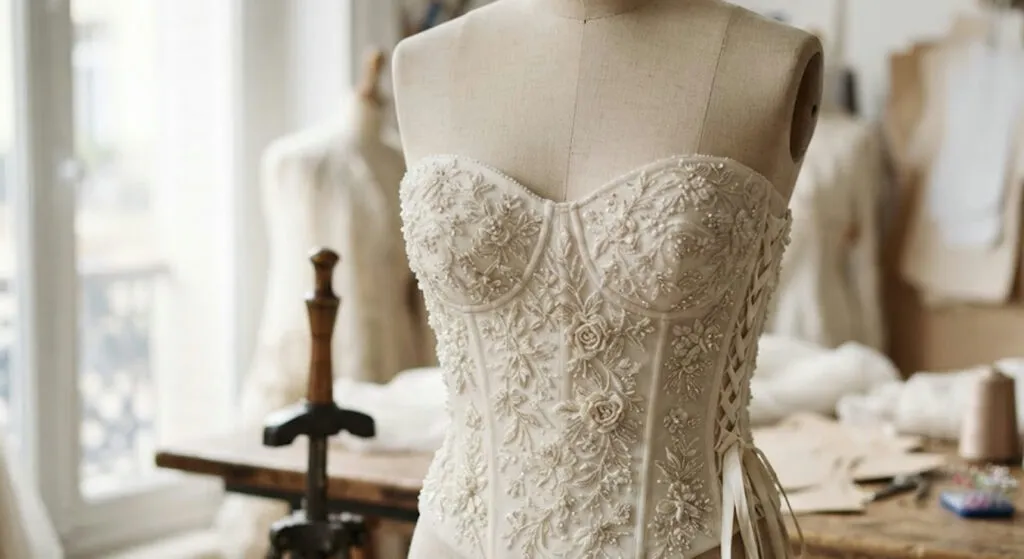
After ten years of minimalism, all the attention moves back to the bodice. Here that was never a trend but...
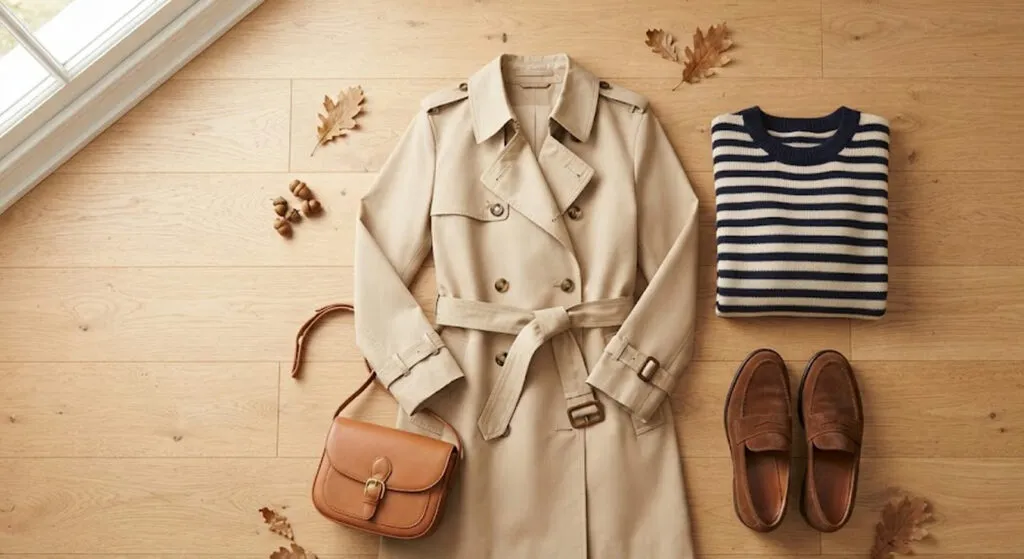
Every September the same garment returns under a new name and it works. Of the three recommended looks, only one...
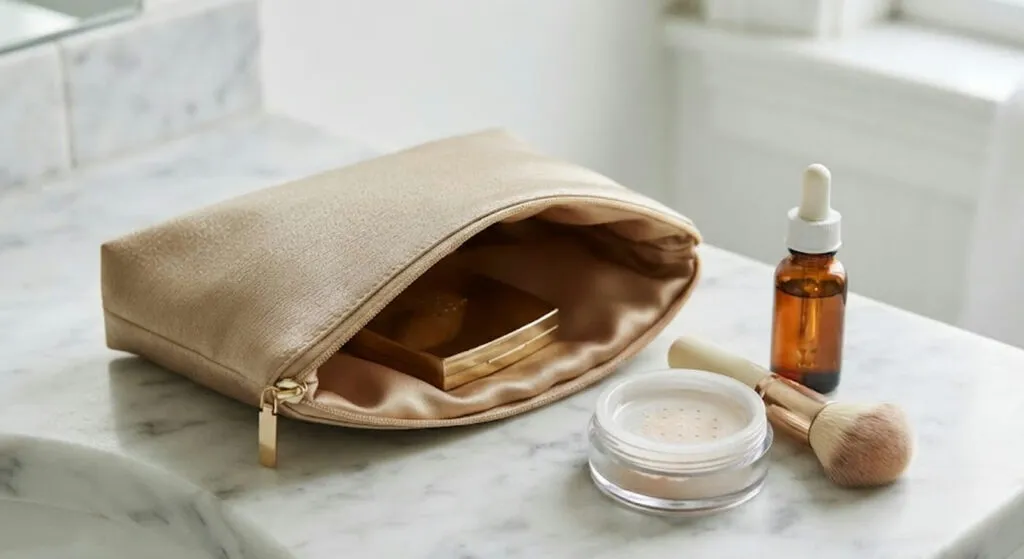
Makeup does not sit still - it travels all day and ends up in the lines around the eyes. The...
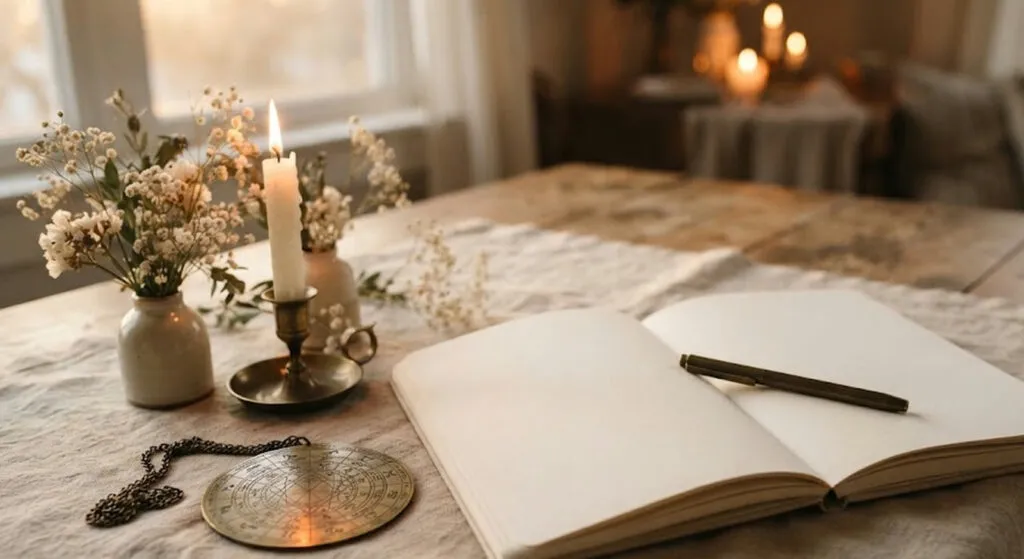
From 24 October to 13 November Mercury is retrograde for the third time this year. What the astrologer actually recommends...
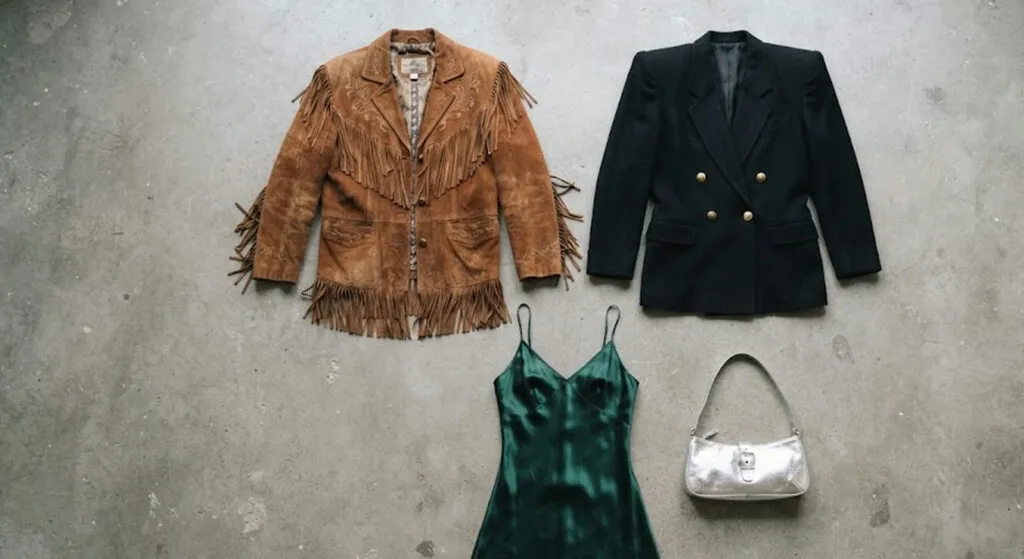
The fashion cycle used to run thirty years, now it is incomparably shorter. Here nostalgia is not a fashion category...
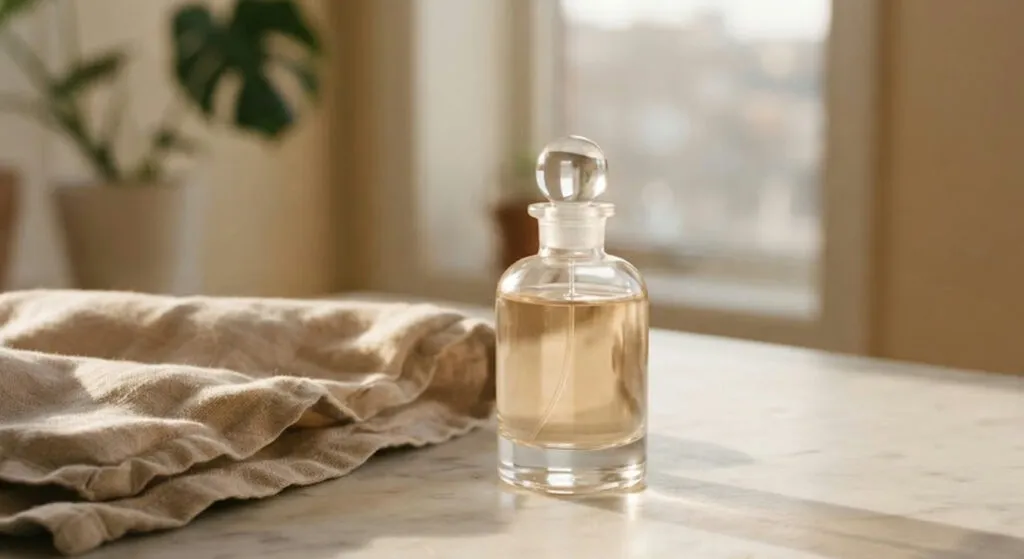
In time you are no longer smelling a perfume - you are smelling part of your own biography. The best...
This site uses cookies - is that okay? Learn more
Be the first to know when Metla launches something new
Leave your email and we will write when there is a new guide or something new on Metla.
