


Six Police Officers Suspended over the Beating near Saraj: The Interior Ministry Admits Irregularities, the Union Tells a Completely Different Story
12.10.2026


12.10.2026

12.10.2026

12.10.2026

12.10.2026

12.10.2026

12.10.2026

12.10.2026

12.10.2026

11.10.2026

12.10.2026

12.10.2026

11.10.2026

12.10.2026
12.10.2026
12.10.2026

12.10.2026

11.10.2026
10.10.2026

12.10.2026

12.10.2026

12.10.2026

12.10.2026
12.10.2026

12.10.2026

12.10.2026

11.10.2026

11.10.2026
12.10.2026

10.10.2026

08.10.2026

23.04.2026

23.04.2026

12.04.2026

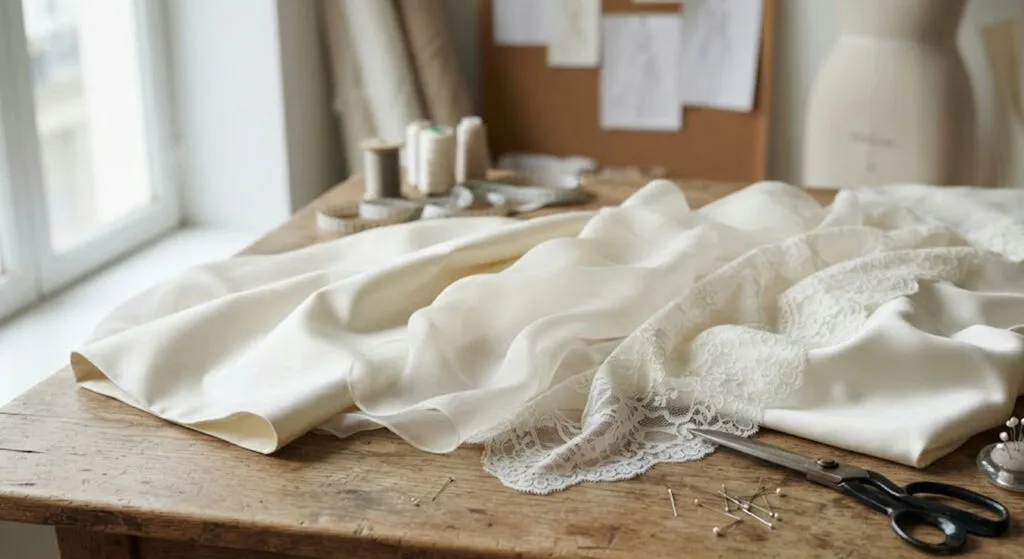
We remember a royal bride's dress by its cut, its train, its tiara. Hardly anyone asks what it's made of - yet that's exactly what decides whether the cut holds or collapses. "The fabric has to suit the type of design being made," says Spanish designer Cristina Valenzuela. In almost every royal wedding dress, the base is the same: silk. The difference is in how it's woven.
Brussels lace and silk faille
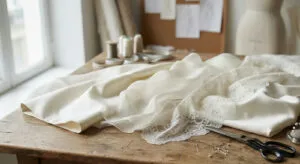
Brussels lace originated in the 15th century, made from high-quality linen thread. Each lacemaker produces her own part - the background, the flowers, the details, the edges - so a single piece takes many hands and many hours. Grace Kelly wore it on the bodice of her dress, while the skirt was made of silk faille. Letizia chose the same fabric for her wedding to Felipe on 22 May 2004 in Madrid: the dress was by Pertegaz, and the faille was commissioned exclusively from the Valencian firm Rafael Catalá, woven with fine silver threads and platinum-plated gold, with heraldic embroidery. It's a firm fabric with body, a ribbed texture and an elegant sheen, and it can be worn on either side. It's also not cheap.
Organza and gazar
Princess Beatrice of York married Edoardo Mapelli Mozzi in the middle of the pandemic, in an intimate ceremony at the Royal Chapel of All Saints. She wore a Norman Hartnell dress lent to her by her grandmother, Queen Elizabeth II, with stones across the bodice and skirt. The sleeves were silk organza - semi-sheer, light and slightly stiff, woven from natural silk with tightly twisted thread - and the rest was silk taffeta.
Gazar is often confused with organza, but it's denser and stiffer. Cristóbal Balenciaga created it together with the Swiss textile firm Abraham so he could sculpt minimalist volumes. Jorge Vázquez used a double Italian silk of this type for Sassa de Osma's dress at her wedding to Christian of Hanover, with Chantilly lace over it. Gazar also turns up in the small details - the buttons on Kate Middleton's wedding dress.
Duchess satin and mikado
Charlene of Monaco married in Armani Privé, with a bardot neckline and hand-embroidered stones and mother-of-pearl. The dress took 50 metres of duchess silk - a firmer, denser satin than the usual kind, with a sculptural drape and a muted sheen. Mikado is heavier still: a fabric with weight and presence that allows architectural shapes, doesn't crease and has a calmer, less shiny look. Rebecca Bettarini, now Grand Duchess Victoria Romanovna, wore it at her wedding in St Petersburg, in a design by Reem Acra.
Taffeta, Chantilly and tulle
Silk taffeta is fine, dense and firm, holds its shape and has a smooth, crisp surface - which is why it's a favourite for the "princess" cut. Diana wore it at her wedding to Prince Charles, combined with lace, hand embroidery, sequins and 10,000 pearls. Chantilly lace, named after the French town of Chantilly, where the tradition of bobbin lace began in the 17th century, is light, with a very fine mesh and floral motifs. It was chosen by Sassa de Osma, by Chrissie Vardinoyannis for her wedding to Nikolaos of Greece, and by Madeleine of Sweden. Embroidered tulle, meanwhile, is most often seen on the veil: Queen Sofía wore it on her mantle at her wedding to King Juan Carlos, and Charlotte Casiraghi in 2019, at her church wedding to Dimitri Rassam, in a design by Giambattista Valli.
Jacquard and damask
Princess Eugenie of York, at her 2018 wedding to Jack Brooksbank, wore a silk jacquard created especially for her, with woven motifs of the Scottish thistle, the Irish shamrock and the York rose. The dress was designed by Peter Pilotto and Christopher De Vos. Jacquard needs a special loom, and pays it back with sheen, durability and an elegant drape. Damask takes its name from Damascus, where it originated in the Middle Ages before spreading along the Silk Road. Its motifs aren't printed or embroidered but woven into the warp and weft. Camilla Parker Bowles chose it in April 2005 for her wedding to the then Prince Charles: a blue-and-gold damask coat by Anna Valentine.
The lesson from the royal brides is simple. Before you ask what the dress costs, ask what it's made of. Shine sells, but it's the weight of the fabric that carries the bride through the whole day.
The latest 10 news from this category
The exhibition features more than 140 works by ten artists, but the attention went to what the guest who opened...
Hair doesn't turn grey - it starts growing without colour. What can be done, what can't be reversed, and why...
The town celebrates 700 years, the royal couple opens a bathing spot, and the smartest detail is the hat -...
The skin is thinner, there are fewer oil glands, and the phone keeps tilting the head down. That's why one...
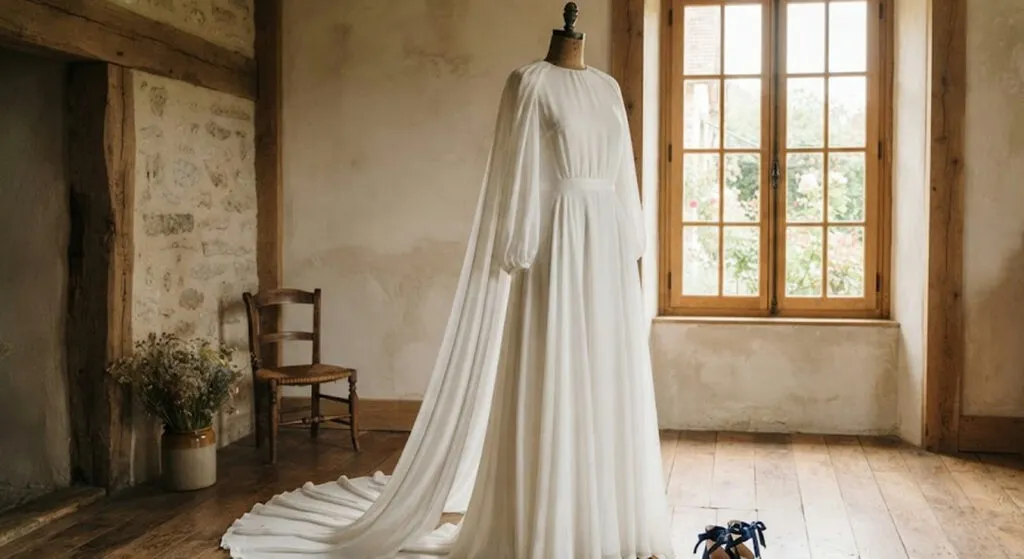
The designers set themselves one rule: the bride had to be able to dance for hours. The nicest detail can't...
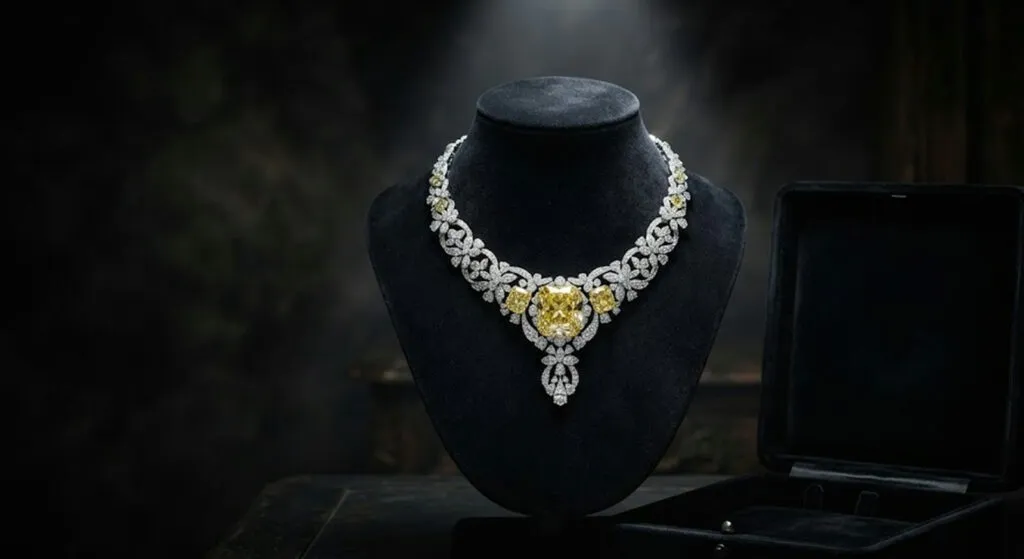
A 6-million-euro necklace, boots worth up to 30,000 euros, a Hermès bag that fetched 349,000 euros at auction. Stars wear...
Blackheads and breakouts come from your evening routine more often than from a skipped treatment. Which facial suits which skin...
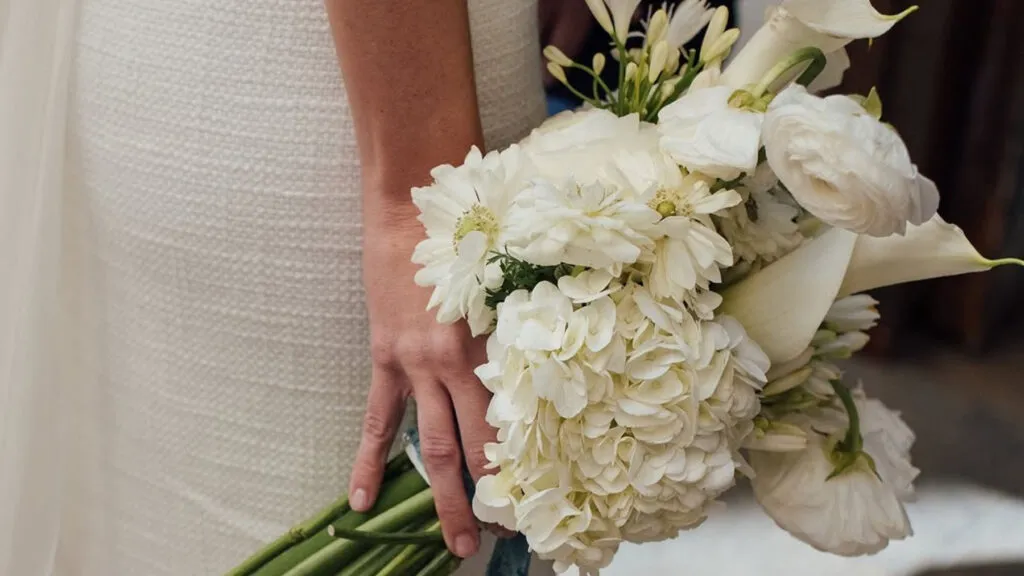
Before it became a fashion statement, the bridal bouquet was an amulet of garlic and herbs against evil spirits. Trends...
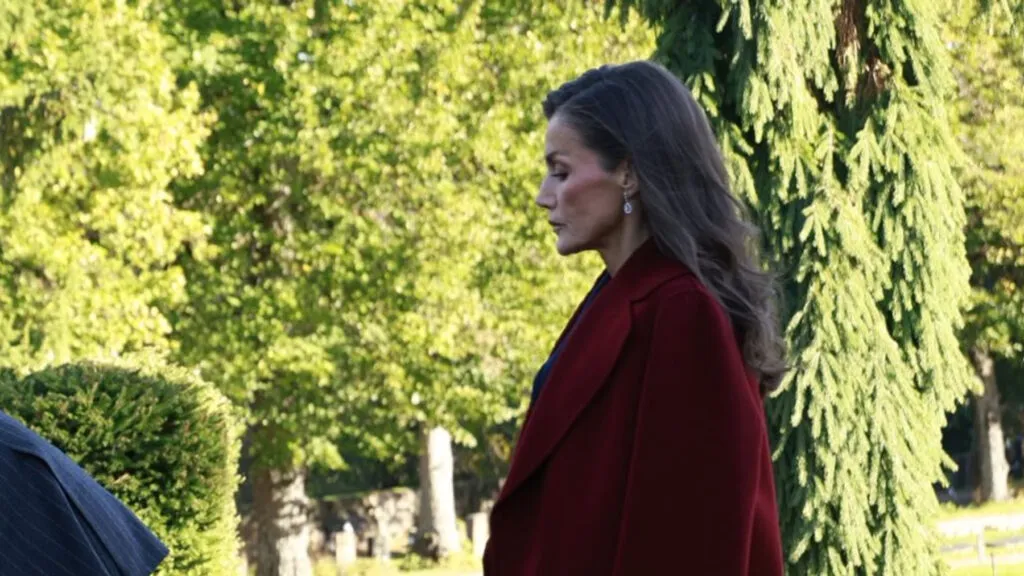
The coat fashion editors have declared this winter's trend, a brooch from her mother-in-law's jewellery and a 107-euro bag: a...
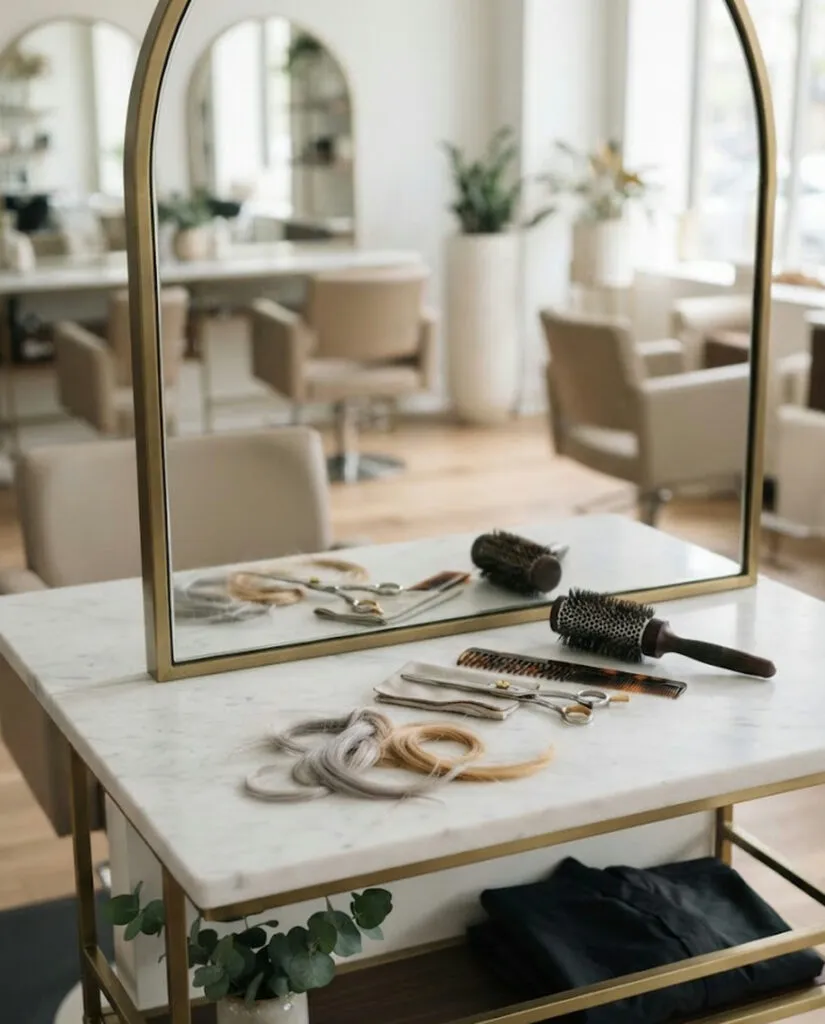
"At that age you cut your hair short" - a line hairdressers retired long ago. Four cuts that stay above...
This site uses cookies - is that okay? Learn more
Be the first to know when Metla launches something new
Leave your email and we will write when there is a new guide or something new on Metla.


