

Six Police Officers Suspended over the Beating near Saraj: The Interior Ministry Admits Irregularities, the Union Tells a Completely Different Story
12.10.2026


12.10.2026

12.10.2026

12.10.2026

12.10.2026
12.10.2026
12.10.2026

12.10.2026

12.10.2026

11.10.2026

12.10.2026

12.10.2026
11.10.2026

12.10.2026

12.10.2026
12.10.2026

12.10.2026

11.10.2026
10.10.2026

12.10.2026

12.10.2026

12.10.2026
12.10.2026
12.10.2026

12.10.2026

12.10.2026
11.10.2026
11.10.2026
12.10.2026

10.10.2026

08.10.2026

23.04.2026

23.04.2026

12.04.2026

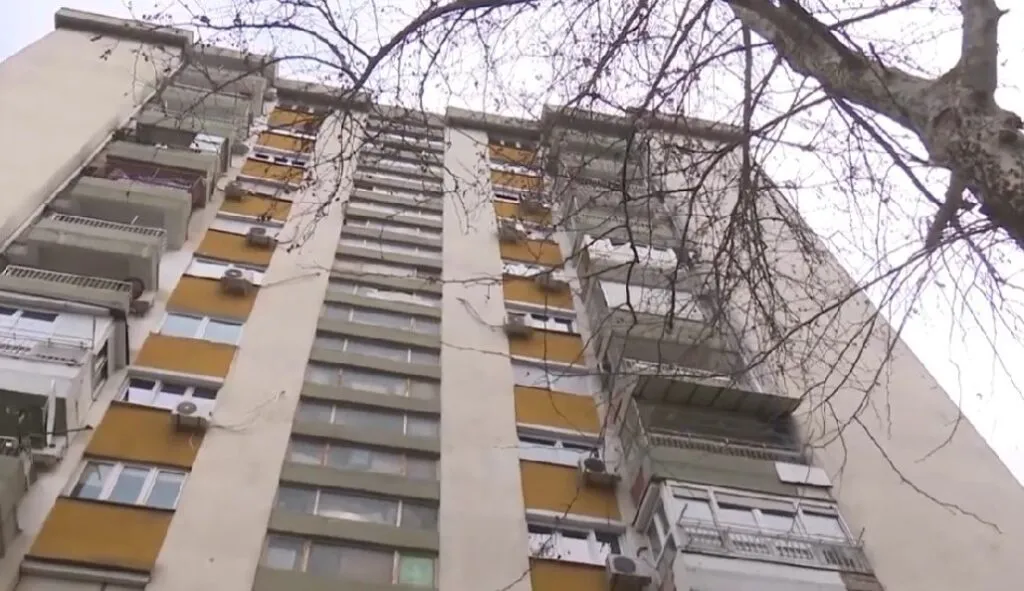
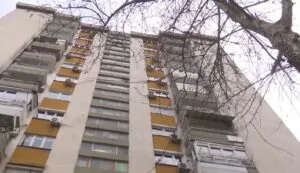
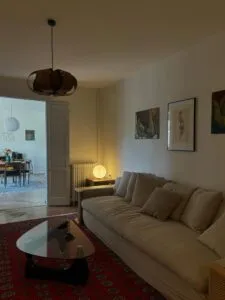
Cranes over Skopje are practically a permanent part of the skyline, and August's statistics sound like a construction boom. 333 building permits were issued, 18.9 percent more than in August last year, covering 1,030 new flats. A year earlier, in the same month, 646 flats were planned. More flats, then - but not a bigger home.
The detail that tells the real story is in the floor area. The total area of planned flats grew from 64,251 to 80,530 square metres, or by about 25 percent, while the number of flats jumped by almost 60 percent. Simple arithmetic gives an average of about 78 square metres per planned flat this year, against almost 100 square metres last year.
When a square metre is too expensive, the flat shrinks
One month isn't a trend, and that needs saying. But the logic is clear: when the price per square metre becomes unaffordable, developers cut the floor area so the total price stays in a range a buyer can at least consider. The market isn't getting cheaper - it's just selling you less flat for the same money.
The Skopje region remains the epicentre, with 105 permits in August, more than any other region. It's in the capital that the pressure on prices and demand is most visible.
The value of all permits issued in August reached 21.78 billion denars, a jump of 315.5 percent. Before anyone holds that number up as proof of a housing boom - most of it comes from the Blace-Skopje motorway, not from flats.
The salary doesn't reach the keys
The average net salary in July 2026 was 48,499 denars. Wages are rising, but what matters for a home is whether they rise faster than the price per square metre, the down payment and the interest rate. For a young person with no inherited flat and no help from their parents, saving up just for the down payment can take years. A couple with two stable salaries and a family buying its first flat on one salary live in two different markets, even though they're looking at the same listings.
It's a long road from building permit to keys in hand, and at the end of it the price decides who moves in. If the state really wants young people to stay, why is the conversation about housing still about how many cranes there are, rather than how many years of salary a home costs?
The latest 10 news from this category
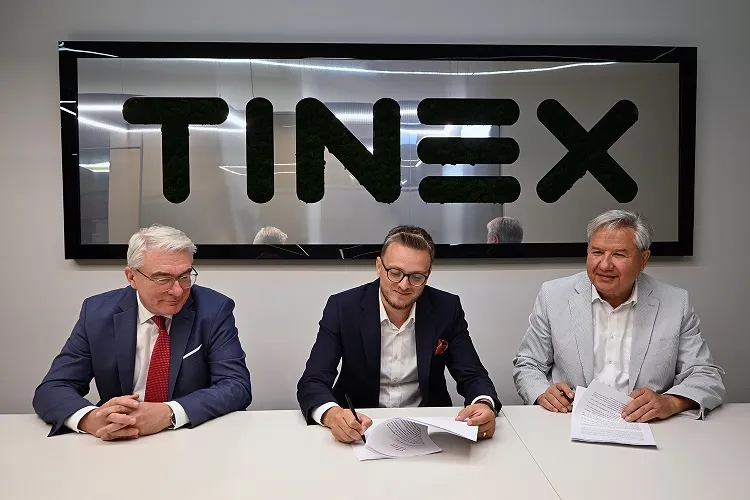
The new owner promises full shelves and competitive prices. How much a chain with over 30 years of history cost,...
The minister announces two rounds of borrowing for next year and a new citizens' bond on terms nobody knows yet....
Musk accuses Ambani of a monopoly, and India's ministry replies that all satellite operators are waiting in the same queue....
While money pours into AI start-ups, a device that pulls toxins out of children's blood has quietly made it into...

The film about Frances Haugen and the "Facebook Files" failed to excite audiences. Several more films casting tech bosses as...
A citizens' bond is coming by year-end, and new foreign borrowing in 2027. Public debt is projected above 60 percent...

The crisis regime expires on October 20, and the government is already announcing an extension to April. In July, Parliament...

The Economic Chamber wants fewer days off, Minister Durmishi says acquired rights won't be cut, and the union reminds everyone...
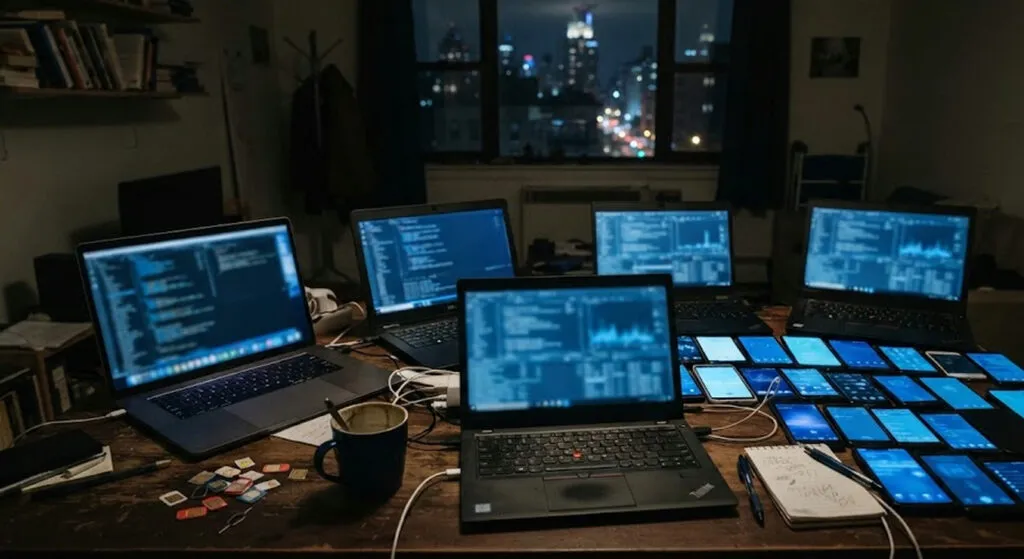
Victims in 42 countries lost 442 billion dollars last year, and scam tools are available from 500 dollars a month....
The startup pulled its app and deleted user data, and less than three weeks later Apple was already filing a...
This site uses cookies - is that okay? Learn more
Be the first to know when Metla launches something new
Leave your email and we will write when there is a new guide or something new on Metla.


