


Six Police Officers Suspended over the Beating near Saraj: The Interior Ministry Admits Irregularities, the Union Tells a Completely Different Story
12.10.2026


12.10.2026

12.10.2026

12.10.2026

12.10.2026

12.10.2026
12.10.2026

12.10.2026

12.10.2026

11.10.2026

12.10.2026

12.10.2026

11.10.2026

12.10.2026

12.10.2026

12.10.2026

12.10.2026

11.10.2026
10.10.2026

12.10.2026

12.10.2026

12.10.2026
12.10.2026

12.10.2026

12.10.2026

12.10.2026

11.10.2026
11.10.2026
12.10.2026

10.10.2026

08.10.2026

23.04.2026

23.04.2026

12.04.2026

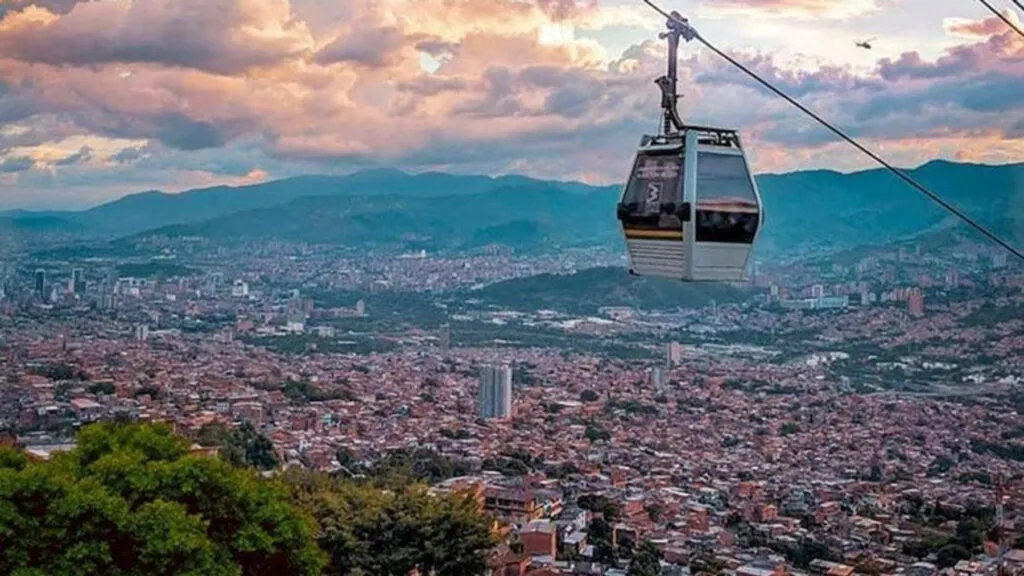
Maluma still calls it "Medallo". That's the affectionate name Medellín's residents use for their city, and the singer born Juan Luis Londoño hasn't dropped it even after global fame. He has the city's name tattooed on his chest, calls himself a "proud Latino", and when he goes home he's usually photographed with his horses and his trademark hat.
The reason for the reminder is tonight's concert in Madrid. On Monday, 12 October, at Macondo Park, Shakira closes her Madrid run of shows, and with Maluma she'll perform their joint song "Agua" live for the first time. Two Colombians, the same country, the same roots - and a city that stands behind many of their stories. Singer Sebastián Yatra is from Medellín too.
A city that sings about itself
In 2019 Maluma released "Medellín" with Madonna, shortly after becoming a father for the second time. A year later, on the album Papi Juancho, came "Medallo City" - a song about the streets, the neighbourhoods and the speech of the paisas, as people from this region are called. Medellín isn't just a backdrop in his videos; it's the subject.
If the city has a face, it's the face of Fernando Botero, who was also born here. Plaza Botero holds 23 of his monumental sculptures - rounded, heavy, recognisable from a kilometre away - and the Museum of Antioquia keeps one of the largest collections of his work. In the Joaquín Antonio Uribe Botanical Garden, the wooden Orquideorama structure shelters a huge collection of orchids.
Neighbourhoods that climb the hills
Medellín sits in a valley, and its neighbourhoods climb the slopes around it. The highest parts are reached by the Metrocable, a cable car that's part of the city's public transport, with the whole valley visible from the cabin. Comuna 13, a neighbourhood once hit hard by violence, now draws visitors for its graffiti, music, dancing and the outdoor escalators that link its steep streets.
Few cities manage to change the image the world has stuck on them. Medellín is doing it with art on the walls and a cable car over the rooftops. How long does it take for people to stop associating a city only with the worst of its history?
And then - tango
On Nutibara Hill, Pueblito Paisa is a reconstruction of a small Antioquian town - a square, a church and colourful houses - and it's the place to try bandeja paisa, the region's traditional hearty dish. In the centre, the Salón Málaga café-bar has been open since 1957 and holds a large collection of 78 rpm records, along with photos of the artists who performed there.
Medellín's most unexpected story is Argentine. It was here, in 1935, that Carlos Gardel, the greatest legend of tango, was killed. In the Manrique neighbourhood, Casa Gardeliana is now a museum and cultural centre dedicated to him, and on Plaza Gardel stands a monument to him by Salvador Arango.
The latest 10 news from this category
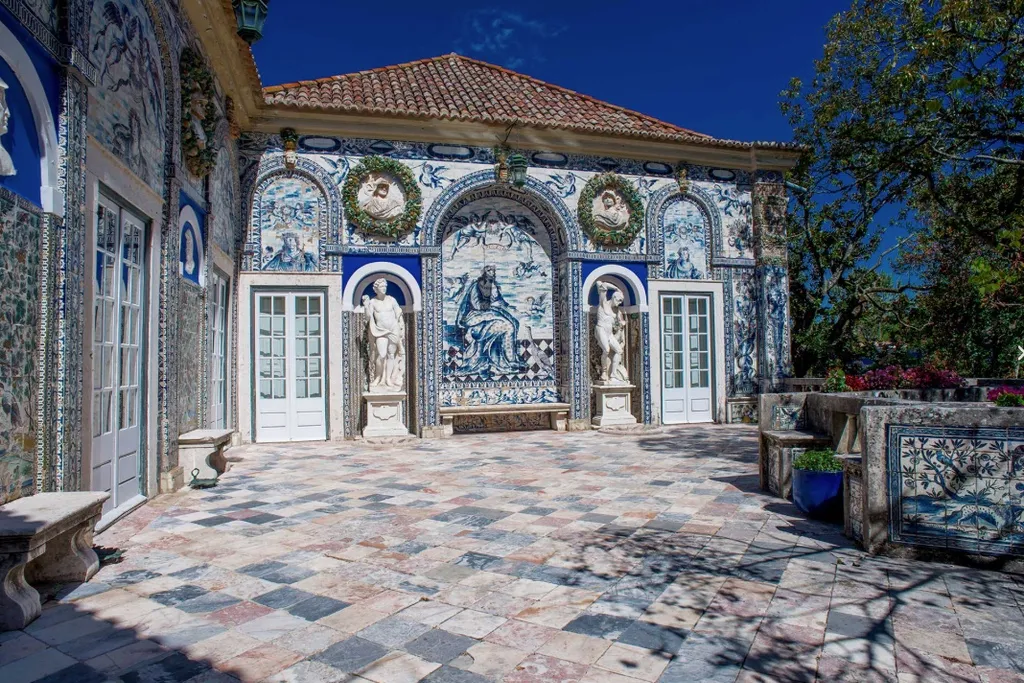
Built around 1670, expanded after the earthquake that flattened Lisbon, and the marquises' descendants still live in it. About fifteen...
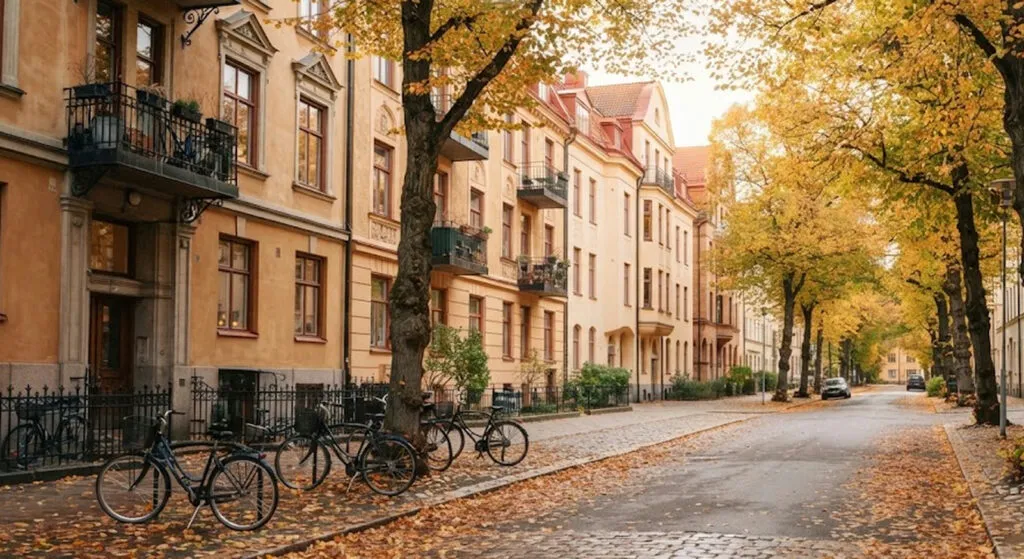
Stockholm is not just Gamla Stan. Vasastan is the residential district where Swedes live, take their fika and stroll through...
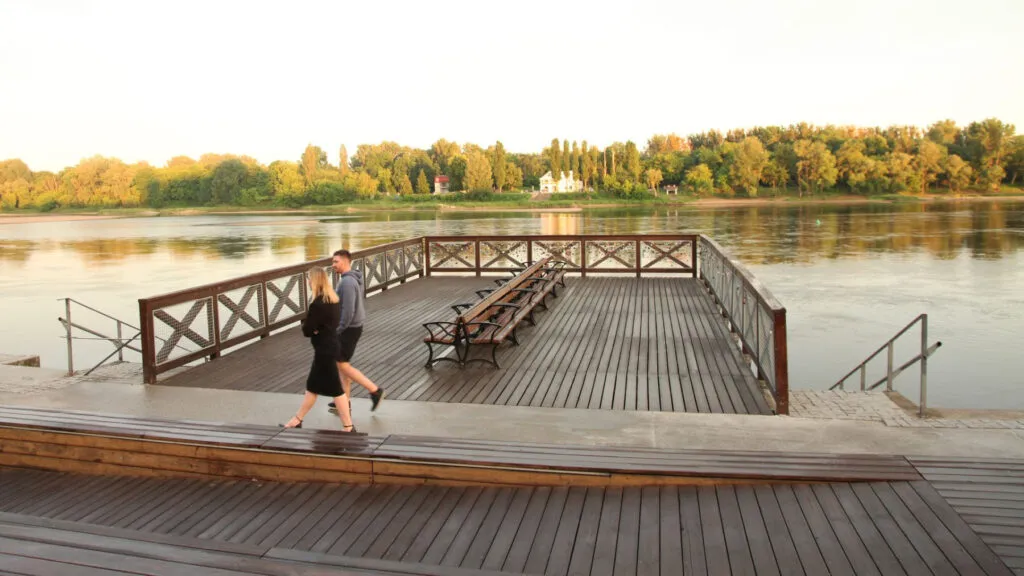
One was built by the Teutonic Knights, the other lived under Prussia for more than a century. Between them -...
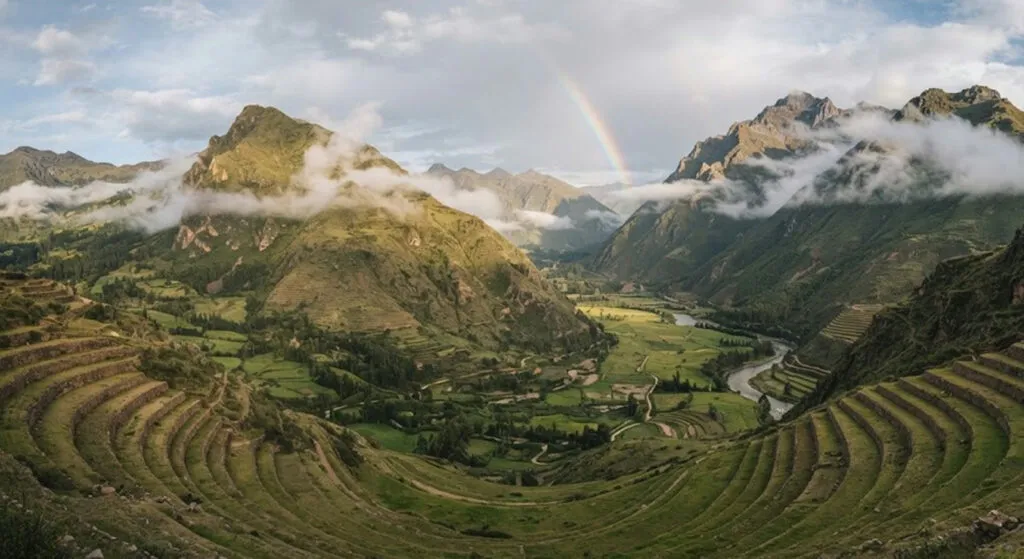
Maribel Verdú put off Peru for years. When she finally went, she came back with a rainbow over Machu Picchu...
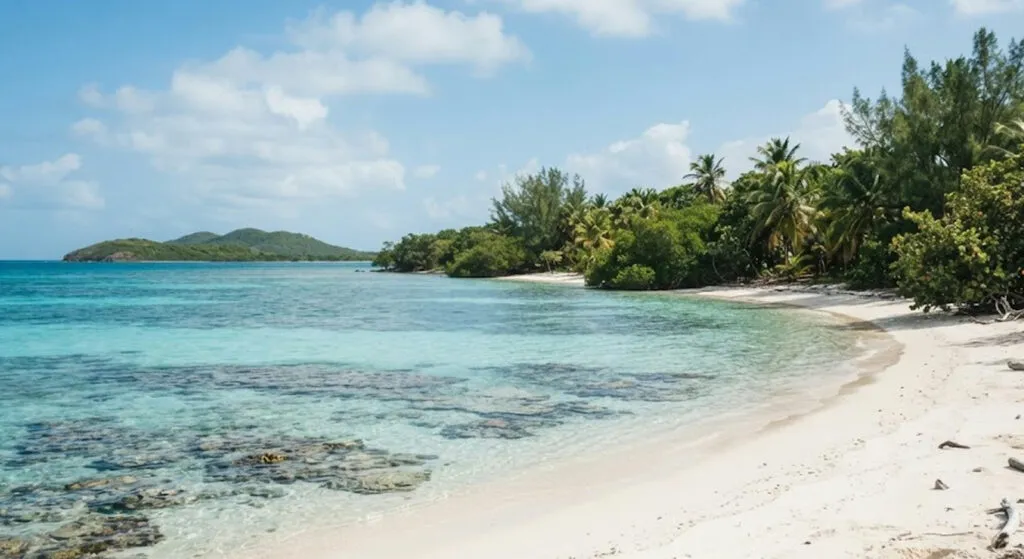
Rubén Cortada, the villain of "Sira", is building his career in Spain, but he keeps going back to the island...
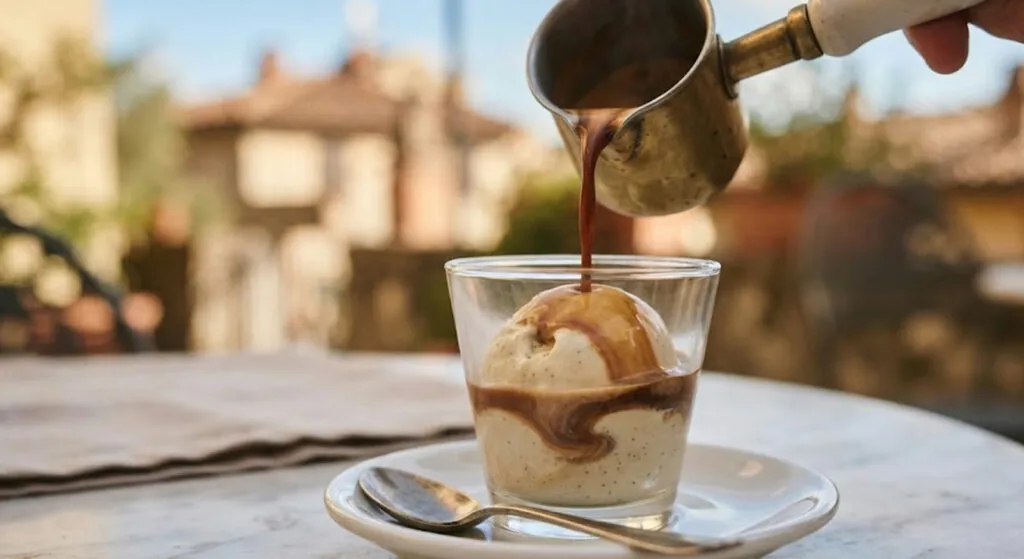
A scoop of gelato, hot espresso poured on top, and six addresses along the Arno. In Florence this isn't a...
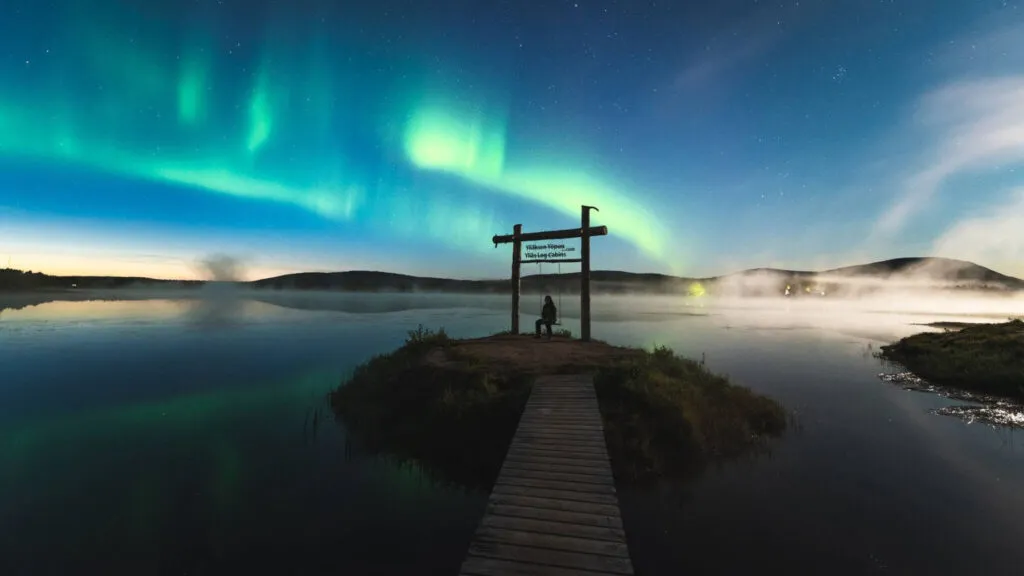
Salmon soup by the harbour, Alvar Aalto on the UNESCO list and a village on the Arctic Circle with free...
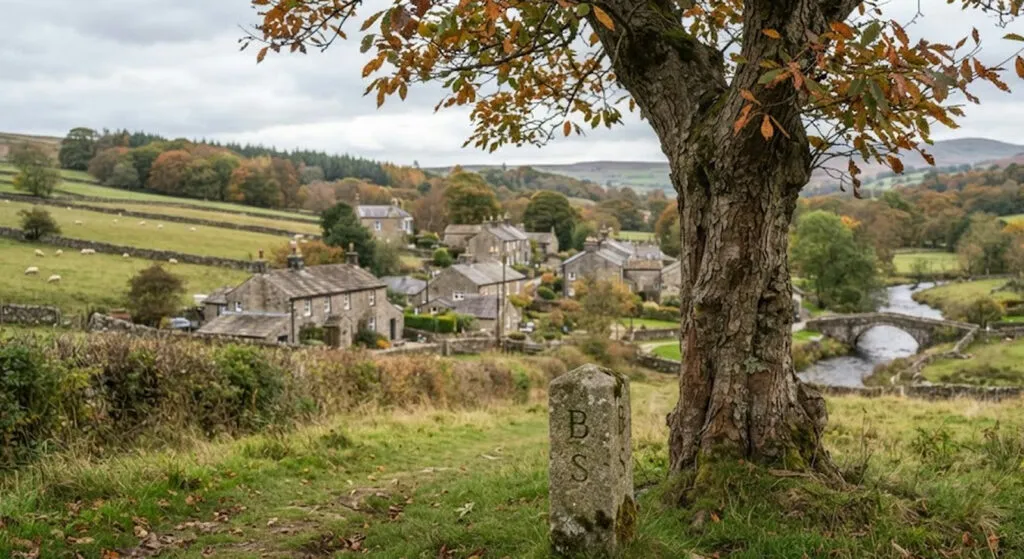
Between the two ends of the village there is only a boundary stone by a chestnut tree - and a...
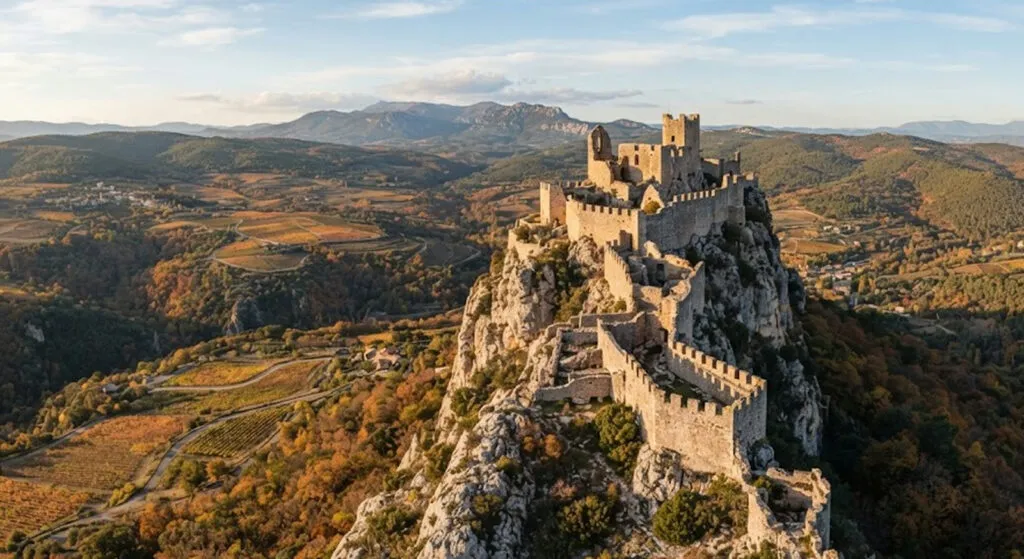
Everyone knows Carcassonne. Few have climbed up to its seven "little brothers" - fortresses that look as if they grew...
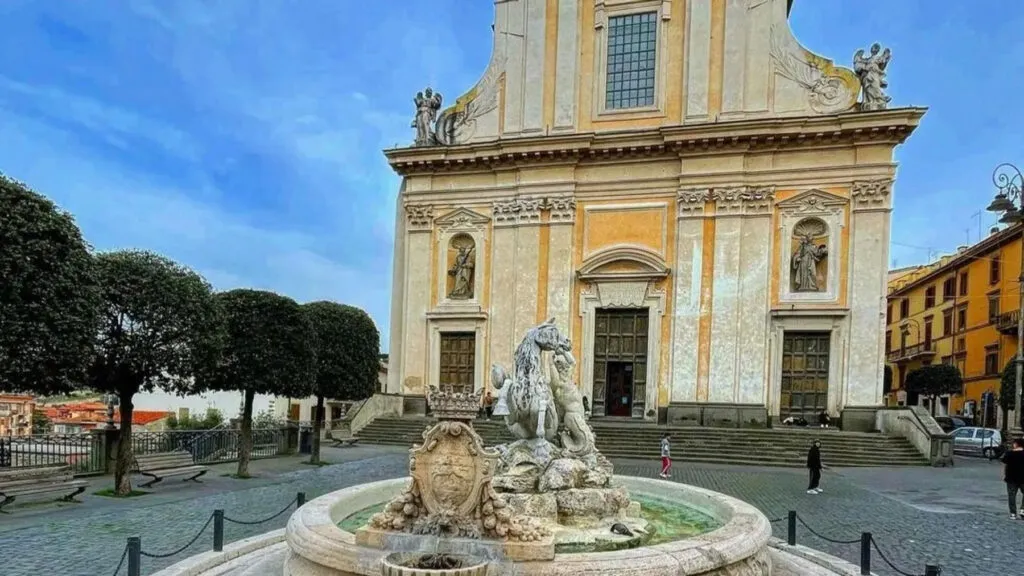
The fountain was built to celebrate victory over the Ottoman fleet at Lepanto, and the grape festival that fills it...
This site uses cookies - is that okay? Learn more
Be the first to know when Metla launches something new
Leave your email and we will write when there is a new guide or something new on Metla.


