


Six Police Officers Suspended over the Beating near Saraj: The Interior Ministry Admits Irregularities, the Union Tells a Completely Different Story
12.10.2026


12.10.2026

12.10.2026

12.10.2026

12.10.2026

12.10.2026

12.10.2026

12.10.2026

12.10.2026

11.10.2026

12.10.2026

12.10.2026

11.10.2026

12.10.2026

12.10.2026
12.10.2026

12.10.2026

11.10.2026
10.10.2026

12.10.2026

12.10.2026

12.10.2026

12.10.2026

12.10.2026

12.10.2026

12.10.2026
11.10.2026
11.10.2026
12.10.2026

10.10.2026

08.10.2026

23.04.2026

23.04.2026

12.04.2026

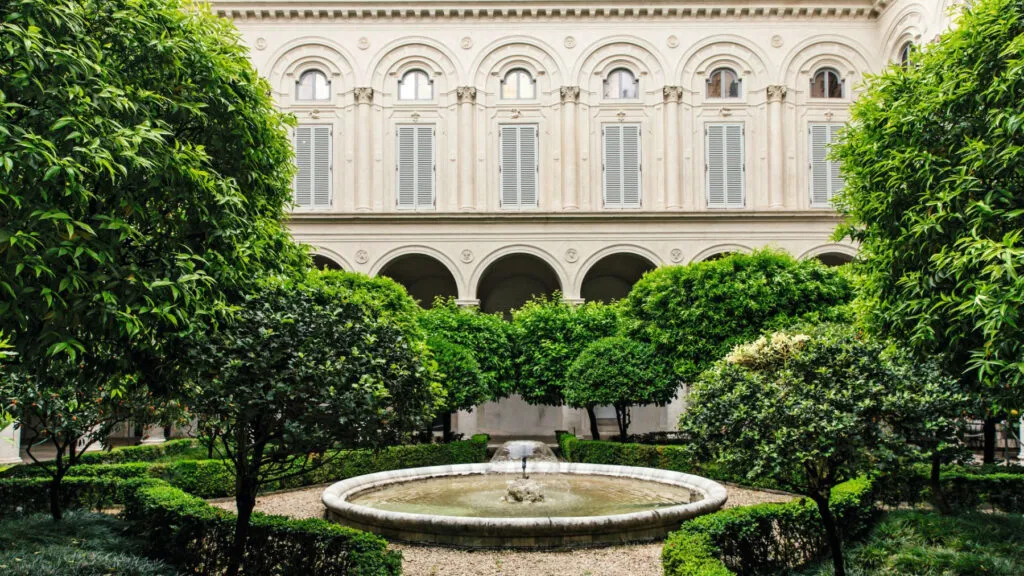
In the very heart of Rome, on the elegant Via del Corso, an entire block of the historic centre is taken up by the Palazzo Doria Pamphilj. It houses the famous Gallery, one of the most important private art collections in the world. The palace has been in the family's hands since the 15th century and was remodelled right up until the end of the 19th. Today it is looked after by Princess Gesine Doria Pamphilj and her husband Massimiliano Floridi. For them, though, it isn't a museum first but a home - which happens to be a museum too.
Over a thousand rooms, and home is just one wing
The palace has more than 1,000 rooms, only some of which are open to the public, and it is one of the largest residential palaces in Rome. The couple live in the most private wing, with its own garden, separated from the visitors' route. They spend three days a week there and the rest of the year at their house in the countryside. It turns out princesses have a weekend place too - it's just that their city flat has a thousand rooms.
There's no museum chill in the private quarters. The English Room, with a portrait of Mary Alethea Talbot, Countess of Shrewsbury, is used for socialising. The big dining table is laid with Victorian cutlery, Meissen porcelain and Baccarat crystal. A landscape by Pietro Testa graces the fireplace, and the rooms are filled with sculptures, a harpsichord and beds in warm red tones - spaces that are lived in, not just looked at.
The pope hanging in a small cabinet
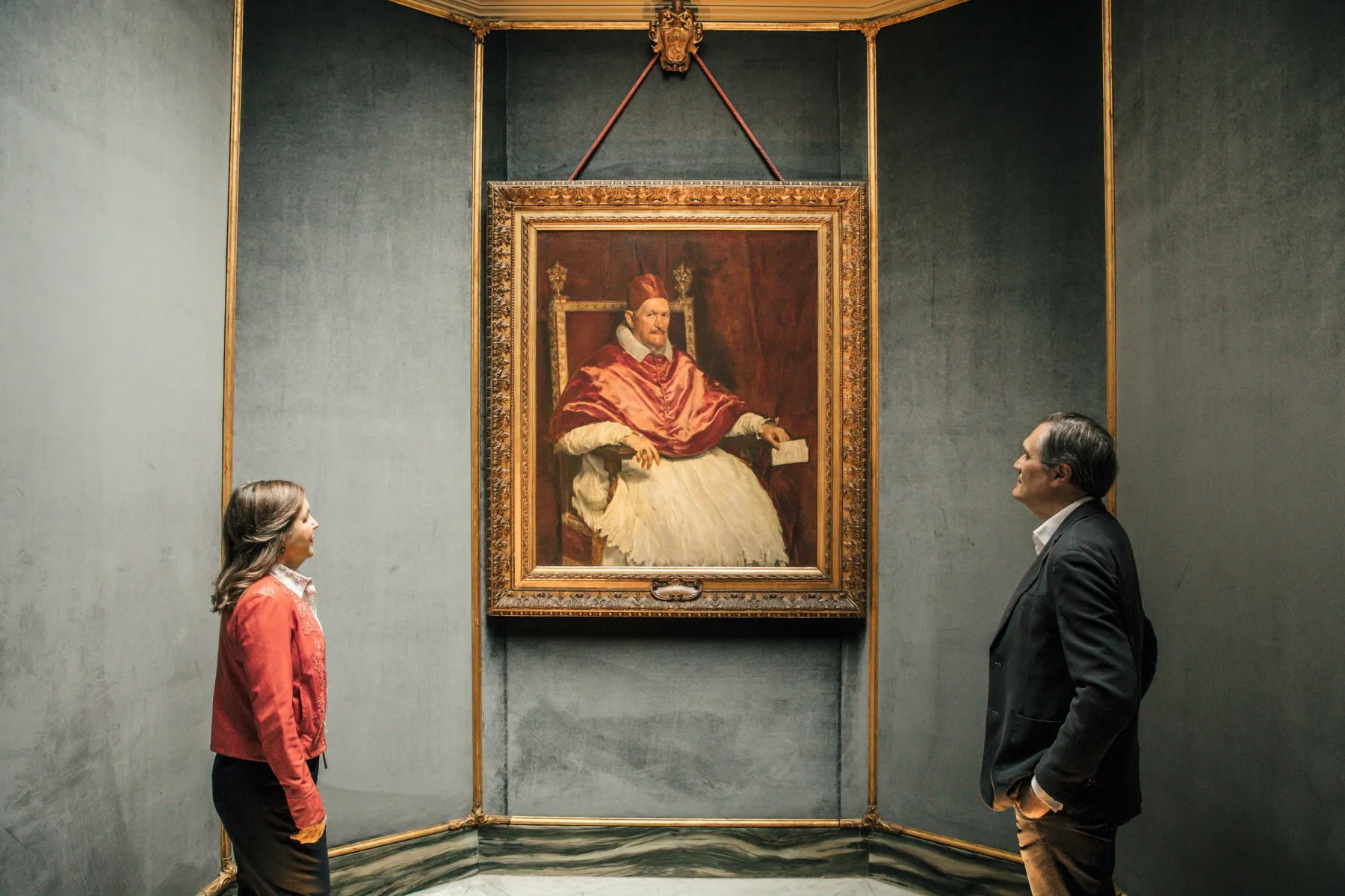
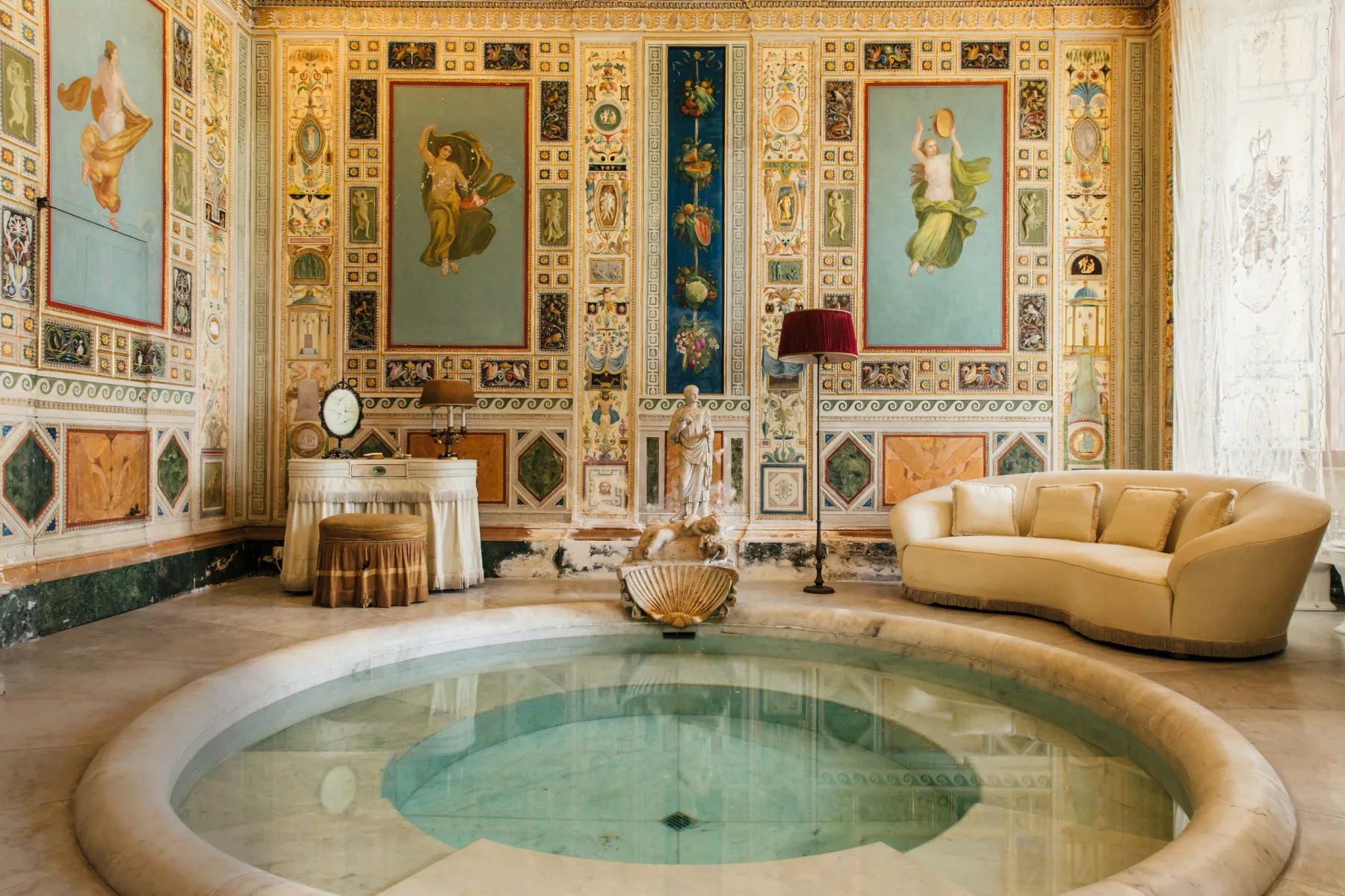
The most famous work in the palace doesn't hang in a grand hall but in a small cabinet. It's Diego Velázquez's portrait of Pope Innocent X, an ancestor of the family - one of the most important portraits of the 17th century. Other rooms hold works by Caravaggio and Titian, Roman sculptures, a bathroom decorated by Annibale Angelini, while the main hall is dominated by Ludovico Lana's "Daedalus and Icarus".
An adopted guardian
Gesine's story may be the most unusual part of the whole palace. In the 1960s she was adopted from a Catholic orphanage in London by Princess Orietta Doria Pamphilj and British naval officer Frank Pogson. Her brother Jonathan was adopted the same way. Her parents raised her to be a "guardian" of the family heritage - something they saw as a responsibility, not a privilege. The household cultivated ecumenism and charity, and her mother volunteered for around 40 years with an NGO linked to the FAO.
Gesine studied business management and ran the family estates. She has no formal education in art history beyond what she learned at school. When her father fell ill in 1991, she took over the leasing and the supervision of restorations. A princess who runs a palace like a business venture - and says so openly.
The museum that was losing money
When she married Massimiliano in 1992, he took over running the museum, which was operating at a loss at the time. Gesine admits that at one point she proposed closing the museum to the public and opening it only by appointment. Massimiliano persuaded the family to try changes instead - and the museum's finances improved. She calls him her "rock" and says they complement each other: she's the practical one, he's the artistic soul.
Massimiliano is a permanent deacon in the Catholic Church and assists at Mass in the palace chapel, which has a fresco by Tommaso Minardi and an ivory crucifix among its relics. The two met after a concert at the Oratorio del Gonfalone in Rome and married within a year. Before that, he volunteered at Caritas in Rome, handing out meals to the homeless and working with young drug addicts.
Four daughters and none in the business - for now
The couple have four daughters. Anna works in event organisation and is expected to join the gallery. Orietta is training as a librarian to catalogue the old library on Piazza Navona. Elisa is a singer-songwriter interested in music therapy, and Irene completed a master's in musical theatre in London and dreams of the West End stage. None of them works directly in the family business yet.
Meanwhile, the palace lives beyond the Gallery walls too: contemporary art exhibitions, book launches and concerts tied to works the family has supported over the centuries. A new partnership with the Rome Opera staged Handel's oratorio "Il Trionfo del Tempo e del Disinganno", whose libretto was written by an ancestor, Cardinal Benedetto Pamphilj.
None of us has a Velázquez in the hallway, but the lesson from Via del Corso applies to a sixty-square-metre flat too: a home isn't a museum if nobody lives in it, and an inheritance is work, not a trophy. How many family houses fall apart because everyone wants to be an heir and nobody wants to be the guardian?
The latest 10 news from this category

Messi has said goodbye to Argentina's national team, and four addresses tell the story of his life. The one that...
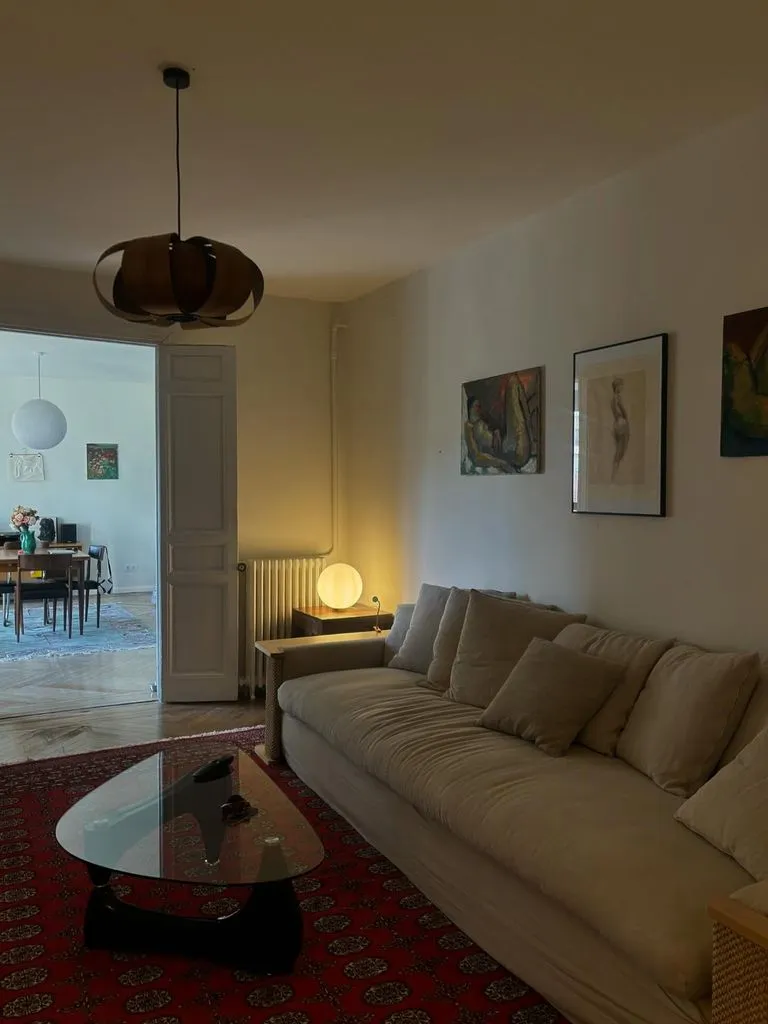
A cream sofa, a red oriental rug and an armchair the cat has taken over: the two Spanish actors' home...
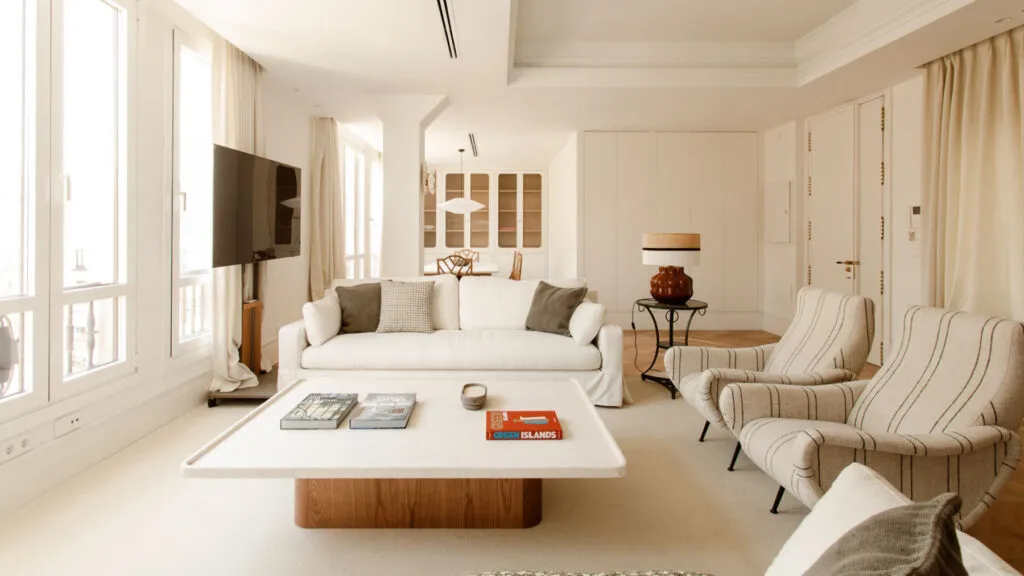
Small, dark rooms in an old Madrid building became one bright space from the living room to the kitchen. The...
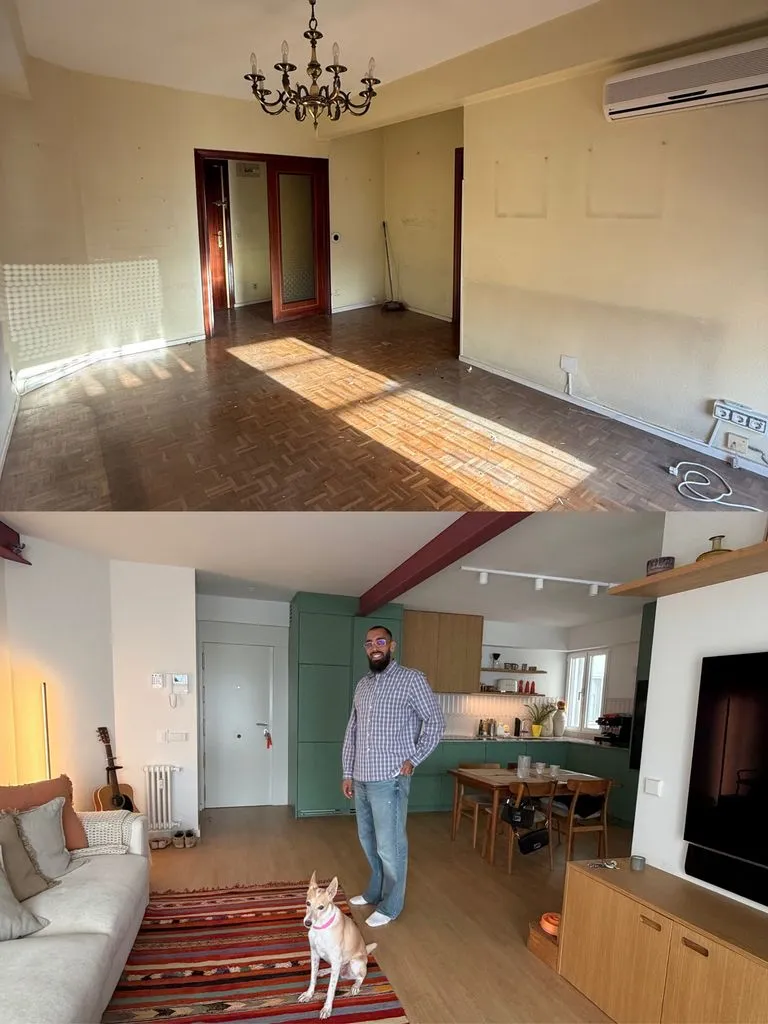
Four bedrooms became two, the yellow walls disappeared, and the hallway became part of the living room. A renovation with...
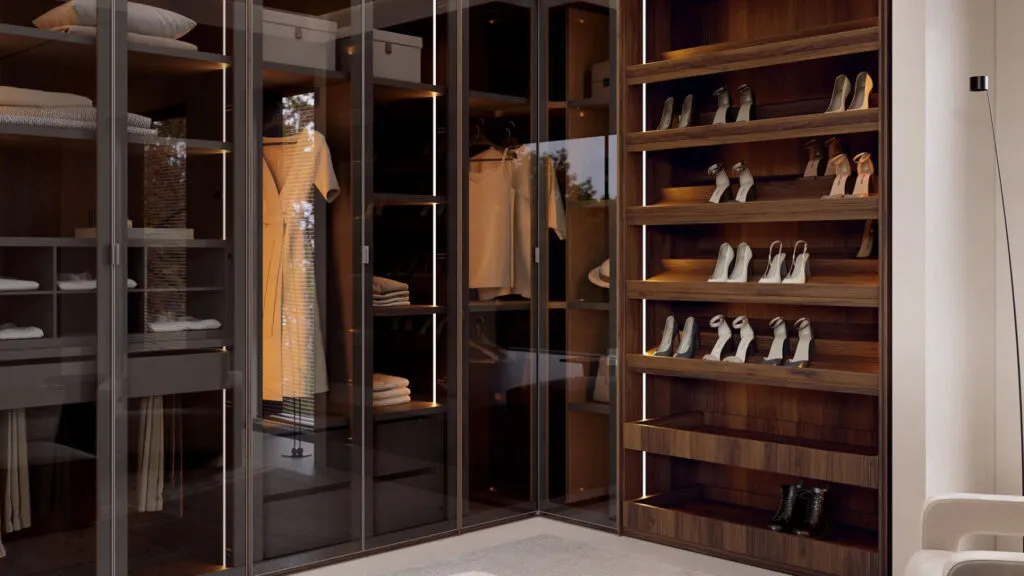
A walk-in closet isn't made with more wardrobes - it's made with an inventory, a tape measure and light that...
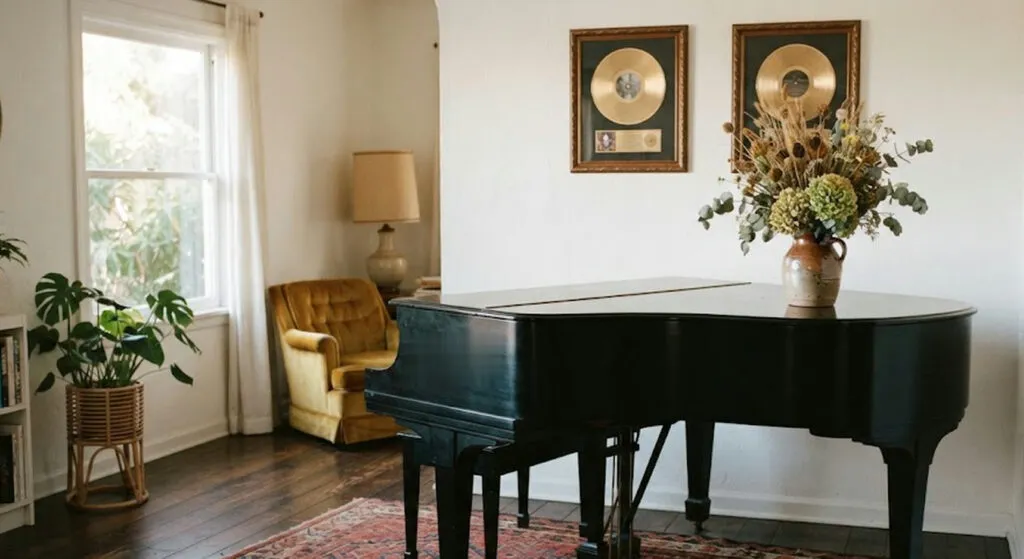
At home she wasn't a star, she was "Marieta". The house where she raised her children is still in the...
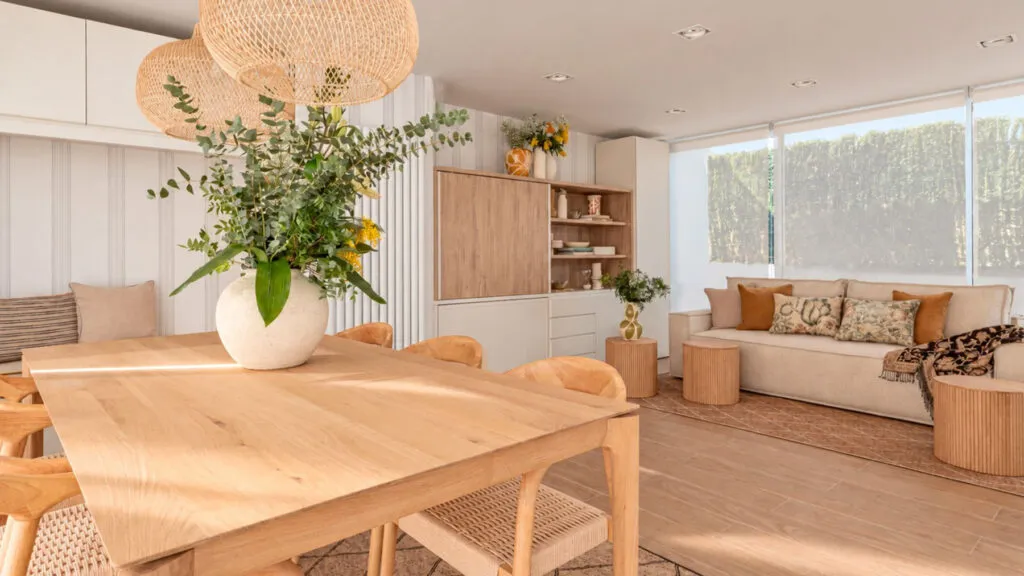
Out of 150 square metres of neglected rooftop, a family gained a whole extra floor: a place to work, host...
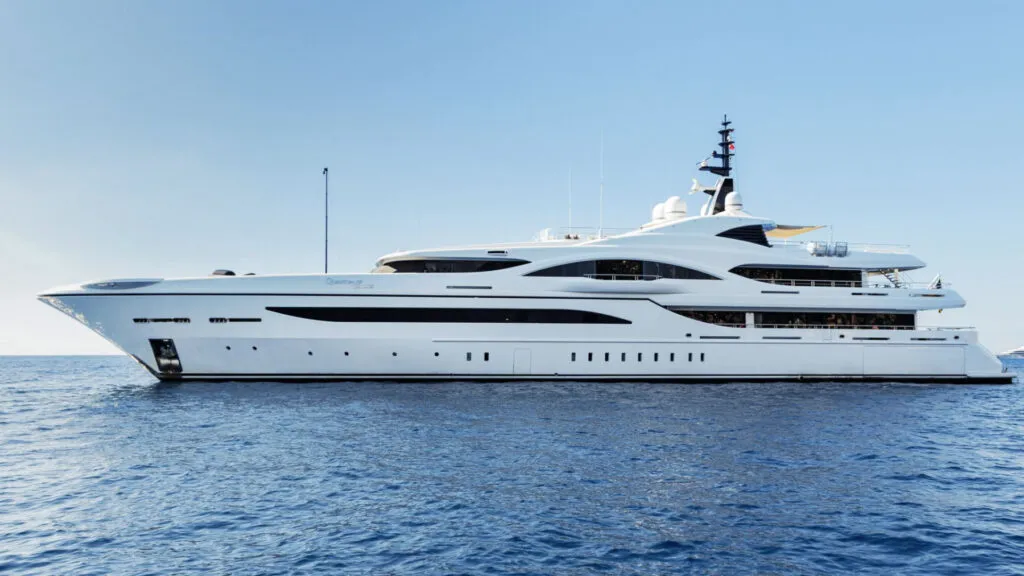
A double-height atrium that, according to the owners, only three other yachts in the world have, and a foundation funding...
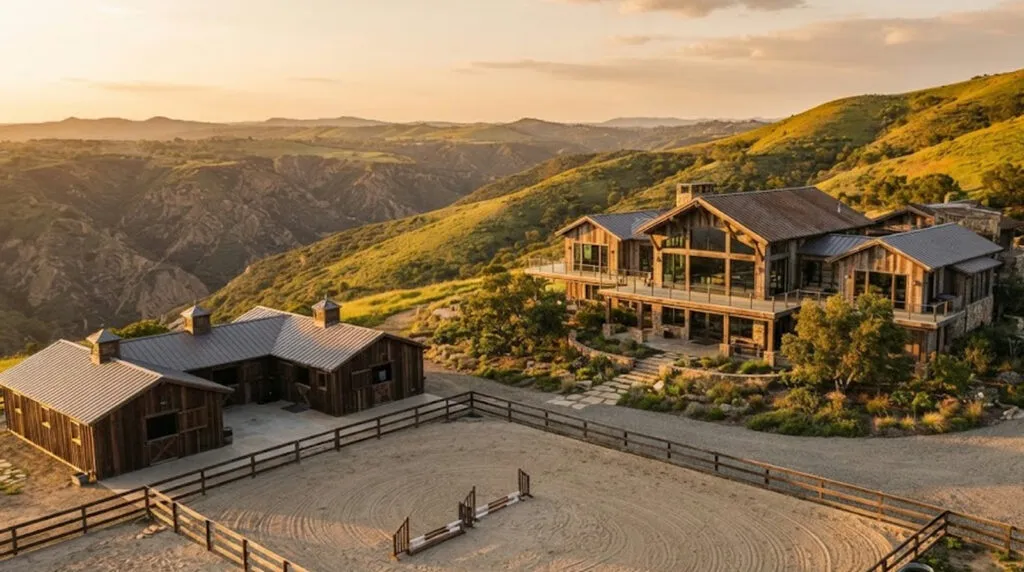
Bought for five million, renovated for another seven, and now on the market for over 26 - a ranch whose...
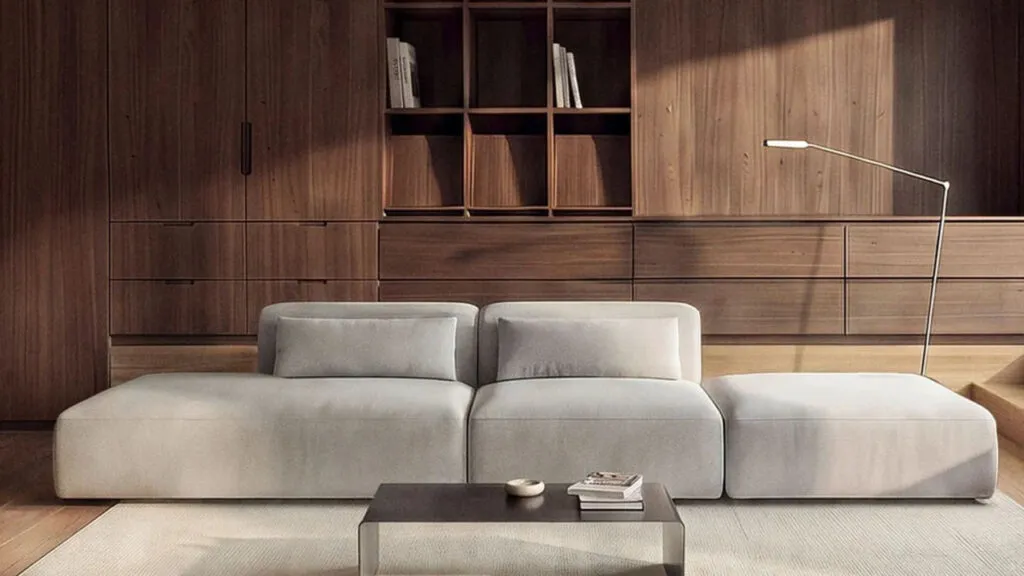
Scandinavian style is in retreat, and the walnut furniture we remember from our grandmothers' living rooms is this autumn's trend....
This site uses cookies - is that okay? Learn more
Be the first to know when Metla launches something new
Leave your email and we will write when there is a new guide or something new on Metla.


