

Six Police Officers Suspended over the Beating near Saraj: The Interior Ministry Admits Irregularities, the Union Tells a Completely Different Story
12.10.2026


12.10.2026

12.10.2026

12.10.2026

12.10.2026

12.10.2026

12.10.2026

12.10.2026

12.10.2026

11.10.2026

12.10.2026

12.10.2026

11.10.2026

12.10.2026
12.10.2026
12.10.2026

12.10.2026

11.10.2026

10.10.2026

12.10.2026

12.10.2026

12.10.2026

12.10.2026

12.10.2026

12.10.2026

12.10.2026

11.10.2026

11.10.2026
12.10.2026

10.10.2026

08.10.2026

23.04.2026

23.04.2026

12.04.2026

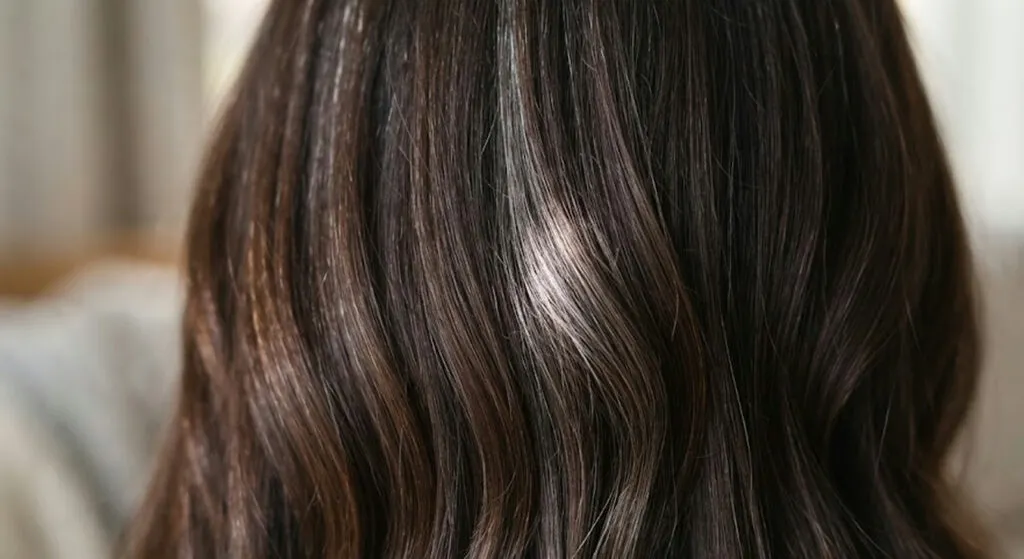
Grey hairs don't appear because hair "turns grey". It simply starts growing without colour. That's the first thing dermatologist Alba Gómez Subijaur, head of the hair unit at the Instituto Médico Ricart, explains: "Hair owes its colour to melanin, a pigment produced by cells called melanocytes." Those cells sit at the root of every follicle.
Over the years, oxidative stress - from sun, pollution and chronic stress - reduces melanocyte activity. At some point they stop producing pigment, and the hair growing from that follicle comes out colourless. It isn't a hair losing its colour, but a new hair that never got any.
Genetics decides, but not alone
"Genetics is the most decisive factor," says Gómez Subijaur. She offers a rough split, noting it's neither exact nor universal: about 70 percent genetics and age, about 30 percent lifestyle and environment. That 30 percent includes chronic stress, since cortisol directly affects melanocytes, plus tobacco, deficiencies in vitamin B12, copper and zinc, thyroid disorders and sun exposure, which increases oxidative stress. Genes decide when; lifestyle decides whether the process runs faster or slower than what you inherited.
So does stress really turn you grey? The dermatologist is clear: the claim that stress speeds up greying "has an important scientific basis". The mothers who said their kids would give them grey hair, it turns out, weren't far from the truth.
What can be done
The strategy is to reduce oxidative pressure on the melanocytes - from the inside, but also from the outside. And to start now, even if you don't have a single grey hair yet. "The earlier you reduce the follicle's accumulated oxidative wear, the longer the melanocyte reserve stays active," she explains. Your diet should be colourful in the literal sense: spinach, broccoli and chard for vitamins C and E, folic acid and lutein; carrots, mango and oranges for beta-carotene; tomatoes, strawberries and watermelon for lycopene; blueberries, grapes and aubergine for anthocyanins; garlic, onions and cabbage for allicin and flavonoids. On the outside, good shampoos, conditioners and masks help preserve the oily layer that covers the cuticle and protects hair from the sun. And managing stress, because of cortisol, isn't a luxury - it's part of the treatment.
Gómez Subijaur also recommends two dietary supplements from the brand Olistic, with which - it's worth saying - she collaborates. That doesn't mean the advice is wrong, but it does mean the part about pills should be read with a little more caution than the part about broccoli.
Can grey hair be reversed?
In most cases - no. Once a melanocyte permanently stops producing pigment, that hair won't get its colour back, however well you look after the rest of your hair. A grey hair stays until you cut it. The exception is grey hair linked to a specific, removable cause, such as an acute nutrient deficiency or a very severe stressful episode: there, partial repigmentation has been documented once the cause is resolved, but only in isolated cases. Some medicines can also cause temporary greying. The dermatologist is still an optimist - numerous studies are working on restoring melanocytes, and in a few years the answer to whether grey can be reversed may be different.
Until then, the old rule applies: if your parents went grey early, you probably will too. The good news is that more and more women and men are giving up constant dyeing and wearing their grey with pride. Maybe that's the cheapest treatment of all.
The latest 10 news from this category

The exhibition features more than 140 works by ten artists, but the attention went to what the guest who opened...
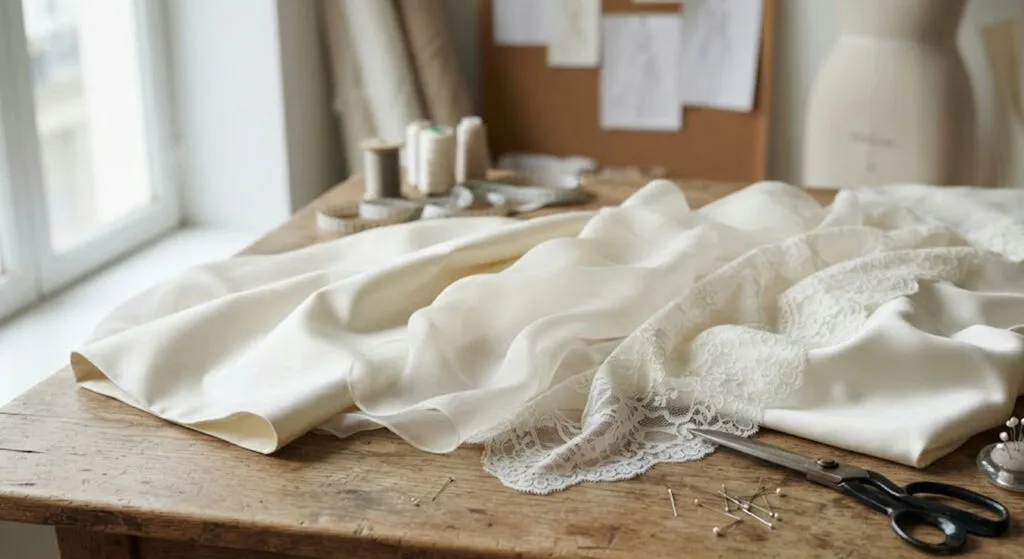
50 metres of silk for a single dress, 10,000 pearls on taffeta and a jacquard woven with the symbols of...

The town celebrates 700 years, the royal couple opens a bathing spot, and the smartest detail is the hat -...
The skin is thinner, there are fewer oil glands, and the phone keeps tilting the head down. That's why one...
The designers set themselves one rule: the bride had to be able to dance for hours. The nicest detail can't...

A 6-million-euro necklace, boots worth up to 30,000 euros, a Hermès bag that fetched 349,000 euros at auction. Stars wear...

Blackheads and breakouts come from your evening routine more often than from a skipped treatment. Which facial suits which skin...
Before it became a fashion statement, the bridal bouquet was an amulet of garlic and herbs against evil spirits. Trends...

The coat fashion editors have declared this winter's trend, a brooch from her mother-in-law's jewellery and a 107-euro bag: a...
"At that age you cut your hair short" - a line hairdressers retired long ago. Four cuts that stay above...
This site uses cookies - is that okay? Learn more
Be the first to know when Metla launches something new
Leave your email and we will write when there is a new guide or something new on Metla.


