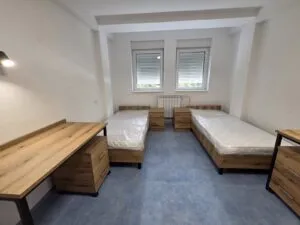
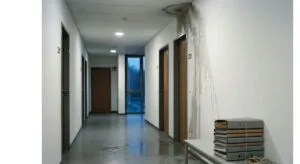
Stiv Naumov dorm renovated for around 10 million euros: a month later water runs through the walls and the ministry counts wet wipes
24.10.2026


24.10.2026
24.10.2026
24.10.2026

24.10.2026
24.10.2026

24.10.2026
24.10.2026

23.10.2026
22.10.2026
24.10.2026
24.10.2026

23.10.2026

24.10.2026

24.10.2026

24.10.2026

24.10.2026

23.10.2026

22.10.2026
24.10.2026

24.10.2026

24.10.2026

24.10.2026
23.10.2026
23.10.2026
24.10.2026
23.10.2026

23.10.2026
24.10.2026
22.10.2026
20.10.2026

23.04.2026

23.04.2026

12.04.2026

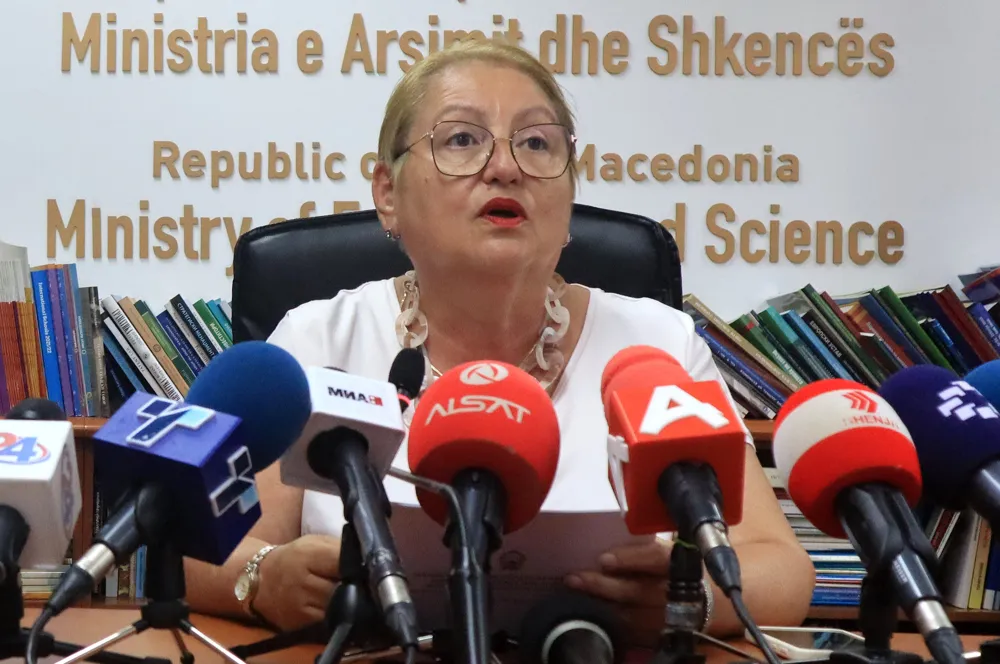
In 2020, 19,031 children were born in Macedonia. Those children are due to sit down in first grade this autumn. So far, around 14,500 have enrolled.
The gap is not an arithmetic error, and it is not final - enrolment runs until the end of September for latecomers. But even on the most generous projection, the distance between the number born and the number of first-graders is too large to be explained by paperwork. Education and science minister Vesna Janevska herself admits there will be at least 3,000 fewer first-graders this year than last.
Three hundred fewer classes
The consequence is already visible in the timetable. This year there are around 200 fewer classes in primary education and around 100 fewer in secondary. This is not a decision taken by some management board - it is the number you get when there is nobody to fill the desks.
"What we managed to do, at the moment we have around 200 fewer classes in primary education and 100 fewer classes in secondary education," Janevska said at a press conference.
That phrasing is worth reading twice. "We managed to do" - as though this were the result of policy rather than the consequence of demographics. Optimising the school network is a genuine need and the minister has arguments for it. But when empty desks are presented as an achievement, the question of why they are empty disappears.
Twenty-six schools are closing
This year 26 rural schools will close by attrition, schools with no first-grade enrolment at all and five to eight pupils in total. The minister's argument is quality and socialisation: that isolated existence in a setting with combined classes, where pupils from three different grades sit in one room, cannot deliver adequate education.
"If we have a central school with 200 children, and 2.5 kilometres away a school with 18 children, there is no logic in keeping those 18 children trapped in that school," Janevska said. The limit has been set: combined classes will be run where a satellite school is more than 15-20 kilometres from the nearest central one, or where the roads are not safe for small children.
Pedagogically, the argument holds. A child learning alongside two peers really does get weaker socialisation than a child in a class of twenty. But closing a school in a village is not only an education measure. It is a signal to everyone still living in that village about where things are heading.
Fewer pupils, then fewer students
Janevska drew the line further herself: steadily fewer pupils in primary and secondary schools inevitably means fewer university students too. She is already thinking in those terms, which is correct - and which means the consequences of this generation will be read in the system for the next fifteen years.
Among the other measures: textbooks have been distributed and are already in schools, which the minister highlighted as the earliest this has ever been completed. The school-supplies allowance has been cut by 15 percent. No increase is planned for the student meal subsidy because, as she put it, no such request has reached the ministry from student organisations.
No teacher on a permanent contract has been dismissed, and in some Skopje municipalities such as Aerodrom staff are short and hiring is expected. The extended-day measure - full-day teaching with two class teachers in shifts until 4pm - was presented as relief for parents.
The question that was not at the press conference
All of that is administering a consequence. Not one of these measures addresses the reason why 19,031 children born correspond to 14,500 enrolled first-graders. The gap between those two figures is not solved by rearranging classes.
Closing 26 schools is a rational move within the system as it stands today. The question is whether anyone is counting how many schools will close by 2035 if the birth rate keeps falling, and whether there is a plan bigger than an annual optimisation of the network.
The latest 10 news from this category
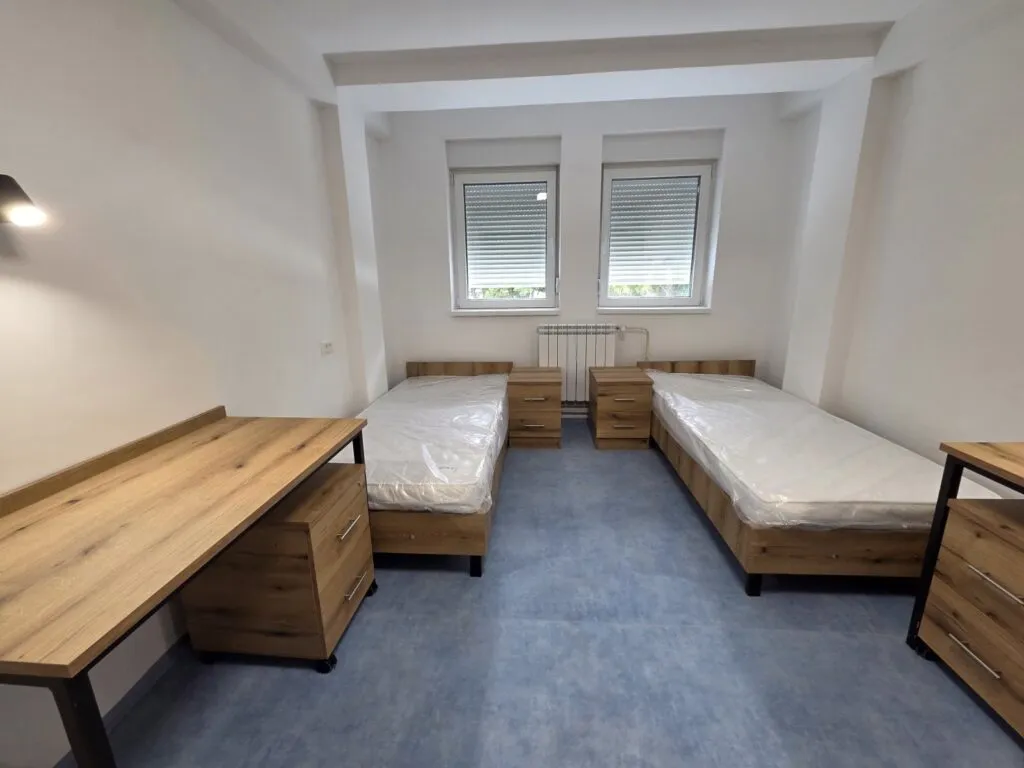
Students pay almost twice as much for "European standards" and got damp and cold radiators. The ministry responds with a...
Of 341 buses, 185 are roadworthy, and the city is once again debating BRT, light metro and a city train....
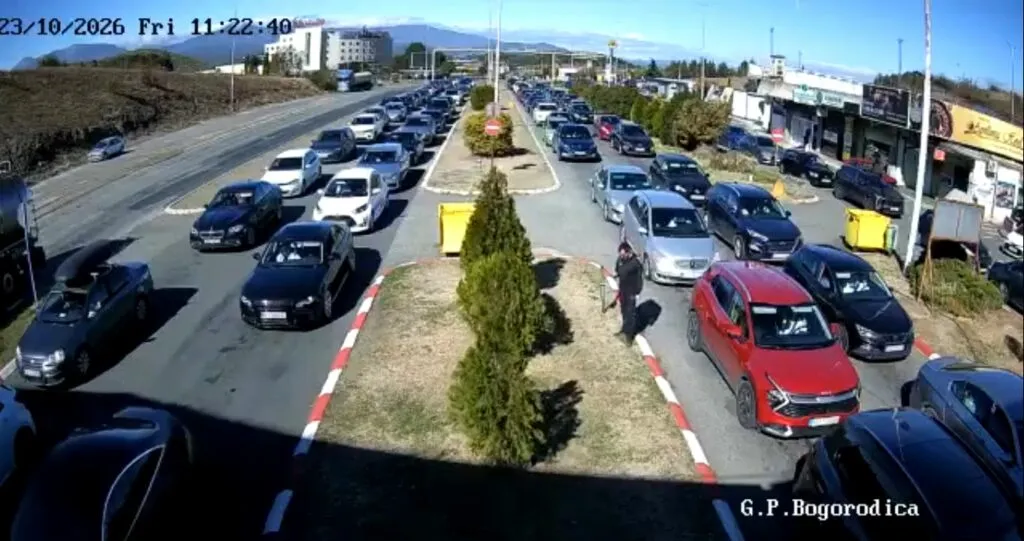
One day off was enough for queues towards Serbia, Kosovo, Bulgaria and Greece. And on the motorway to Bogorodica, one...

Older people come every year; the high-risk groups doctors worry about most rarely do. The first 30,000 doses are here,...

From 700 entrants in 2007 to 15,040 runners from 63 countries. In the region, only Ljubljana ran bigger.
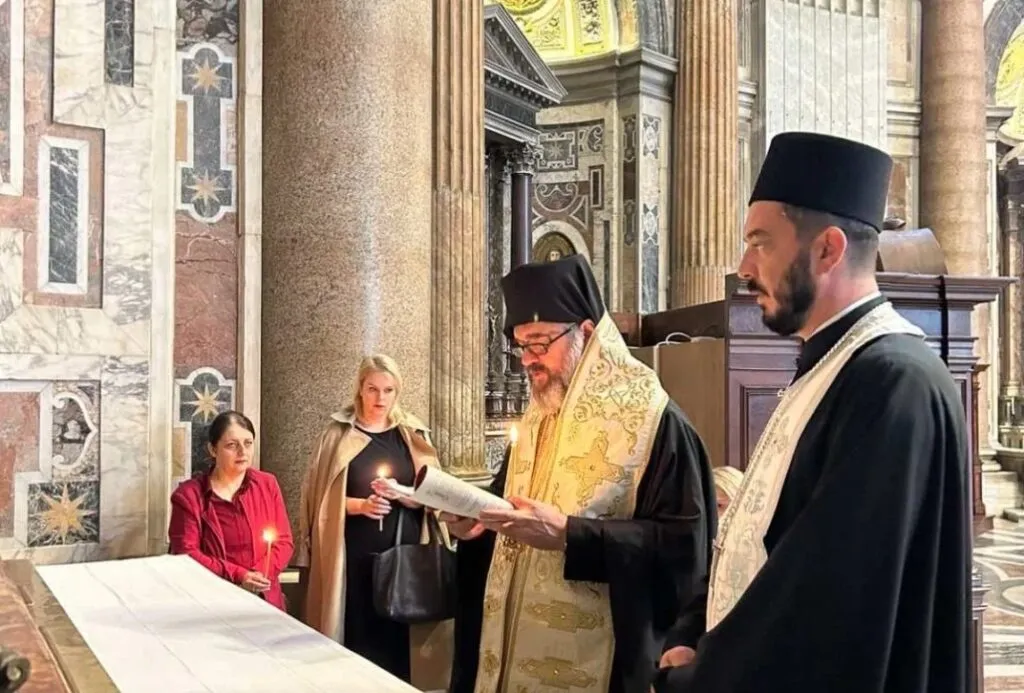
Metropolitan Georgij in Rome: at the altar of the Ohrid saint, then face to face with the patriarch who holds...
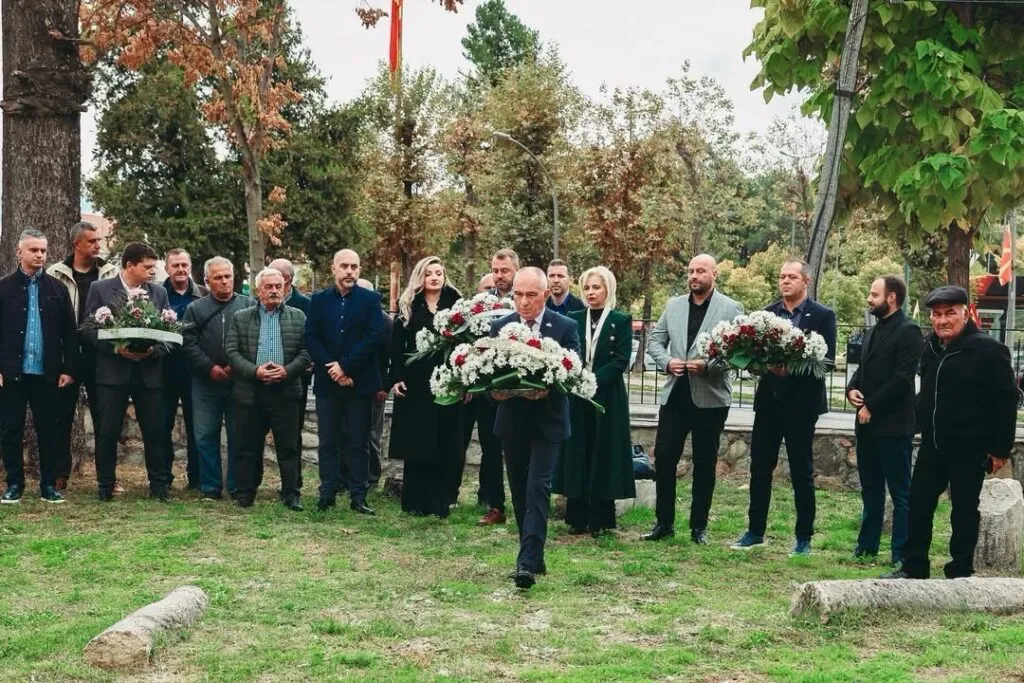
The mayors called the revolutionaries an example and an obligation. A nice line - but obligations are measured after the...

The Finance Ministry said no three times, and 18 of 34 courts can't keep up with their cases. Citizens feel...
The institution meant to protect us from the state is waiting for a budget revision to pay for its premises....
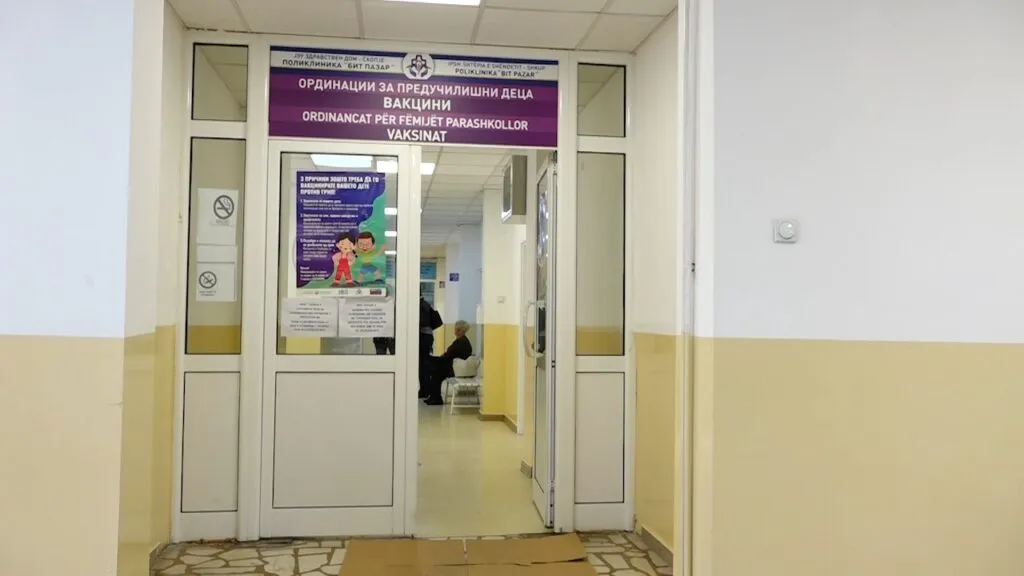
The campaign started with vaccines obtained through a loan, the second shipment arrives by 15 November. The most vulnerable are...
This site uses cookies - is that okay? Learn more
Be the first to know when Metla launches something new
Leave your email and we will write when there is a new guide or something new on Metla.